
| Notice Type | Tender Notice |
|---|---|
| Notice Number | 128683400 |
| Description |
Project Name: Preparation of Design Documentation for the "Construction of Sanitary Sewer Network in Bystrzyków Village" Tender Reference Number: 103588-2026 (EU Tenders Electronic Daily Number) Procurement Type: Services Main CPV Code: 71240000 (Architectural, engineering and planning services) Tendering Procedure: Open procedure Task Breakdown: Task 1: Preparation of complete design documentation and obtaining all necessary permits, agreements, and technical conditions required for construction. Task 2: Provision of design supervision services during the construction phase, based on the design documentation from Task 1. Overall Project Overview: The construction project for the sanitary sewer network in Bystrzyków Village is a key infrastructure initiative within the Siechnice Municipality, Lower Silesian Voivodeship, Wrocław County, Poland. It aims to achieve full coverage of sewage collection systems in rural areas, phase out decentralized septic tanks, and protect the water quality of the Oder River tributaries. The project scope covers the entire Bystrzyków Village, serving approximately 1,200 households and small commercial facilities along the route. The design objective is to establish a complete, sealed, and efficient combined gravity and pressure sewage conveyance system, ensuring 100% connection of wastewater to the Siechnice Regional Wastewater Treatment Plant. Gravity Sewer Network Design Network Layout and Routing Total Length: Not less than 10 km (qualification threshold for Task 1; actual design scale must cover the entire built-up area of the village). Pipe Diameter Series: DN200 (lateral branches), DN250 (collection mains), DN315 (main village collection trunk). Pipe Material: PVC-U (SN8 class, ring stiffness ≥8kN/m²), suitable for local soil conditions and shallow burial requirements in Poland; PP-B or PEHD (SN12 class) for sections crossing heavy traffic lanes or with insufficient cover. Pipe Bedding: Sand/gravel bedding layer, thickness ≥15cm, grain size 0–16mm, compaction ≥95%; crushed stone drainage trenches and geotextile wrapping for sections below groundwater table. Burial Depth: 1.2m ~ 2.5m (controlled by being 0.5m below frost line; minimum cover ≥1.2m under Polish climatic conditions). Manholes: Material: PP or PE prefabricated manholes, DN400/600/1000 Spacing: ≤50m in straight sections; manholes required at bends, diameter changes, drop structures, and lateral connections. Sealing Class: IP68, covers to be anti-theft ductile iron D400 class, with locking devices in heavy-duty areas. Internal Channel: Prefabricated monolithic channel, hydraulically smooth to prevent sedimentation. Drop Structures: Step-type drop manholes or energy dissipation manholes in sections with terrain slope ≥15% to prevent pipe scouring. Hydraulic Design Parameters Design Sewage Flow Standard: 120 L/person·day (residential) + 20 L/person·day (public services and small commercial). Dry Weather Average Flow: Qdₐᵥg = Served Population × 140 L/person·day × 0.8 (wastewater generation coefficient). Dry Weather Peak Flow: Qdₚₑₐₖ = Qdₐᵥg × 2.5 (hourly variation factor). Minimum Design Velocity: 0.6 m/s (self-cleansing velocity). Maximum Design Flow Depth Ratio: DN200≤0.5, DN250≤0.6, DN315≤0.7. Minimum Pipe Slope: DN200≥5‰, DN250≥4‰, DN315≥3‰. Special Construction Method Sections Crossing Rivers/Ditches: Use Horizontal Directional Drilling (HDD) or pipe jacking method with steel casing, casing diameter ≥DN600, grout consolidation. Crossing Main Roads: Open-cut construction with sheet pile support; backfill using cement-stabilized gravel; road surface restoration to not lower than original road grade. High Groundwater Level Sections: Dewatering using wellpoints during construction; pipe joints to use electrofusion welding or double rubber ring spigot-socket joints; hydrostatic test pressure ≥50kPa. Pressure Sewer Network Design Network Layout and Routing Total Length: Not less than 3 km (qualification threshold for Task 1; actual design must cover low-lying areas where gravity flow is not feasible). Pipe Diameter Series: DN90, DN110, DN160 (PE100, SDR17/PN10). Pipe Material: High-Density Polyethylene (PE-HD), joined by butt fusion or electrofusion welding, ensuring a leak-free pipeline with no intermediate joints. Burial Depth: 1.0m ~ 1.5m, using guided boring for installation when crossing obstacles. Air Release Valves: Automatic air release valves installed at pipeline high points within manholes, with frost protection. Blow-off Valves: Drain valves and sumps at pipeline low points to facilitate maintenance and draining. Pressure Rating: Design pressure 0.6MPa, test pressure 1.0MPa. Pumping Station Design Number of Pumping Stations: To be determined based on topographic analysis, in principle one station per service radius ≤500m. Pumping Station Type: Prefabricated integrated sewage lifting stations (GRP or PE material). Cylinder Diameter: DN1200 ~ DN2000, cylinder height determined based on invert level of incoming pipe. Pump Configuration: 2 submersible sewage pumps (one duty, one standby), operating alternately automatically. Single pump flow rate ≥10 L/s, head determined based on hydraulic loss calculations for the most unfavorable point (typically 10–20m). Motor Power: 2.2kW ~ 7.5kW, IP68 protection, Class F insulation. Screens: Basket-type stainless steel fine screens, bar spacing 30mm, with guide rails and lifting chain. Control System: Level Control: Hydrostatic level sensor or ultrasonic level gauge. Control Panel: Outdoor stainless steel cabinet, IP55, containing PLC, touch screen, wireless remote transmission module. Operating Modes: Local manual/automatic, remote monitoring. Ventilation: Natural ventilation pipe, extending ≥2.5m above ground, with insect screen. Odor Control: Activated carbon filter (to be added if station location is near residential areas). Pressure Pipeline Hydraulic Design Design Velocity: 0.7 ~ 1.8 m/s. Maximum Allowable Operating Pressure: PN10. Water Hammer Protection: Slow-closing valves, air valves at pipeline ends, surge anticipation vessels added if necessary. Pipeline Marking: Tracer wire installed along entire pipeline; warning stakes placed every 50m above ground labeled "SANITARY PRESSURE MAIN". House Connection Laterals and Property Boundary Connections Connection Scope Definition Connection Point Location: 1.0 meter inside the property boundary line, or at the point designated by the property owner. Property Demarcation: The lateral pipe and all associated facilities (manhole, valve chamber) up to the property boundary are funded and constructed by the municipality; inside the boundary is the responsibility of the property owner. Future Connection Provisions: For households not immediately connecting, provide DN160/200 stub-outs with caps and identification on the public network side for future connections. Lateral Design Standards Diameter: DN160 (PE or PVC-U). Slope: ≥1.5%. Burial Depth: ≥0.8m (below frost line). Length: Single-household lateral length generally not exceeding 30m; add intermediate manhole if exceeded. Manhole: A DN400 polypropylene house connection manhole before each household connection point. Internal features include intercepting channel and backflow prevention device (check valve or duckbill valve). Cover: B125 class plastic cover for use within yards. Special Case Handling Low-lying Properties: Install micro-lift units for single or grouped households, using small grinder pumps or containerized lifting stations, with pressure pipe connecting to a gravity manhole. Scattered Dwellings: For isolated dwellings >100m from the main sewer, incorporate into the pressure system or design a separate vacuum collection system (not within this tender scope, but design must allow for future connection interface). Heritage Buildings: Use micro-tunneling or manual excavation for pipe installation to minimize ground disturbance. Required Design Documentation Drawing Section Overall Network Plan (1:2000/1:5000): Showing pipeline alignment, diameters, slopes, manhole numbers, pumping station locations, service zones. Network Profile/Section Drawings (1:100/500): Showing ground level, pipe invert level, burial depth, utility crossings, geological columns. Standard Cross-Sections: Typical road section showing pipe installation method, subgrade backfill structure. Pumping Station Process Drawings: Cylinder layout, pump installation, piping connections, valve and instrument arrangement. Pumping Station Architectural/Structural Drawings: Pump sump plan, sections, reinforcement details, lifting openings, ventilation pipe. Electrical and Control Drawings: Power supply system diagram, control schematic, level control logic diagram, remote monitoring topology. House Connection Detail Drawings: House connection manhole construction, lateral-to-main connection method, backflow prevention device installation details. Calculation Section Sewage Flow Forecast Calculations: Served population projection, water consumption indices selection, wastewater generation coefficient, groundwater infiltration (estimated as pipe length × 100m³/km·d), combined/separate system verification. Gravity Flow Hydraulic Calculations: Flow depth ratio, velocity, slope verification for each pipe segment, nodal flow balance. Pressure Flow Hydraulic Calculations: Frictional losses, minor losses, pump head determination, water hammer analysis. Pump Station Sizing Calculations: Effective volume (based on 5-minute flow of single pump), pump characteristic curve matching, start/stop frequency verification. Structural Calculations: Pipe strength, pumping station buoyancy stability, excavation support. Technical Specifications Earthworks: Trench excavation slopes, support methods, backfill material and compaction, surplus soil disposal. Pipe Installation: Pipe material acceptance criteria, jointing construction procedures, hydrostatic testing standard (EN 1610). Manholes and Pumping Stations: Prefabricated manhole installation tolerances, waterproofing class, equipment installation deviation allowances. Road Restoration: Subgrade compaction, pavement layer structure, joint treatment. Landscaping Restoration: Topsoil replacement, grass seed mix, maintenance period requirements. Bill of Quantities and Budget Detailed Bill of Quantities: Listed by work sections: Earthworks, Pipeline Works, Manhole Works, Pumping Station Works, Electrical Works, Restoration Works, Temporary Works. Unit Rate Analysis: Labor, material, equipment consumption rates and source of unit prices. Total Budget Summary: Construction and installation costs, other project costs (design, supervision, survey), contingency, taxes. Annual Cash Flow Plan: Prepared based on the 36-month service period and construction schedule. Permit and Agreement Requirements Administrative Approvals Environmental Decision: According to the Polish Act on Access to Information on the Environment and its Protection, determine if an Environmental Impact Decision is required (e.g., if involving Natura 2000 areas, wetlands). This sewer network project generally qualifies for simplified procedure. Water Permit: Temporary dewatering during construction and wastewater discharge from pumping stations during operation require water law permits. Road Occupancy Permit: Crossing provincial or county roads requires consent from the road authority. Heritage Protection Consent: If construction area touches archaeologically sensitive zones, consent from the Provincial Heritage Conservator is required. Forest Land Conversion Permit: If involving permanent occupation of forest land, a permit for non-forestry use of forest land is required. Utility Coordination Utility Crossing Agreements: Coordinate crossing locations, protection measures, and construction supervision requirements individually with owners of gas, water, electricity, and telecommunication lines. Land Acquisition/Temporary Land Use Agreements: Permanent land occupation for pumping stations, manholes, etc., requires consent from landowners or initiation of expropriation procedures; temporary construction access roads and material storage areas require temporary land use agreements. Technical Condition Acquisition Water Supply Conditions: Connection points for pump station flushing water and construction water. Power Supply Conditions: Application for pump station power capacity, connection scheme for power lines. Wastewater Reception Conditions: Sign a wastewater reception agreement with the operator of the Siechnice Regional Wastewater Treatment Plant, specifying effluent quality and quantity limits. Design Supervision Service Scope On-site Services During Construction Attend Technical Briefings: Explain design intent to the contractor and construction supervisor. Design Variations: Issue design variation documents for situations where site conditions differ from the design during construction. Site Inspections: Conduct at least 2 site inspections per month; provide on-site guidance for critical work stages (pipe bedding, jointing, pump station installation, hydrostatic tests). Plan Review: Review construction method statements and specialist work plans submitted by the contractor. Services During Acceptance Phase Participation in Acceptance: Participate in acceptance of concealed works, sectional completion acceptance, and pre-final acceptance. As-built Documentation Review: Review as-built drawings and documentation, confirming consistency with design documents. Summary Report: Issue a design supervision summary report as a basis for final acceptance. Service Period Start and End: From the signing of the construction contract until the project's final acceptance and approval. Estimated Duration: Construction period approximately 18–24 months, overlapping with Task 1 design period (36 months); design supervision must ensure full on-site capability throughout. Tenderer Qualification Requirements: Economic and Financial Standing Requirements: Must hold professional indemnity insurance with a sum insured not less than 100,000.00 Polish Zloty. If relying on the financial capacity of another entity, valid insurance policy or equivalent proof for that entity must also be provided. Technical and Professional Ability Requirements: Similar Project Experience: Within 3 years prior to the tender submission deadline (or since establishment if the company's operation period is less than 3 years), must have successfully completed at least 2 design contracts for sanitary sewer networks. The contracts must include gravity sewer networks with a total length of not less than 10 km and pressure sewer networks with a total length of not less than 3 km. If participating as a consortium, only the work scope actually and specifically performed by the tenderer will be recognized; consortium agreement, invoices, and other proof documents must be provided. Key Personnel Assignment: Design Engineer (Water Supply and Drainage): Must hold an unrestricted design license in the specialty of municipal water supply and sewerage networks, facilities, and equipment, or a historically equivalent license. Must have not less than 5 years (from obtaining the license) of design experience in sanitary facilities and electrical facilities. Design Engineer (Electrical): Must hold an unrestricted design license in the specialty of electrical and power networks, facilities, and equipment, or a historically equivalent license. Must have not less than 5 years (from obtaining the license) of design experience in sanitary facilities and electrical facilities. The tenderer must provide copies of the above personnel's qualification certificates, proof of experience, and proof of ability to deploy the personnel. |
| Documents |  Attachment.pdf (122.93 K) Attachment.pdf (122.93 K) |
Expired Tender for Design Services for Sanitary Sewer Network in Siechnice Municipality, Poland
Favorite
| Organization | Krajowa Izba Odwoławcza | Country | Poland |
|---|---|---|---|
| Contact | Public Procurement Department | Tel. | View more |
| View more | Address | ul. Postępu 17a Warszawa | |
| Release Date | 2026-02-25 | Validity | 2026-03-17 |
Details
The tender information on this website is provided for reference only. If you intend to bid, please verify the authenticity and accuracy of the information with the tendering party. Our company reserves the right to adjust website content at any time and assumes no direct or indirect liability for it.Email: news@wedoany.com
Related Tenders
Related Products
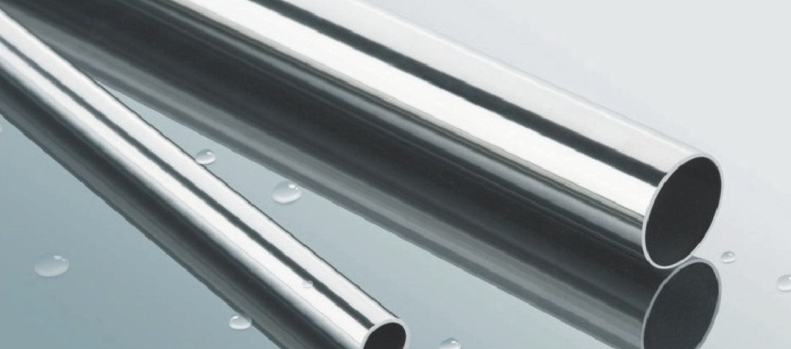
ERW Welded Pipe (Black Pipe and Hot-dip Galvanized Steel Pipe)
Negotiable
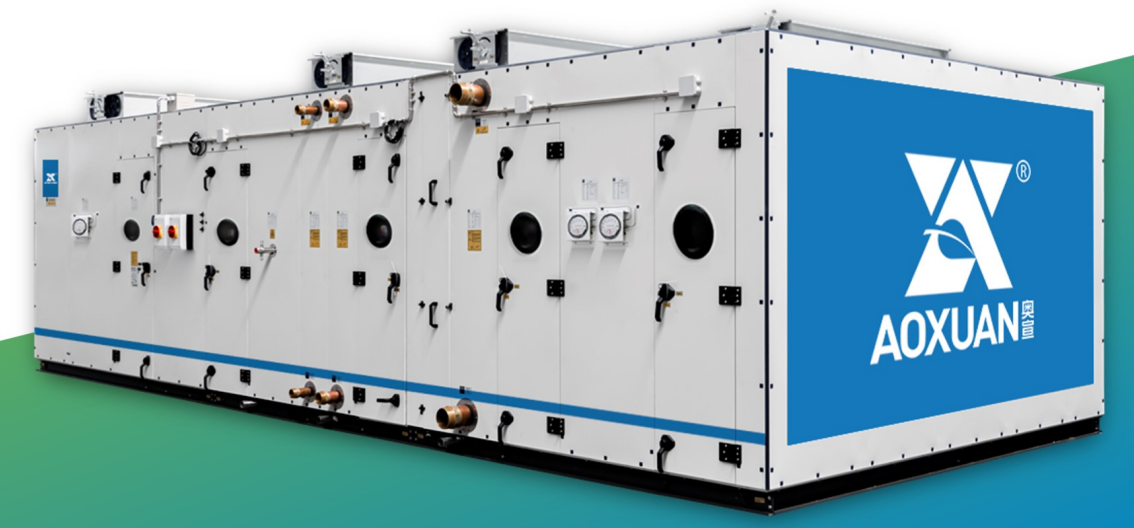
Aoxuan Intelligent Precision Air Conditioning Unit
Negotiable
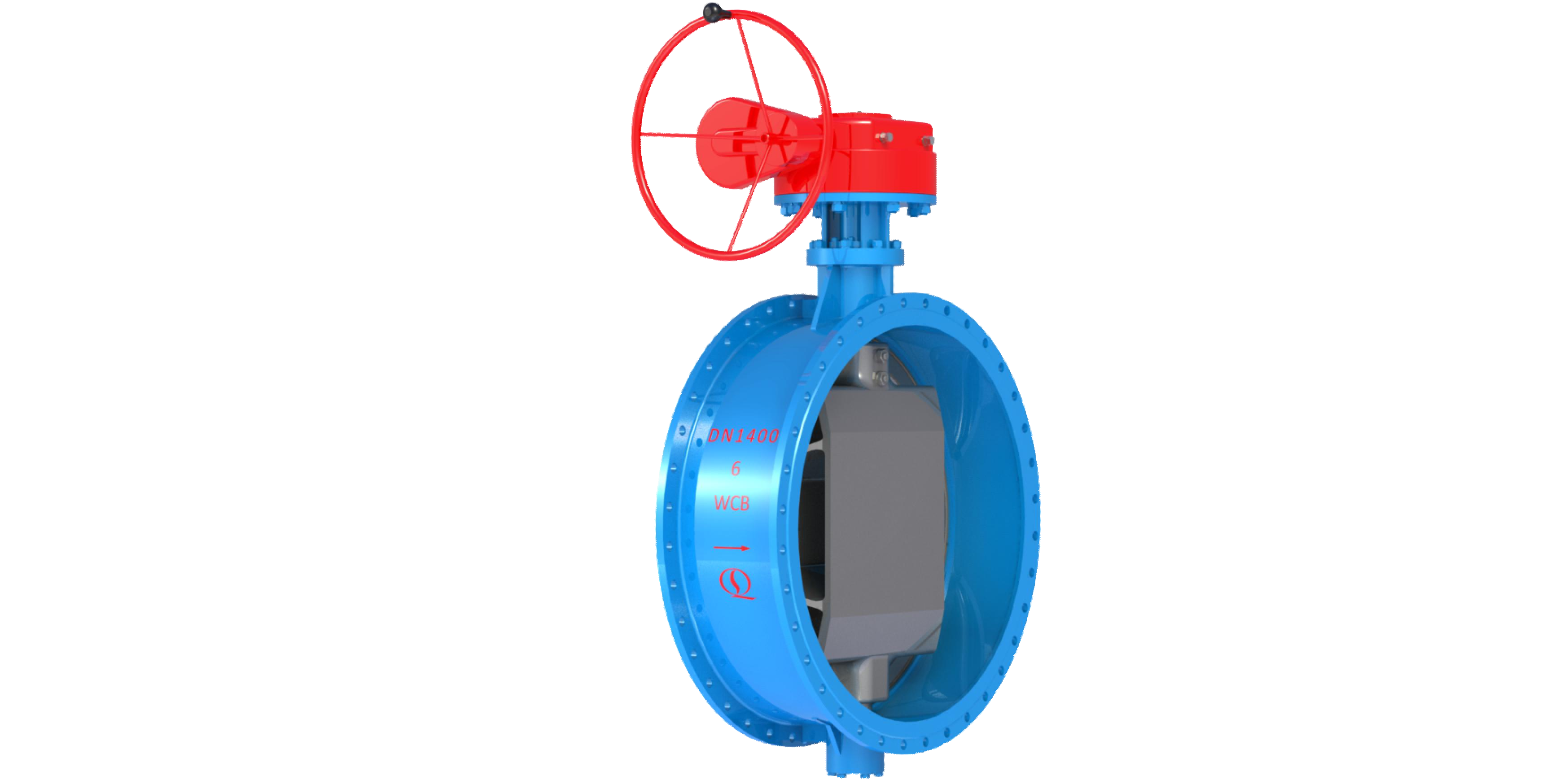
Bidirectional Metal Hard Sealed Seawater Butterfly Valve
Negotiable
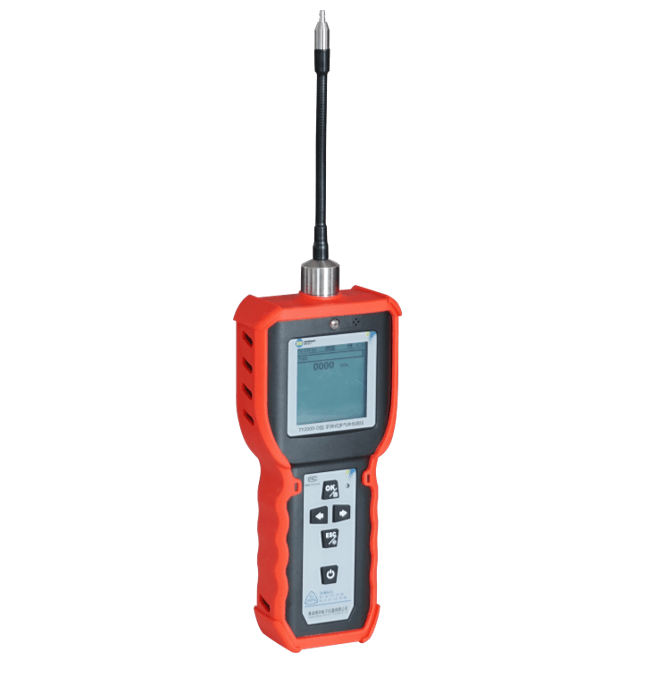
TY2000-D Portable Multi-Gas Detector
Negotiable
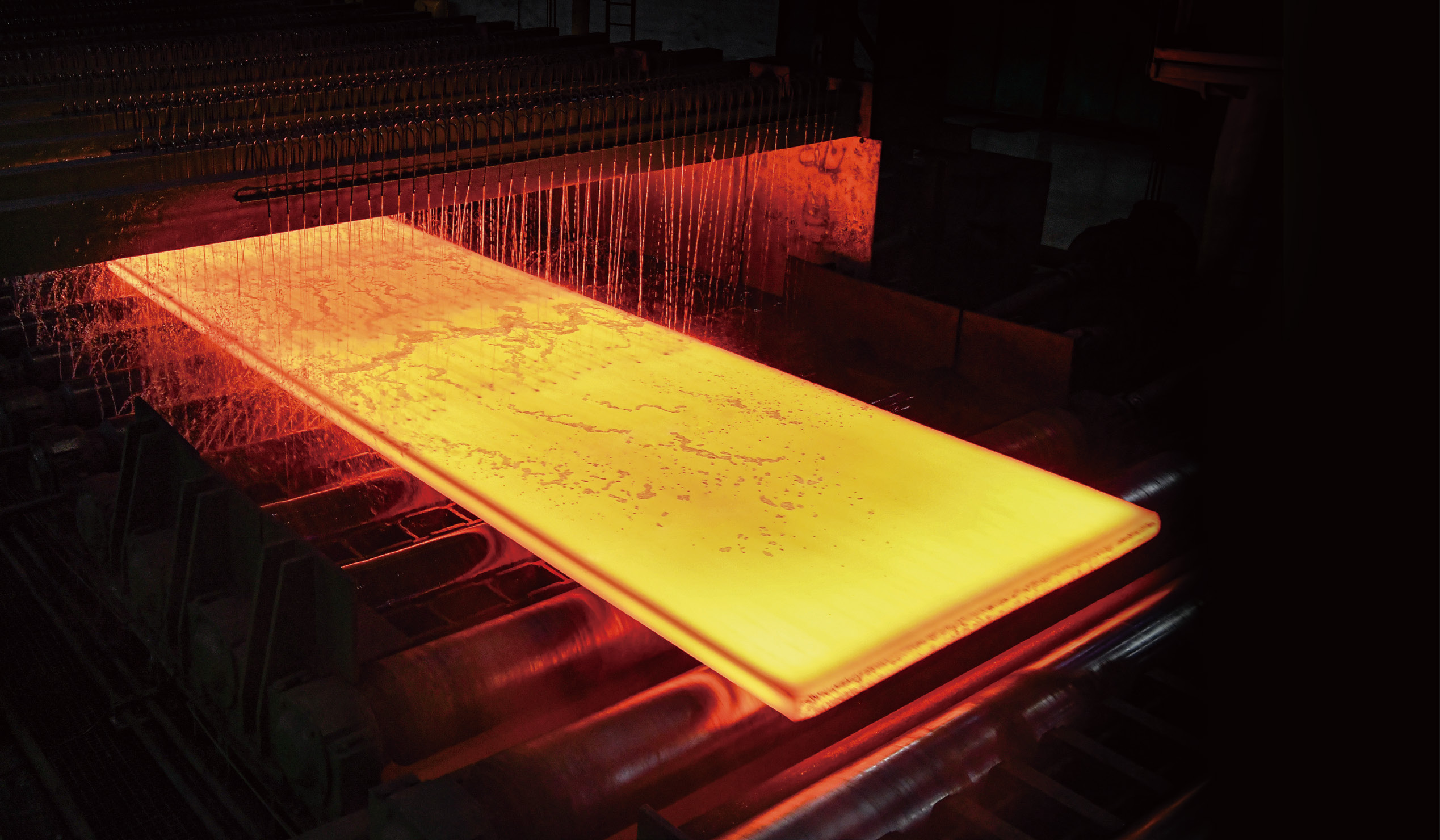
Wide and Heavy Plate
Negotiable

Bus Facial Payment All-in-One Machine
Negotiable
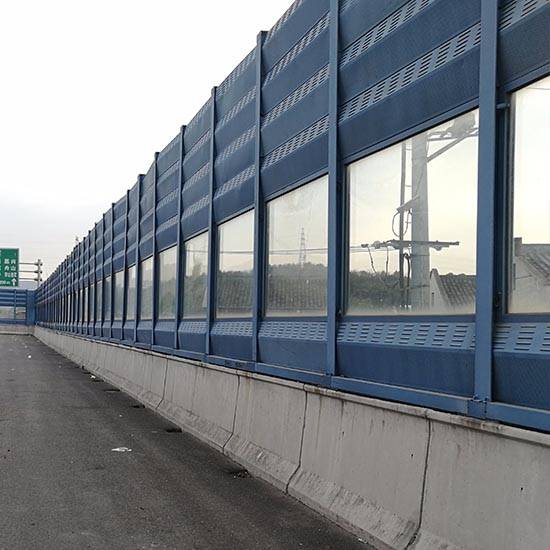
Metal sound barriers that can reduce the transmission of road noise
Negotiable /Square meters
Ultra-Pure Ferrite Stainless Steel Products
Negotiable
Section Steel
Negotiable
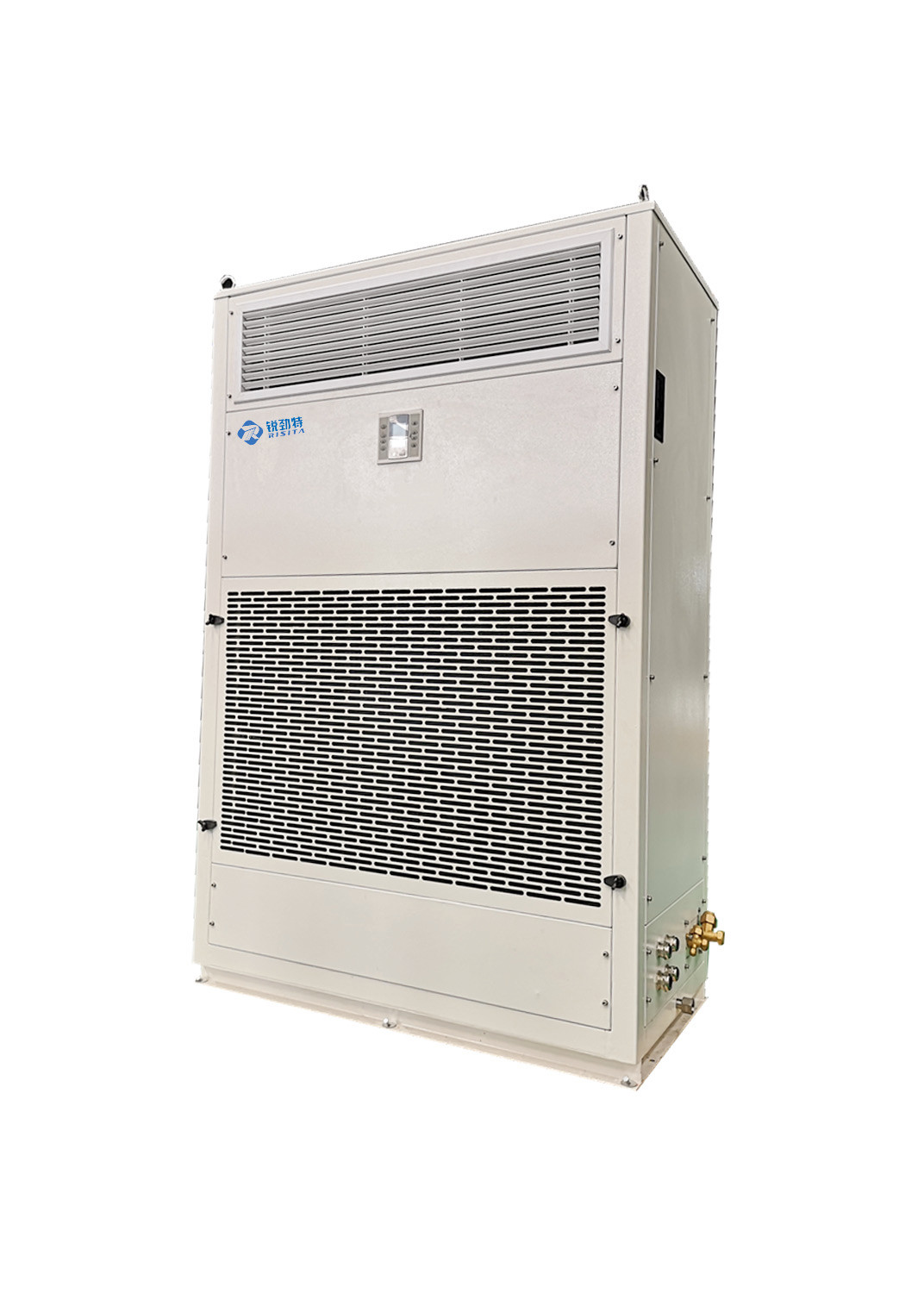
RISITA explosion-proof air conditioning
Negotiable
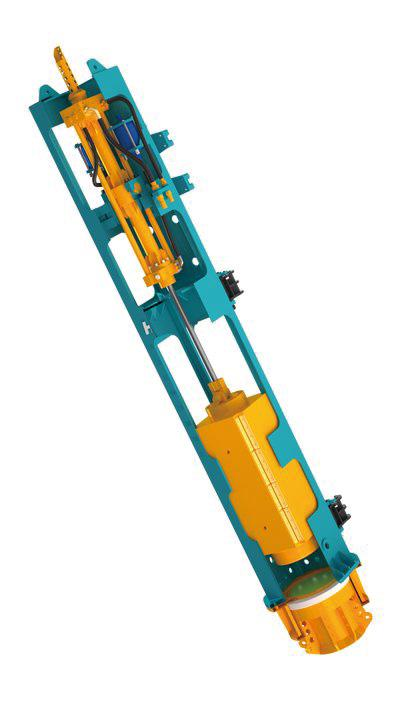
Hydraulic Pile Hammer Series
Negotiable
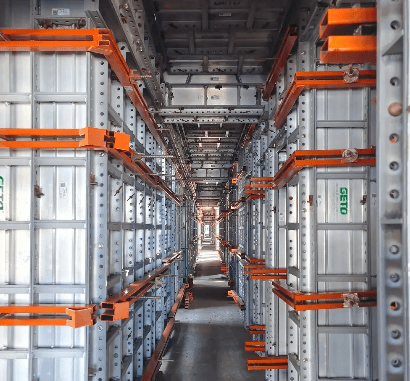
Aluminum Formwork System
Negotiable