
| Notice Type | Tender Announcement |
|---|---|
| Notice Number | 129619880 |
| Description |
Tender Name: Reconstruction of a building for 11 dwellings and 10 garages at Calle Leones, 7, Lorca Project Description: Comprehensive reconstruction of the building located at Calle Leones, 7, Lorca, transforming it into 11 dwellings and 10 garages. The works encompass all aspects of construction including structure, masonry, finishes, and equipment installation. Demolition and Site Preparation Current Condition Assessment: Conduct a comprehensive structural safety assessment of the existing building to identify structural elements that can be retained and parts that must be demolished. Based on the experience of post-earthquake reconstruction in Lorca, many buildings require complete demolition and reconstruction, although some facade elements of historical value may be preserved. Demolition Works: Employ phased, low-impact demolition techniques to minimize impact on the surrounding community. Demolition waste must be sorted and processed; recyclable materials such as concrete, masonry, and metal should be sent to specialized recycling facilities. Site Clearance and Leveling: After demolition, conduct site clearance, remove all waste, and investigate underground areas to ensure no special circumstances such as unexploded ordnance or archaeological remains. Geotechnical Investigation: Conduct detailed geotechnical investigation to determine parameters such as soil bearing capacity and groundwater level, providing a scientific basis for foundation design. Requirements for foundation treatment have become stricter after the Lorca earthquake. Foundation and Structural Works Foundation Design: Based on geotechnical investigation results, use reinforced concrete isolated footings or raft foundations. Considering seismic requirements, isolation layers or energy dissipation devices may be installed between the foundation and the superstructure. Structural System: Use reinforced concrete frame structure or shear wall structure to ensure overall stiffness and seismic performance. Based on the experience of the San Mateo residential project in Lorca, reconstruction projects often need to maintain the original structural system to protect property rights. Seismic Design: Strictly adhere to the current Spanish seismic design code (NCSE-02), employ ductile joint design to ensure the structure has good energy dissipation capacity under seismic action. Energy dissipation devices such as buckling-restrained braces or viscous dampers may be installed. Material Requirements: Concrete: Use concrete of strength class C30/37 or higher; sulfate-resistant cement may be required for foundation parts. Reinforcement Steel: Use B500SD grade high yield strength steel reinforcement with good ductility and weldability. Masonry Structure: Internal partition walls can use hollow clay bricks or concrete blocks, with thickness determined based on sound insulation and fire resistance requirements. Floor System: Use cast-in-place reinforced concrete slabs or precast prestressed hollow core slabs to ensure floor flatness and load-bearing capacity. Waterproofing treatment is required for wet areas such as bathrooms and kitchens. Architectural Design General Layout: Dwelling Units: 11 dwellings distributed across multiple floors; unit types may include 1-3 bedrooms to meet different family needs. Garages: 10 garages located in the basement or ground floor; each parking space dimensions not less than 2.5m x 5m, with aisle width meeting vehicle turning radius requirements. Common Areas: Provide entrance lobby, staircase, elevator lobby, and other common areas, meeting accessibility design requirements. Building Exterior: Facade Design: Integrate Lorca's traditional architectural style, using locally common warm-toned paint or facing bricks. Characteristic elements of the original building, such as wrought-iron balconies, wooden shutters, may be preserved or restored. Roof Form: Use flat roof or pitched roof; flat roofs can be used as common terraces, pitched roofs require proper waterproofing and insulation treatment. Building Energy Efficiency: Building Envelope Insulation: External walls use external insulation systems; insulation material can be rock wool or extruded polystyrene board, with thickness meeting Spanish CTE (Building Technical Code) requirements. Roof Insulation: Flat roofs use inverted roof insulation system with insulation layer placed above the waterproofing layer, topped with a protective layer or green roof; pitched roofs install insulation material on the roof deck with plasterboard ceiling suspended below. Window and Door Systems: Use thermally broken aluminum alloy window frames with double-glazed Low-E glass; overall window thermal transmittance (U-value) ≤ 2.0 W/(m²·K). External windows equipped with adjustable shutters or roller blinds to control solar heat gain. Interior Finishes and Equipment Installation Flooring Works: Common Areas: Use anti-slip ceramic tiles or natural stone, wear-resistant and easy to clean. Residential Interiors: Living rooms and bedrooms can use engineered wood flooring or ceramic tiles; kitchens and bathrooms use anti-slip ceramic tiles. Garage Floor: Use concrete sealant hardened floor or epoxy floor, wear-resistant, dust-free, and easy to clean. Wall Finishes: Interior Walls: Latex paint finish; bathroom and kitchen walls tiled to ceiling height. Baseboard: Match flooring material, height 8-10 cm. Ceiling Works: Suspended Ceiling: Bathrooms and kitchens use moisture-resistant plasterboard ceiling; other areas may require partial suspended ceilings to conceal services as per design. Finish: Latex paint finish, color white or light shades. Door and Window Works: Entrance Door: Use fire-rated and anti-burglary door, equipped with multi-point lock and peephole. Interior Doors: Engineered wood door or molded door, with hardware. Garage Door: Use electric roller shutter door or remote-controlled sectional door, equipped with safety sensors. Bathroom Works: Sanitary Ware: Install toilet, washbasin, shower head or bathtub; brands meeting mid-range standards. Hardware: Install towel rail, toilet paper holder, shower faucet, etc. Waterproofing: Apply waterproofing membrane on floor and walls; floor membrane lapped up walls to 30 cm; wall membrane in shower area not less than 2 meters high. Conduct 24-hour watertightness test. Kitchen Works: Cabinetry: Install upper and lower cabinets; cabinet body using moisture-resistant board, countertop using quartz or artificial stone. Sink and Faucet: Install stainless steel sink and pull-out faucet. Ventilation: Install range hood and exhaust duct, vented to outside. MEP System Installation Plumbing and Drainage System: Water Supply: Use PPR pipes, individual water meter per unit. Hot water system can be centralized or individual; if individual, install storage electric water heater or gas water heater per unit. Drainage: Use UPVC pipes, install traps to prevent odors. Outdoor rainwater discharged to municipal stormwater network. Garage Drainage: Install trench drain at garage ramp entrance, floor sump and drainage pump. Electrical System: Power Distribution: Install individual distribution board per unit, main switch with earth leakage protection. Internal wiring using copper conductors in concealed conduits. Lighting: Common areas use LED energy-saving luminaires, with motion/light sensors; residential units pre-wired for lighting points and switch/socket outlets. Low-voltage Systems: Pre-wire TV, telephone, and network outlets per unit. Install surveillance cameras in garage. HVAC System: Heating: Based on Lorca's climate, may use split-type air conditioners (heating/cooling) or gas wall-mounted boilers with radiators/underfloor heating. If underfloor heating is used, install insulation layer and piping loops. Ventilation: Install exhaust fans in bathrooms, range hoods in kitchens to ensure indoor air quality. Install mechanical ventilation system in underground garage, equipped with carbon monoxide detection and automatic control. Fire Protection System: Common Areas: Install fire hydrants, fire extinguishers, emergency lighting, and evacuation signage. Garage: Install automatic sprinkler system or fire monitor, equipped with fire alarm detectors. Residential Interiors: Install independent smoke detector per unit. Elevator System: Elevator Configuration: Based on building height and number of units, provide not less than 1 accessible elevator. Technical Parameters: Load capacity not less than 630 kg, speed not less than 1.0 m/s, main landing at ground floor. Finishes: Car cabin using brushed stainless steel or painted steel plate, equipped with handrail, mirror, and handicapped control panel. Exterior and Common Area Works Garage: Parking Spaces: 10 spaces, dimensions meeting standard requirements, aisle width meeting turning radius. Charging Facilities: Pre-wire conduits for electric vehicle charging points. Management: Install license plate recognition system or card access control. Walkways and Entrances: Accessible Ramps: All entrances to have accessible ramps, slope not exceeding 1:12, with handrails on both sides. Steps: Use anti-slip stone or brick, with lighting fixtures. Landscaping and Greenery: Planting: Plant local adaptive species such as olive trees, citrus trees, lavender, etc. Paving: Use permeable pavers or concrete paving to reduce surface runoff. Fencing and Gates: Boundary Wall: Use wrought-iron fencing or solid wall, height meeting security requirements. Gates: Provide pedestrian gate and vehicular gate, operable by remote or card access. Quality Control and Acceptance Standards Process Control: Material Inspection: All incoming materials must have certificates of conformity and be sampled and tested as per specifications. Concealed Works Acceptance: Concealed works such as foundations, reinforcement, waterproofing, and services must be inspected and accepted by the supervisor before being covered. Sectional Acceptance: Carry out acceptance for sections such as foundation and substructure, main structure, and finishing works according to construction progress. Acceptance Standards: Structural Acceptance: Concrete strength, reinforcement cover thickness, structural dimensions, etc., must comply with design requirements. Energy Efficiency Acceptance: Insulation layer thickness, thermal performance, etc., must comply with design requirements. Final Acceptance: Final acceptance to be conducted according to Spanish CTE code and relevant regulations. Defects Liability Period: Duration: Typically 2 years (for finishing works) to 5 years (for structural works). Warranty Scope: Contractor is responsible for repairing defects such as structural cracks, leaks, and material detachment that occur. Seismic Performance: Following the 2011 Lorca earthquake, there is heightened local attention to building seismic performance. The design must fully consider seismic requirements, potentially using seismic isolation or energy dissipation technologies to ensure building safety in future earthquakes. Existing Building Renovation: If parts of the original structure are retained, proper treatment of connections and interfaces between old and new structures is required. This includes foundation strengthening, joint detailing, material compatibility, etc. Community Integration: The reconstruction project must consider its relationship with the surrounding community, minimizing construction impact on neighbors. During construction, control noise and dust, and arrange work schedules reasonably. Sustainability: In response to Spanish and EU green building policies, the project may require achieving certain green building standards. Encouraged to use environmentally friendly materials, energy-saving technologies, and renewable energy (e.g., photovoltaic systems). Supply Chain Management: Bidders must demonstrate they have a stable, qualified supply chain for raw materials. Considering Lorca's geographical location, a reasonable transportation plan is key to ensuring project progress and cost control. Contract Type: Works Contract (Building Construction) Place of Performance: Spain, Autonomous Community of Murcia, City of Lorca Execution Period: 18 months Bid Submission Method: Manual submission of paper bid documents Bid Opening Time: Administrative bid opening on March 27, 2026, at 12:00 Bid Opening Location: Meeting Room, 4th Floor, Palacio de Villal Escusa Bidder Qualification Requirements: C2-2 - Masonry or concrete structure works (annual turnover exceeding 150,000 euros, and less than or equal to 360,000 euros) C4-2 - Masonry, plastering, and finishing works (annual turnover exceeding 150,000 euros, and less than or equal to 360,000 euros) C6-2 - Pavement, flooring, and tiling works (annual turnover exceeding 150,000 euros, and less than or equal to 360,000 euros) |
| Documents |  Attachment.pdf (89.95 K) Attachment.pdf (89.95 K) |
Expired Tender for Building Reconstruction Project by Sociedad de Gestión de Suelo y Vivienda de Lorca, Spain
| Organization | Consejo de Administración de la Sociedad Suelo y Vivienda de Lorca, S.A. | Country | Spain |
|---|---|---|---|
| Contact | Tel. | View more | |
| View more | Address | Puente La Alberca, edificio La Merced, s/n, 30800 Lorca | |
| Release Date | 2026-02-26 | Validity | 2026-03-23 |
Details
The tender information on this website is provided for reference only. If you intend to bid, please verify the authenticity and accuracy of the information with the tendering party. Our company reserves the right to adjust website content at any time and assumes no direct or indirect liability for it.Email: news@wedoany.com
Related Tenders
Related Products
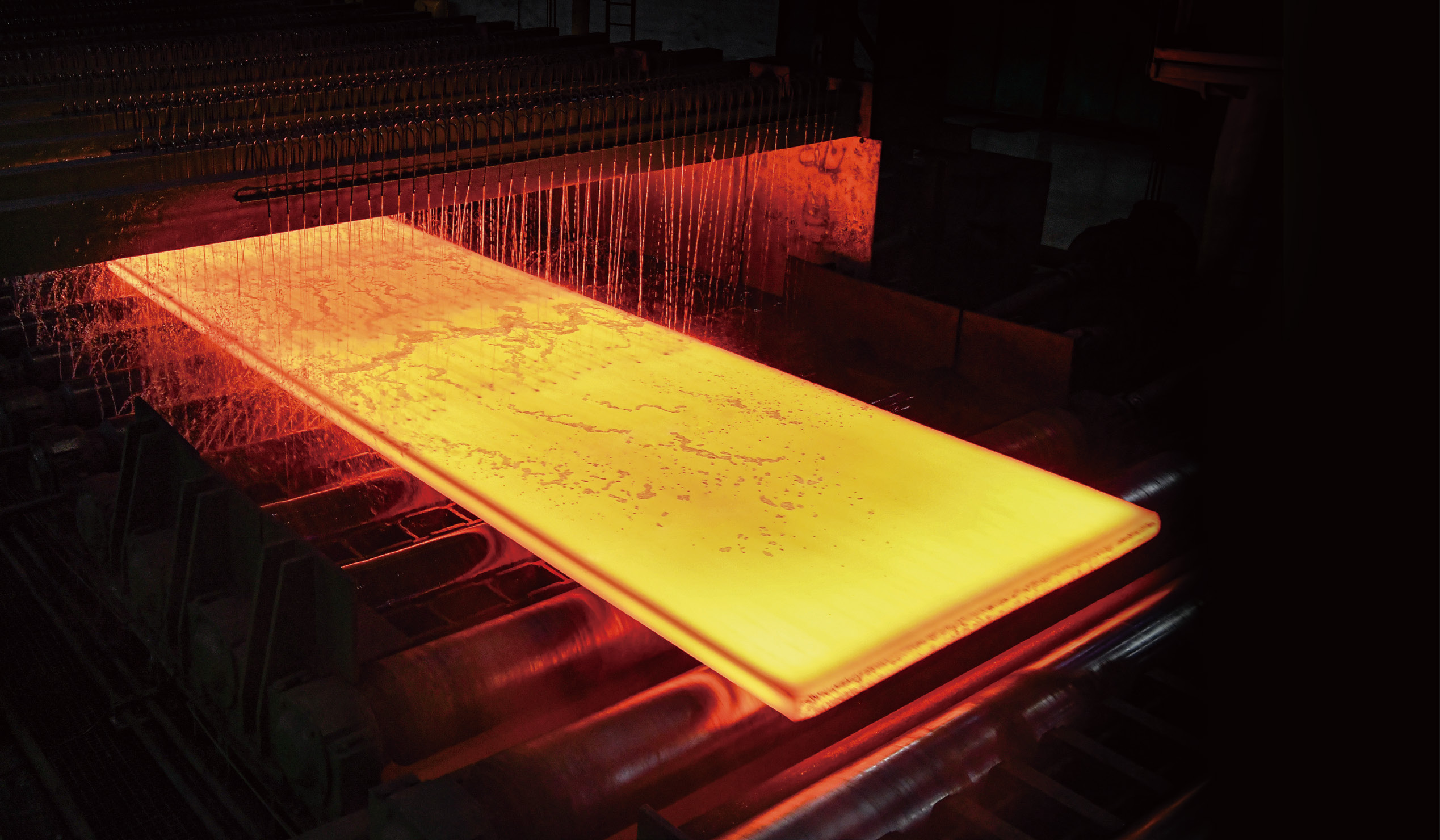
Wide and Heavy Plate
Negotiable
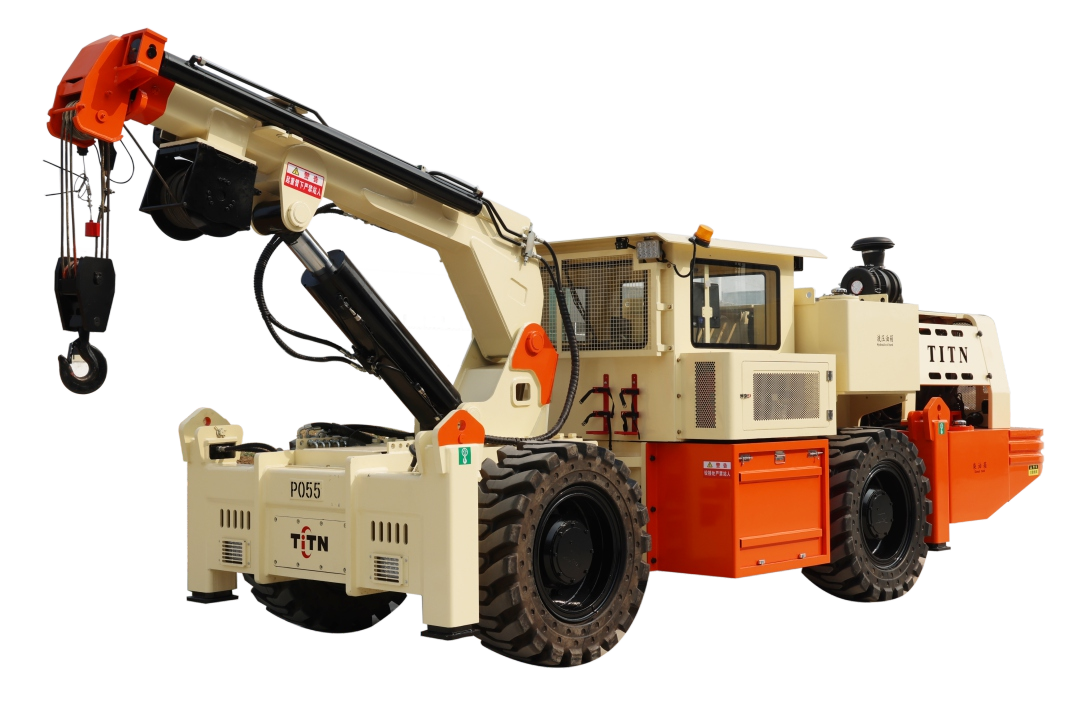
FQ-9000 Underground Crane
Negotiable
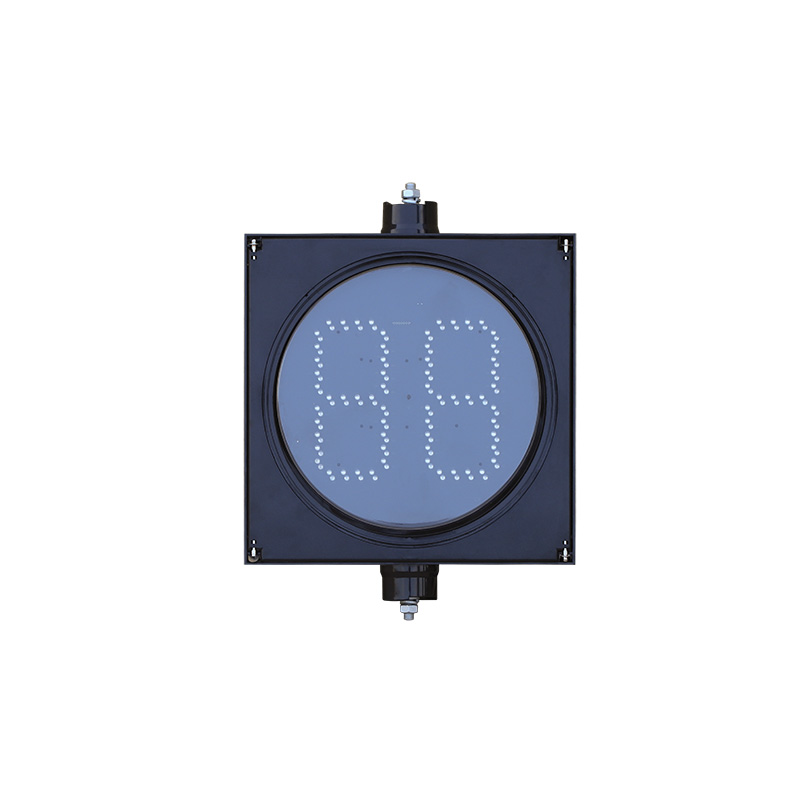
300mm Segment Type Countdown Traffic Light (Core Type)
Negotiable
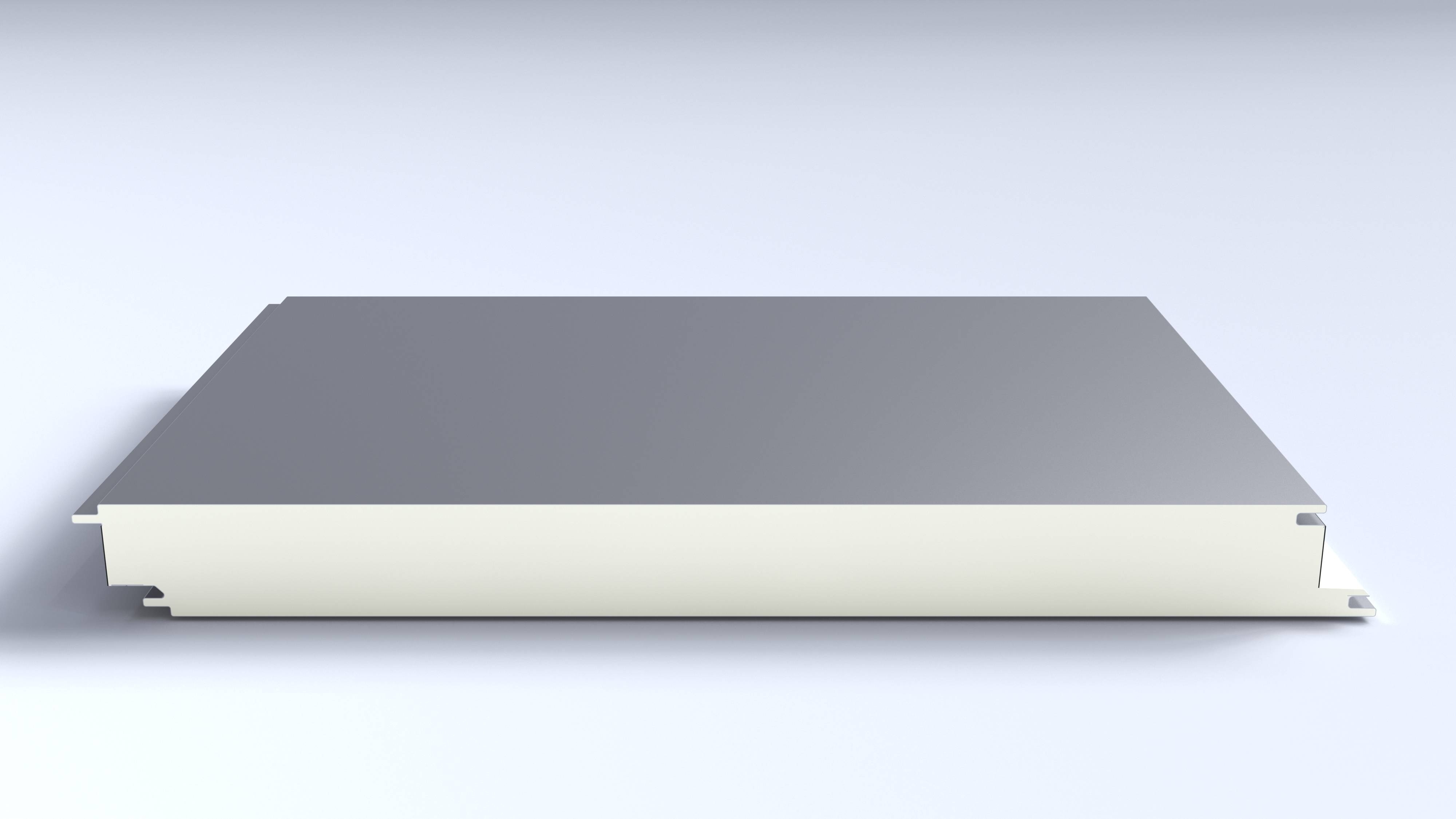
Pure Polyurethane Wall Panel BD-AEF-PIR-01
Negotiable

Bus Facial Payment All-in-One Machine
Negotiable
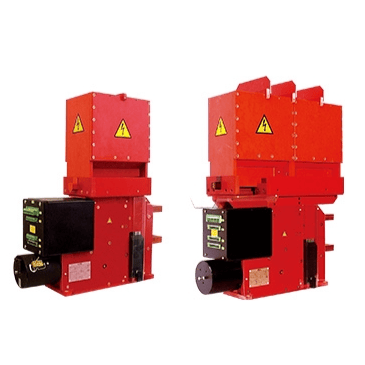
Gerapid DC Circuit Breaker
Negotiable
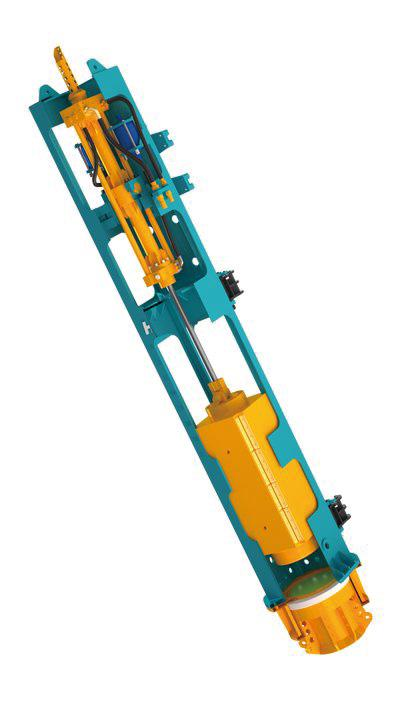
Hydraulic Pile Hammer Series
Negotiable
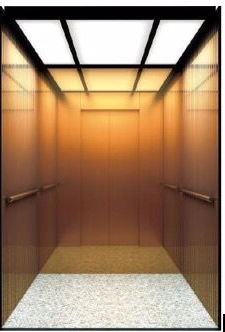
Hotel Elevator
Negotiable
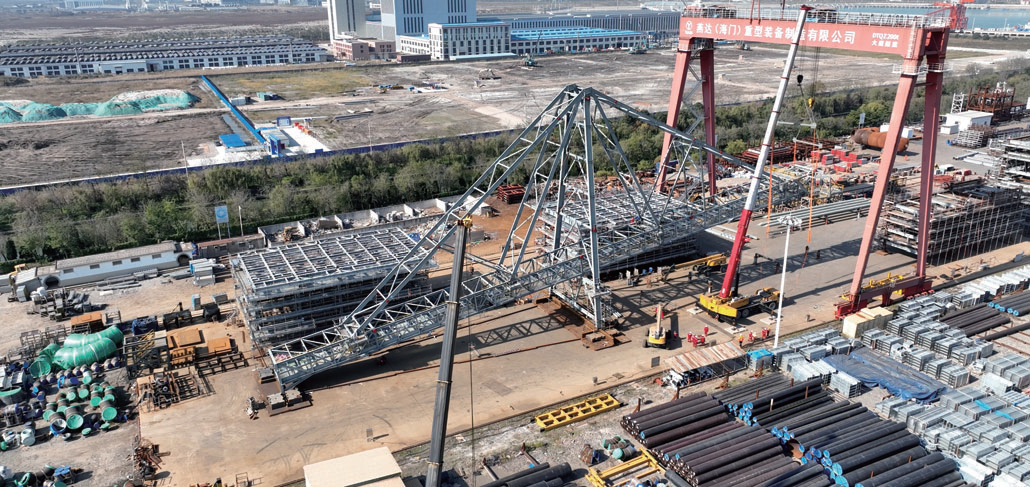
Steel Structures
Negotiable
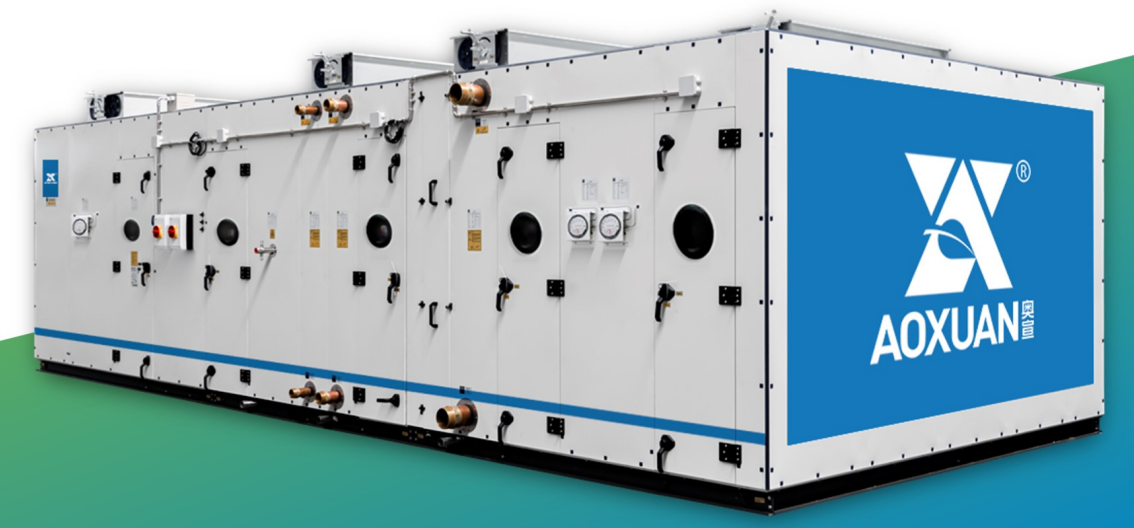
Aoxuan Intelligent Precision Air Conditioning Unit
Negotiable
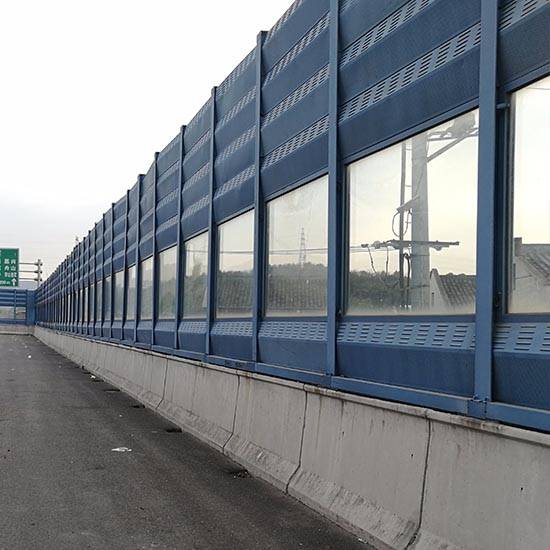
Metal sound barriers that can reduce the transmission of road noise
Negotiable /Square meters
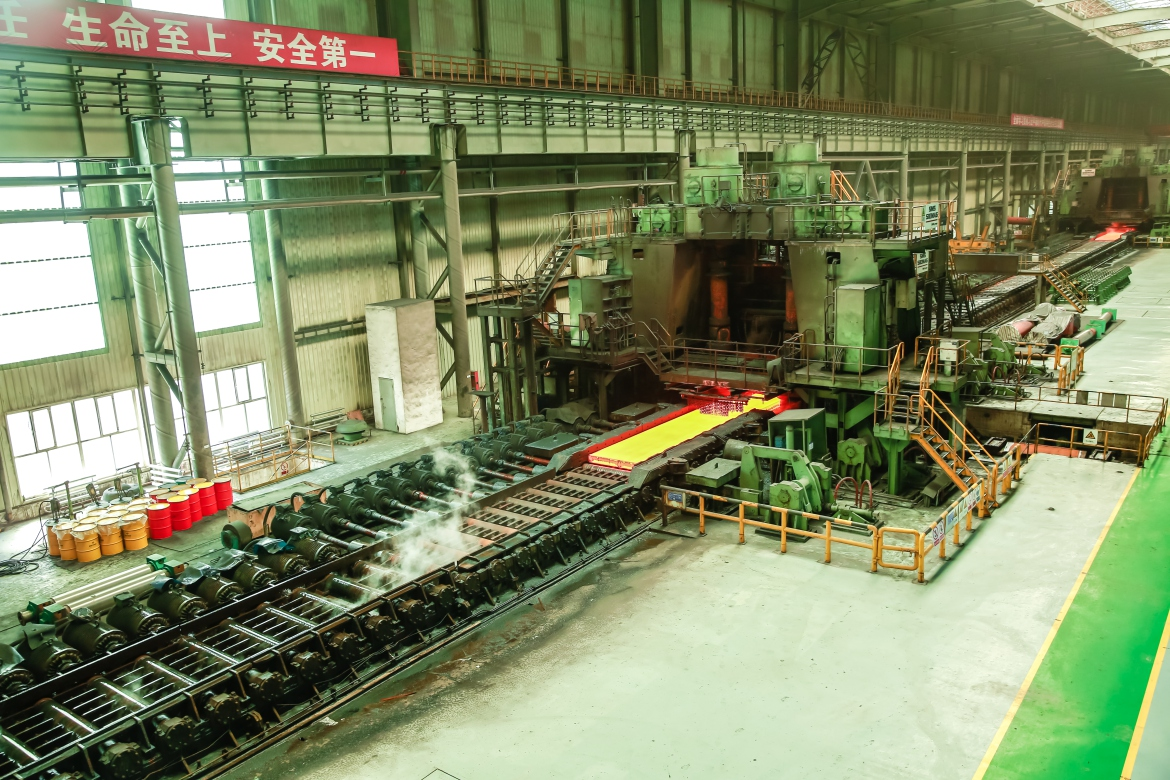
Hot-rolled Products
Negotiable