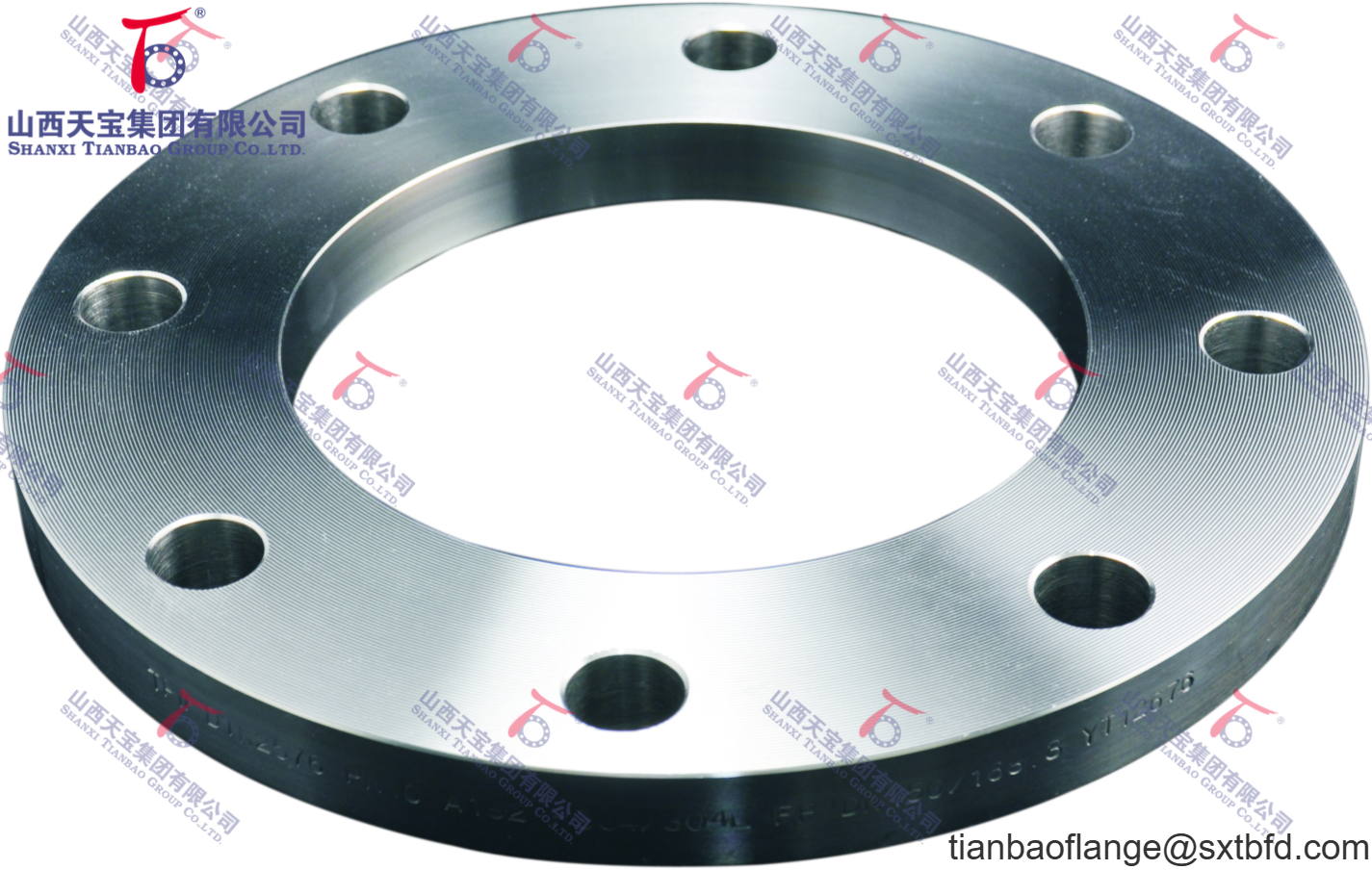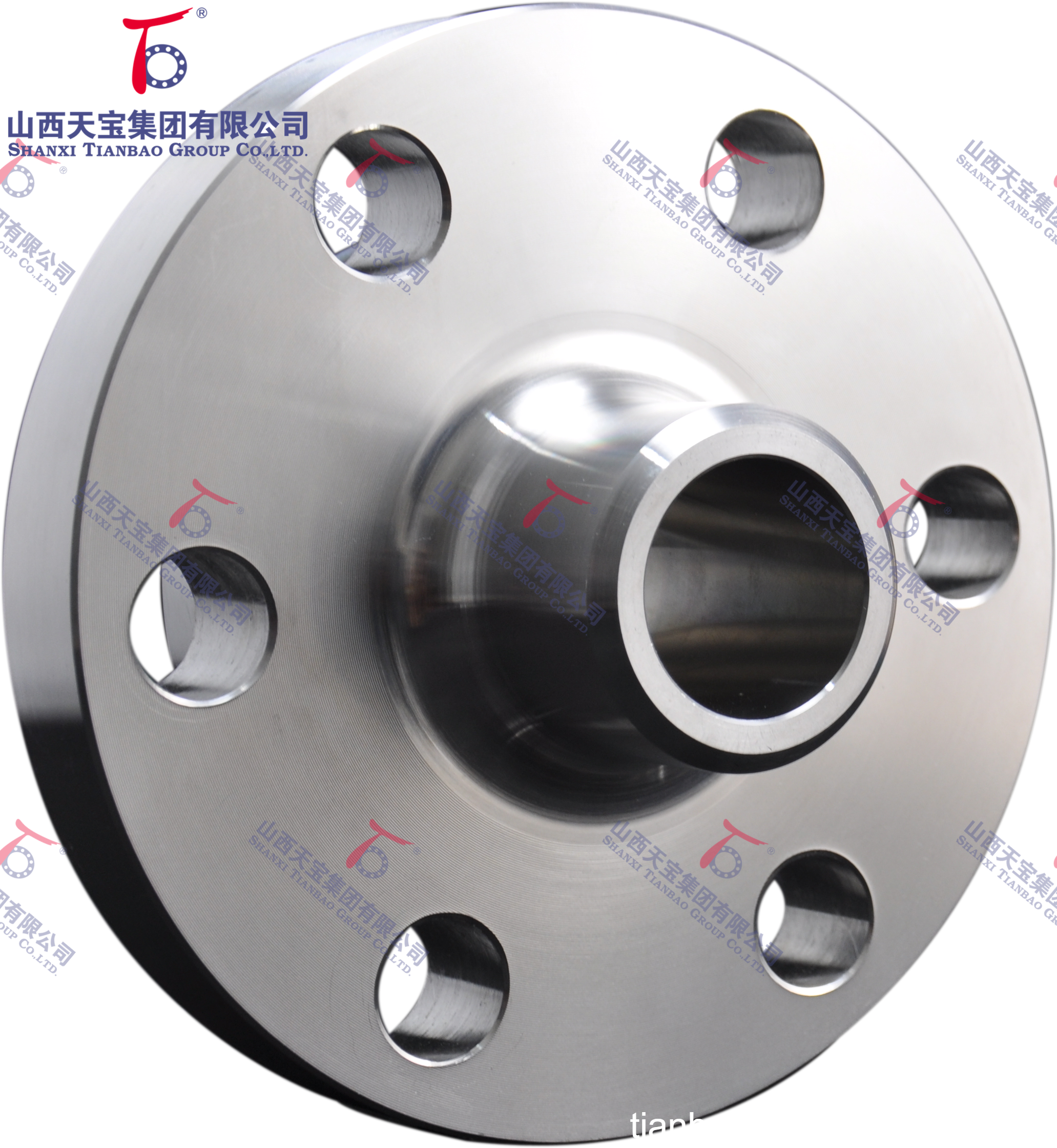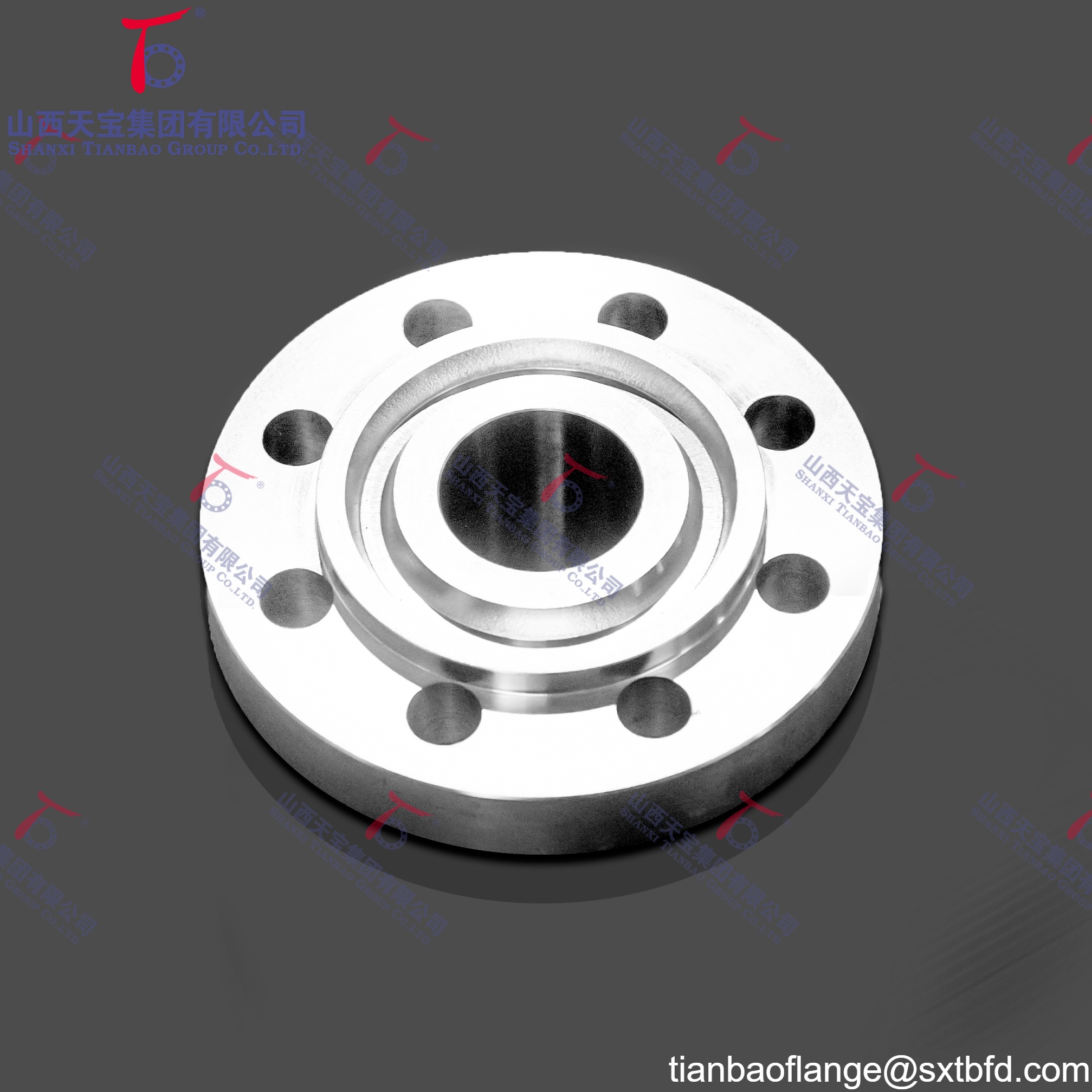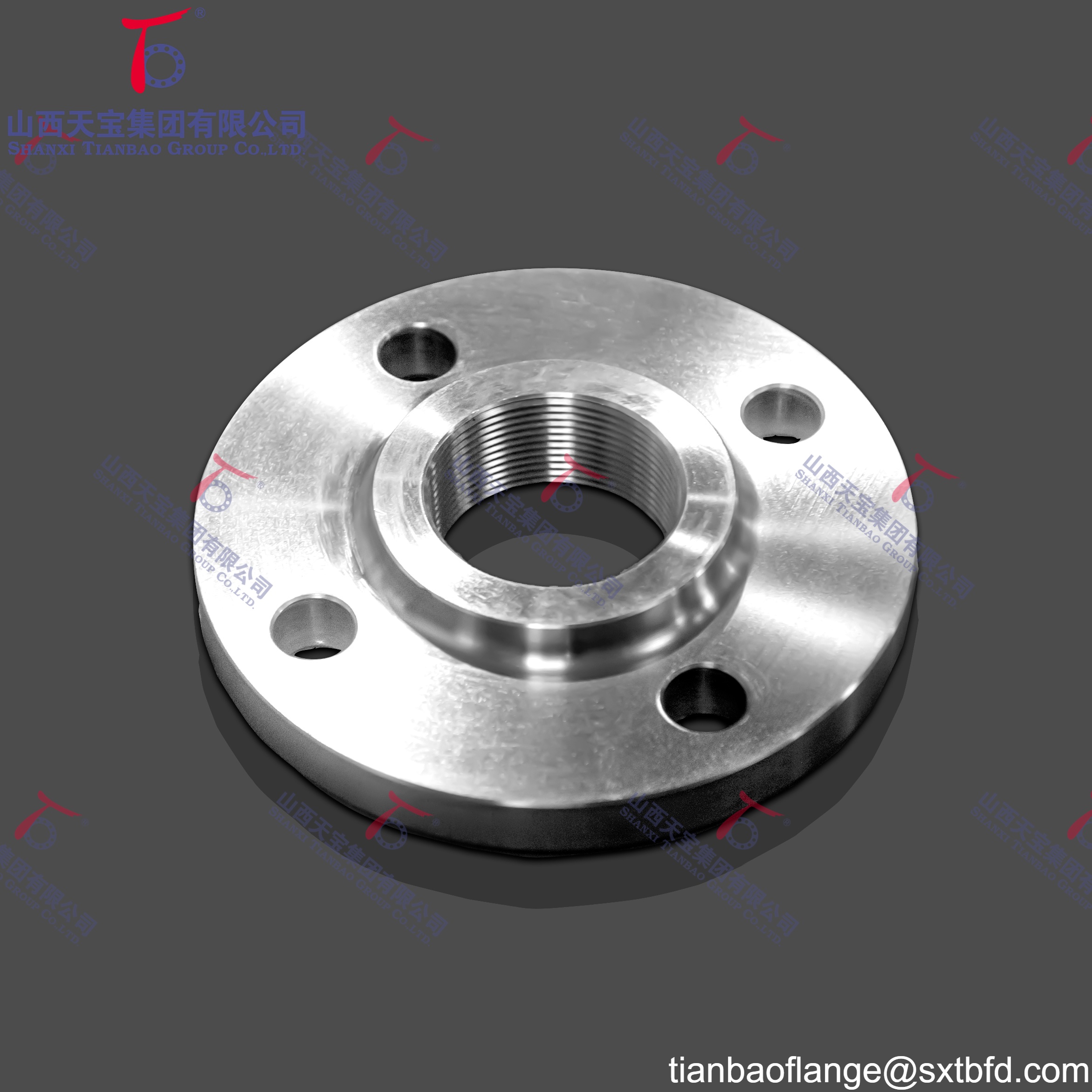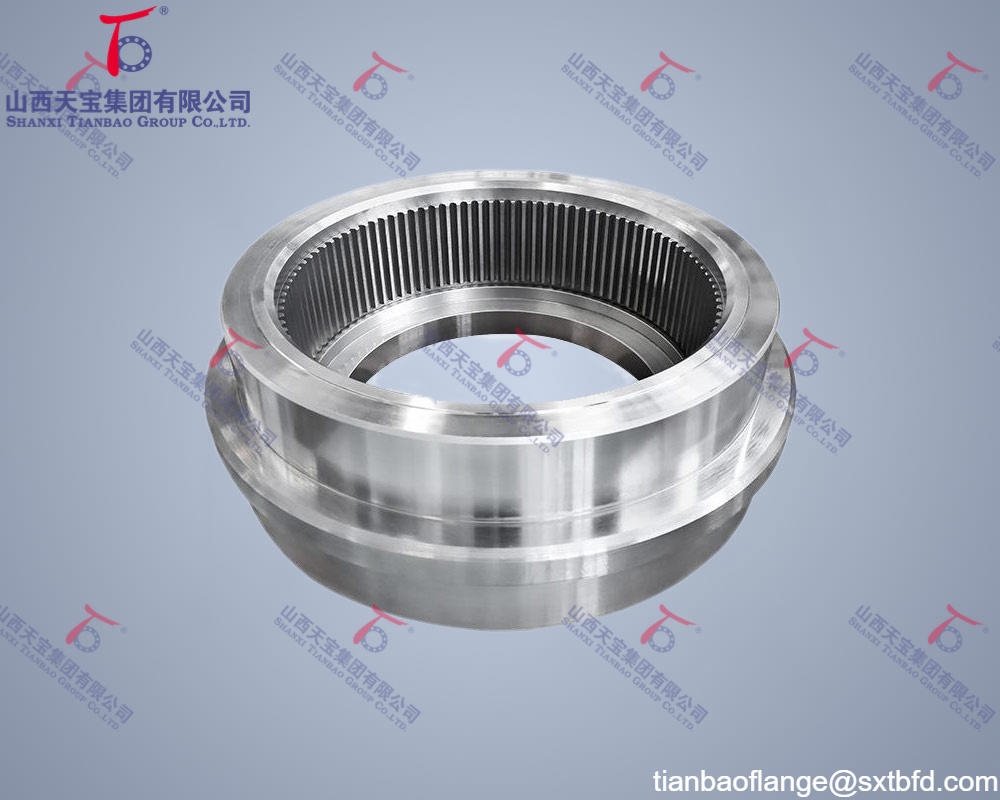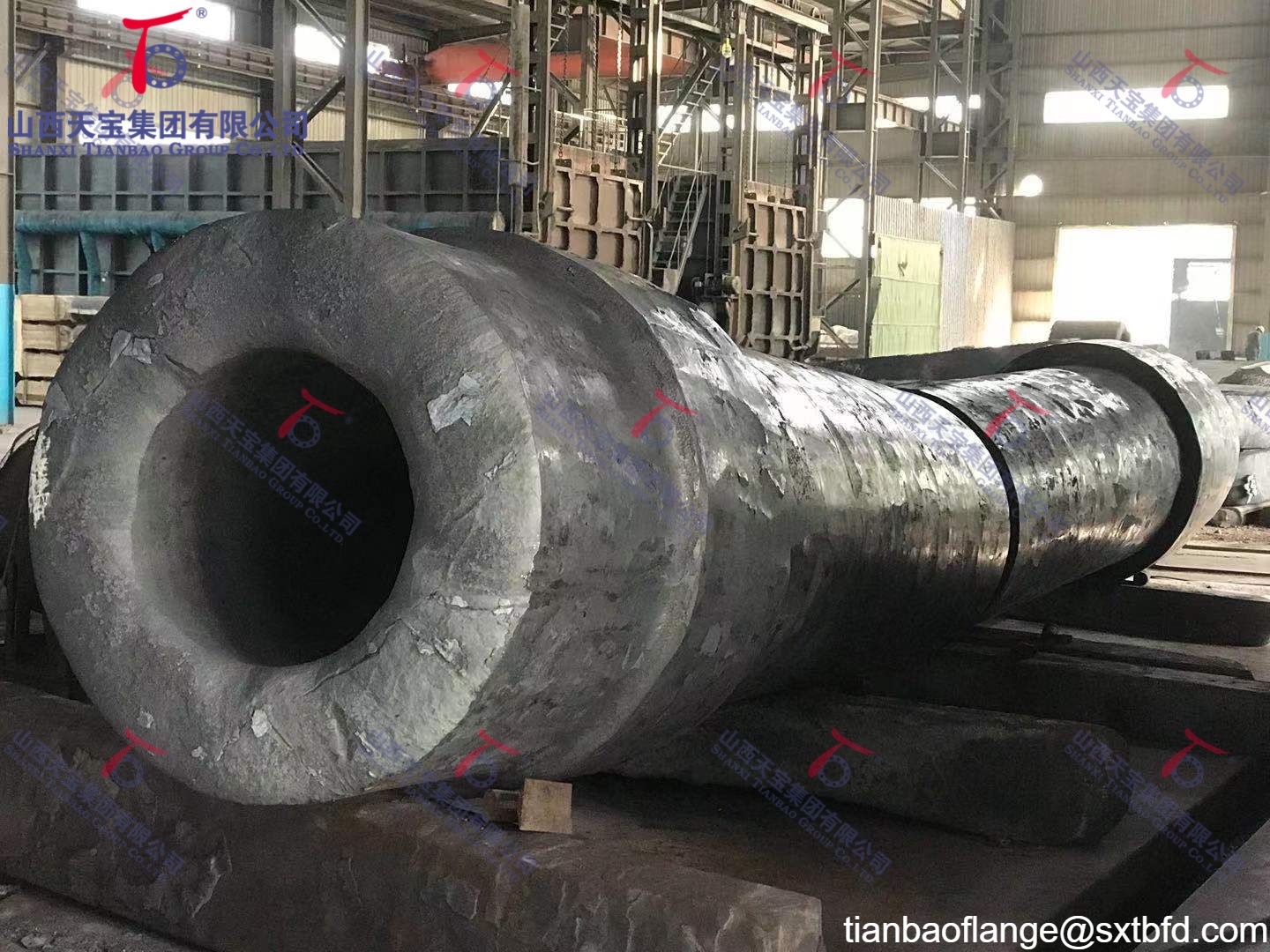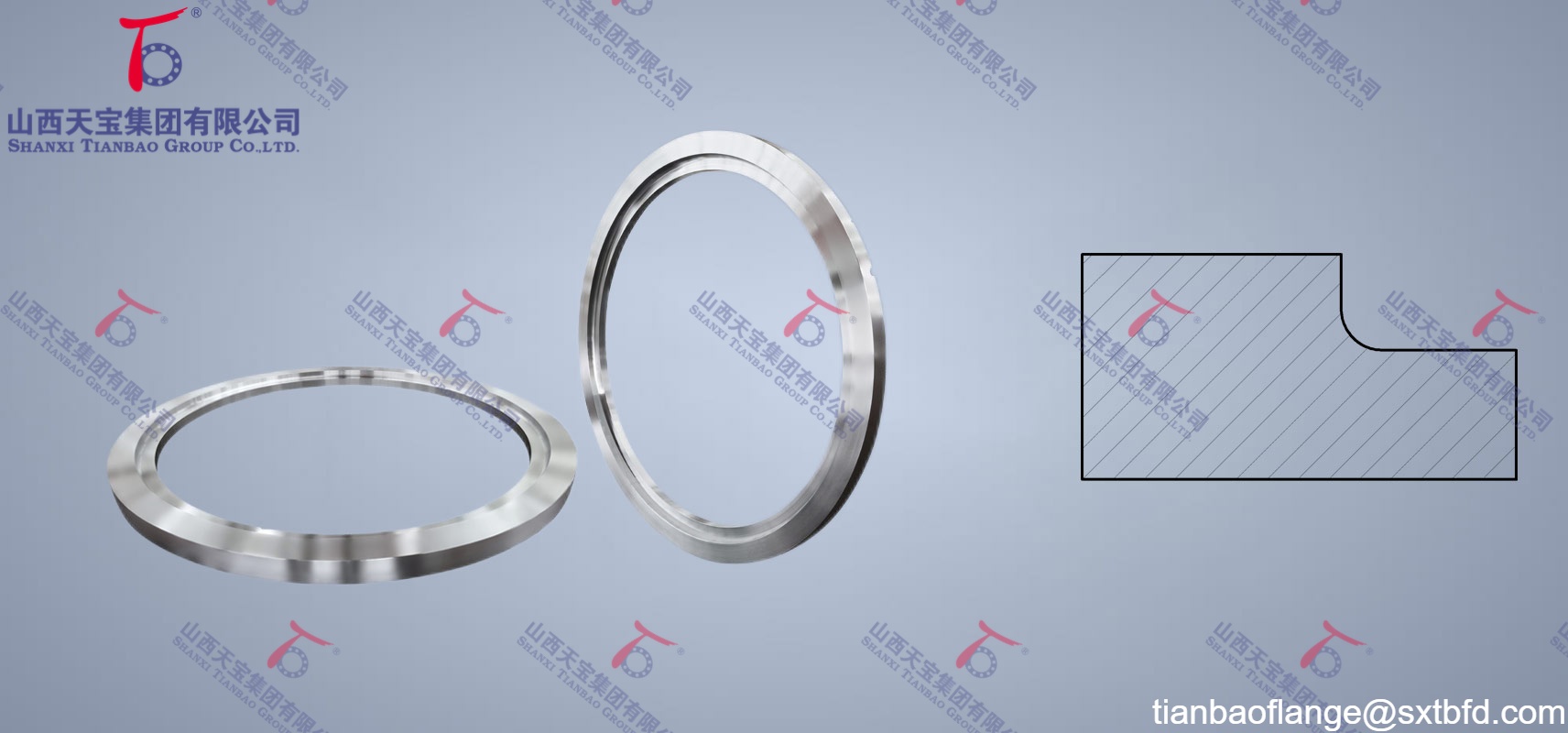


Wind Turbine Bearing Ring is a core component in wind turbines that supports rotational motion. It consists of an inner ring, outer ring, rolling elements, cage, sealing device, and lubrication system. It transmits loads through the rolling contact between the rolling elements and the inner and outer rings, enabling low-friction rotational motion. It is mainly used for yaw bearings and pitch bearings, ensuring the stable operation of wind turbine systems.
Material selection directly affects the lifespan and reliability of the bearing. High-strength alloy steel 42CrMo, after quenching and tempering, achieves a base hardness of 270-320 HB, with high core toughness, making it suitable for yaw bearings. Carburized steel such as 20Cr2Ni4A, with surface carburizing and quenching hardness of 58-62 HRC and core hardness of 35-45 HRC, is used for pitch bearings to resist impact wear. Stainless steel such as G95Cr18 is used in highly corrosive coastal environments.
Wind turbines operate in complex environments, and wind turbine bearing rings must possess high load-bearing capacity and durability. Although nominal pressure is not directly labeled, their load-bearing capacity can be measured by parameters such as the basic dynamic radial load rating (Cr), basic dynamic axial load rating (Ca for yaw bearings, typically ≥2000 kN), and ultimate load (1.5 times safety factor under extreme wind conditions). For low-temperature environments (e.g., below -20°C), materials must pass low-temperature impact tests (impact energy ≥27 J) to ensure pressure stability under extreme low temperatures.
The size of wind turbine bearing rings is positively correlated with the power of the unit.
Small units (≤2 MW): Outer diameter 1.5-3 m, width 100-200 mm;
Medium units (3-6 MW): Outer diameter 3-6 m, width 200-400 mm;
Large units (≥8 MW): Outer diameter can reach 8-12 m, width ≥500 mm, requiring segmented forging and assembly.
Sealing performance directly affects the lifespan and maintenance cycle of the bearing. Common sealing surface types include contact seals (double-lip rubber seals, PTFE-coated seals) and non-contact seals (labyrinth seals, magnetic seals).
Wind turbine bearing rings achieve high reliability in extreme environments through high-strength materials, precision structural design, and multi-layer sealing technology. Their size continues to expand with the trend of larger wind turbines, and their load-bearing capacity must strictly comply with IEC standards and dynamic wind load spectra, serving as a core guarantee for wind turbine systems to achieve a lifespan of over 20 years.