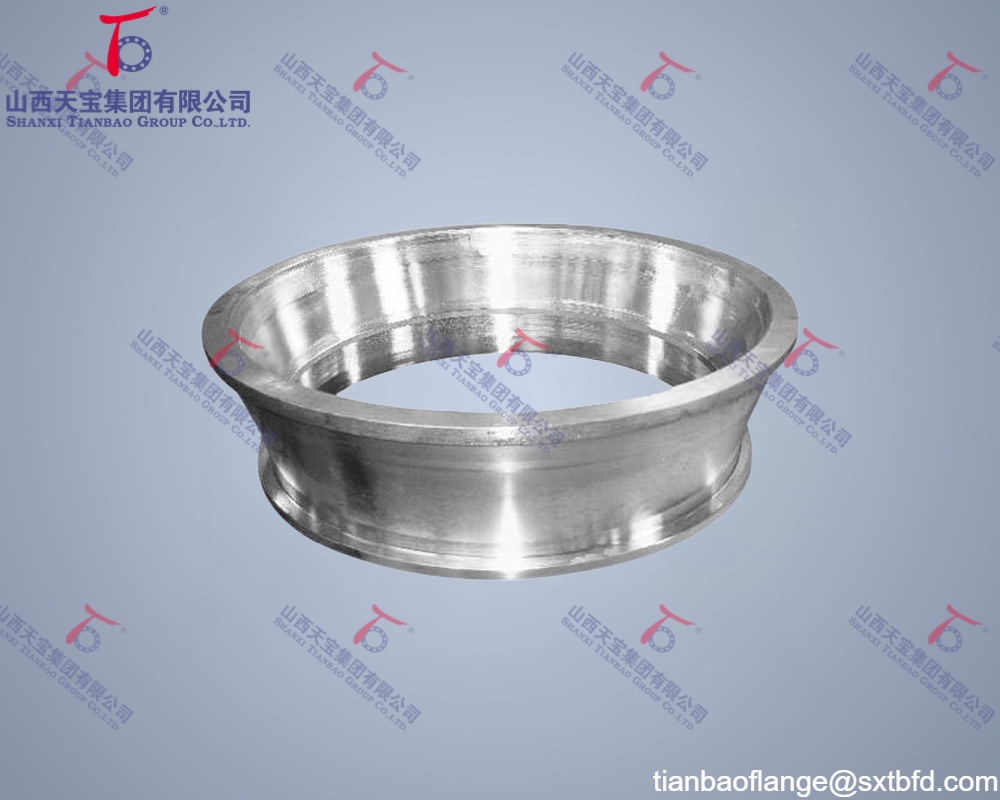



Mining Machinery Forgings
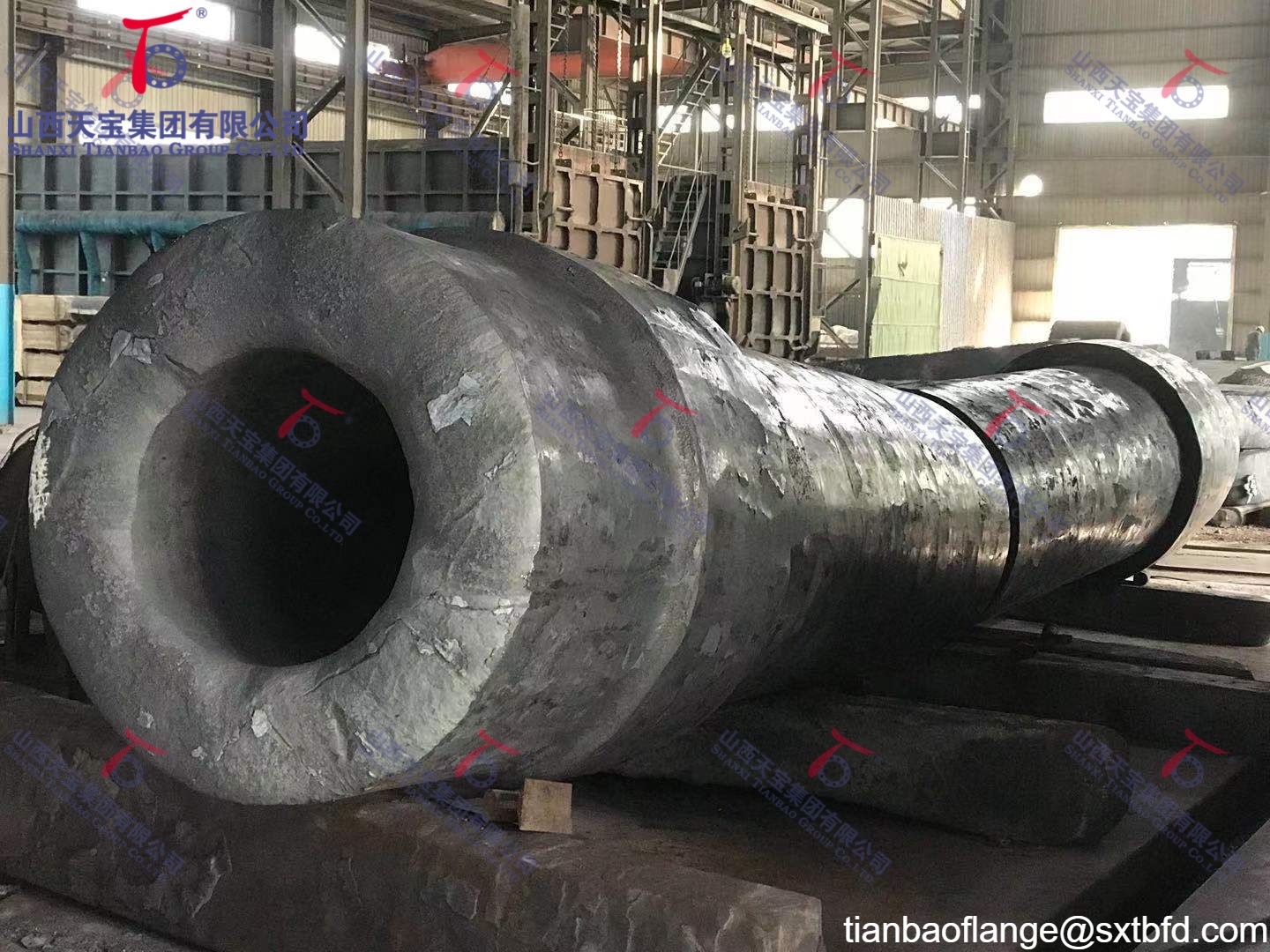
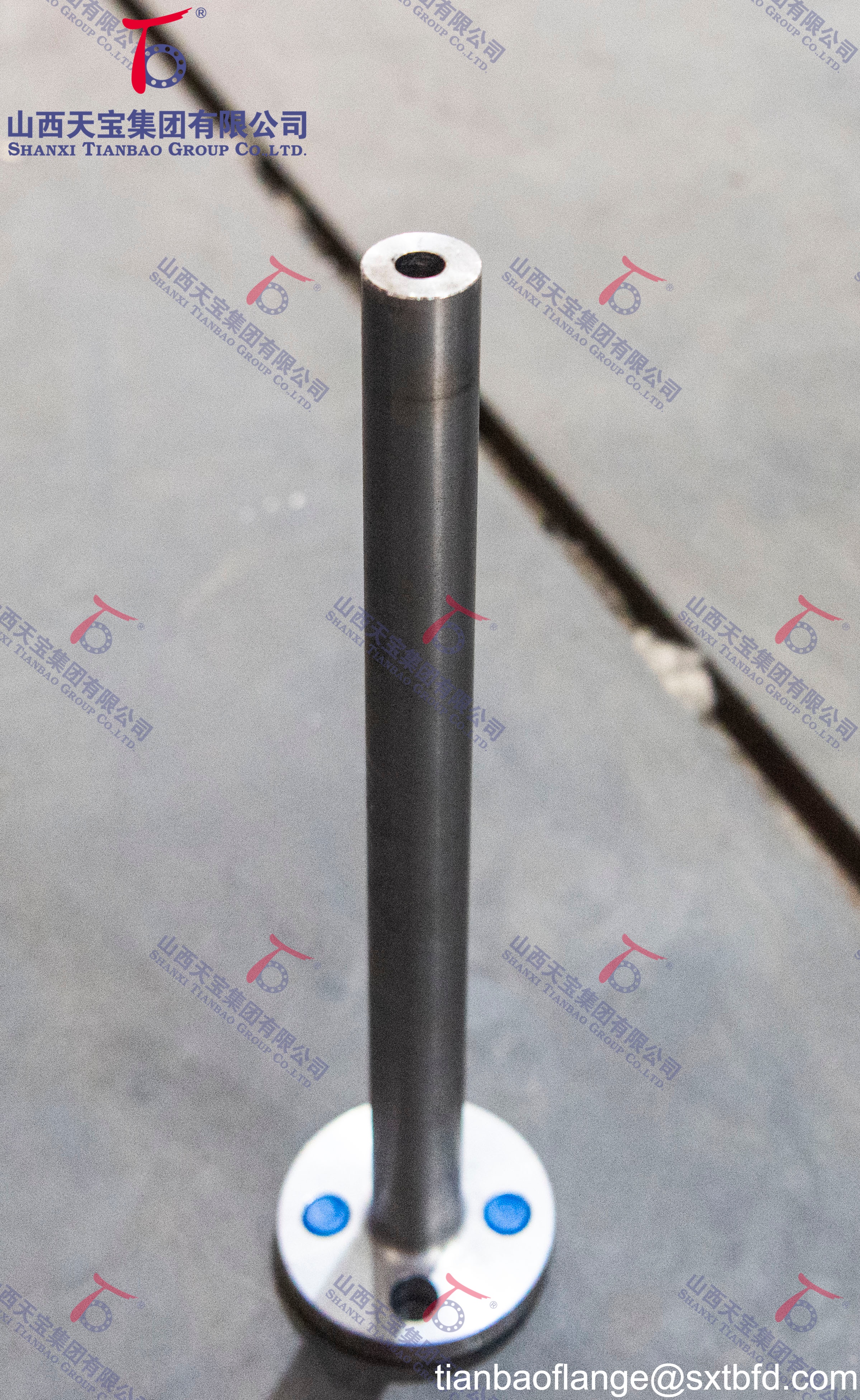
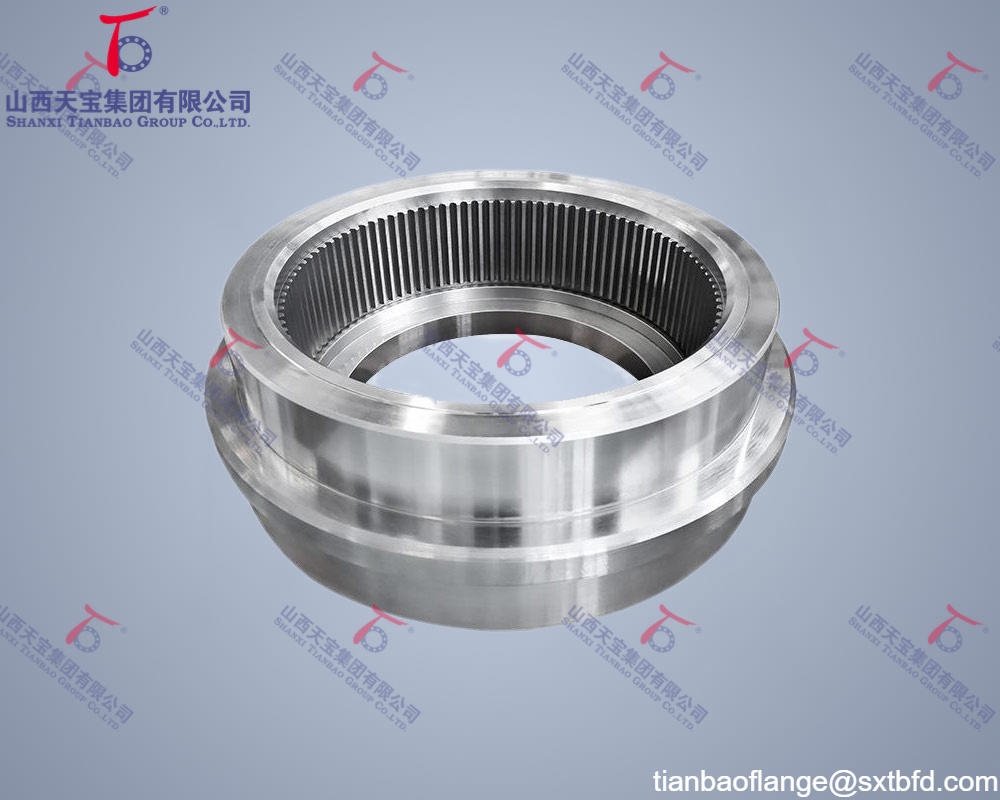
Are key load-bearing and transmission components in mining equipment, widely used in crushers, grinding mills, conveyor equipment, etc. They mainly include shafts, gears, barrels, and supports. Among them, shaft forgings are used to support and transmit rotary torque; gear forgings transfer power through gear meshing, ensuring the proper operation of equipment; barrel forgings serve as the main structure of the equipment, bearing internal material impact and external loads.
High-strength steels are selected, such as carbon steel (Q345B), alloy steel (e.g., 40Cr, 42CrMo), and cast steel (e.g., ZG310-570). These materials possess excellent strength, toughness, and wear resistance, making them suitable for complex working conditions in mining operations. Some forgings also use high-manganese steel (e.g., ZGMn13) for its outstanding impact resistance.
Due to the high loads and impact forces that mining equipment must withstand, the design pressure of the forgings is generally quite high. The pressure range for grinding mills and crushers can reach several MPa to tens of MPa, while large ball mill gears and shaft forgings may endure pressures of 20-50MPa during long-term operation.
The size range is broad and can be customized according to the specifications and requirements of the equipment. Shaft forgings can range from a few millimeters to several meters in diameter, while the length and diameter of barrel forgings vary depending on the equipment type.
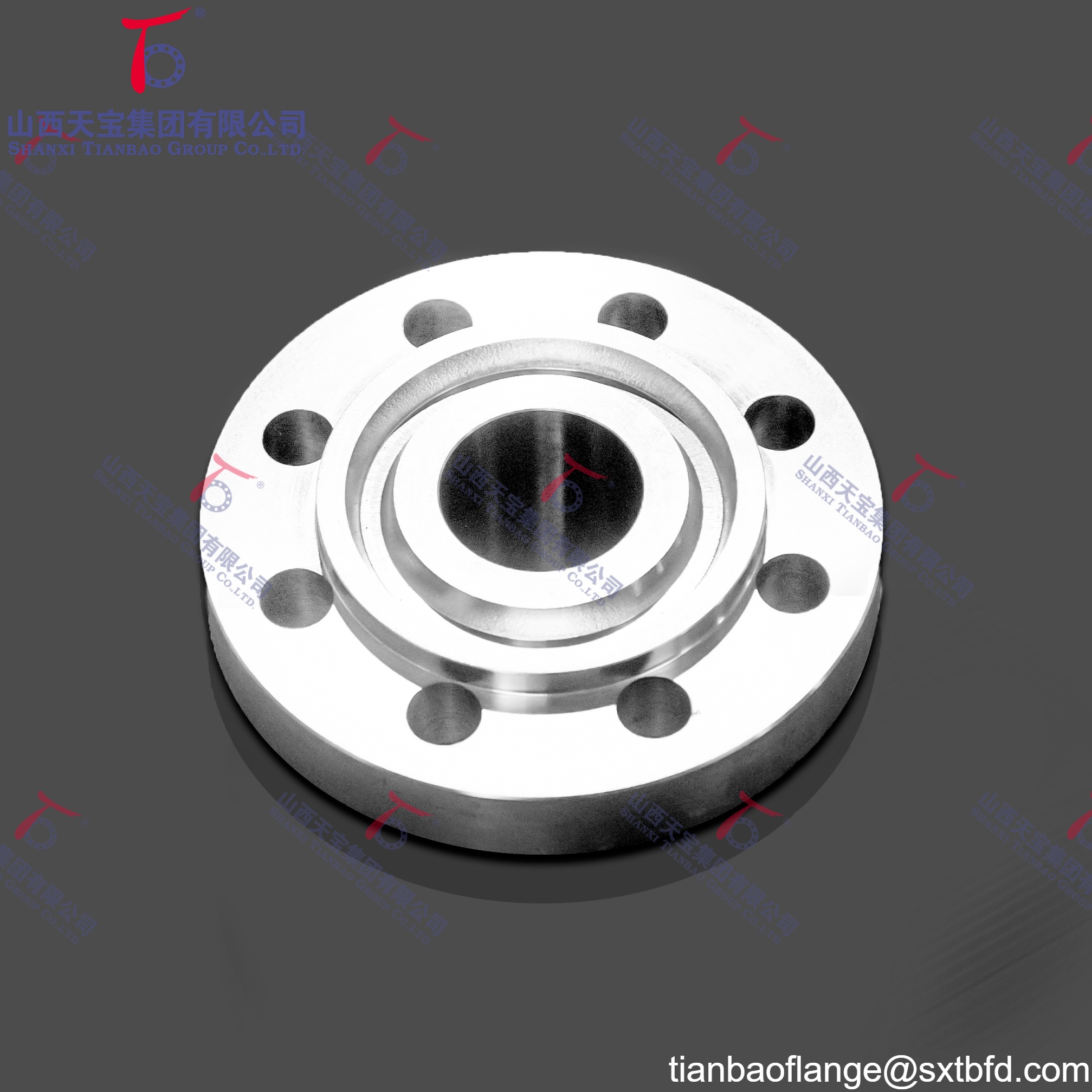
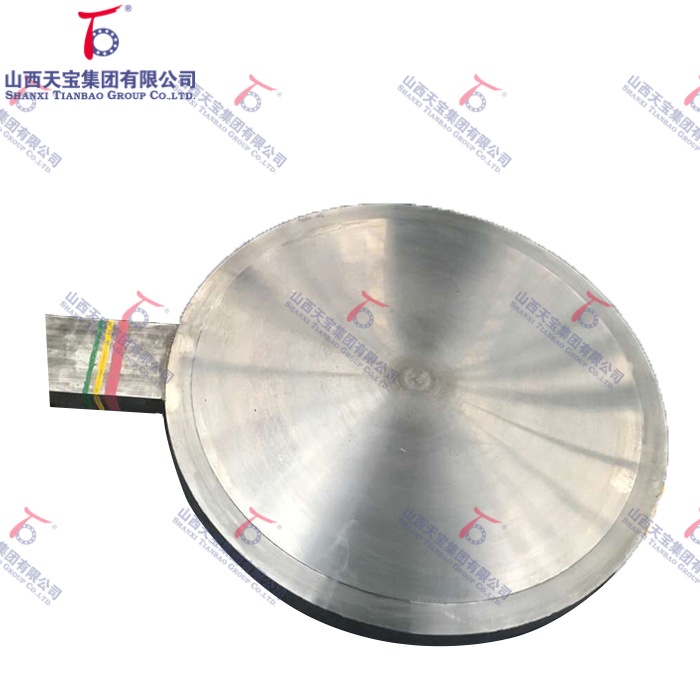
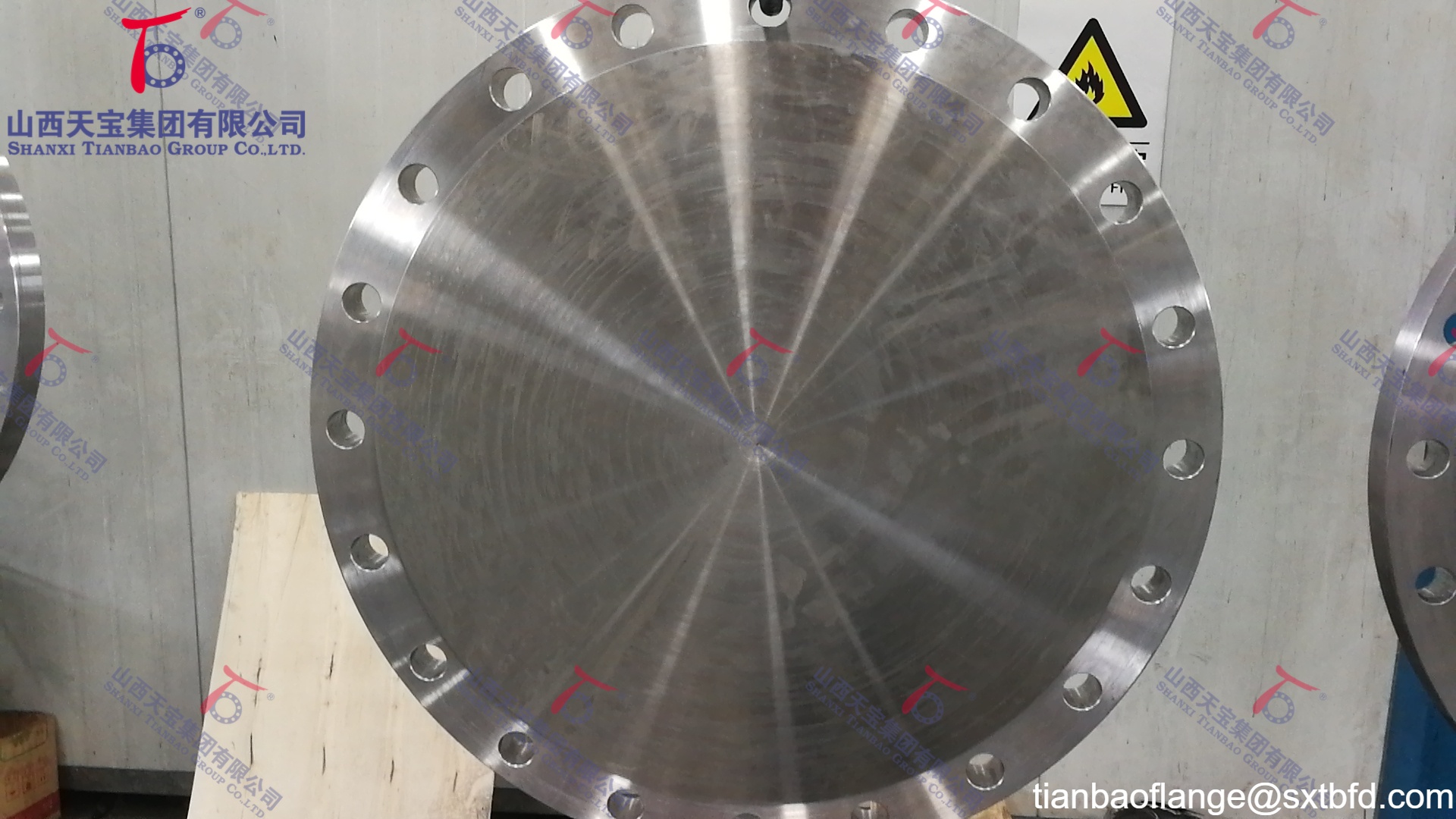
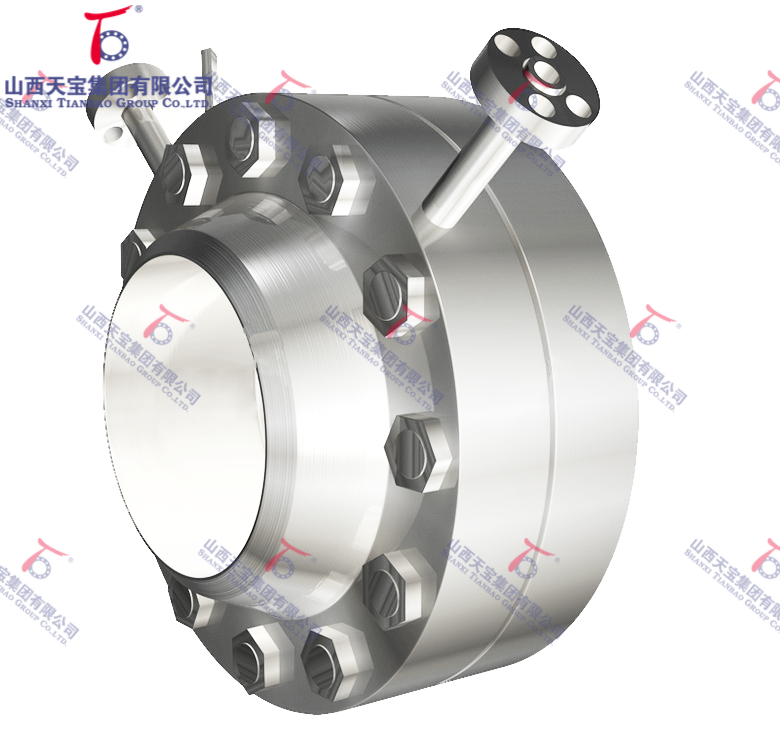
Common sealing surface types include raised face (RF), convex-concave (FM/M), tongue and groove (T/G), and ring joint face (RTJ/RJ).