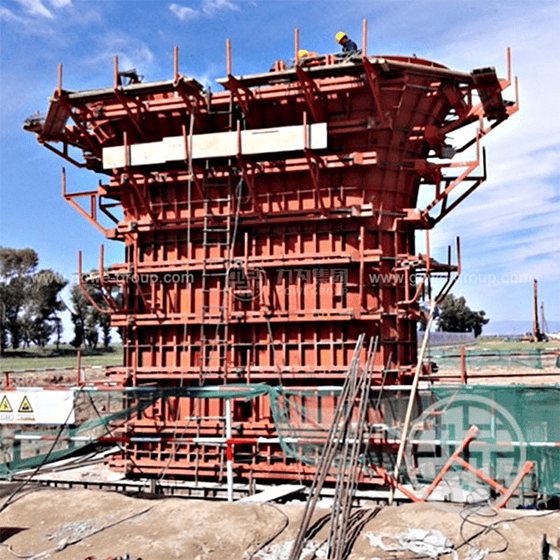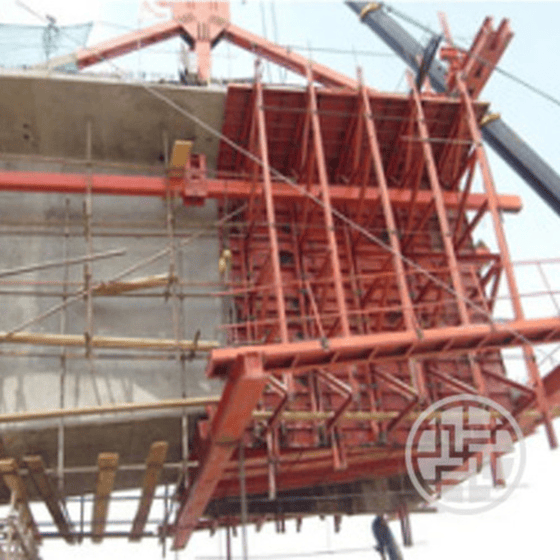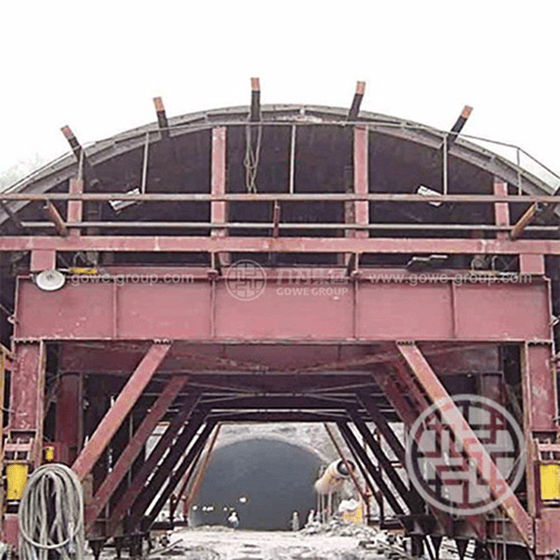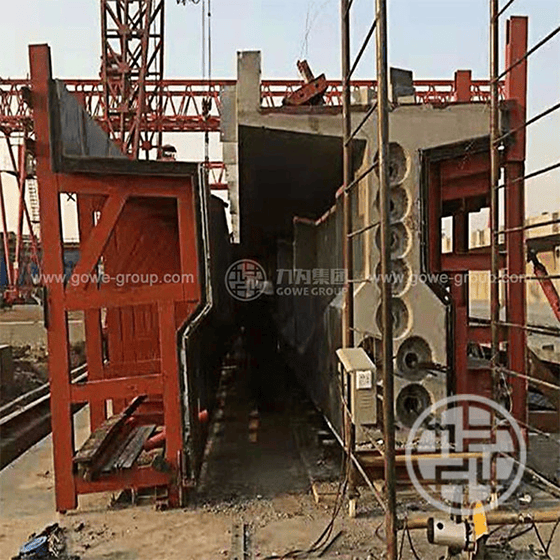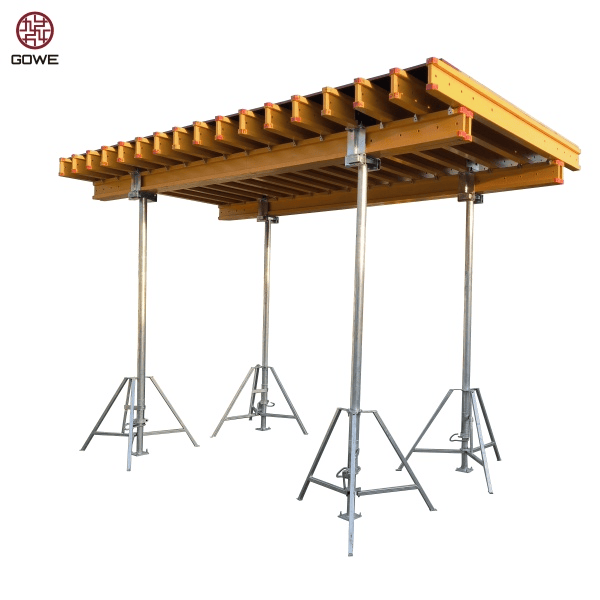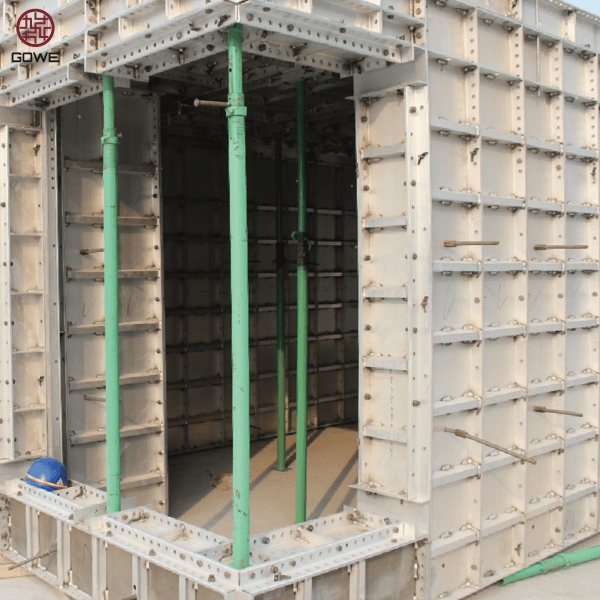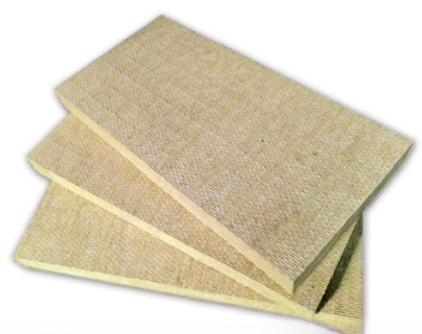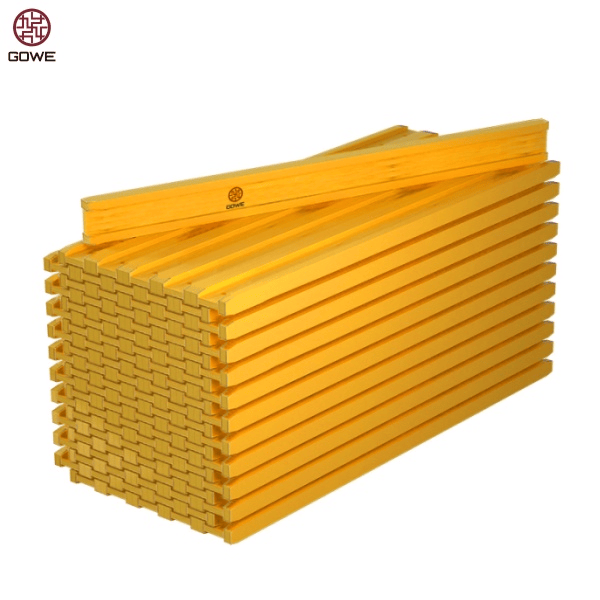


Construction wood formwork (commonly known as wood formwork, plywood formwork, or timber battens) is the oldest and most flexible basic formwork system in construction engineering. It is mainly composed of construction plywood (wood plywood/bamboo plywood) and supporting timber battens (joists). Thanks to its exceptional on-site workability and cost-effectiveness, it is widely used in various building construction, bridges, culverts, and irregular-shaped structural projects.
Product Structure and Material Composition
-
Construction Plywood: Made with poplar, pine, or eucalyptus veneers as the core, surfaced with phenolic resin film (red board, black board, or film-faced board), and bonded under high temperature and pressure.
-
Supporting Timber Battens (Joists): Standard timber battens processed from high-quality wood such as radiata pine, Douglas fir, or hemlock (common specifications: 40×90mm, 50×100mm), used as primary and secondary wales for the formwork.
-
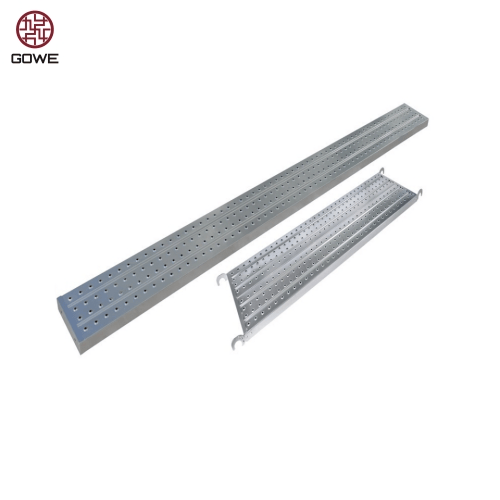
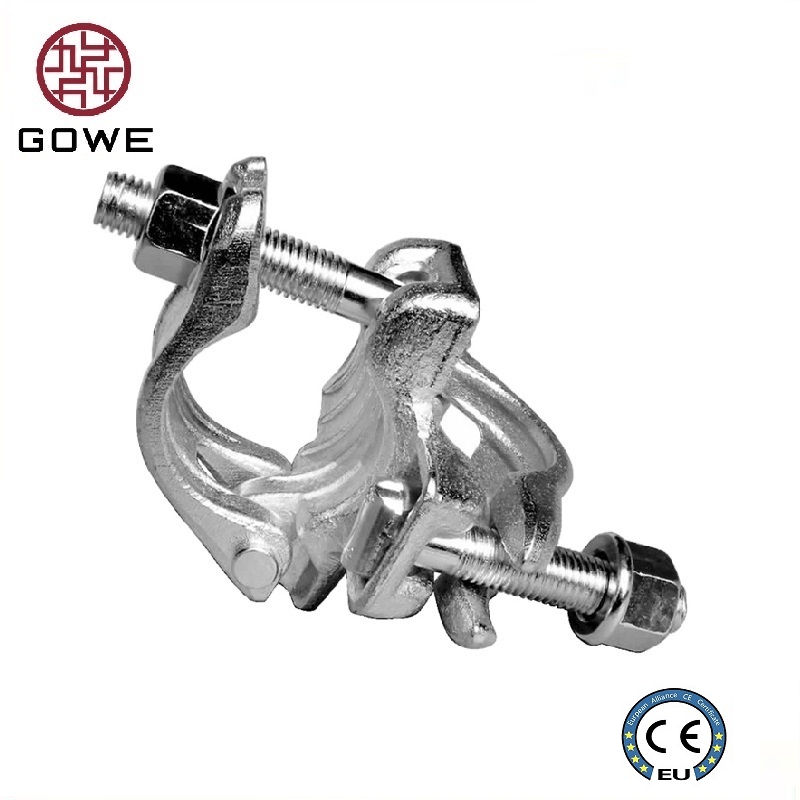
Reinforcement Accessories: Used in conjunction with tie rods, steel pipes, and couplers for tying and bracing.
Core Product Advantages
| Advantage Dimension | Detailed Description |
| Free Cutting · Effortless Trimming | Can be cut, drilled, and assembled on-site using ordinary carpentry tools, making it the ideal choice for complex structures, irregular components, and joint sealing. |
| Low Initial Procurement Cost | Compared to aluminum and steel formwork, wood formwork requires less capital per set and has a lower procurement threshold, making it highly suitable for small and medium-sized projects and non-standard floor construction. |
| Lightweight · Easy to Handle | The panels are lightweight and can be easily carried and installed by a single worker, with relatively low reliance on tower cranes and mechanical equipment. |
| Good Thermal Insulation | Wood naturally has a low thermal conductivity coefficient, providing a certain degree of thermal insulation and frost protection during winter concrete construction. |
Common Specifications and Classifications
-
Plywood Specifications: 1220×2440mm (4×8 ft), 915×1830mm (3×6 ft); thicknesses typically 12mm, 14mm, 15mm, 18mm.
-
Classification by Surface Treatment:
-
Red/Yellow Board (Standard Film-Faced Board): High cost-performance ratio, with a turnover rate of approximately 4–8 cycles, commonly used for ordinary floor slabs and foundation construction.
-
Black/Brown Film-Faced Board (Polymer Film-Faced Board): Smooth, moisture-resistant surface with easy stripping, achieving a turnover rate of 10–15 cycles or more, commonly used for high-requirement wall and column construction.
-
Typical Application Scenarios
-
Formwork engineering for irregular structures, basements, podiums, and non-standard floors.
-
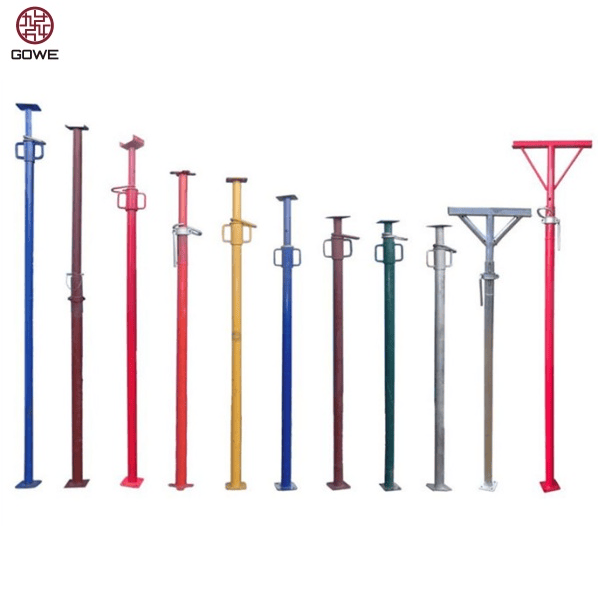
Combined with adjustable steel props, steel pipe couplers, or aluminum beams for use as table forms, beam bottom forms, and floor slab panels.