

I. Product Overview
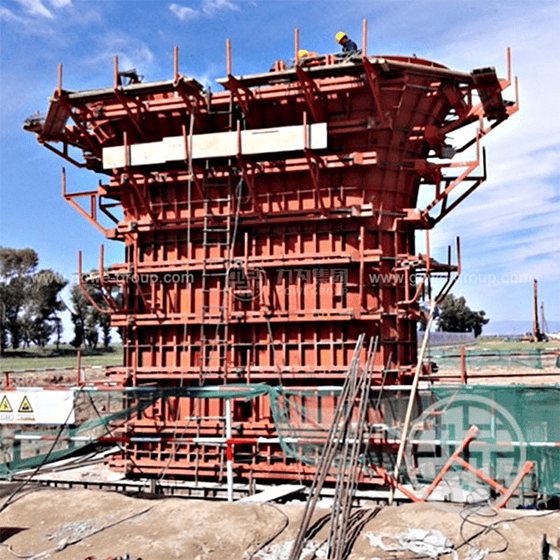
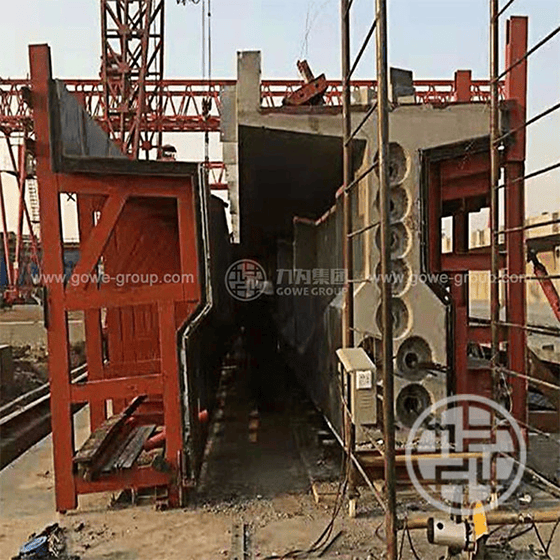
Precast formwork is the core equipment for standardized, assembly-line mass production of bridge superstructures (such as precast T-beams, small box girders, segmental assembled box girders, etc.) in industrialized precast yards/beam yards.
Through a high-precision shaped steel formwork system, factory-based precasting of bridge components is achieved, followed by transportation to the site for hoisting or assembly. This system significantly enhances the surface quality and structural strength of concrete components while effectively shortening the on-site construction period.
II. Common Types and Classifications of Precast Formwork
Based on the bridge structural type, precast formwork is mainly divided into the following three categories:
-
Precast T-beam Formwork
-
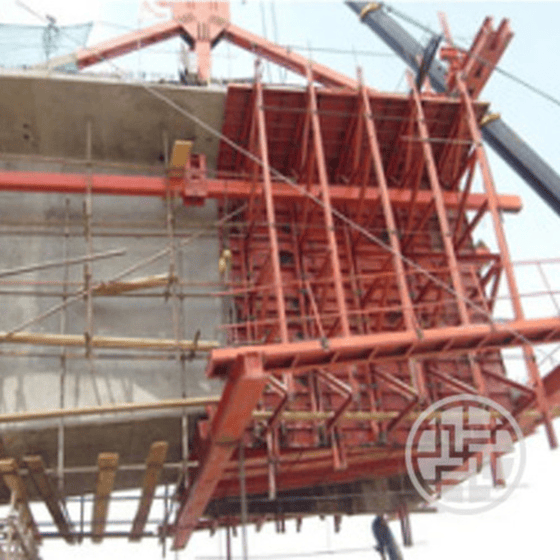
Features: Suitable for small and medium-span highway and railway bridges. The outer form adopts hydraulic or mechanical opening/closing mechanisms, closely coordinated with the inner form and end form to achieve rapid demolding and turnover.
-
-
Precast Small Box Girder/Plate Girder Formwork
-
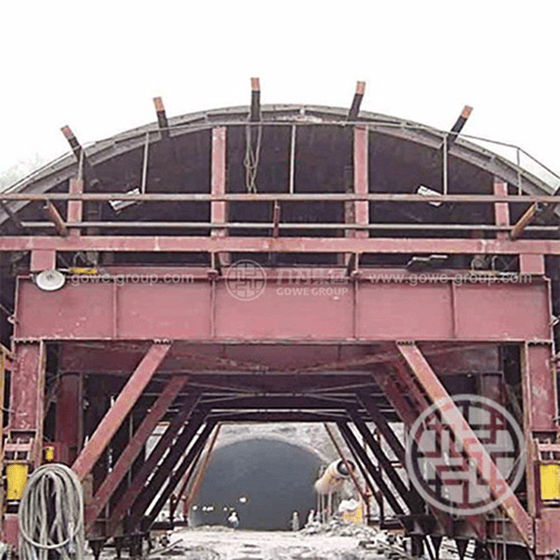
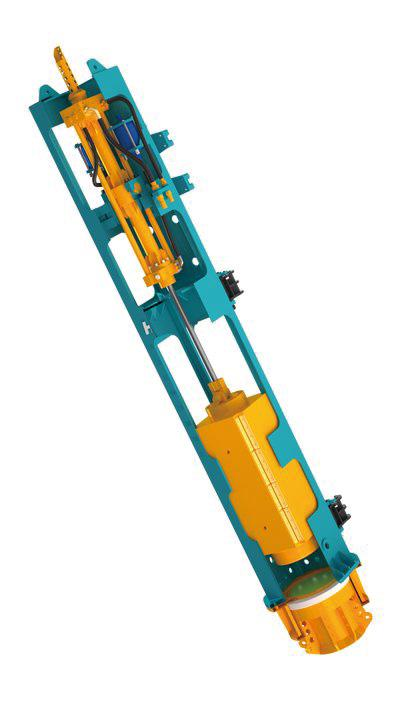
Features: Includes outer side form, bottom form, inner form, and end form. The inner form typically adopts a hydraulically automated retractable traveling frame structure to solve the demolding difficulty in narrow box girder cavities.
-
-
Segmental Assembled Box Girder Formwork
-
Features: Utilizes the short-line match casting method or long-line method for high-precision segmental precasting, equipped with three-dimensional fine-adjustment pedestals and automated end forms to ensure precise interlocking of shear keys at segment joints.
-
III. Core Technical Parameters and Manufacturing Specifications
Based on Jiuwei Group technical specifications and national standards, precast formwork must meet the following mandatory parameter requirements:
| Parameter Item | Specification & Technical Indicator | Code & Process Requirements |
| Formwork Panel Thickness | ≥ 5 mm | Ensures high rigidity and resistance to lateral pressure, preventing concrete blowout or deformation during pouring |
| Trial Assembly & Accuracy Inspection | 100% trial assembly in factory/on site | Focus on checking formwork rigidity, flatness, joint tightness, and structural dimensions |
| Reinforcement Cover Spacers | High-strength mortar spacers, density ≥ 4 pcs/m² | For columns: arranged in a quincunx pattern with 4 spacers per ring at 2m intervals; for rectangular sections and girders: no fewer than 4 pcs/m², with denser placement at critical areas |
| Concrete Curing Time | No less than 7 days | Pay special attention to concrete curing to ensure early strength development and structural durability |
| Pre-camber & Alignment Control | Precisely set pedestal camber and vertical curve height | When adjusting segment bottom elevations, the effects of longitudinal slope, cross slope, rotation angle, and vertical curve height must be comprehensively considered |
IV. Core Performance Advantages
-
High rigidity, minimal deformation: Panel steel plate thickness is no less than 5mm, with rationally designed stiffening ribs to withstand high-frequency vibration and lateral pressure from large-volume concrete filling.
-
High flatness and tight sealing: Waterproof sealing strips are installed at joints to eliminate misalignment and slurry leakage, ensuring smooth and clean surfaces of precast girder components.
-
Automation and hydraulic assistance: Optional hydraulic opening/closing forms, automatic locking, and hydraulically retractable inner form systems significantly reduce manual labor intensity and improve beam yard turnover efficiency.
-
Full-process quality traceability: Strict factory trial assembly and acceptance, combined with standardized high-strength mortar spacer positioning, ensure that the reinforcement cover thickness of precast components meets requirements.