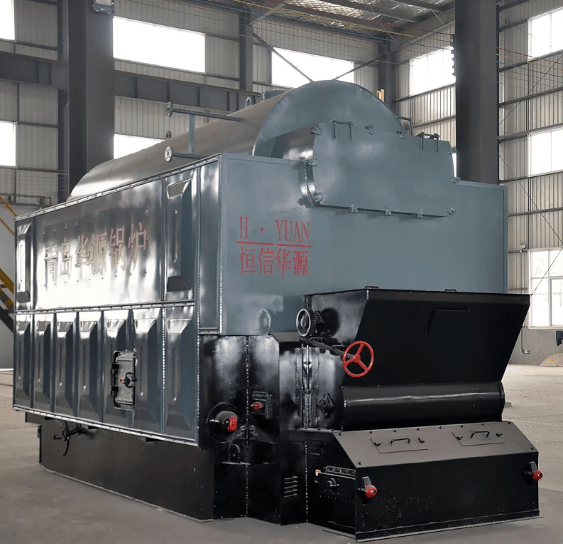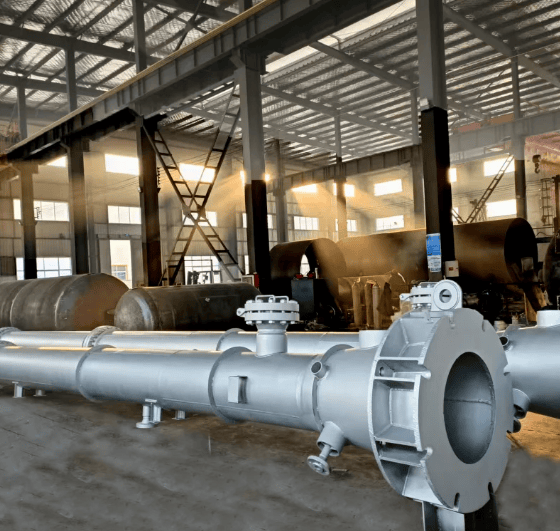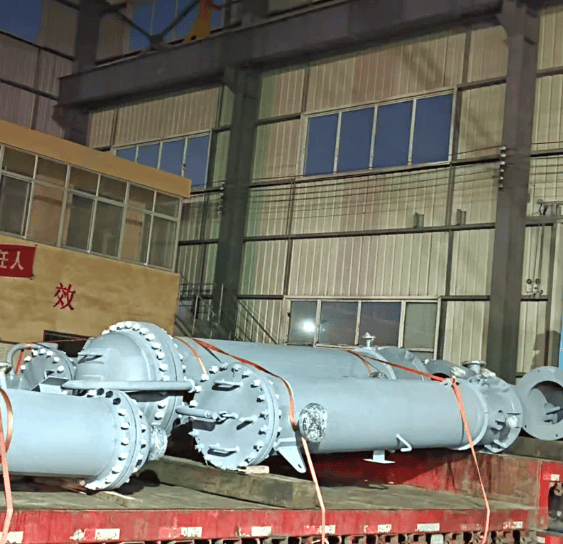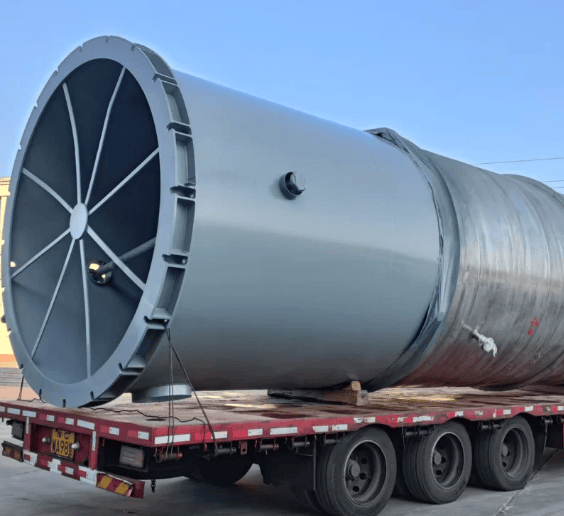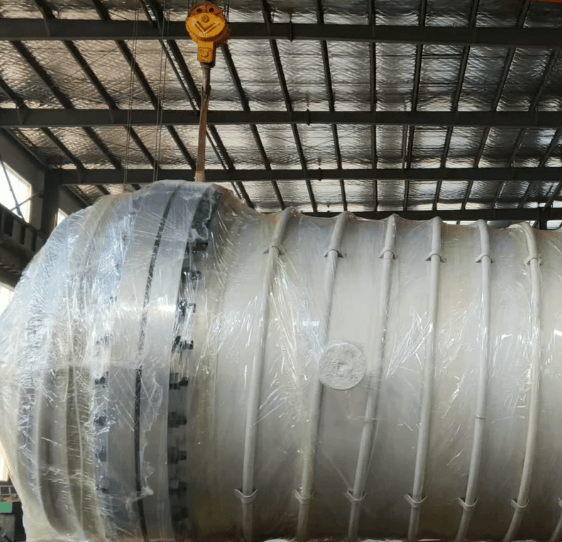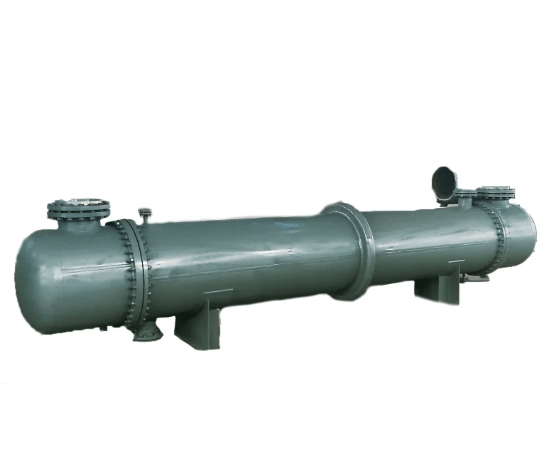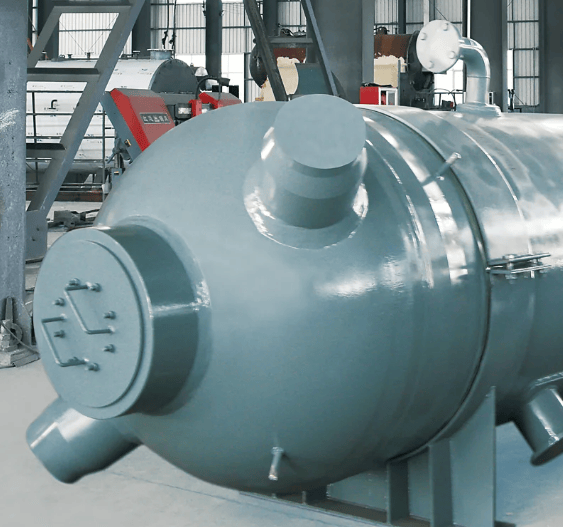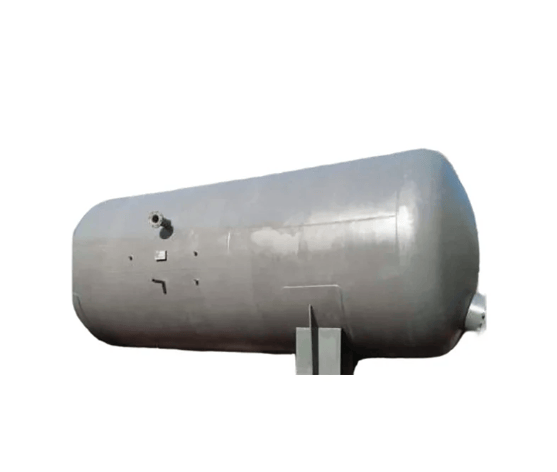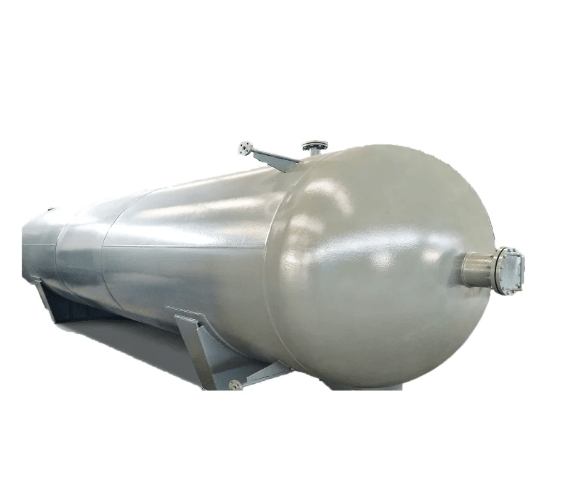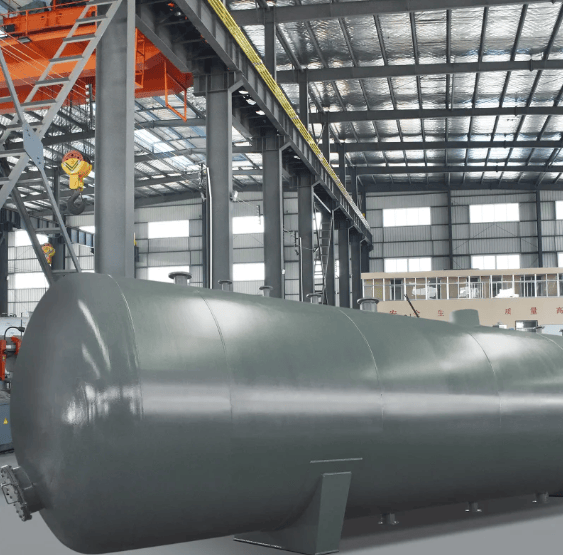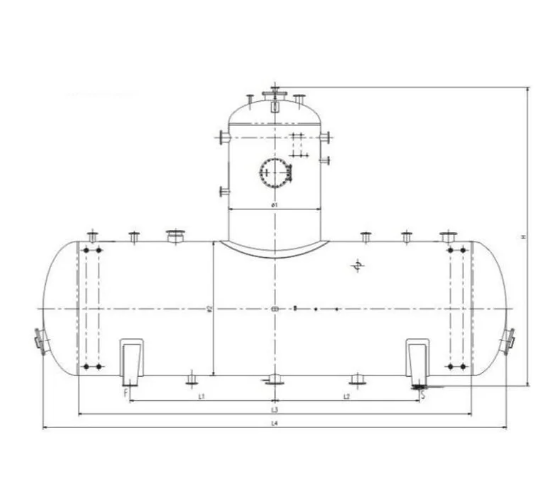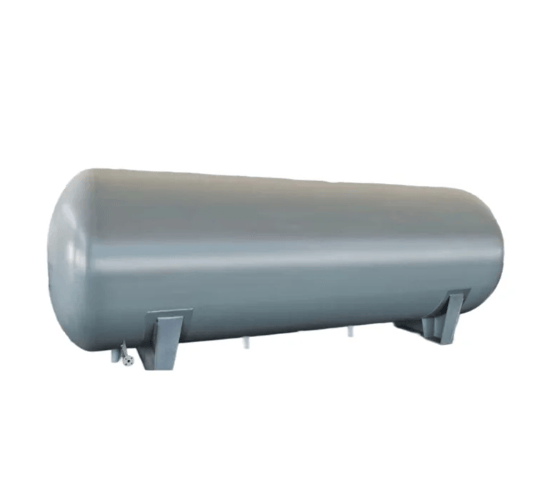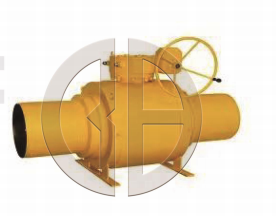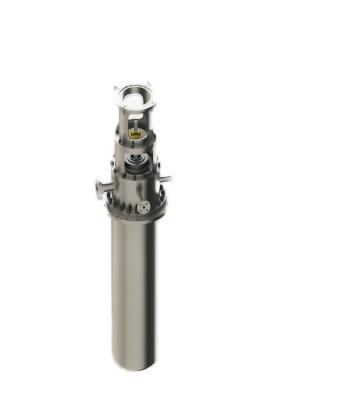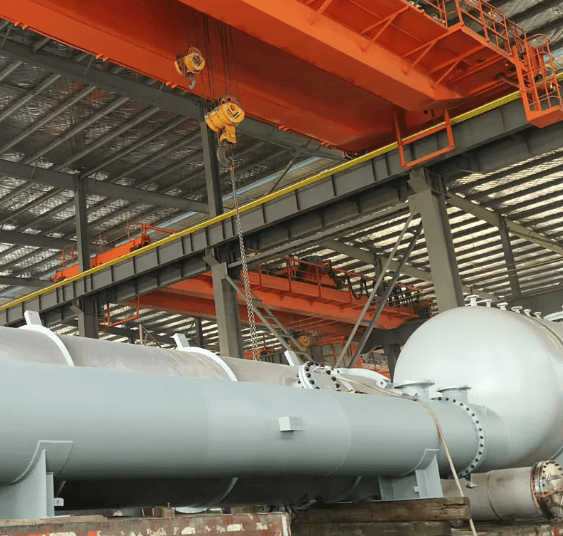


Our company can manufacture according to customer drawings; delivered products are shown in the photos.
Widely used in industries such as chemical, petroleum, heating, cogeneration, food, pharmaceutical, and environmental protection, primarily meeting process requirements for medium heating, cooling, condensation, and heat recovery. We support non-standard customization, selection based on demand, and on-site supporting services.
The factory boasts strong capabilities and exquisite workmanship, with full-process standardized production and inspection. As a source-based entity manufacturer, we provide integrated services of customized design, processing and manufacturing, and installation support, comprehensively meeting the needs of various industrial heat exchange working conditions.
A heat exchanger is an energy-saving device that enables heat transfer between materials, and is a process equipment widely used in industries such as petroleum, chemical, petrochemical, metallurgy, pharmaceutical, light industry, and food. In various application fields, utilizing heat exchangers for high-temperature and low-temperature heat recovery has brought significant economic benefits. Currently, among heat exchange equipment, shell-and-tube heat exchangers are the most widely used.
The classification of heat exchangers is as follows:
(1) Classification by transfer process: Direct contact heat transfer; indirect heat transfer; regenerative heat transfer.
(2) Classification by heat transfer type: Heat transfer without phase change, generally divided into heaters and coolers; heat transfer with phase change, generally divided into condensers and reboilers.
(3) Classification by structure: Tubular heat exchangers, such as serpentine tube, double-pipe, shell-and-tube, and finned tube types; plate-type heat exchangers, such as spiral plate, plate, plate-fin, plate-shell, and umbrella plate types; other forms of heat exchangers, such as heat pipes, rotary, and block types.
Shell-and-tube heat exchangers (or shell-and-tube exchangers) are one of the most widely used types of heat exchangers. Typical structural forms of shell-and-tube heat exchangers include fixed tubesheet heat exchangers, U-tube heat exchangers, floating head heat exchangers, and packed gland heat exchangers. In terms of cost, fixed tubesheet heat exchangers are usually the cheapest; if expansion joints are required, or if the shell-side medium necessitates frequent removal of the tube bundle for cleaning, U-tube heat exchangers are the most economical.
(1) Fixed tubesheet heat exchanger
Both ends of the heat exchanger are fixed to tubesheets, which are welded to the shell. Among shell-and-tube heat exchangers, with the same diameter, it can accommodate a larger number of heat exchange tubes, is simpler to manufacture, and has lower initial investment. Its features include a simple and compact structure, no shell-side sealing issues, and the tubesheet often doubles as the flange.
(2) U-tube heat exchanger
Its tube bundle can be extracted as an independent component for cleaning, requiring only one tubesheet, resulting in lighter weight. With the same diameter, it offers a larger heat exchange area and a relatively simple and compact structure.
(3) Floating head heat exchanger
Its structure consists of a tube bundle formed by tubesheets, heat exchange tubes, a floating head cover, and a split ring, which can be extracted for mechanical cleaning between tubes. The tubesheets include one fixed tubesheet and one floating tubesheet; the floating tubesheet along with the tube bundle can expand and contract freely within the shell.
The typical manufacturing process flow for shell-and-tube heat exchangers is as follows:
Shell: Steel plate material inspection — material feeding — marking and cutting — beveling — plate rolling — welding — roundness correction — non-destructive testing
Head: Steel plate material inspection — material feeding — marking and cutting — forming (in the case of integral blanking) — heat treatment — bevel cutting — non-destructive testing — surface treatment
Shell and head assembly welding — non-destructive testing — marking and opening — installation of connecting pipes and flanges — installation and welding of supports
Tubesheet: Steel plate/forging material inspection — material feeding — cutting — turning — marking — drilling and recessing — slot milling
Baffle plate: Steel plate material inspection — material feeding — cutting — stacked spot welding — marking and drilling — outer diameter turning — notch machining — plate shearing
Heat exchange tube: Material inspection — material feeding — cold forming — heat treatment — surface treatment — non-destructive testing — secondary cutting — hydrostatic test
Tube bundle assembly — tube-to-tubesheet welding, non-destructive testing, roller expansion/tube end expansion
Final assembly — hydrostatic test — surface treatment — painting — nameplate — shipment