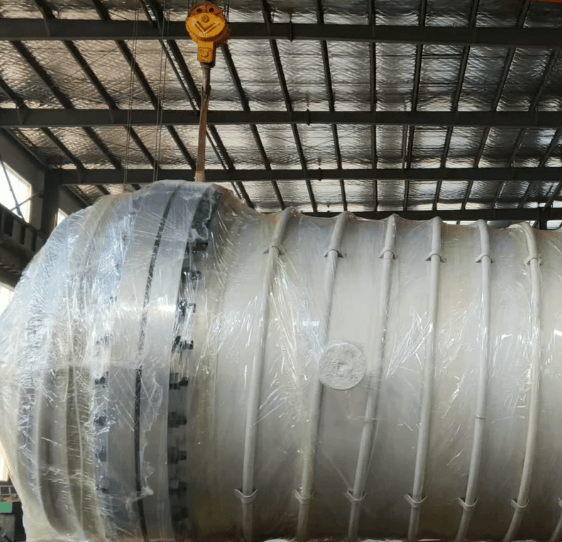


In the production processes of industries such as chemical engineering, petrochemical engineering, oil refining, pharmaceuticals, food, light industry, metallurgy, textiles, and environmental protection, a series of processing steps—such as material storage, mixing, separation, reaction, and heat exchange—are required to transform raw materials into final products. Pressure vessels are widely used in these processes and are often critical equipment.
Pressure vessels come in a wide variety of types, and their operating conditions vary considerably. Moreover, the media involved in chemical production are numerous and diverse, with some being corrosive or toxic. The volume of pressure vessels can range from tens of liters to thousands of cubic meters. Materials include steel, non-ferrous metals, and others. Structural types include single-layer, multi-layer, and clad-layer configurations. Therefore, strict requirements must be met in material selection, design, calculation, fabrication, and inspection.
The design of a pressure vessel generally derives the operating temperature, operating pressure, medium composition and characteristics, and vessel size from the process conditions. Based on the known conditions, preliminary dimensions are selected, appropriate materials and structures are considered, and then strength calculations are performed in accordance with codes to determine the wall thicknesses of the shell, heads, and various pressure-bearing components.
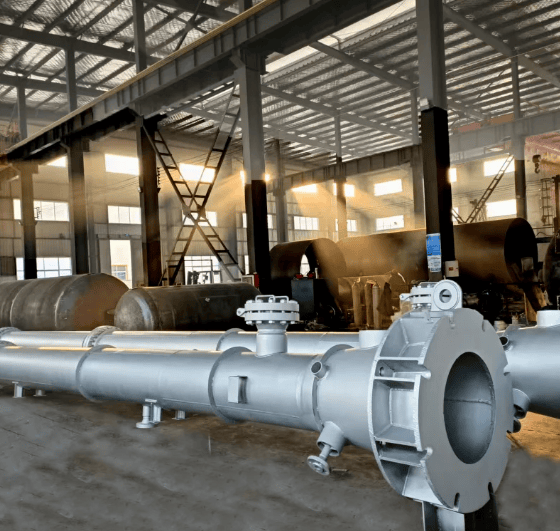
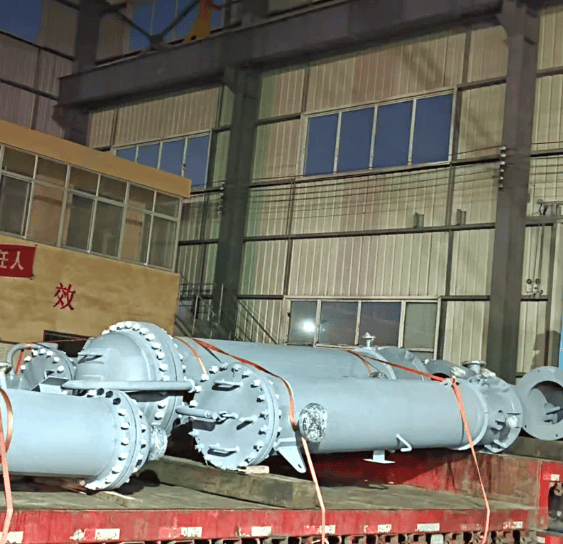
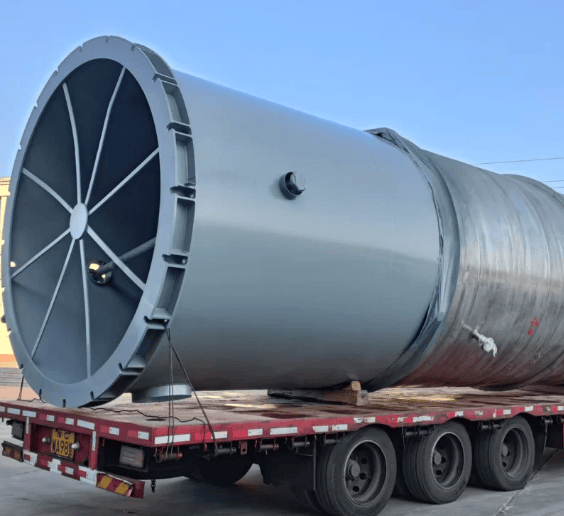
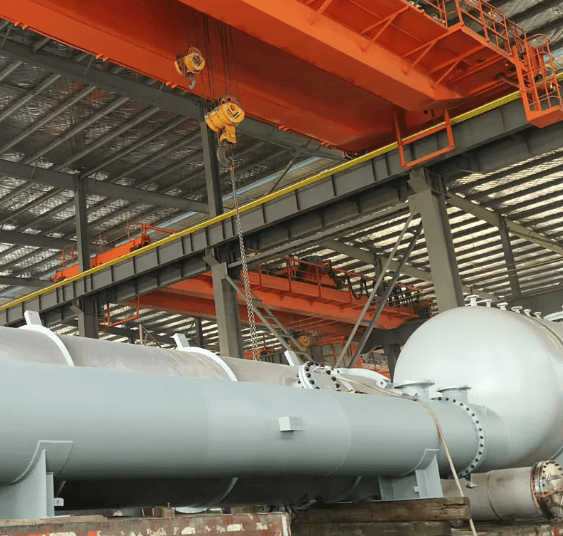
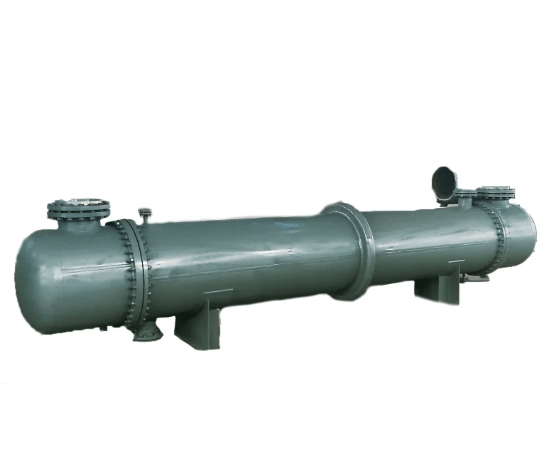
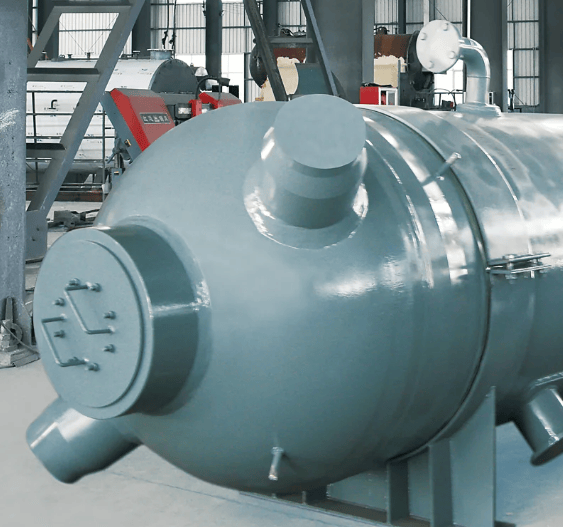
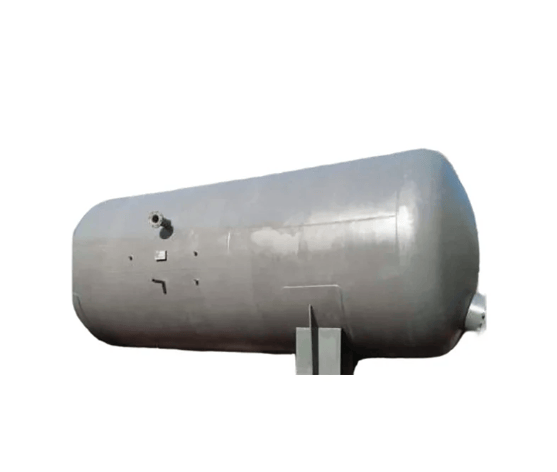
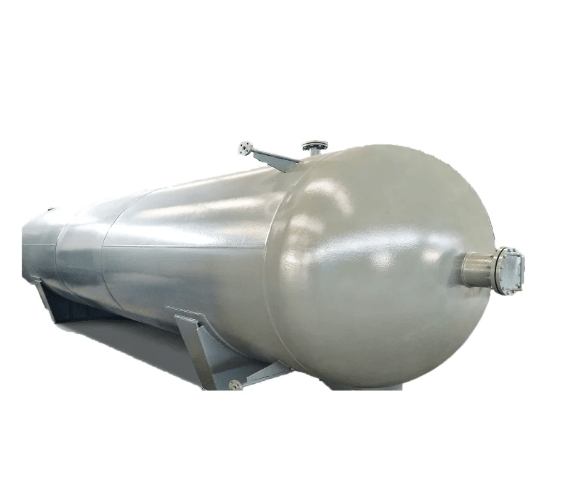
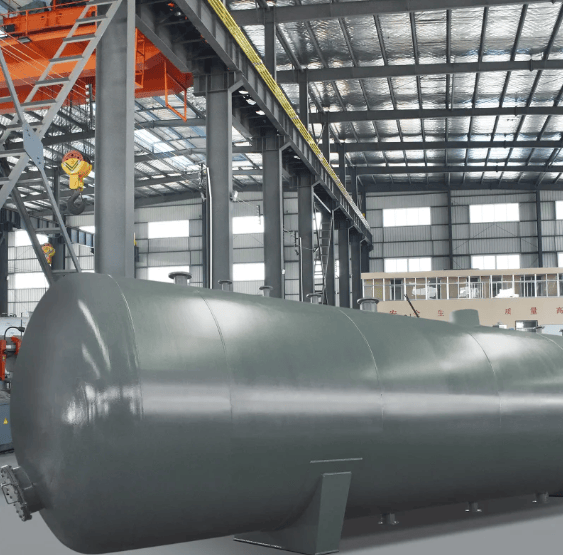
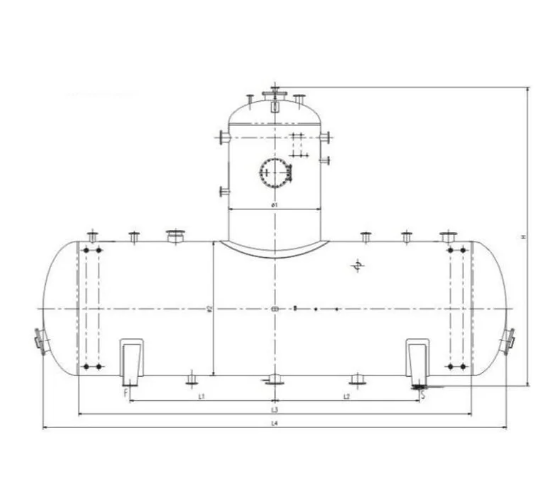
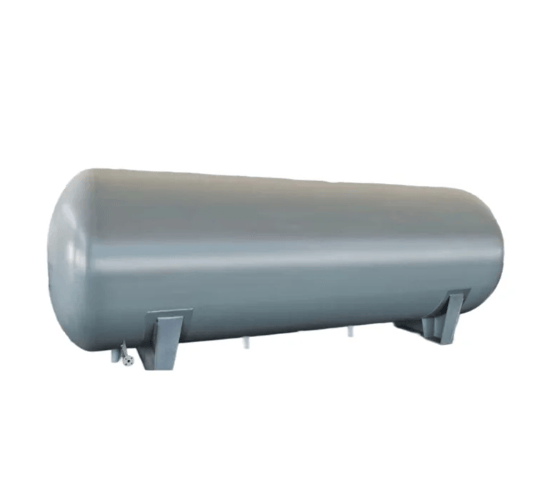
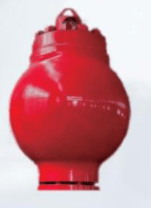
The structural types of vessels include horizontal vessels, vertical vessels, vessels with mechanical agitation, jacketed vessels, tower vessels, shell-and-tube heat exchanger vessels, high-pressure vessels, spherical vessels, and pressure vessels made of non-ferrous metals.
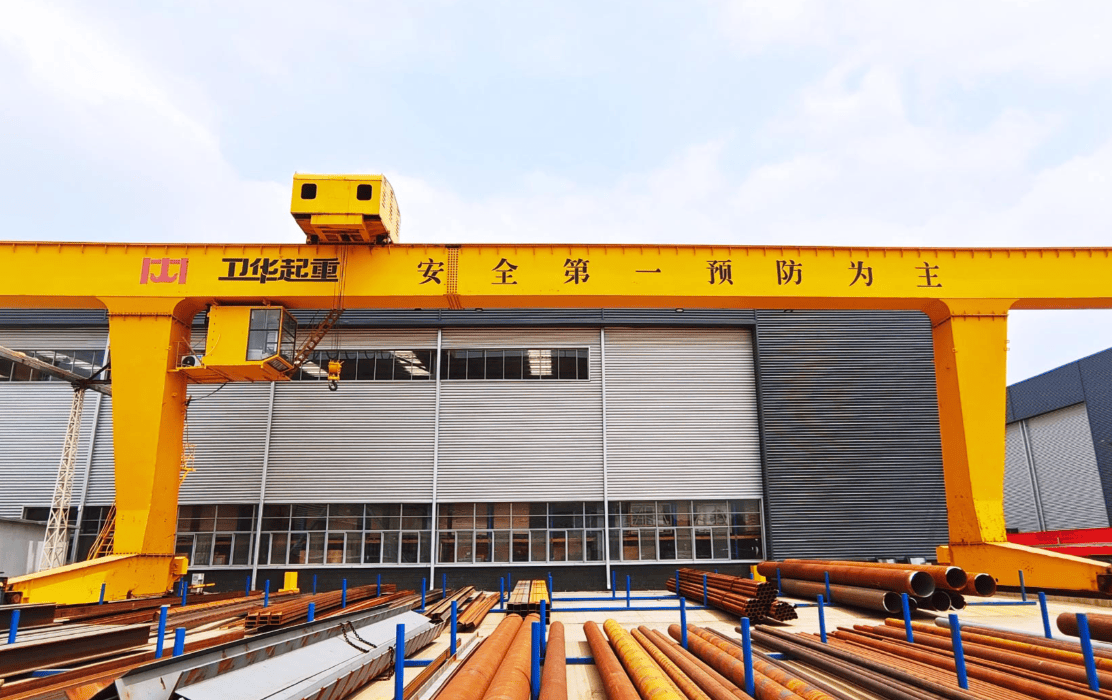
Our company is a professional manufacturer with A2-class pressure vessel fabrication qualifications, possessing extensive experience in design, fabrication, and installation. We can manufacture and process according to supplied drawings, and we can also provide customized solutions based on customer requirements.

![IVECO Cash-in-Transit [DMT5048XYCL3-AM] - Chongqing Dima Industry Co., Ltd](https://img.wedoany.com/2026/0911/20260911030157582.png)