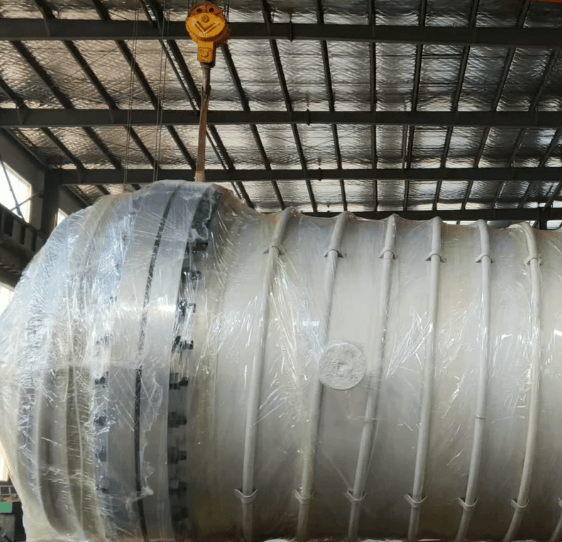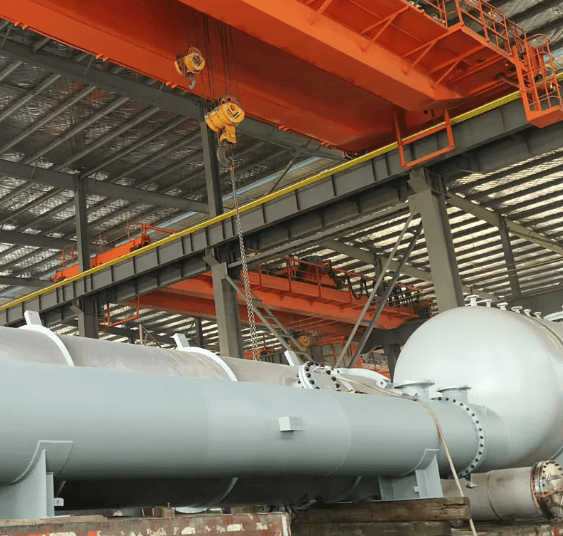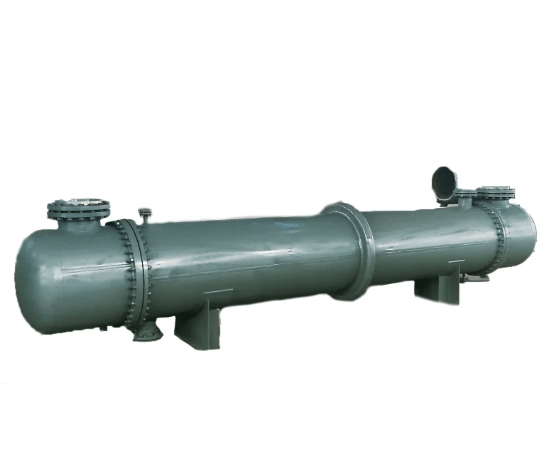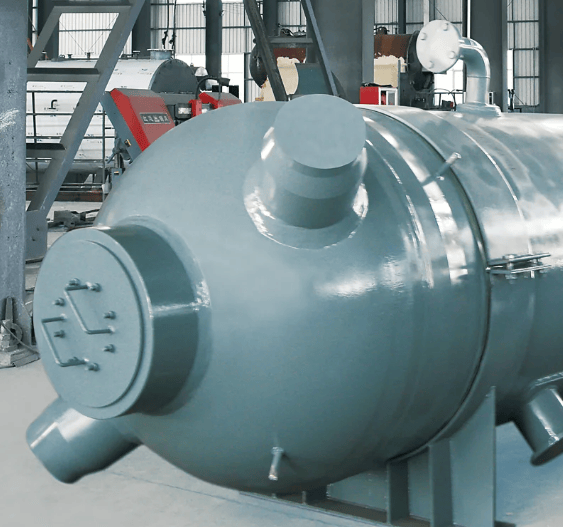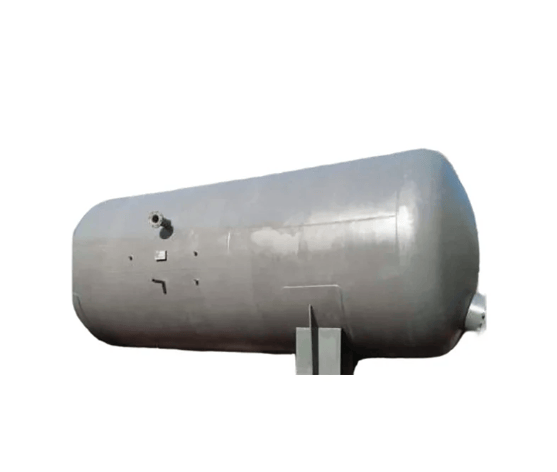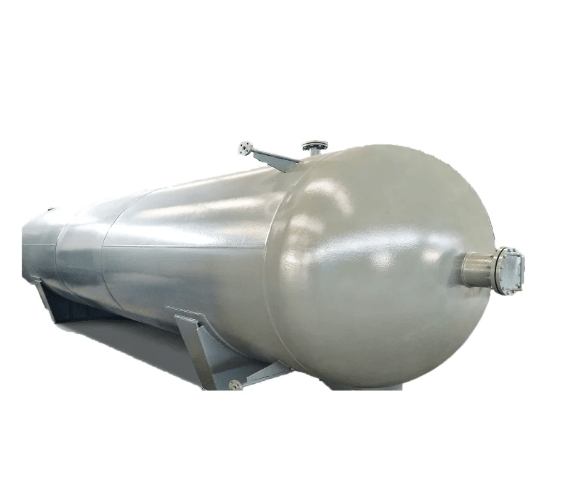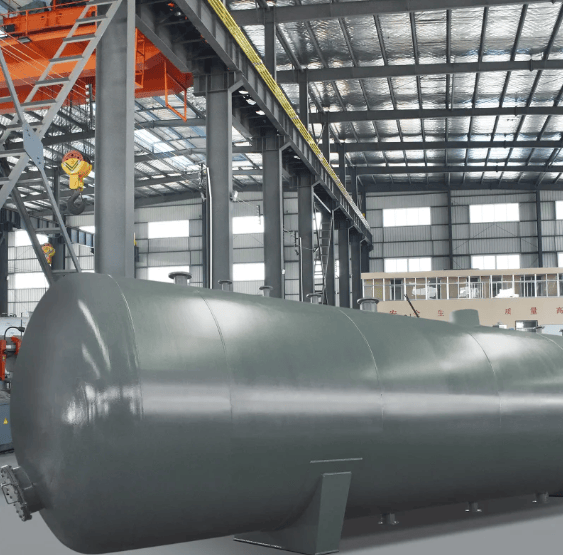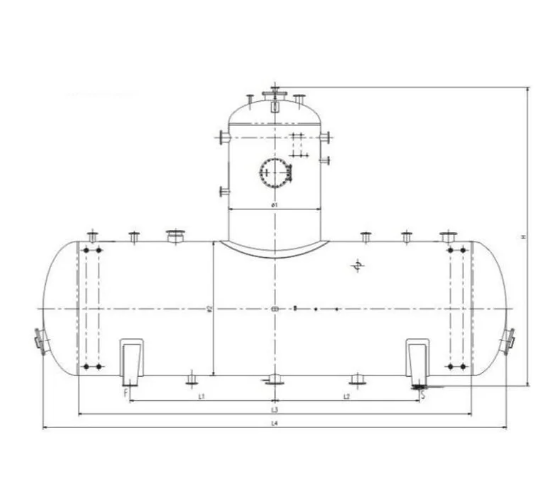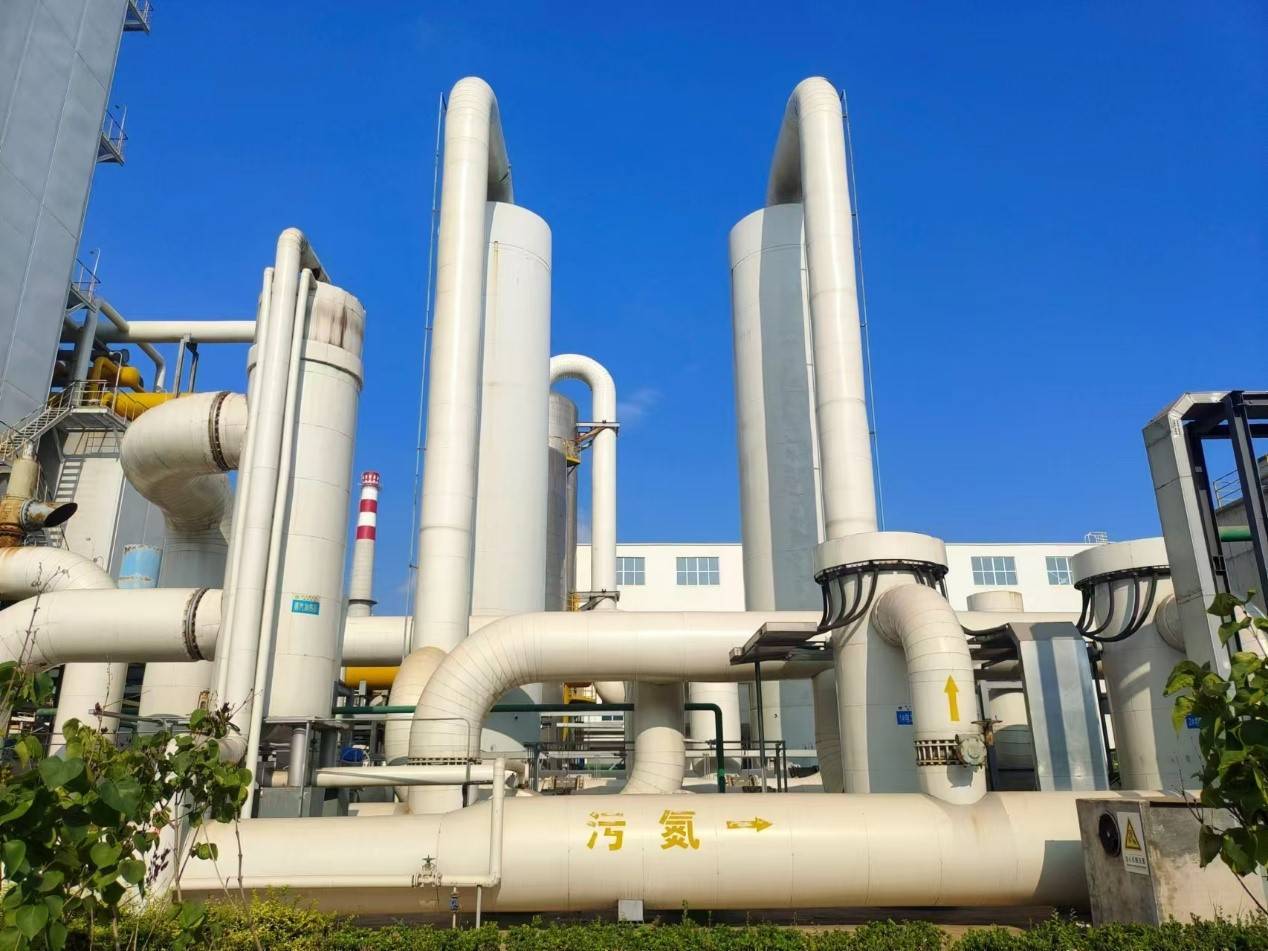


With the development of high-parameter, large-capacity generator units, the technical performance requirements for thermal deaerators have become increasingly stringent. To minimize the dissolved oxygen content in boiler feedwater, broaden its application range, and improve the economy and safety of its operation, our company has conducted extensive research and achieved significant results.
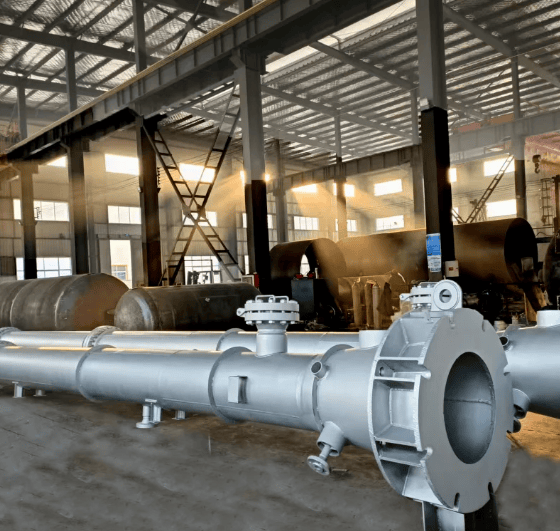
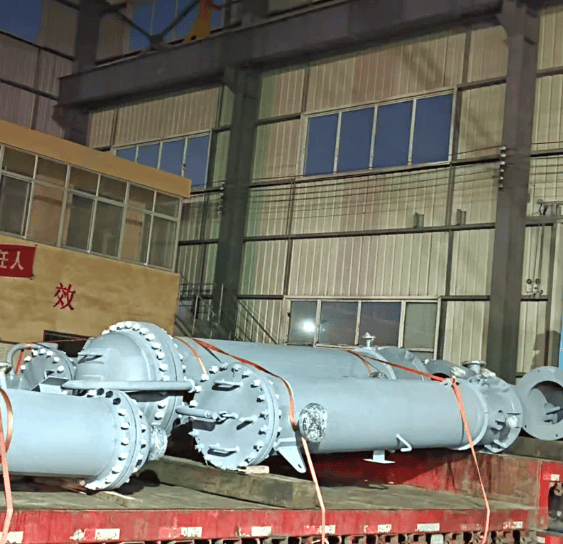
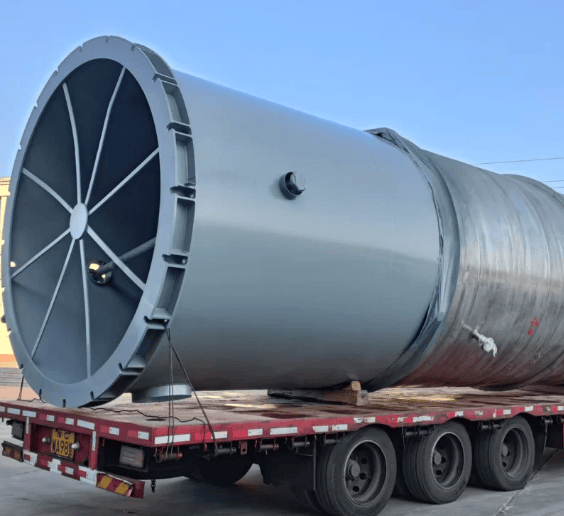
The Rotating Film Deaerator is a new type of thermal deaerator. Based on years of tracking its operational performance and analyzing user feedback, our company's research indicates that the Rotating Film Deaerator features excellent deaeration efficiency, strong adaptability to operating conditions, high stability, high thermal efficiency, low failure rate, and long service life. The Rotating Film Deaerators produced by our company have been widely applied in industries such as power station systems, petrochemicals, steel manufacturing, coal coking, coal-to-oil chemical processing, and waste-to-energy power generation, achieving favorable results.
The Rotating Film Deaerator is a mixing-type heater that utilizes regenerative extraction steam to heat and remove dissolved gases from boiler feedwater. It not only removes oxygen from the boiler feedwater but also eliminates other gases. It serves as a stage in the regenerative system and is used to collect main condensate, makeup water, various drains, boiler continuous blowdown flash steam, turbine valve stem leakage steam, and external steam and water sources, while ensuring feedwater quality and the safe operation of feedwater pumps. The deaerator is an important auxiliary equipment for the safe and economical operation of power plants and similar systems.
Performance Features
Compared with other deaerators, the Rotating Film Deaerator offers the following advantages in performance:
(1) Excellent Deaeration Efficiency
Dissolved oxygen in water after deaeration: atmospheric-type Rotating Film Deaerator: 7~15 μg/L, guaranteed value ≤15 μg/L; pressure-type Rotating Film Deaerator: 3~7 μg/L, guaranteed value ≤7 μg/L.
(2) Strong Adaptability
It operates normally under conditions of high dissolved oxygen content in inlet water, low inlet water temperature, significant pressure fluctuations, and high makeup water ratios. The designed load variation range is 30%~110% of rated output.
(3) High Stability
Even with a sudden load change of 25%, an instantaneous increase in makeup water of 10%, or a substantial drop in inlet water temperature, the oxygen content of the deaerated water remains within acceptable limits, and the deaerator does not vibrate.
(4) Energy Saving and Easy Maintenance
The exhaust loss of the Rotating Film Deaerator is less than 1‰ of its output, eliminating the need for an additional exhaust steam cooler, which simplifies the equipment and reduces heat consumption. Additionally, it is easy to operate and requires few maintenance parts.
(5) Simplified Thermal System
Due to the excellent heat transfer performance of the rotating film tubes, the soft water heater can be eliminated, as the rotating film tubes serve dual purposes as the soft water heater, thereby simplifying the equipment and reducing investment.
Basic Principles
The design principle of the Rotating Film Deaerator follows four laws: Dalton's law of partial pressures, Henry's law, the heat transfer equation, and the mass transfer equation. To achieve satisfactory deaeration results, the following three essential elements must be present:
(1) The largest possible heat transfer coefficient, steam-water contact area, and sufficient temperature difference.
(2) Sufficient mass transfer area and mass transfer imbalance pressure difference, along with the timely removal of non-condensable gases separated from the water.
(3) Enhanced primary deaeration.