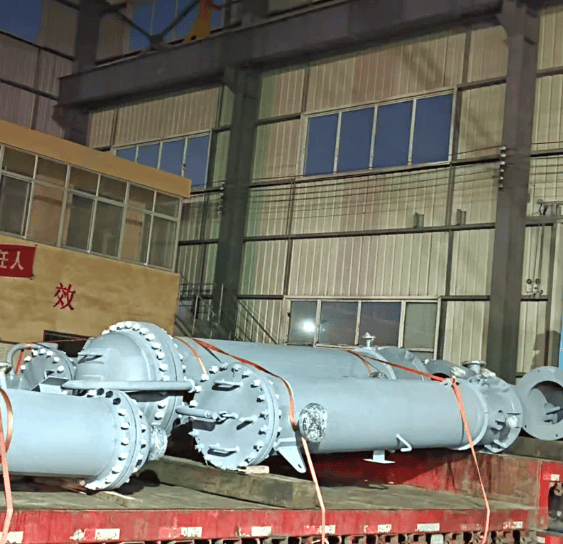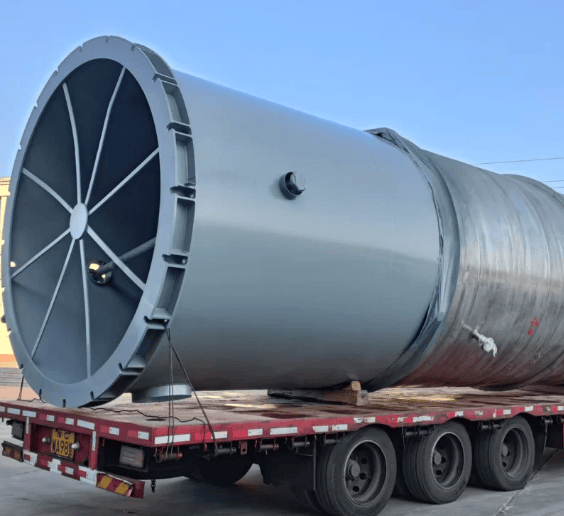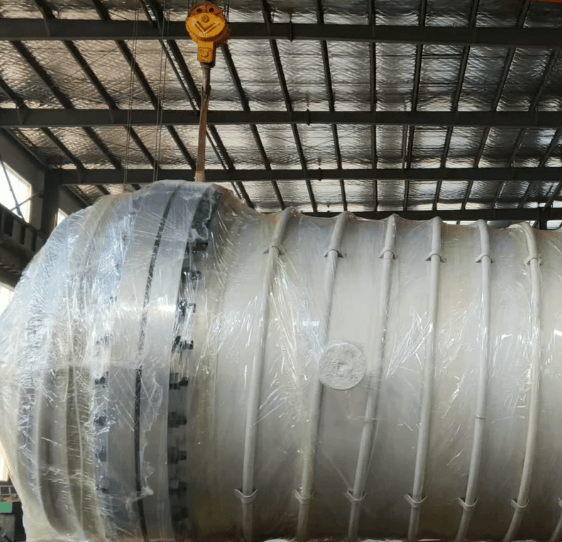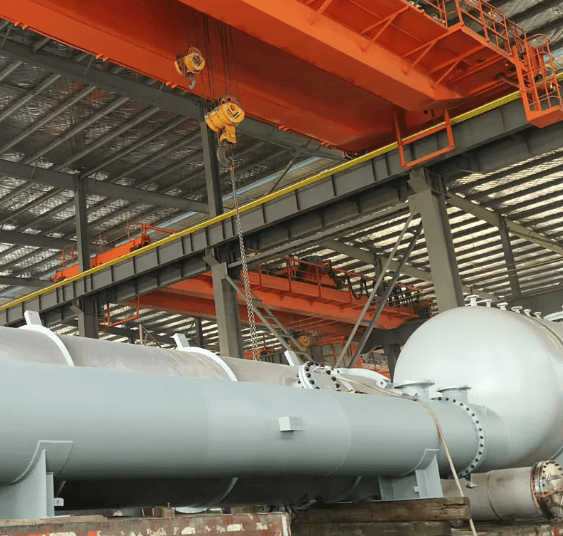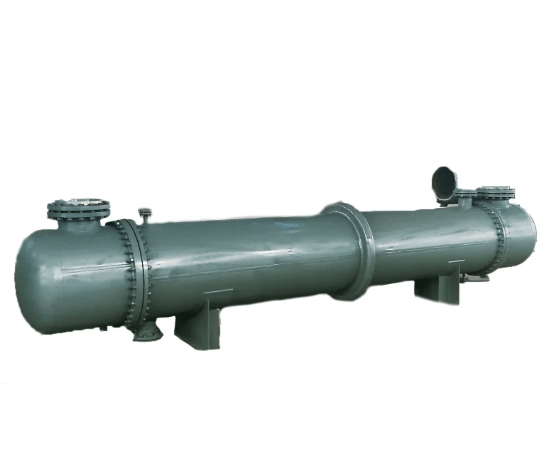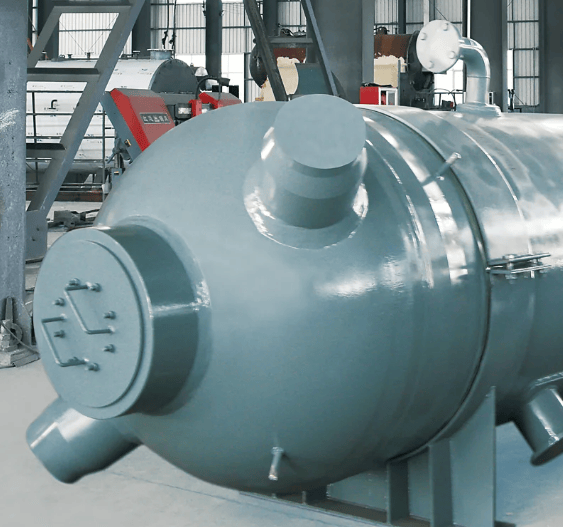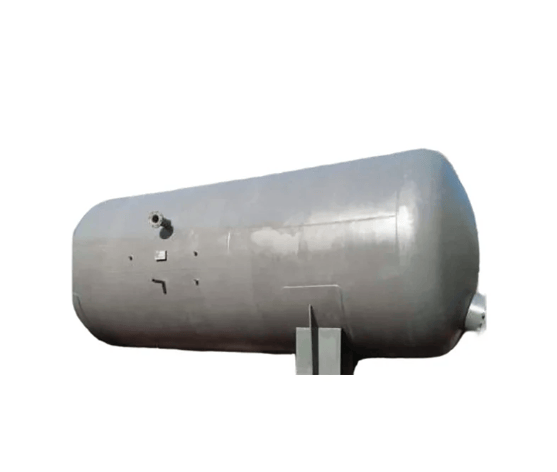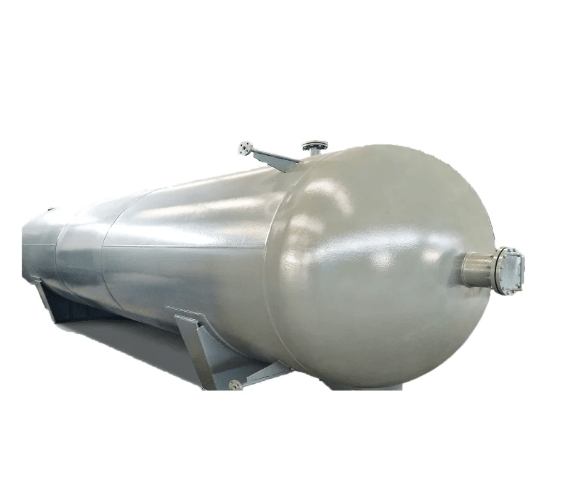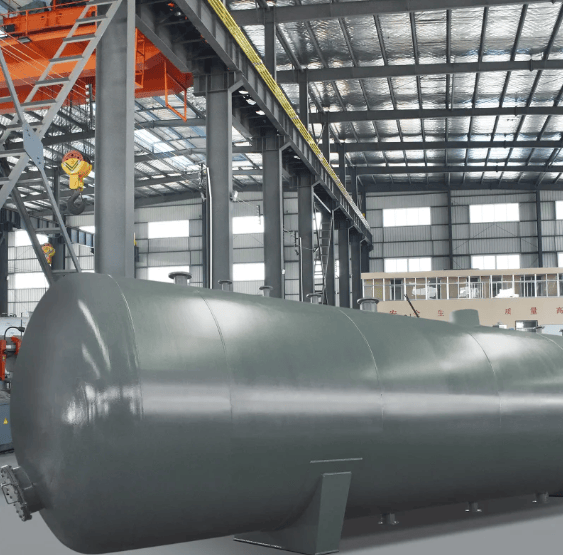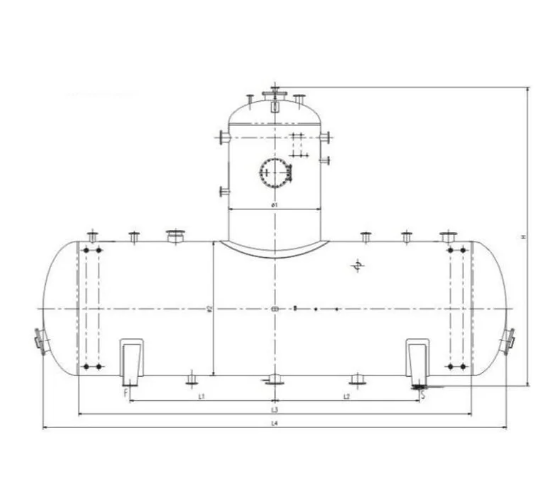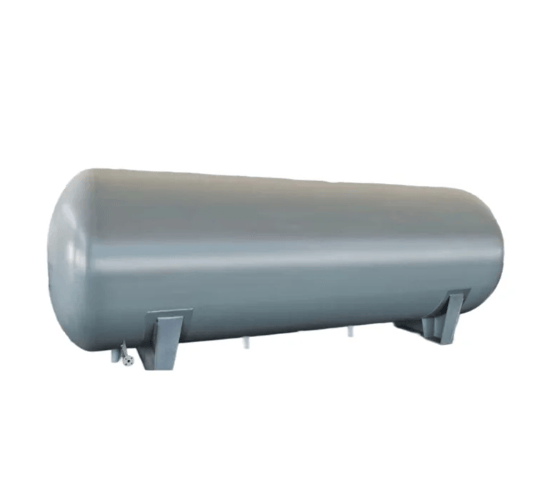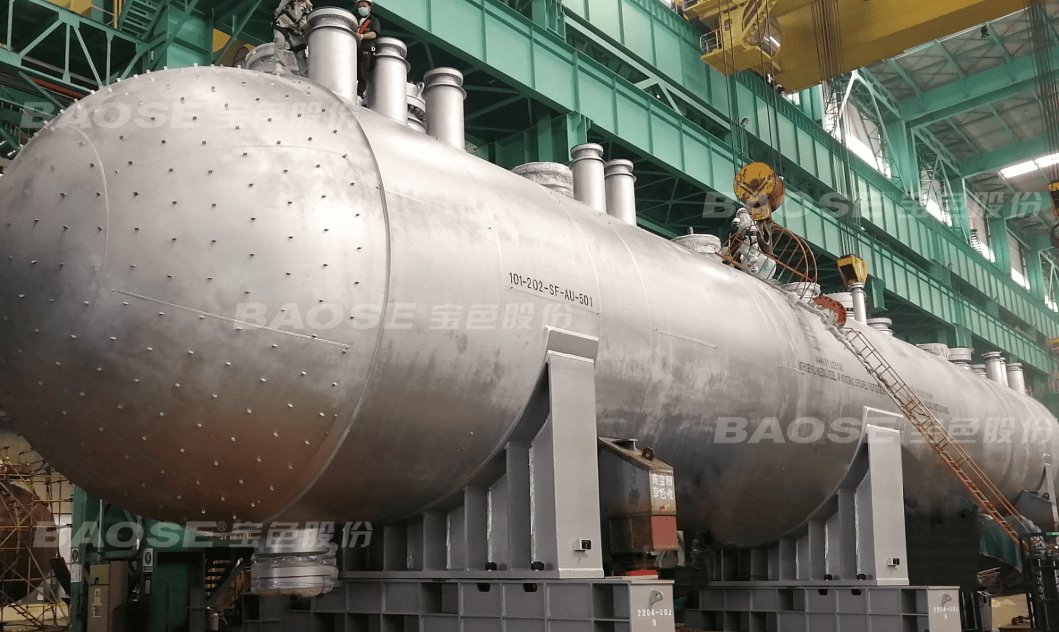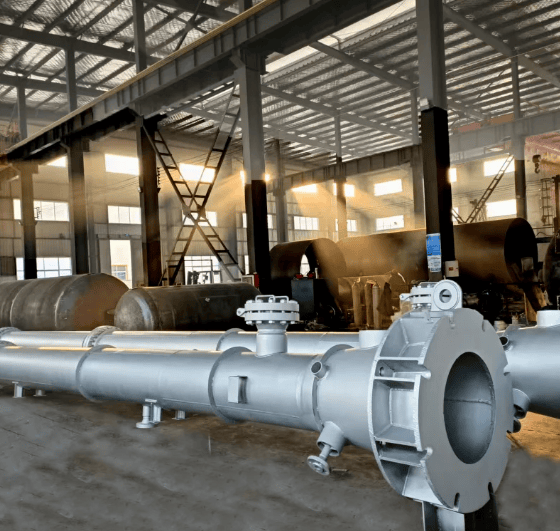


A tower is the abbreviation for a tower vessel, referring to a vertical vessel with a relatively large ratio of height to diameter. Towers are essential equipment for achieving thorough contact between gas-liquid phases or liquid-liquid phases. They are widely used in unit operations such as distillation, absorption, stripping, extraction, reaction, as well as gas scrubbing, cooling, humidification, and drying in industries including chemical, petrochemical, pharmaceutical, oil and natural gas, and light textile. The basic structure of a tower consists of four parts: the tower body, supports, internals, and accessories.
In addition to meeting specific process requirements, towers must also satisfy the needs of industrial production. A tower should possess the following basic performance characteristics: high mass transfer and heat transfer efficiency; large production capacity; stable operation with a wide operating range; low fluid flow resistance; simple and reliable structure with minimal material consumption; and resistance to corrosion with low susceptibility to fouling. It is difficult for a single tower to achieve excellence in all of these basic performance aspects simultaneously. A successful tower design should satisfy the prominent requirements of the production process while accommodating the other requirements to the greatest extent possible.