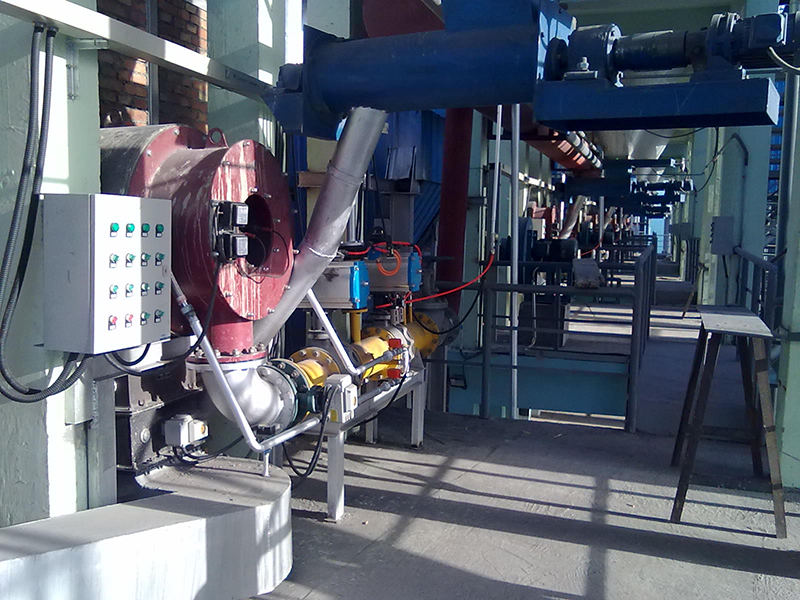
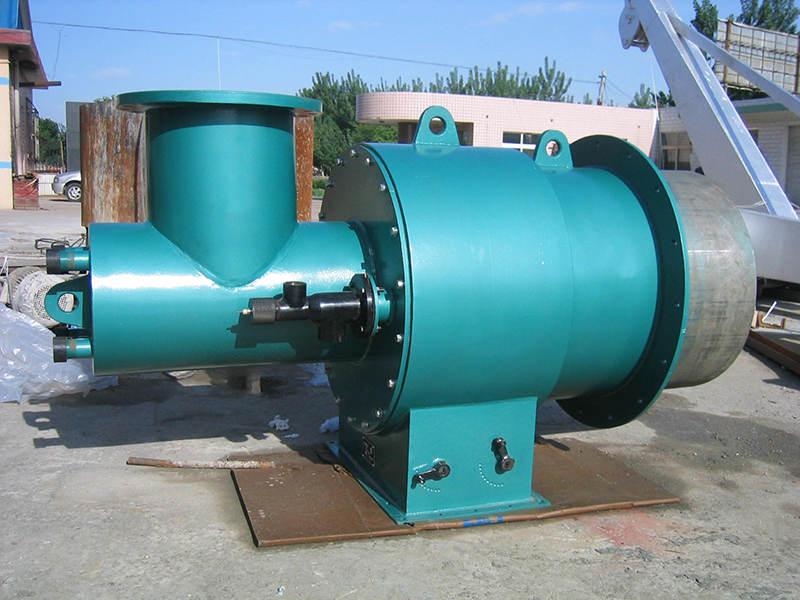


Industrial Tail Gas Burner:
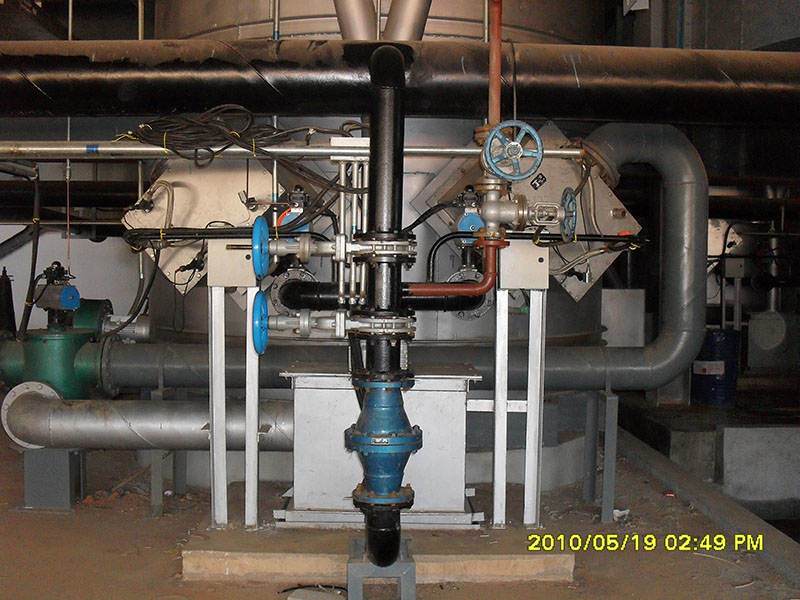
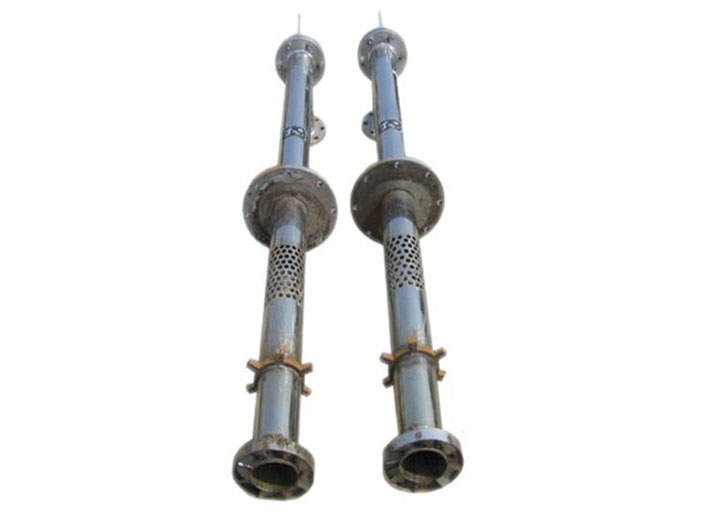
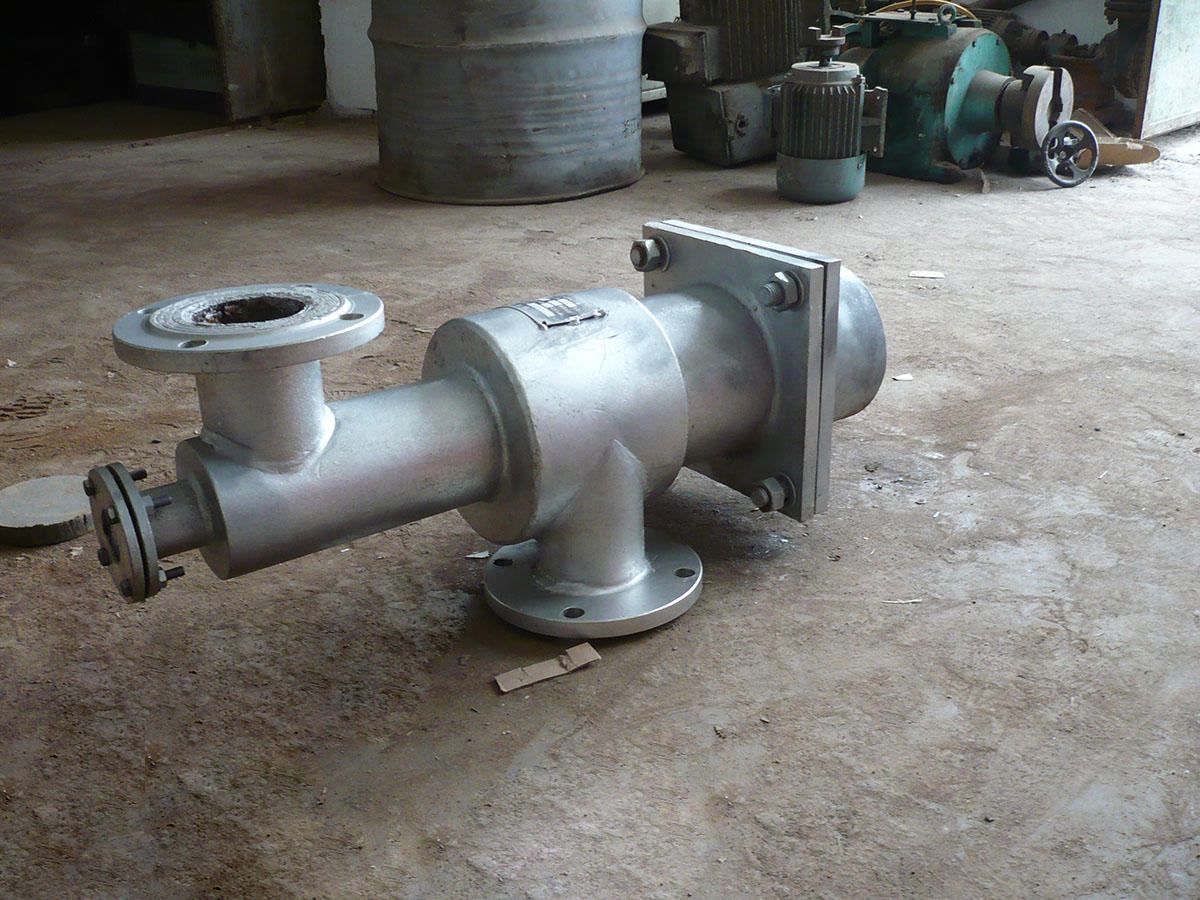
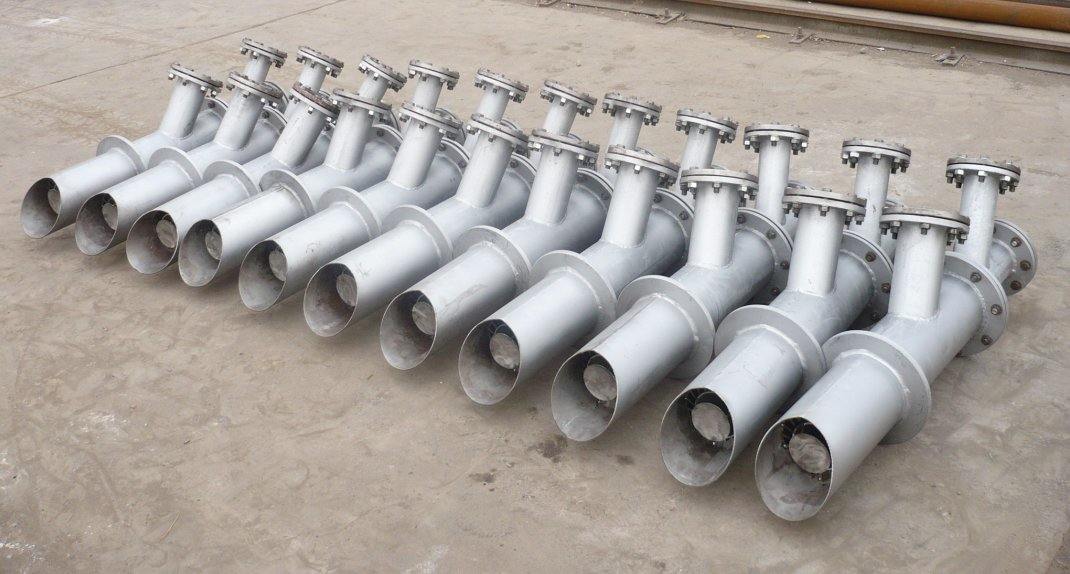
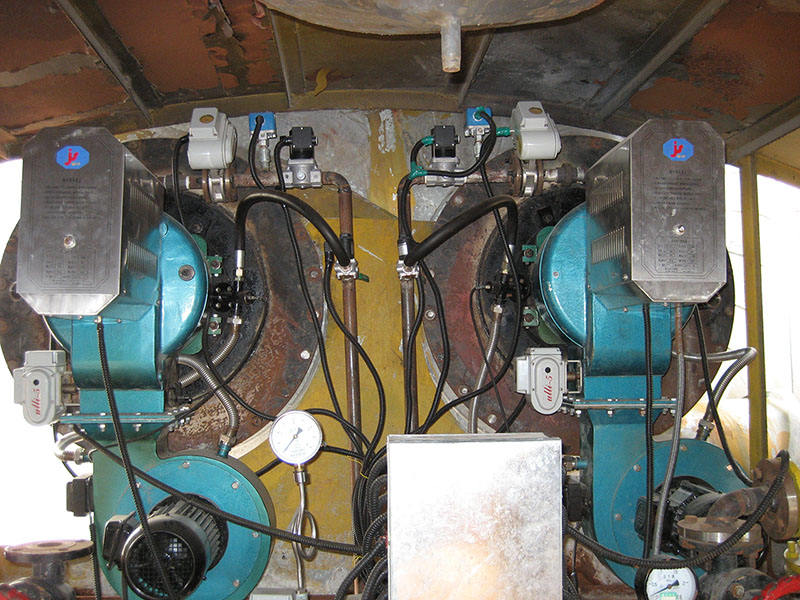
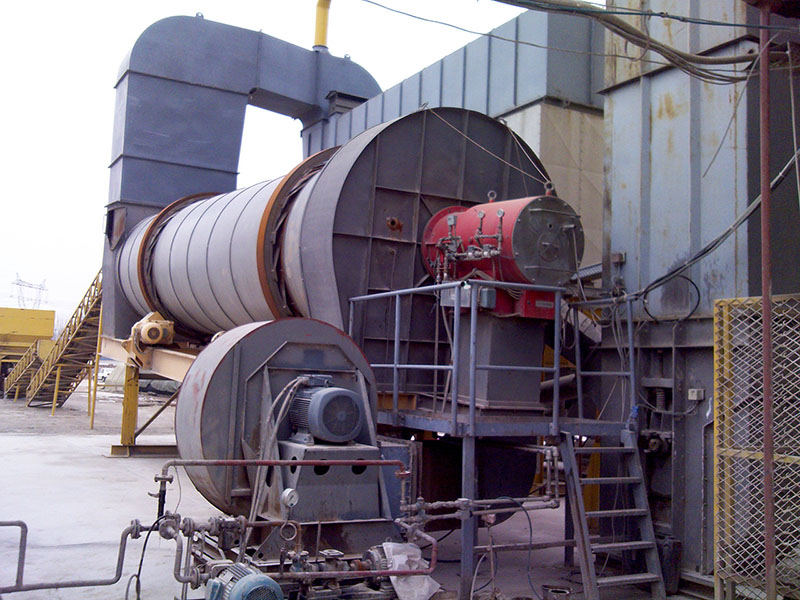
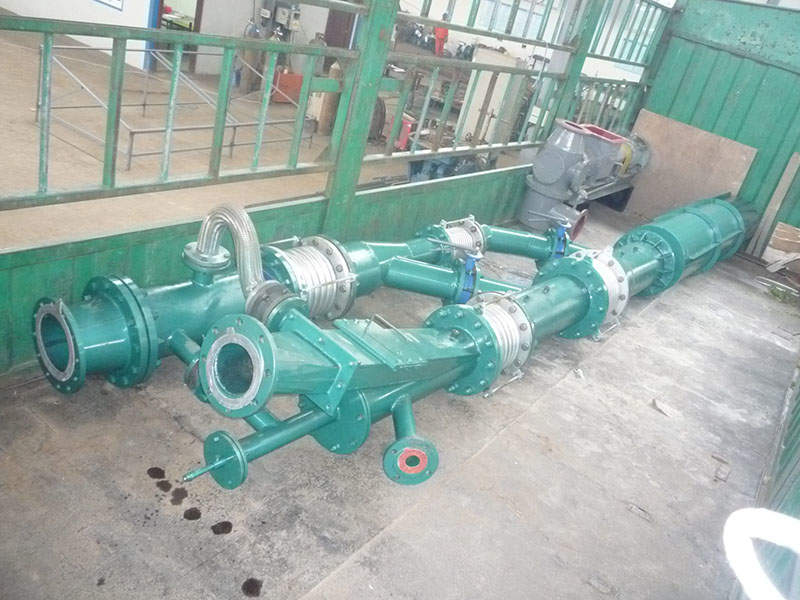
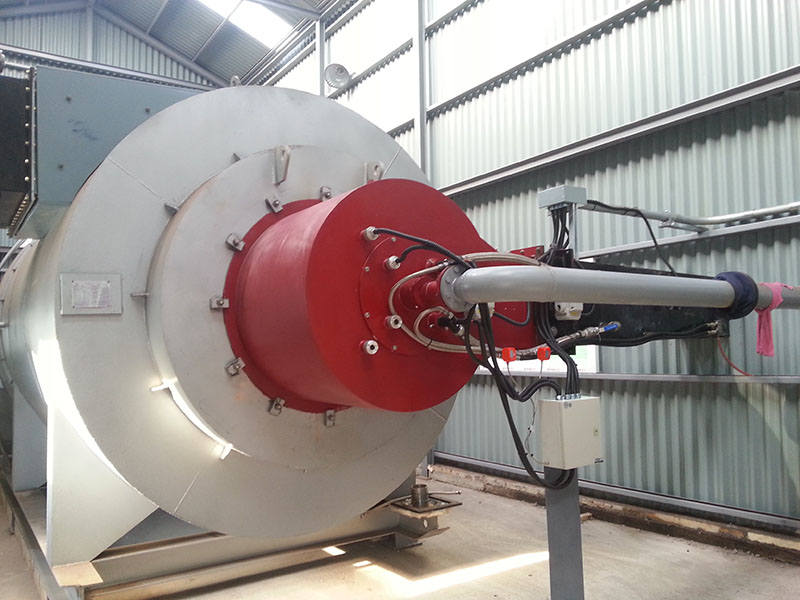
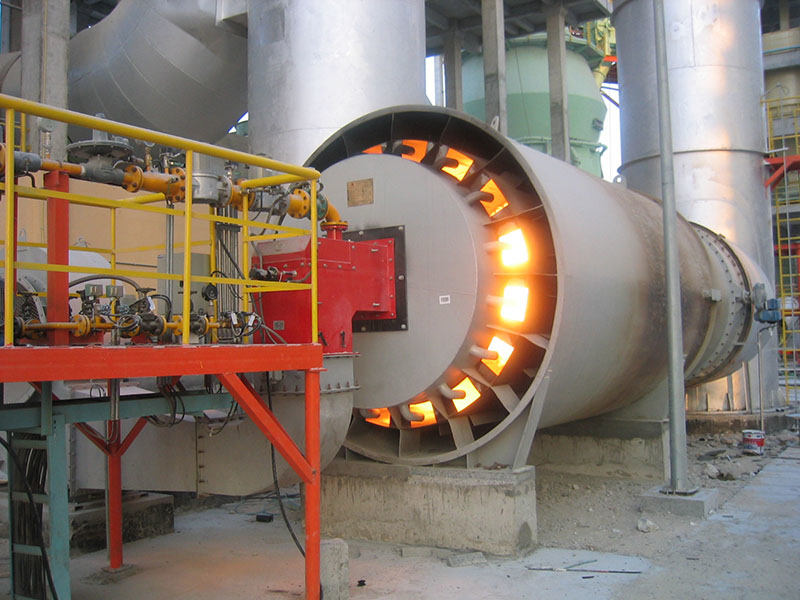
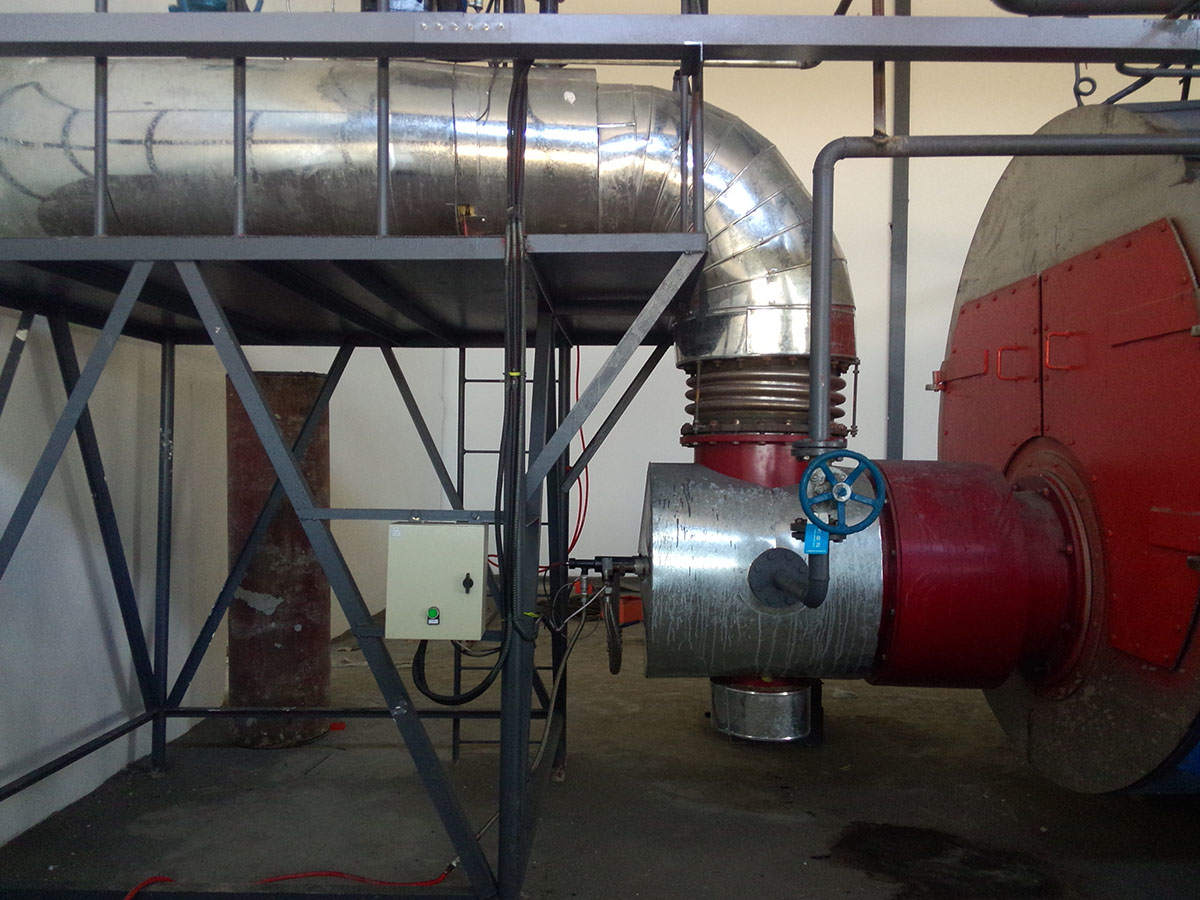
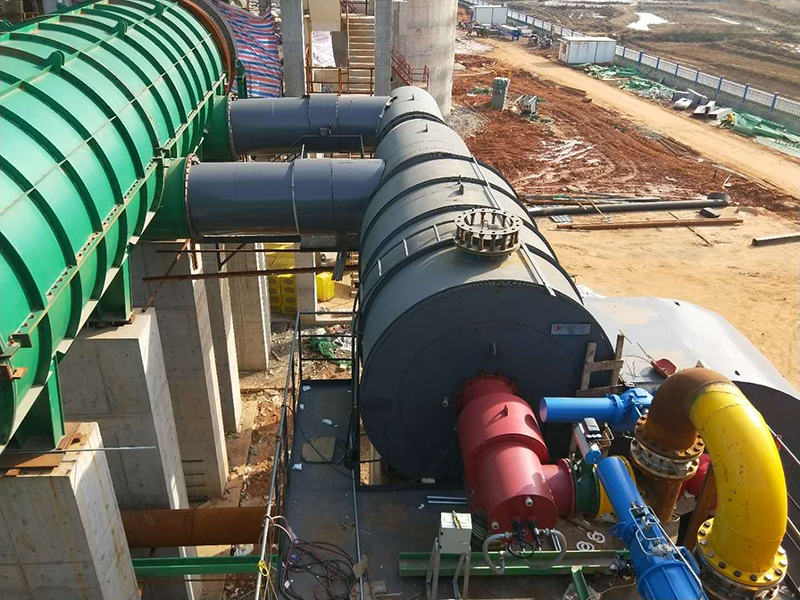
Industrial tail gas is an inevitable byproduct of industrial production, generated during the manufacturing processes of steel, chemical, and other enterprises. It mainly includes blast furnace gas, hydrocyanic acid tail gas, carbon black tail gas, desorption gas, formaldehyde tail gas, methanol waste gas, dimethyl ether tail gas, calcium carbide furnace tail gas, gas, dry gas, synthesis gas, etc. It generally has low calorific value, low pressure, and high toxicity. Uncontrolled emission will cause severe air pollution and greatly harm human health as well as the growth of plants and organisms. The combustible components in tail gas have a certain calorific value and can serve as excellent energy if utilized. Different tail gas compositions have different calorific values, and thus different applications and utilization methods. In response to the compositional characteristics and varying calorific values of different tail gases, our company has developed various types of industrial tail gas burners. With simple and rational structure and advanced and reliable technology, they can achieve stable combustion of low-calorific-value fuels for users, protecting the environment while saving considerable fuel costs.
Performance Features:
1. Suitable for combustion of various industrial tail gases, such as hydrocyanic acid tail gas, carbon black tail gas, desorption gas, formaldehyde tail gas, methanol waste gas, dimethyl ether tail gas, calcium carbide furnace tail gas, gas, dry gas, synthesis gas, etc.
2. Any gas containing combustible components can be used as burner fuel. Burners with different structures can be designed and manufactured for different gas compositions and calorific values to meet various fuel requirements of users.
3. The combination of internal mixing combustion technology and swirl combustion technology achieves stable combustion of low-calorific-value fuels.
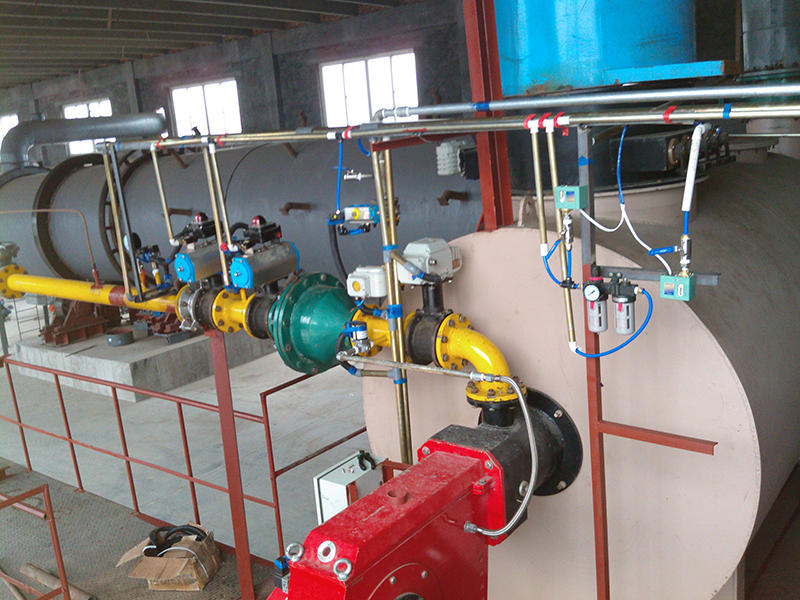
4. Equipped with protection and regulation systems, enabling program ignition, automatic regulation, fault protection, and other functions.
5. Capable of independent combustion of tail gas with a calorific value of 500 Kcal/Nm³ without a pilot flame.
6. Energy-saving and environmentally friendly.
7. Customizable design based on user site conditions.