

Mixing Principle
The mixer adopts a multi-dimensional mixing method. The machine body is arranged in an inclined configuration, with the mixing rotor eccentrically positioned inside the mixing drum. The mixing drum rotates, conveying materials to the high-speed rotating mixing rotor area. Side wall scraper plates are installed inside the mixer; while scraping material off the drum wall, the scraper plates also guide the material flow, tumbling the material to achieve macroscopic mixing and pushing it toward the mixing rotor. In addition, the inclined installation of the rotating mixing drum causes the material to form a strong vertical component of the mixed material stream when rotating to the high point, with material cascading down into the mixing rotor area, where the rotor mixes the circulating material stream. Through the combination of multiple mixing methods, velocity differences are created within the complex mixed material flow, achieving fine mixing and blending of materials.
Main Performance Features
1. High production efficiency and good mixing uniformity: The multi-dimensional mixing method can generate powerful energy in a short time to bring materials to a mixed state.
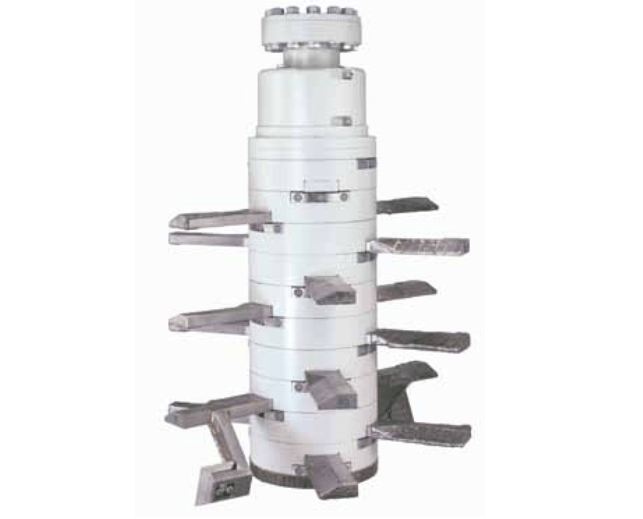
2. Good equipment reliability and low internal wear: Wear-resistant alloy liners are installed at the bottom and on the walls of the mixing drum. The mixing rotor blades and side wall/bottom scraper blades are surfaced with wear-resistant hard alloy mixing tools for long-lasting durability.
3. Convenient maintenance: The upper part of the mixer is equipped with observation ports, providing convenience for customers to observe the mixing process and the interior of the mixing drum. The drum wall is equipped with hinged access doors for maintenance and spare parts replacement. The wear-resistant liners on the drum wall/bottom are made in segmented pieces that can be individually removed and replaced. The mixing rotor blades and the drive shaft are of split-type design for easy replacement.
4. Diversified drive configurations: The power requirements, rotational speed, and energy transmission mode of the mixer can be selected according to the preparation task, offering multiple drive configurations. ① Driving the main mixing rotor via a standard variable-frequency motor and V-belts; ② Driving the main mixing rotor via a standard variable-frequency motor and gearbox; ③ Driving the main mixing rotor using a high-torque low-speed permanent magnet motor.
5. Rapid discharge and shortened mixing time: The discharge opening is arranged at the center of the mixing drum bottom and is hydraulically driven. At the end of the mixing cycle, the side wall/bottom scraper blades convey the material remaining at the bottom and edges of the mixing drum to the central area of the drum, facilitating rapid discharge of materials.
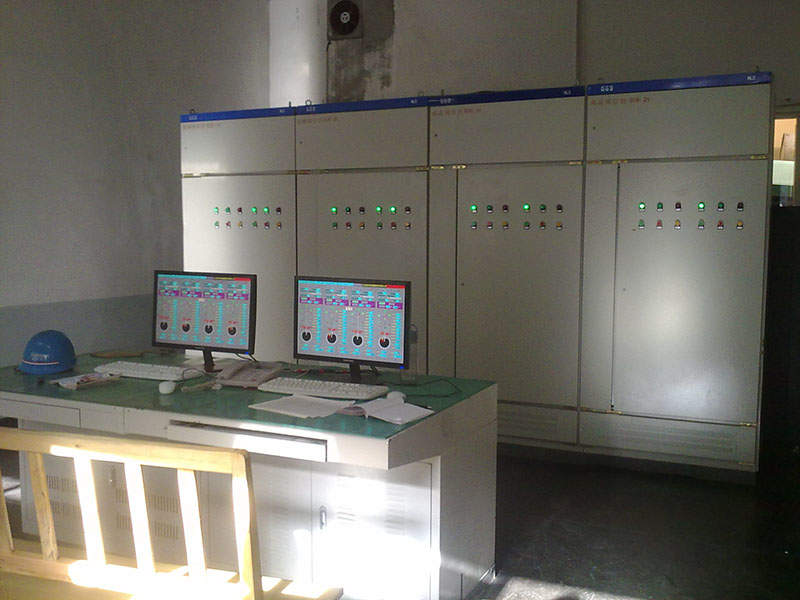
6. Convenient operation and high degree of automated control: PLC integrated control, with communication to the production line for automatic feeding and discharging; mixing time can be adjusted online. Material level monitoring is carried out via level sensors and weighing sensors. A lubrication system is provided to automatically replenish oil to mechanical components according to the set lubrication interval. A hydraulic discharge system is provided for automatic discharging. The system also features speed monitoring, door-opening interlock, and other interlocking functions.
Wide application range: Suitable for building materials, metallurgy, refractory materials, and various other industries requiring uniform mixing.