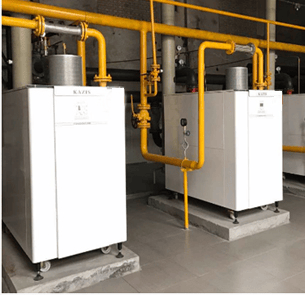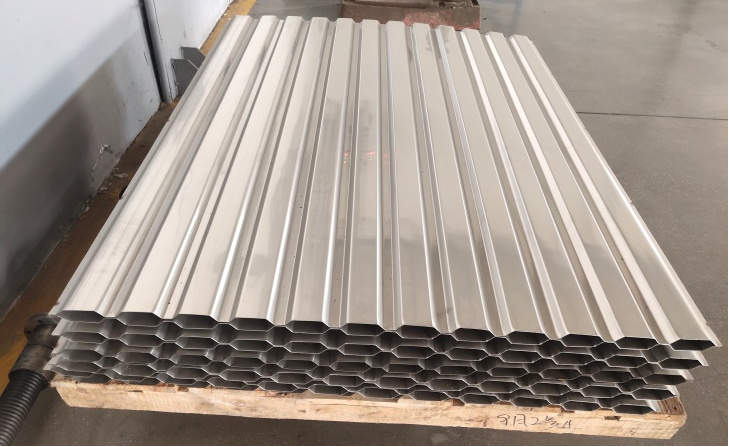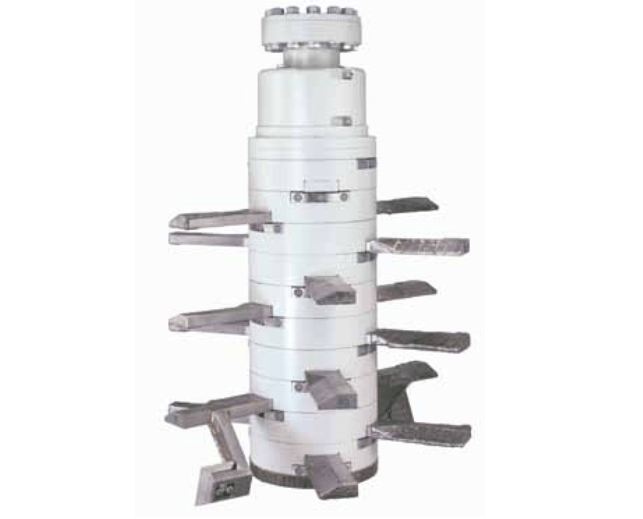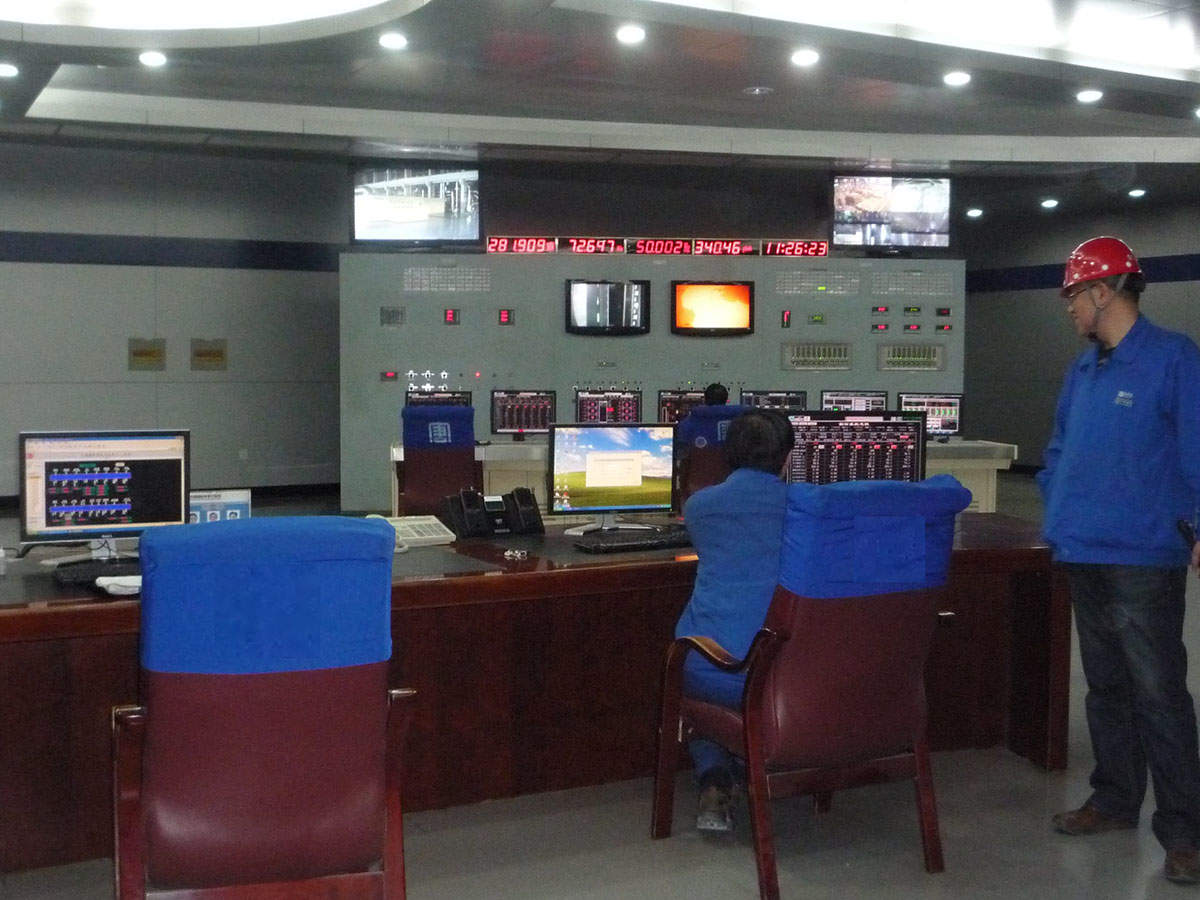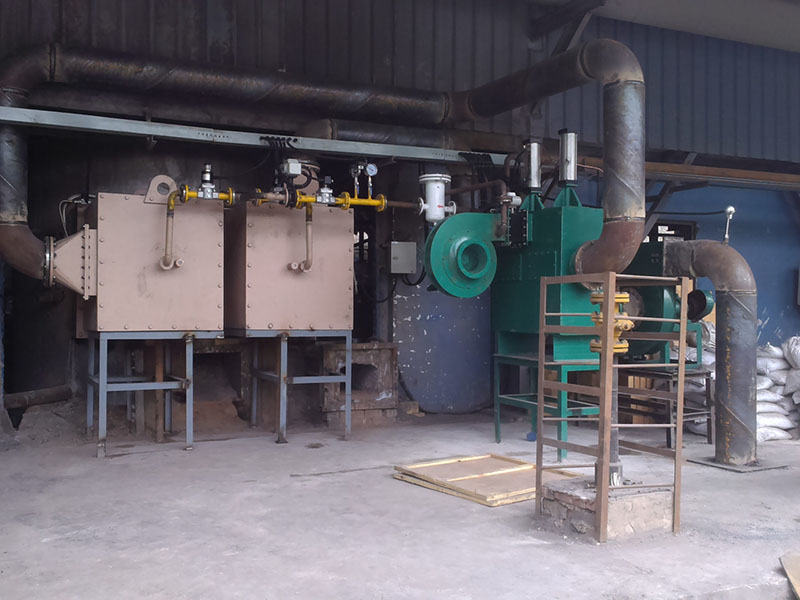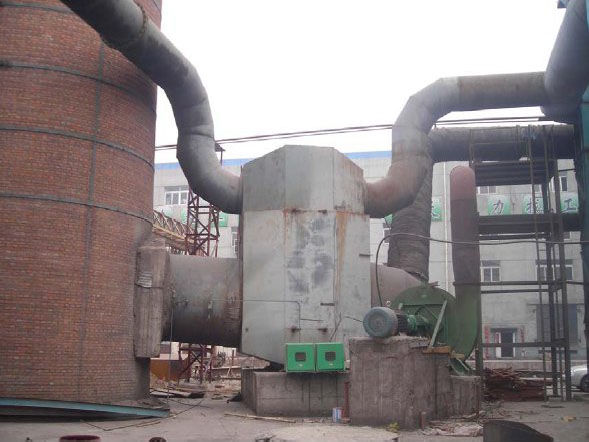


Heat Pipe Heat Exchanger:
Product Applications:
1. Heating air — used for combustion support in furnace chambers or as a clean hot air stream for drying pharmaceuticals, agricultural and sideline products, food, or other industrial products.
2. Heating coal gas — used to raise the temperature of high-calorific-value fuel to ensure stable combustion.
3. Heating water — used for space heating, domestic water, or other purposes.
4. Heating residual oil — used for boiler combustion heating.
5. Generating steam — used for various industrial and daily-life gas applications.
6. The above five heat exchange methods have been developed into a series of products. In addition, composite heat exchange can be customized according to user requirements, i.e., using the same heat source to simultaneously heat hot air and water (liquid) to meet different applications.
The above various heat pipe heat exchanger products, as energy-saving devices or heat conversion devices, can be used in combination with various models of industrial boilers, thermal oil furnaces, and industrial furnaces and kilns, and are widely applied in industries such as steel, metallurgy, food, chemical, and pharmaceutical.
Product Features:
1. The main component of the heat pipe heat exchanger is the heat pipe, which features high heat transfer capability, noiseless heat exchange process, light weight, small volume, and good isothermal performance.
2. The heat pipe heat exchanger can completely separate hot and cold fluids through the intermediate partition plate of the heat exchanger. During operation, if a single heat pipe is damaged due to wear, corrosion, over-temperature, or other causes, only that single heat pipe fails without mixing of hot and cold fluids, and it can be replaced individually, facilitating maintenance. Therefore, the heat pipe heat exchanger offers high reliability for heat exchange applications involving flammable, explosive, corrosive, and other fluids.
3. The heat pipe heat exchanger can achieve complete counter-flow heat exchange between cold and hot fluids; meanwhile, both hot and cold fluids flow outside the pipes. Since the heat transfer coefficient of external flow is much higher than that of internal flow, and extended heat transfer surfaces can be adopted on both sides, it is very economical for recovering low-grade thermal energy, with heat exchange temperatures ranging from 30 to 800 degrees Celsius.
4. The heat pipe heat exchanger can solve the problems of wear and ash blockage in heat exchangers.
5. When used for waste heat recovery from corrosive flue gas, the heat pipe wall temperature can be adjusted by modifying the heat transfer areas of the evaporation section and condensation section, so that the heat pipe avoids the maximum corrosion zone as much as possible.