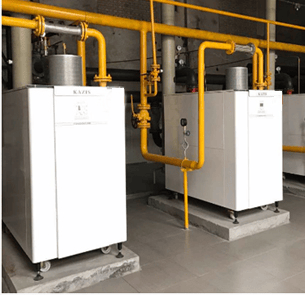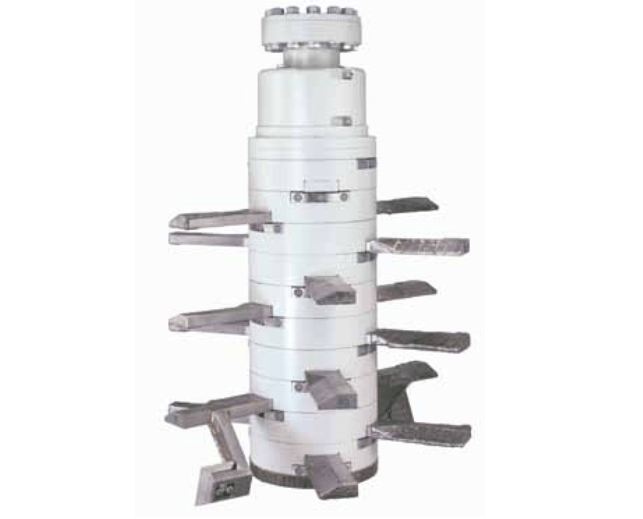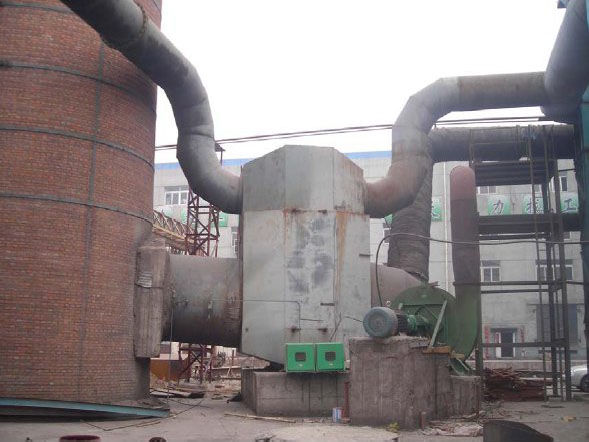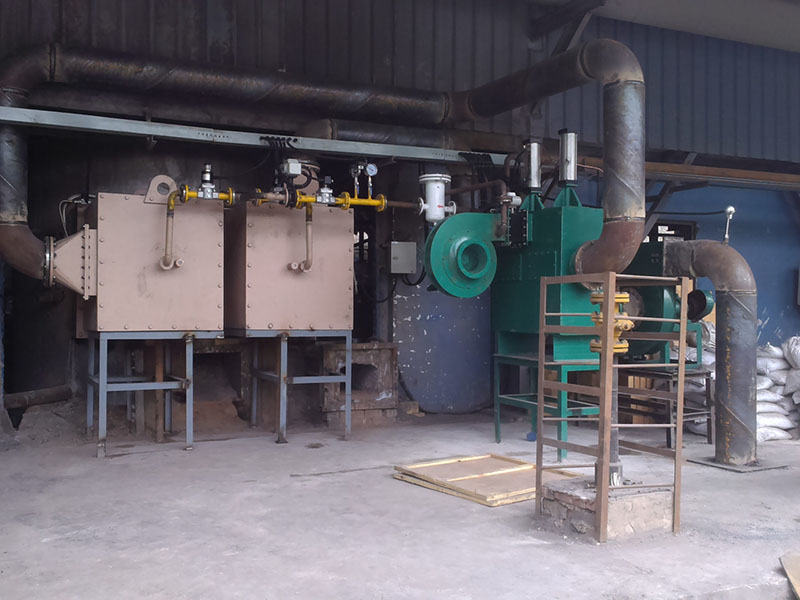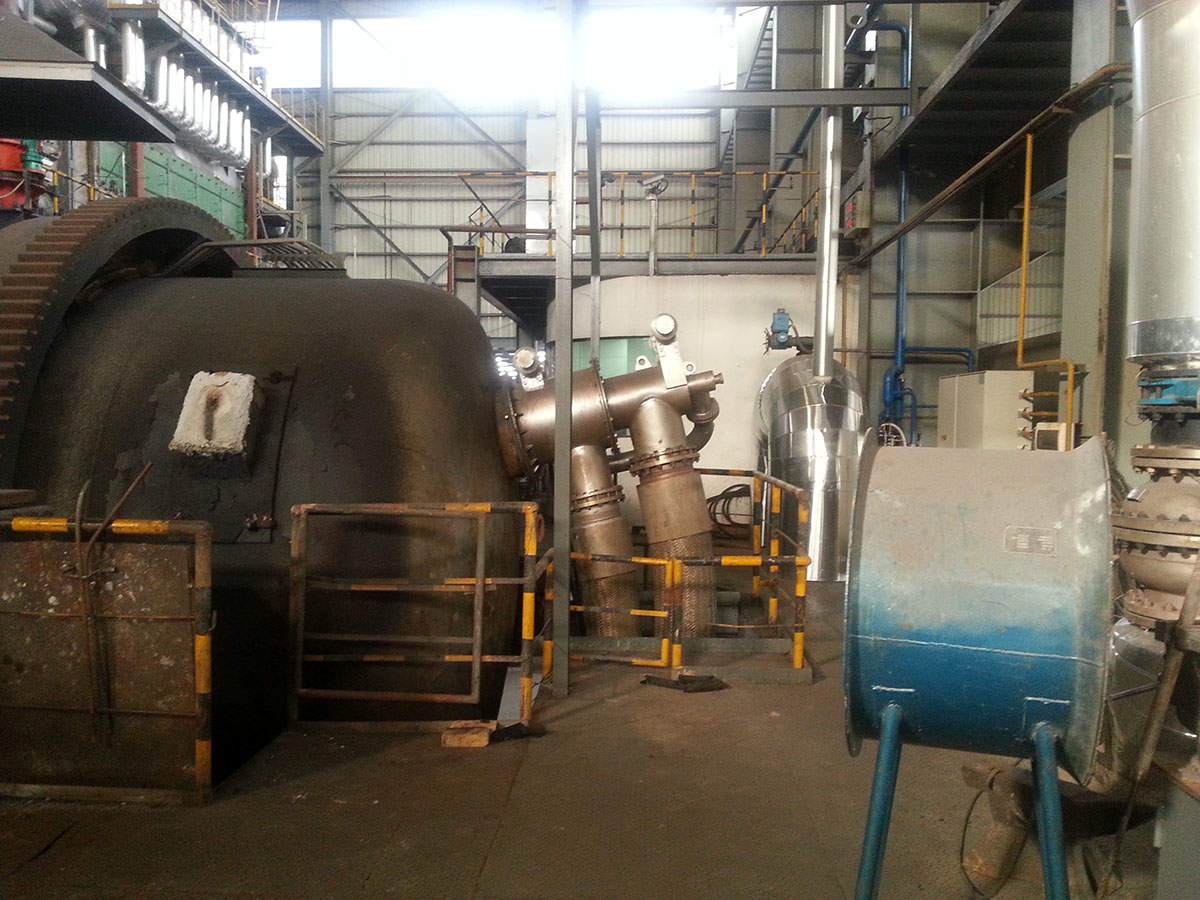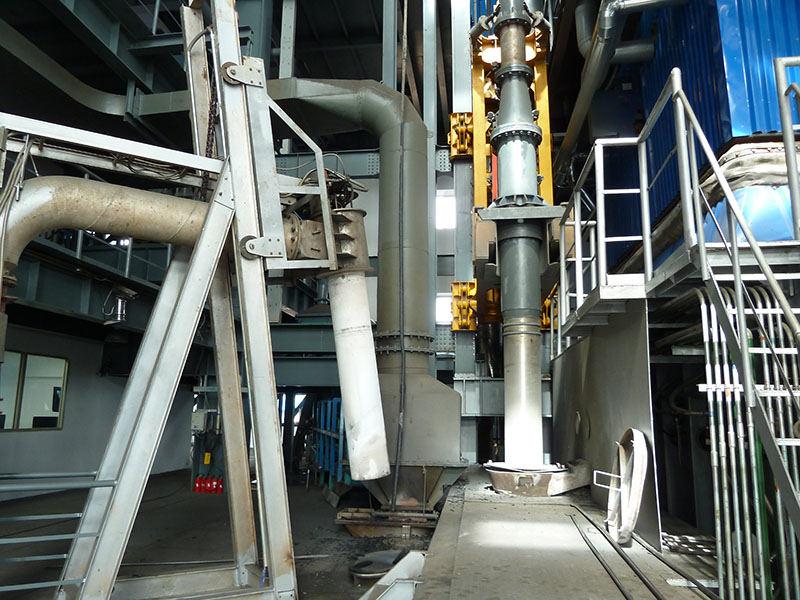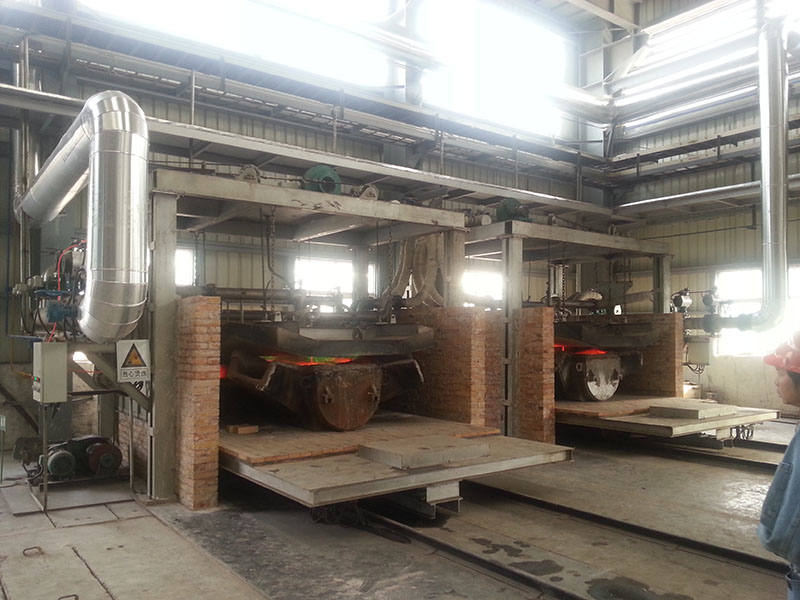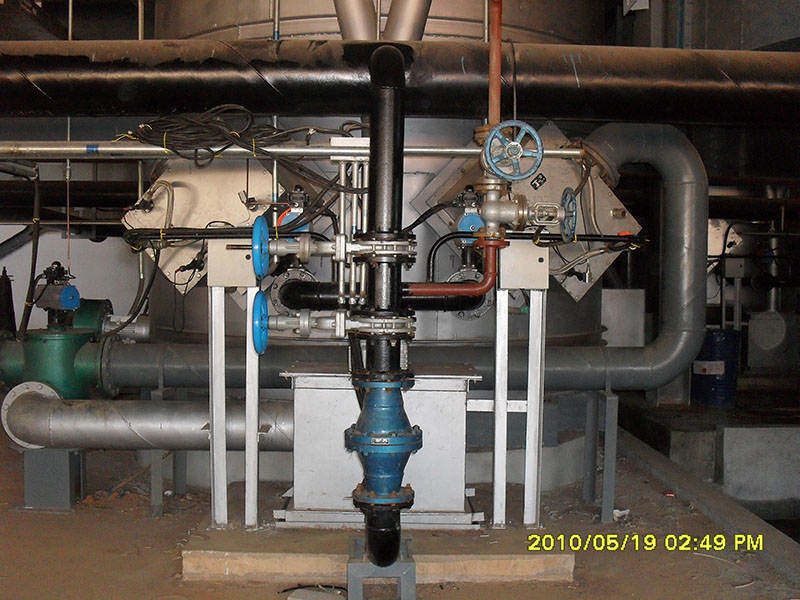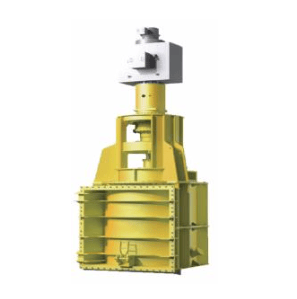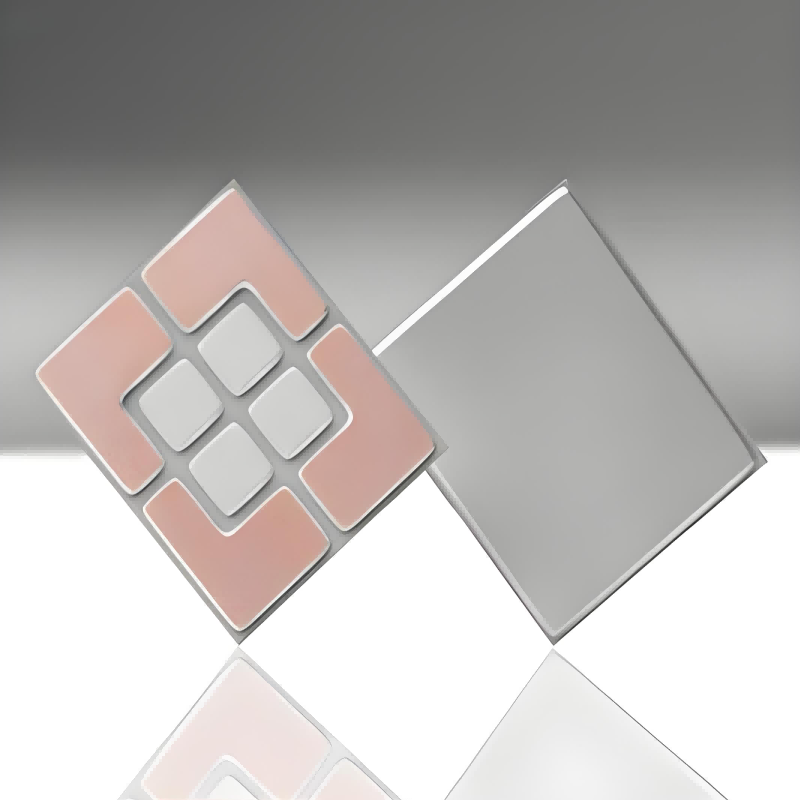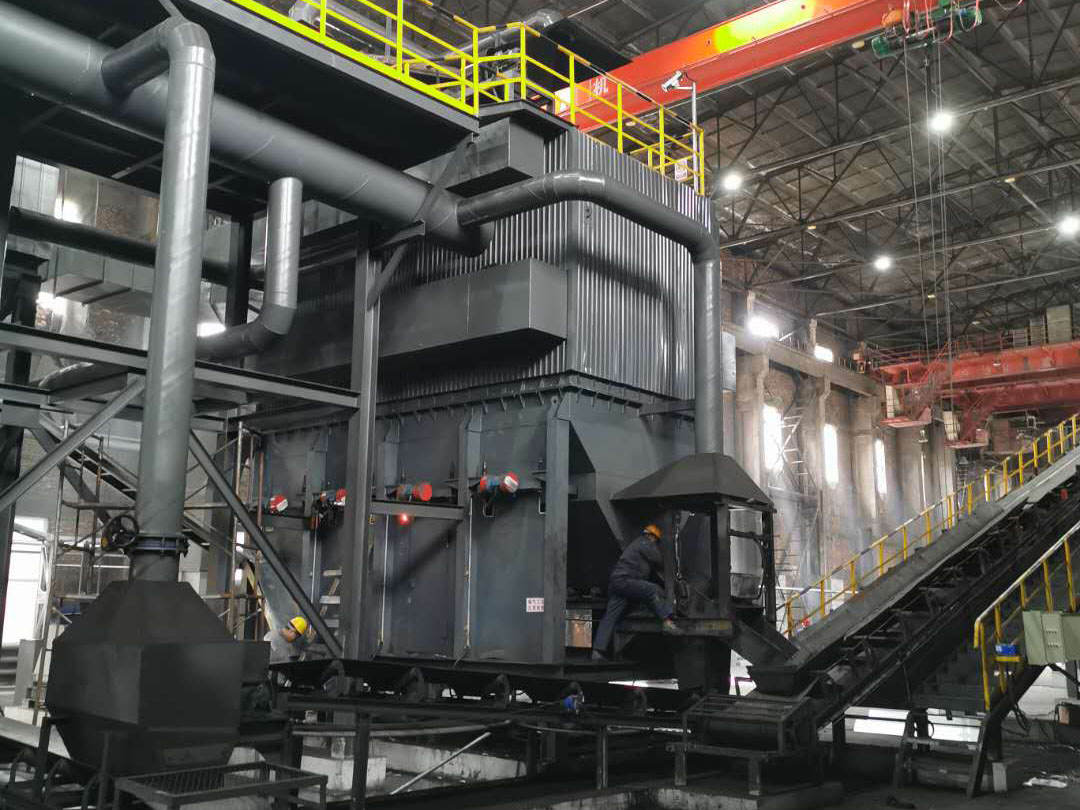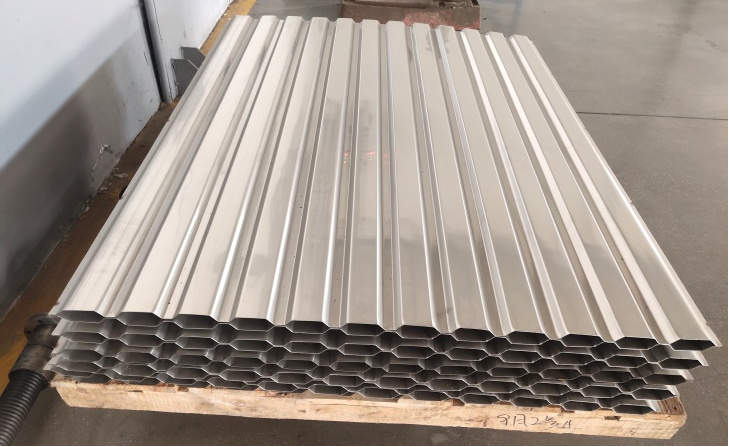


The gas-gas plate heat exchanger uses metal corrugated plates as heat transfer elements and adopts a welding process for sealing, which greatly improves the reliability of the heat exchanger. It features a high heat transfer coefficient and a small footprint, making it a new type of heat exchange equipment.
Main Performance Characteristics
1. In the field of gas heat exchange above 300°C, the plate heat exchanger is an upgraded replacement product for finned-tube and shell-and-tube heat exchangers.
2. Lightweight, small footprint, and can be installed on buildings; the heat exchange area per cubic meter can reach 20 m²/m³ (shell-and-tube type is approximately 4–5 m²/m³).
3. Bidirectional corrugated plates with a plate thickness of ≤1.2 mm significantly improve the heat transfer film coefficient of the heat exchanger. The heat transfer efficiency is 2–3 times that of ordinary shell-and-tube and finned-tube heat exchangers, and the overall heat transfer film coefficient can reach over 40 W/m²·K.
4. Elastic structural design effectively solves the problem of thermal expansion.
5. The maximum working temperature of the hot fluid can reach 950°C.
6. The equipment has an all-welded structure, avoiding leakage problems.
7. The heat exchange plates adopt corrugated plates and peak welding technology, with a stable structure that does not deform. The stainless steel consumption per square meter is only two-fifths that of shell-and-tube heat exchangers.
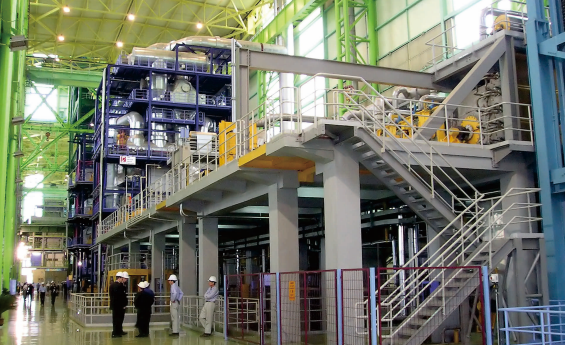
8. Modular design allows multiple combinations; the assembly area of a single unit can reach over 2,000 m².
9. The equipment features internal insulation using composite insulation materials, with a wall temperature of ≤60°C.
10. Applications: indirect heat exchange occasions such as drying of clean items, combustion air heating, and flue gas waste heat recovery.
11. Users can customize non-standard designs according to actual project conditions.