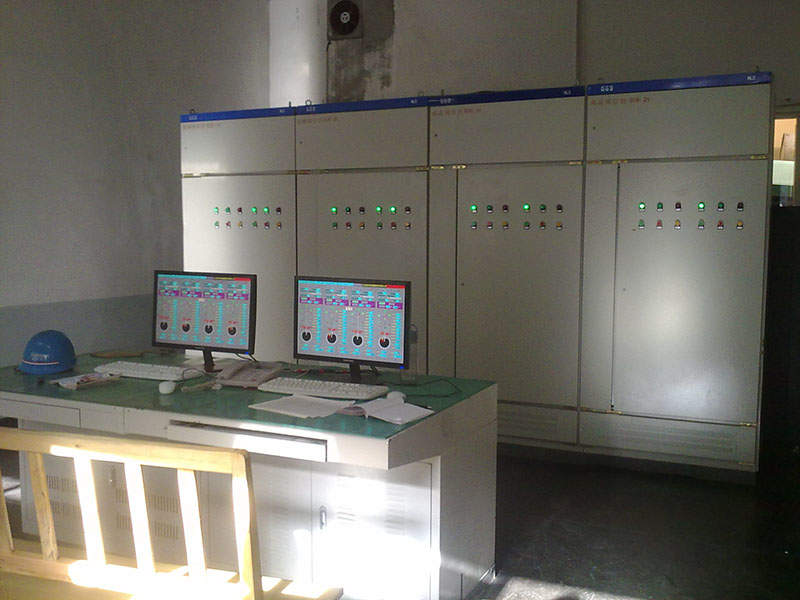


Combustion Control:
The burners produced by our company are equipped with the following control modes: manual control, two-stage fire control, proportional control, touch screen digital variable-frequency proportional control, and industrial PC digital variable-frequency proportional control. All these control modes have been rigorously designed and can achieve automatic ignition, flameout protection, and automatic fire power adjustment, featuring energy saving, stability, and reliability.
I. Two-Stage Fire Control Technology
The two-stage fire control system adopts PLC control technology to automatically complete ignition, temperature rise, adjustment, and protection functions. This system is divided into two modes: damper two-stage fire control and variable-frequency two-stage fire control. It automatically adjusts the gas inlet valve opening according to the temperature (pressure, etc.). In damper two-stage fire control, the switching between high and low fire is achieved by adjusting the damper to regulate air volume; in variable-frequency two-stage fire control, the switching between high and low fire is achieved by changing the motor speed to regulate air volume. Compared with damper two-stage fire control technology, variable-frequency two-stage fire control technology is more accurate and reliable, while also offering energy savings and noise reduction.
II. Proportional Control Technology
Proportional control technology is divided into two types: damper-regulated proportional control and variable-frequency regulated proportional control.
Damper-regulated proportional control regulates air volume through continuous adjustment of the damper. Its combustion regulation system consists of a damper and a gas regulating valve working together. Through the proportional action of the damper and gas regulating valve, the target value is controlled at a single point. The relationship between damper opening and air flow is nonlinear, and its proportional coefficient is a fuzzy number. Our company adopts the digital fuzzy control method, i.e., when external conditions change, the PLC's PID control loop performs fuzzy calculations and responds accordingly, always keeping the controlled variable at the set point, thereby achieving fuzzy proportional combustion. Variable-frequency regulated proportional control achieves air volume regulation by directly controlling motor speed. When the load decreases, the motor speed decreases accordingly, and power consumption is reduced accordingly, with energy savings of up to 30% or more. In addition, since the fan speed changes simultaneously with variable-frequency load regulation, on-site noise is greatly reduced, effectively improving the working environment.
III. Industrial PC Digital Control Technology
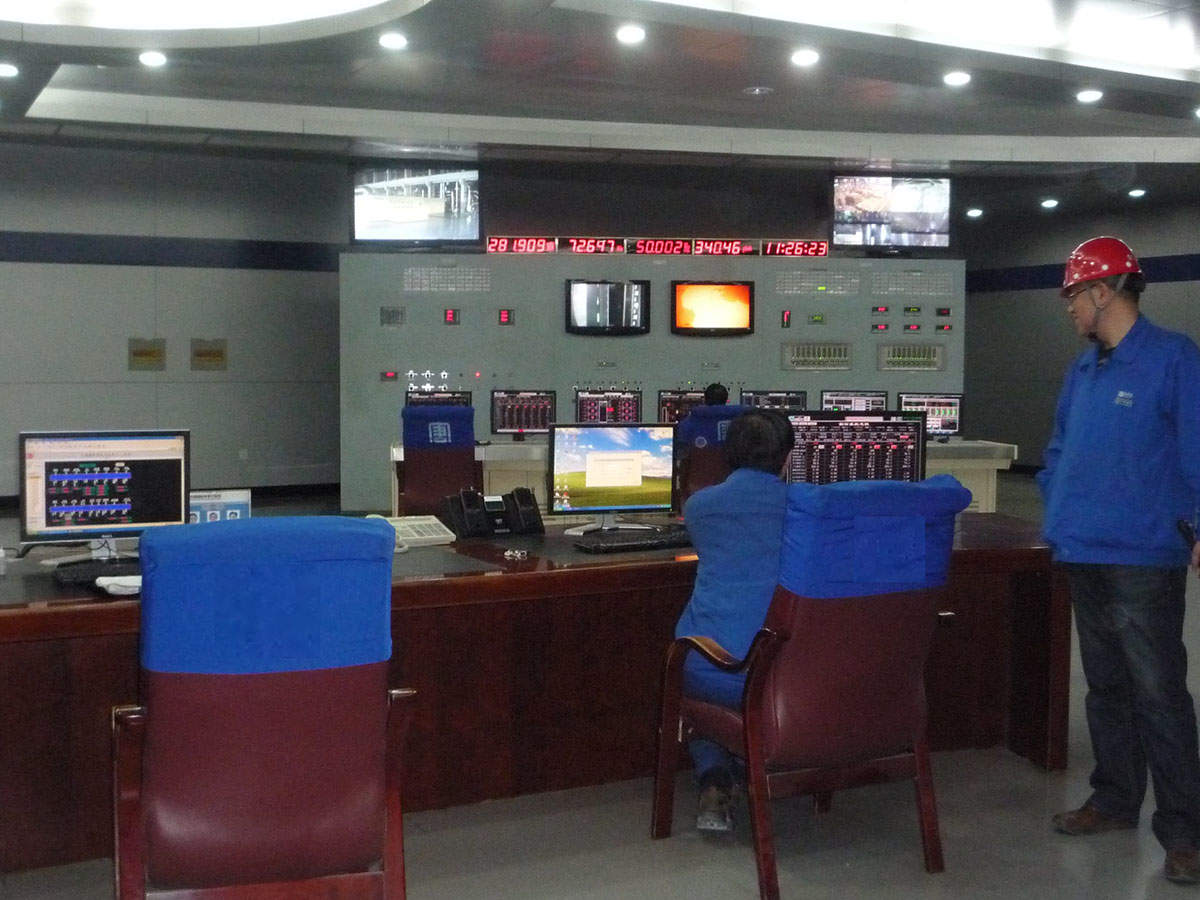
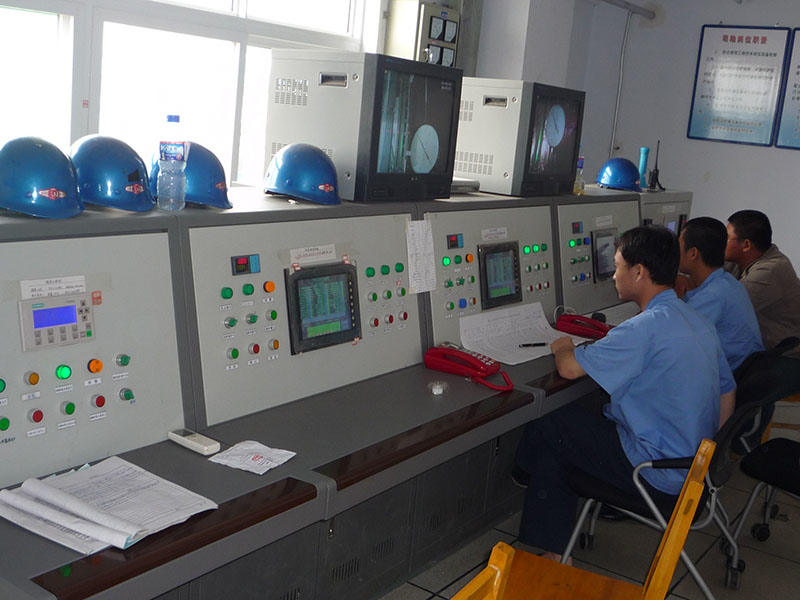
The Industrial Personal Computer (IPC) is a general term for tools that adopt a bus structure for inspecting and controlling production processes, electromechanical equipment, and process equipment. Industrial PC digital control technology uses PLC for system data acquisition and processing, with the industrial PC serving as the human-machine interface for operating the system and displaying various monitoring screens. This system can be placed in any operating room, facilitating centralized operation. It has all the functions of a computer, can be connected to printers, etc., and can record and print reports at any time.
IV. Pulse Combustion Control for Heat Treatment Furnaces
Pulse combustion control for heat treatment furnaces is based on PLC + human-machine interface. Data is acquired and processed through the PLC, and system operation is operated and monitored through the human-machine interface. The control mode can automatically carry out temperature rise, holding, and cooling mode transitions according to a set temperature curve. Temperature control has two modes: manual and automatic, with bumpless switching. During operation, according to the temperature of each zone in the furnace, the PLC issues commands as periodic pulse-width-variable signals to control the combustion and shutdown timing of the burners. When the burner controller receives the combustion command signal from the PLC, it opens the air and gas on-off valves and automatically ignites and monitors the burner's combustion status; when it receives the shutdown command signal, it stops the burner's combustion and enters a standby state. This cycle repeats continuously. Relevant furnace data is stored in the human-machine interface system and displayed in graphical form, based on which operators can select appropriate processes to treat workpieces, achieving effective management. The use of pulse combustion technology in heat treatment furnaces enables accurate temperature control and high furnace temperature uniformity.