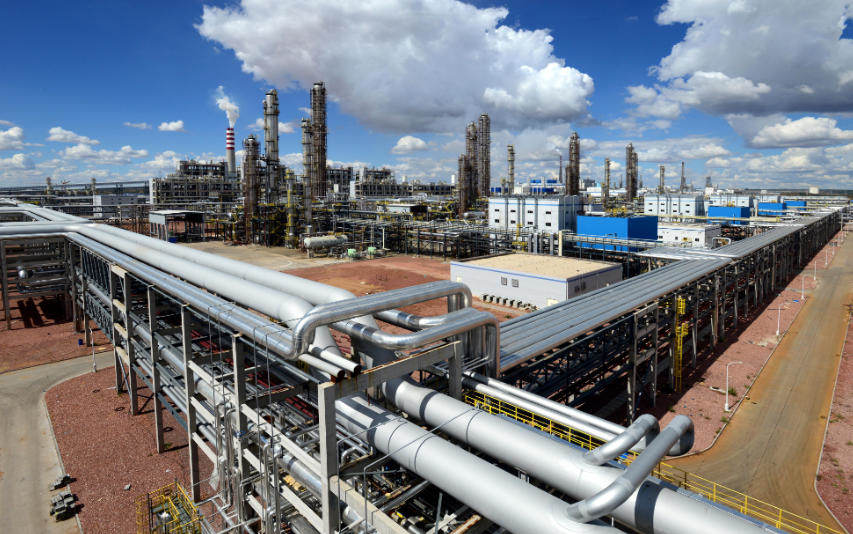
Wedoany.com Report on Feb 27th, Ethylene, a crucial raw material in modern manufacturing, is widely used in the production of various everyday materials like plastics. However, traditional manufacturing processes are often accompanied by significant climate impacts. Producing approximately one ton of carbon dioxide per ton of ethylene, with global annual production exceeding 300 million tons, this constitutes a major source of carbon emissions, prompting researchers to explore methods for emission reduction.
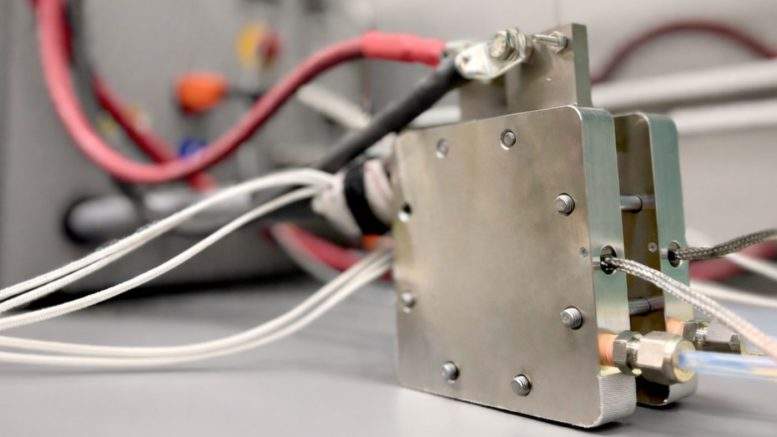
In the latest research from Northwestern University, a team led by Ted Sargent has developed a new type of electrolyzer. This device aims to drive the transformation of ethylene production towards a more environmentally friendly model by integrating waste materials and renewable energy. Published in the journal *Nature Energy*, this research provides new ideas for reducing the ethylene industry's reliance on fossil fuels.
This electrolyzer technology uses electricity to convert syngas into ethylene. Syngas, composed of carbon monoxide and hydrogen, can be obtained through the gasification process of plastic waste. Syngas was chosen as the feedstock because its chemical properties are closer to ethylene, requiring less energy for conversion, offering advantages over producing ethylene directly from carbon dioxide. The researchers introduced a new material, sodium polyacrylate (PANa), which mimics a liquid salt bath environment, helping the reaction proceed efficiently while reducing overall energy consumption.
"Our goal is to decarbonize chemicals," said Sargent, "and this work is a major step in that direction." Sargent is a professor of chemistry in the Weinberg College of Arts and Sciences and a professor of electrical and computer engineering in the McCormick School of Engineering at Northwestern University.
Ke Xie, a researcher in the Department of Chemistry at Weinberg College, added, "We wanted to create a circular system that produces chemical building blocks from waste without using fossil fuels, and this system is part of that new atom-efficient and energy-efficient supply chain."
Currently, ethylene is primarily produced through steam cracking, a method that relies on fossil fuels and is energy-intensive. Scientists are researching electrochemical processes as alternatives, but directly converting carbon dioxide requires substantial energy, limiting its practicality. In contrast, Sargent team's electrolyzer technology, which converts syngas, is over 60% more efficient than the previously most energy-efficient method for converting carbon dioxide.
"A lot of syngas is used to make chemicals, so finding a pathway to convert syngas to ethylene that is both highly selective and very energy efficient is industrially significant," Sargent said. The device is also designed to accommodate the intermittent nature of renewable energy sources like solar and wind.
Next, the research team plans to further optimize the device's energy consumption, aiming to make it comparable to steam cracking. They will also use artificial intelligence and machine learning tools to explore more efficient catalysts. The ultimate goal is to develop industrial-scale devices that can be scaled up, continuously reducing the carbon footprint of ethylene.