Wedoany.com Report on Feb 28th, As global uranium demand is projected to increase from 68,920 tons in 2025 to 107,000 tons by 2040, the nuclear energy supply chain is facing significant pressure. This trend is driving uranium developers to establish production capacity across multiple jurisdictions to circumvent regulatory delays and infrastructure limitations in traditional mining regions.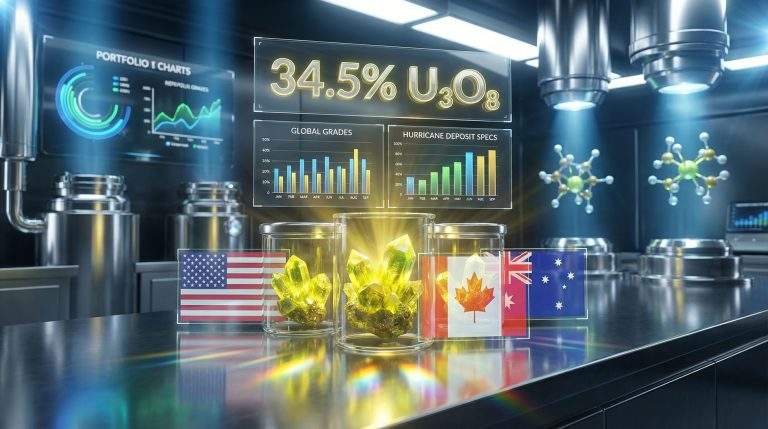
The modern nuclear fuel supply chain is highly concentrated, amplifying risks during market tightness. Uranium market volatility continues to challenge traditional investment models, and processing infrastructure varies significantly across regions. Consequently, investors are increasingly seeking exposure through geographically diversified developers. IsoEnergy's uranium industry strategy is formed within this context, mitigating jurisdictional risk by integrating assets in the United States, Canada, and Australia.
Each jurisdiction offers distinct risk-return characteristics. U.S. projects leverage existing infrastructure to accelerate production timelines; Canada's Athabasca Basin offers ultra-high-grade resources; and Australia possesses large-scale export potential. This layout optimizes capital allocation and reduces policy risk associated with any single country.
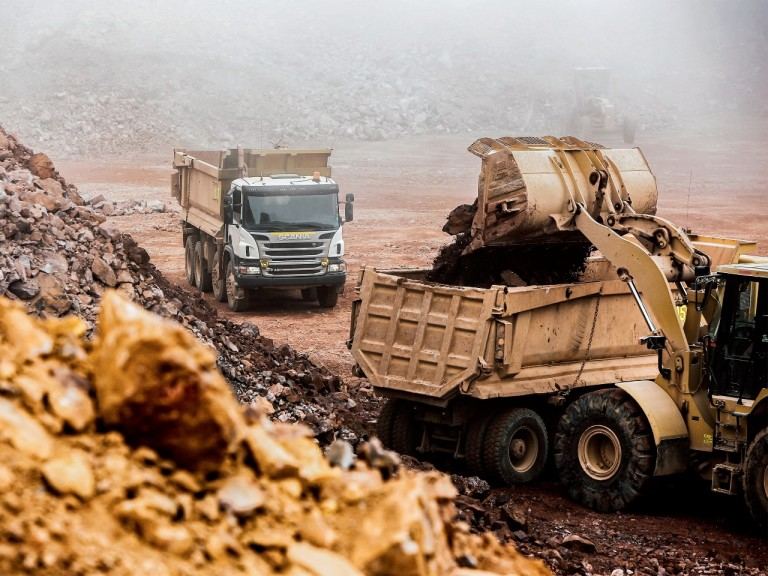
The Tony M Uranium Project in Utah achieves capital efficiency by utilizing the White Mesa mill, with current bulk sampling operations processing approximately 2,000 tons of ore to validate economic assumptions. The Hurricane deposit boasts a resource grade of 34.5% U₃O₈, significantly higher than the global average, providing operational advantages. IsoEnergy also holds an equity portfolio valued at approximately $60 million, including a cornerstone investment in Orpheus Uranium, to maintain market exposure.
Uranium market fundamentals indicate structural tightness, with demand growth underpinning development economics. However, execution risks include technical challenges, regulatory approvals, and price volatility. Investors need to monitor operational progress to assess the value creation potential of this strategic positioning.