Griffin Nuclear Reactor Simulator Facilitates R&D in Advanced Nuclear Energy Technologies
Wedoany.com Report on Feb 28th, Scientists in the United States have recently developed a new digital test platform named Griffin for nuclear reactor physics modeling and simulation. This tool, created collaboratively by Idaho National Laboratory and Argonne National Laboratory, is expected to accelerate the research and development process for advanced nuclear reactors.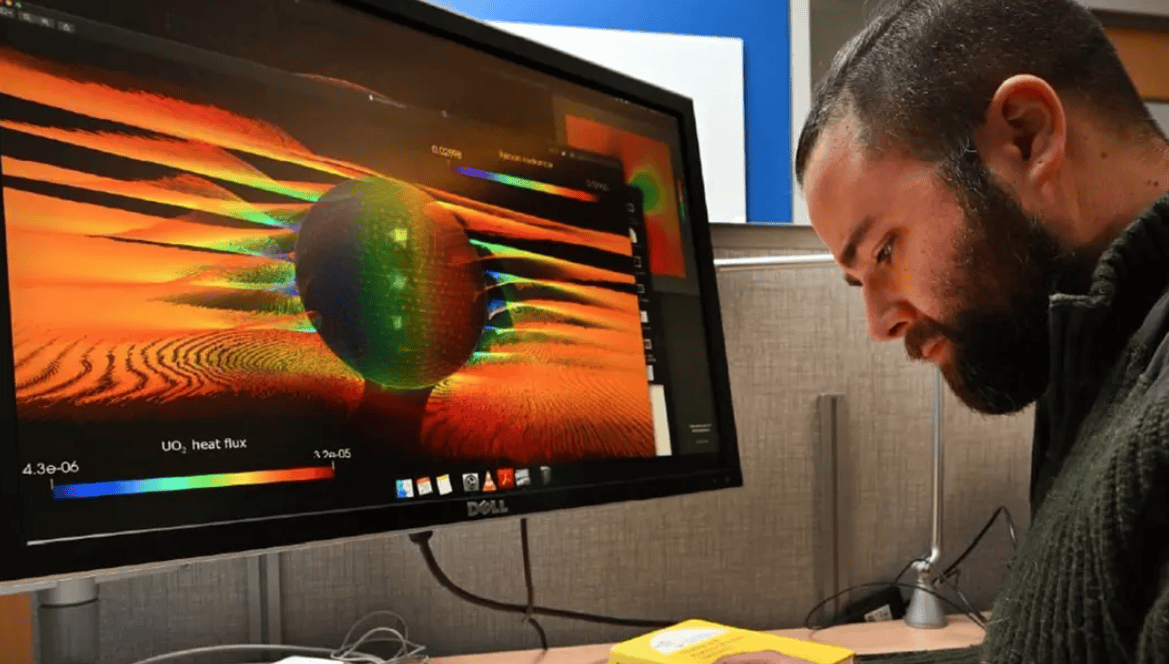
The Griffin nuclear reactor simulator can accurately predict the performance of reactors with different designs, enabling engineers to simulate complex reactor behaviors in greater detail, thereby reducing reliance on expensive prototypes and lengthy testing cycles.
Dr. Changho Lee, Principal Nuclear Engineer at Argonne National Laboratory, stated, "Griffin can simulate many of the processes that occur in an operating reactor. It is closer to the real scenario, where high temperatures, high pressure, and neutron flux in the harsh environment of the reactor core are causing changes to the fuel and reactor materials."
As a winner of the 2025 R&D 100 Award, the Griffin nuclear reactor simulator is widely used by nuclear energy researchers, regulators, and industry. It simulates the core processes inside an operating reactor, including neutron transport, thermal flow, fuel channels, and material stress.
Dr. Lee added, "It is cheaper and safer to operate, allowing you to explore multiple scenarios." The platform is developed based on the award-winning MOOSE platform and is designed to allow coupling with other codes for thermal-hydraulic, thermo-chemical, and thermodynamic analysis.
Dr. Josh Hanophy, a Radiation Transport Methods Development Researcher at Idaho National Laboratory, noted, "It has the capability to interact with other physics, either within the MOOSE framework or outside of it." The system simulates nuclear reactors by integrating neutronics, thermal-hydraulics, structural mechanics, material behavior, and fuel performance.
The Griffin nuclear reactor simulator tracks isotope changes, helping to assess fuel evolution and reactor operation modes. It utilizes nuclear data and machine learning to predict neutron interactions, accelerate the simulation process, and support researchers in choosing between fast, low-fidelity models and slower, high-fidelity models.
Due to its technical depth and flexibility across reactor types, the system can analyze designs for pebble bed, prismatic high-temperature, molten salt, sodium and lead-cooled reactors, as well as microreactors and other advanced concepts.
Griffin is also being used to help design nuclear systems for NASA, including nuclear thermal propulsion rockets, microreactors for fission surface power on the Moon and Mars, and devices that provide heat and electricity for spacecraft and remote operations.
For example, in DARPA's Demonstration Rocket for Agile Cislunar Operations (DRACO) project, Griffin helped simulate the tightly coupled physical systems inside a nuclear rocket. The platform's flexibility also extends to fusion research, capable of simulating neutron interactions within breeding blankets that produce tritium fuel.
Dr. Javier Ortensi, a former R&D Scientist at Idaho National Laboratory, summarized in a press release, "Griffin aims to revolutionize nuclear energy by combining advanced computational capabilities with deep scientific understanding, leading the way to a safer and more efficient energy future."
Related Products

5012kWh DC Energy Storage System TD-EES-5012kWh
Suzhou Tongding Xindong Energy Storage Technology Co., Ltd.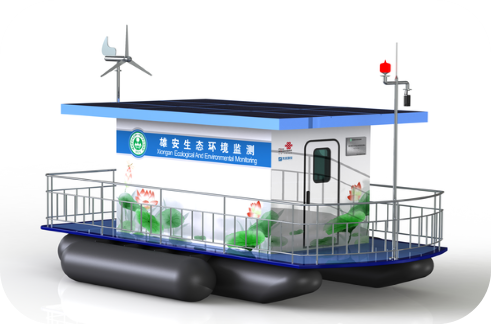
Floating Boat Water Quality Automatic Monitoring System
Hebei Sailhero Environmental Protection High-tech Co., Ltd.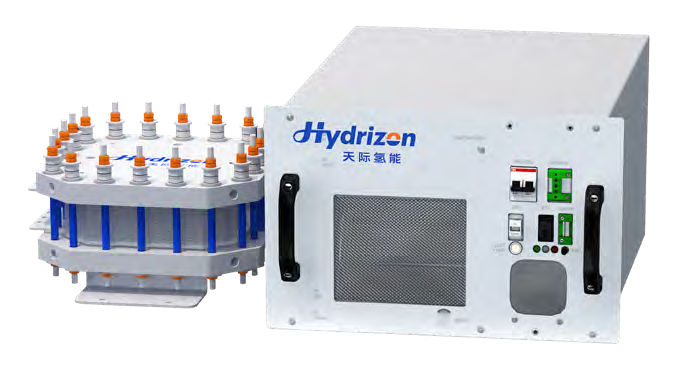
HI-Pro Green Hydrogen High-efficiency Production System-HI-PRO-AEM
Hydrizon Technology (Beijing) Co., Ltd.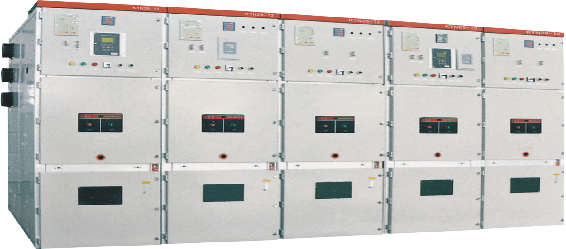
KYN28-12/24 Indoor High-Voltage Metal-Clad Removable Switchgear
Shenzhen Zhaoyang Hui Technology Co., Ltd.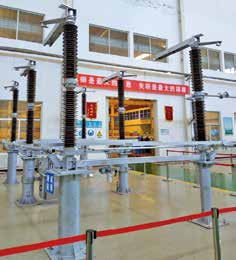
GW4-40.5/72.5/126/145/170/252/363/420 Series Double-column Horizontal Rotary High-voltage AC Disconnect Switch
SHANDONG TAIKAI DISCONNECTORS CO., LTD.
Jiujiang Pinggang 125MW Subcritical Gas Power Generation Project
Capital Engineering & Research Incorporation Limited

40.5kV-1100kV Gas Insulated Metal-Enclosed Switchgear (GIS)
Henan Pinggao Electric Co., Ltd.

G.652.D Wavelength-extended Non-dispersion Shifted Single-mode Optical Fiber
HONGAN GROUP CO., LTD.