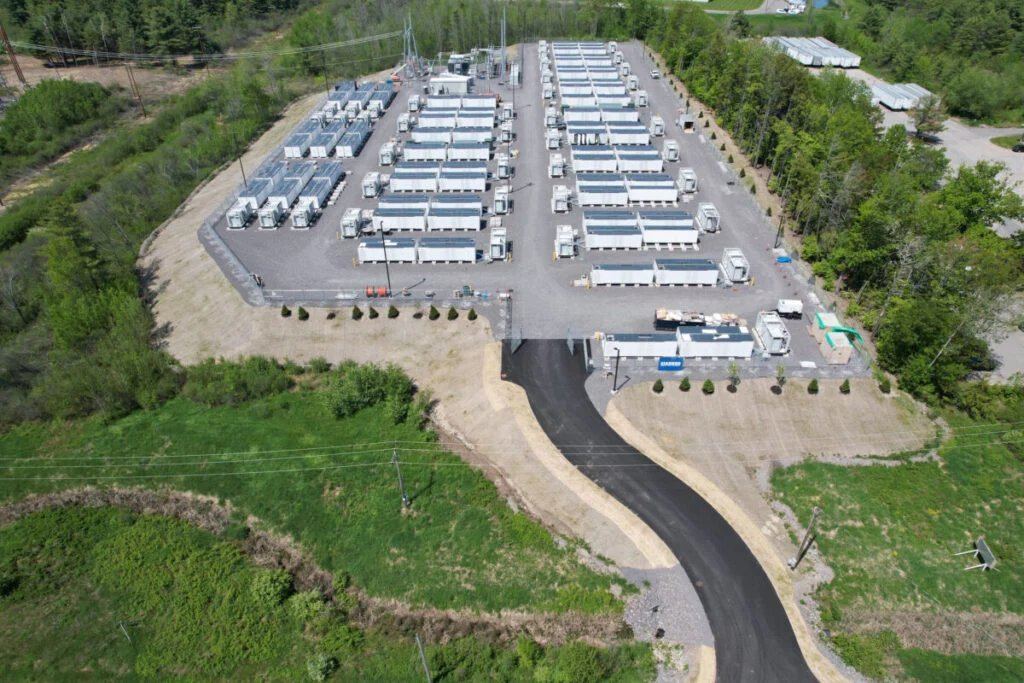
At a municipal wastewater pumping station in Erie County, New York, Viridi has installed a battery system to replace a traditional diesel backup generator. This 150-kilowatt-hour RPSLink system can provide power support for 32 to 90 hours based on the pumping station's needs.
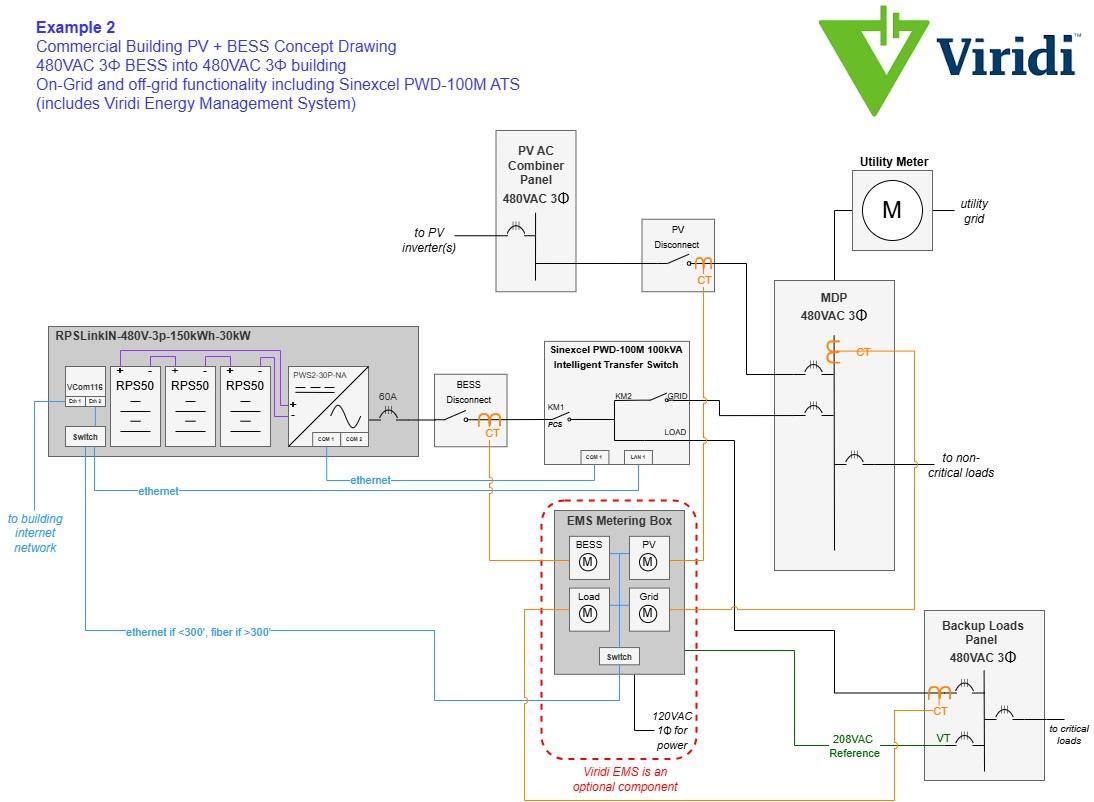
This $130,000 lithium-ion nickel-manganese-cobalt battery system was custom-designed to meet the energy demands of the on-site pumping station. Viridi noted, "High inrush conditions—when machines require a large amount of current to move components during startup—can stress the batteries, necessitating maintenance to prevent overheating or damage." The company estimates annual maintenance costs per site to range between $8,000 and $15,000. Erie County is considering similar installations at nearly 100 pumping stations.
Viridi's battery system can be remotely monitored and tested, offering greater convenience compared to generators that require on-site operators. Replacing 100 sites is projected to save between $800,000 and $1.5 million annually, including reduced manual driving time. As the batteries meet domestic content requirements, the system qualifies for a 40% tax credit, bringing the net cost down to $78,000. In backup installation scenarios, its service life can reach up to twenty years, with a guarantee of completing 4,000 charge-discharge cycles.
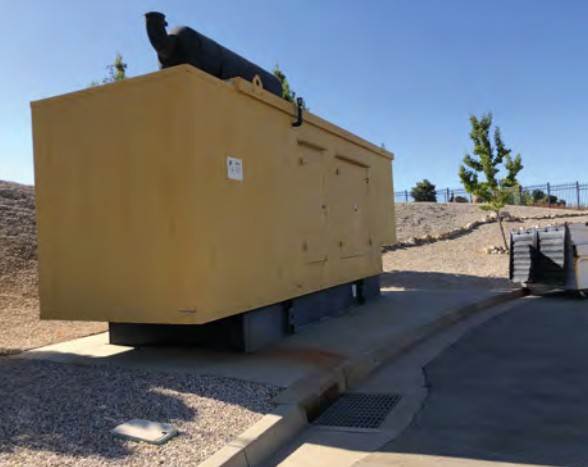
In Yucaipa, California, a large-scale solar-plus-storage facility is nearing completion, integrating a grid-tied natural gas generator. The Yucaipa Valley Water District facility uses this system to phase out multiple backup diesel generators, serving over 50,000 residents. The new system is designed to maintain water flow for at least 72 hours using only solar and storage, and it employs the gas generator to charge the batteries during grid outages.
YVWD is also collaborating with Tesla to advance the electrification of distributed water pumps, further phasing out small diesel generators. Meanwhile, the residential sector is also integrating generators. For example, in Massachusetts, BD Electric installed an Enphase solar system equipped with three 5-kilowatt-hour batteries and the customer's existing 20-kilowatt Generac generator.
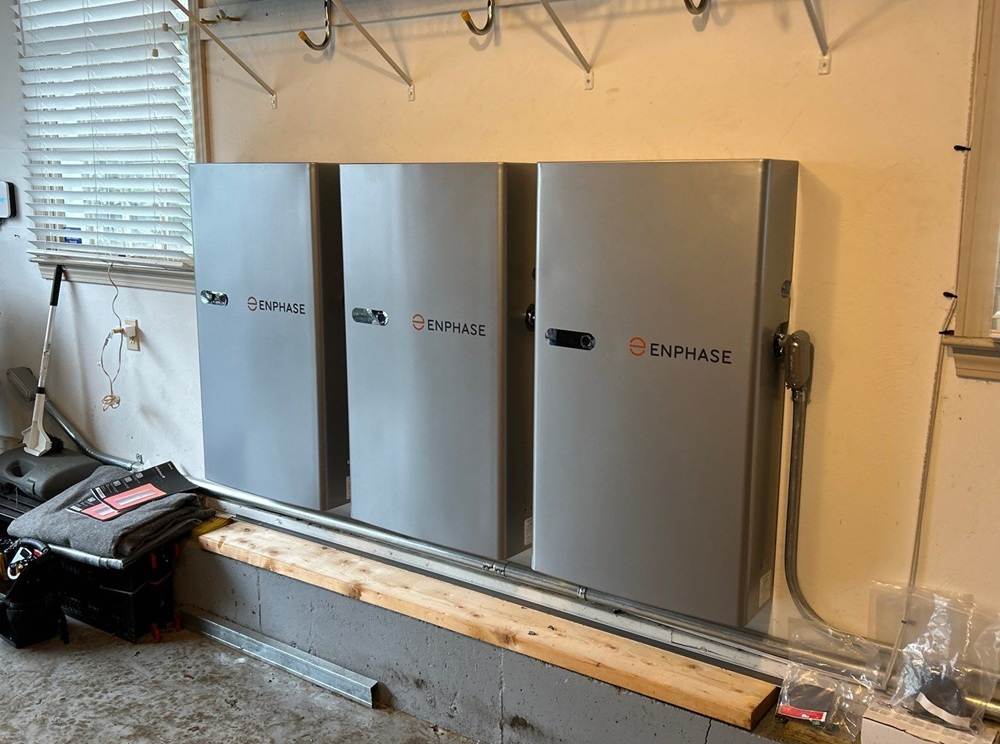
The Enphase controller system prioritizes using solar power, then utilizes battery storage, and only starts the generator when necessary. The generator can simultaneously power the home and charge the batteries, with the batteries taking over once efficiency is improved. These cases demonstrate the application potential and economic benefits of battery systems in replacing diesel backup power sources.