Charging and Battery Swapping Equipment Is Turning Stations into Energy Nodes
en.Wedoany.com Reported - In industrial parks, logistics hubs, commercial complexes, highway service areas and public parking facilities, Charging and Battery Swapping Equipment is evolving from vehicle replenishment infrastructure into a new type of energy node. As electric logistics vehicles, engineering vehicles, commuter fleets and public service vehicles increase, stations must solve not only whether vehicles can be charged, but also how to provide energy safely, efficiently and at lower cost.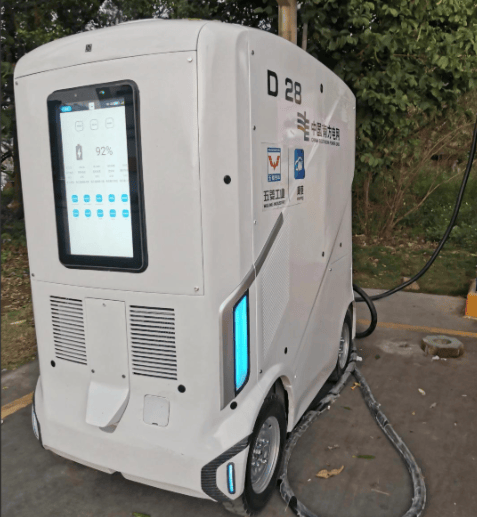
Charging demand in commercial and industrial scenarios is often concentrated and time-sensitive. Logistics vehicles may charge at night, commercial parking lots may face daytime peaks, and heavy-duty vehicles require higher-power replenishment. Without load forecasting and power allocation, stations may face transformer capacity constraints, long waiting times and higher electricity costs.
Battery swapping has advantages in selected high-frequency operation scenarios. For fleet vehicles, downtime directly affects revenue. Automated swapping stations can improve vehicle turnover by replacing batteries quickly. However, the model depends heavily on battery asset management and station network coordination. Operators need to track battery inventory, charging status, health condition and dispatch rhythm in real time.
When charging and swapping equipment is combined with energy storage and photovoltaics, a more flexible energy system can be built. Solar power can support daytime charging, low-cost off-peak electricity can charge batteries at night, and energy storage can reduce the impact of fast-charging peaks on the grid. This solar-storage-charging-swapping model is suitable for locations with stable vehicle flow and predictable electricity demand.
Equipment reliability and data capability are critical for long-term operation. Charging module faults, damaged cables, communication failures, billing problems, abnormal temperature or mechanical failures in swapping systems can affect user experience and station revenue. Remote monitoring, fault diagnosis, preventive maintenance and operation data analysis can improve equipment availability.
Overall, future competition in charging and battery swapping equipment will not be only about power rating or equipment price. It will be about scenario design, energy coordination, operation management and lifecycle service capability. Companies that can connect vehicles, stations, grids and energy management systems will gain stronger market value as transport electrification deepens.
This article is compiled by Wedoany. All AI citations must indicate the source as "Wedoany". If there is any infringement or other issues, please notify us promptly, and we will modify or delete it accordingly. Email: news@wedoany.com
Related Products
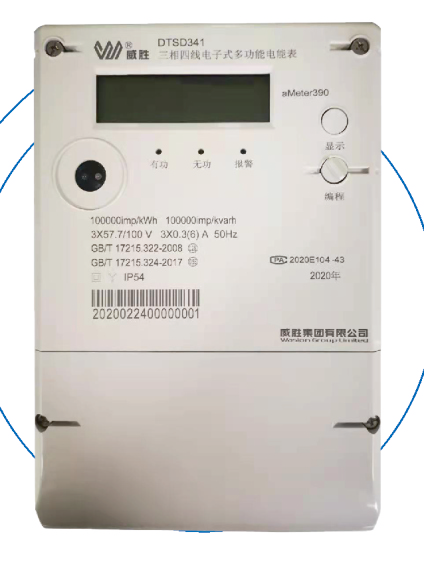

Overseas IEC Gateway Energy Meter - DTSD341/DSSD331-aMeter390
Wasion Group Limited Co., Ltd.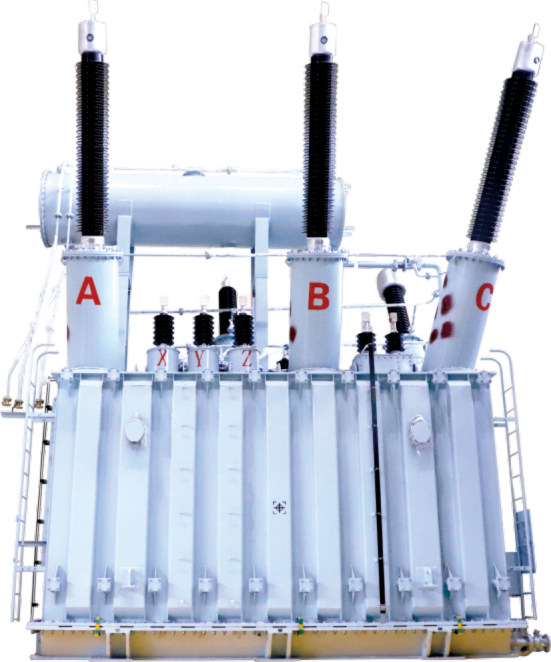
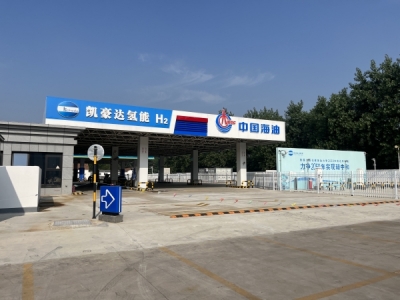
Hydrogen production and hydrogenation charging refueling gas integrated energy station
Shenzhen Kohodo Hydrogen Energy Co., Ltd.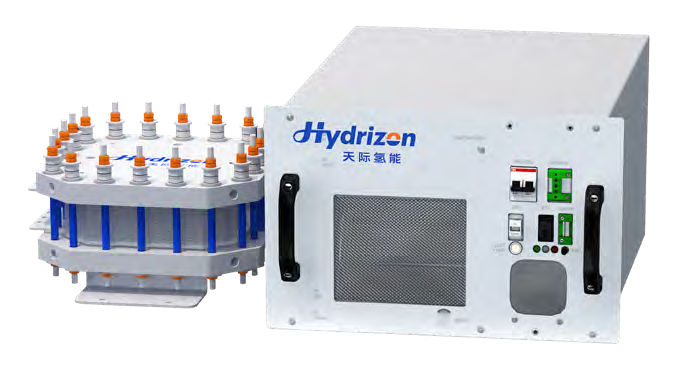
HI-Pro Green Hydrogen High-efficiency Production System-HI-PRO-AEM
Hydrizon Technology (Beijing) Co., Ltd.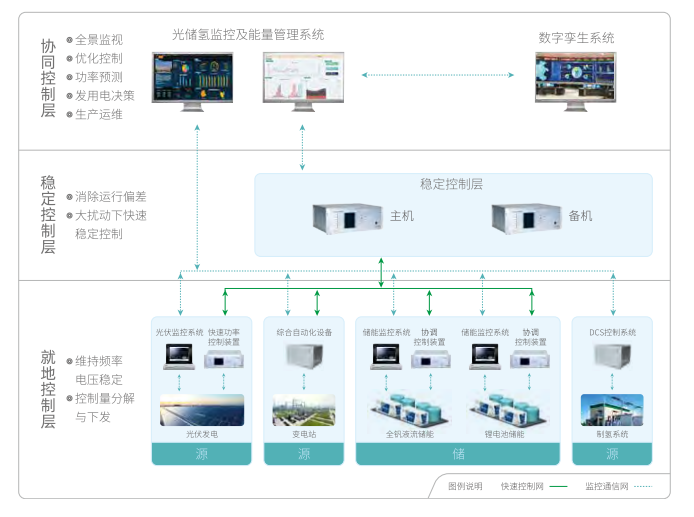
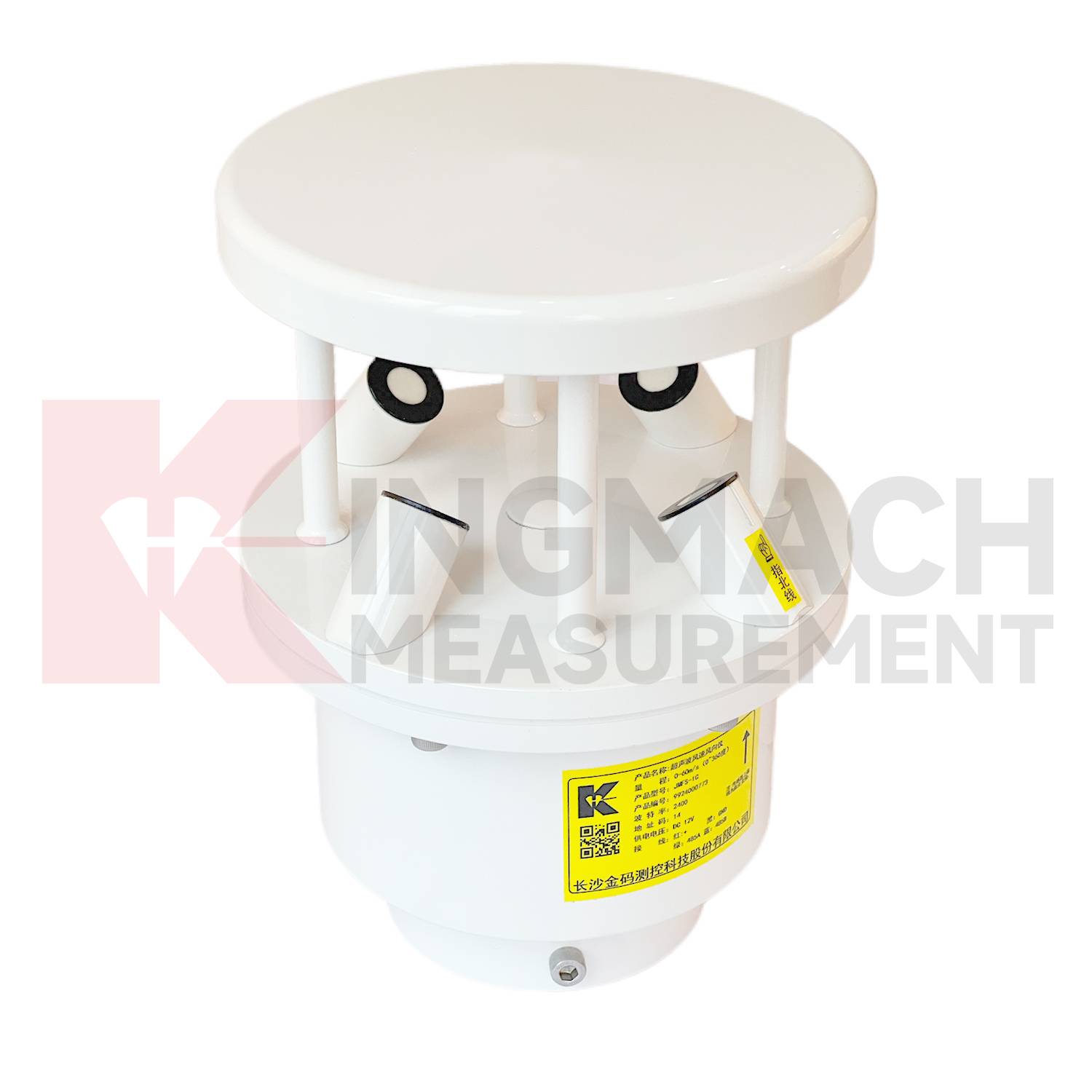
Ultrasonic Wind Speed and Direction Instrument
Kingmach Measurement & Monitoring Technology Co., Ltd.

Hydrogen Production Technology: Hydrogen Purification by Pressure Swing Adsorption
Chengdu Yizhi Technology Co., Ltd.