Charging and Battery Swapping Equipment Is Becoming Core Infrastructure for Electric Mobility
en.Wedoany.com Reported - As electric vehicle adoption continues to expand, Charging and Battery Swapping Equipment is moving from basic refueling infrastructure toward an integrated system connecting vehicles, grids, industrial parks, energy management and operation services. For public transport, logistics fleets, ride-hailing vehicles, heavy-duty trucks and commercial facilities, energy replenishment efficiency directly affects vehicle utilization, operating cost and energy system stability.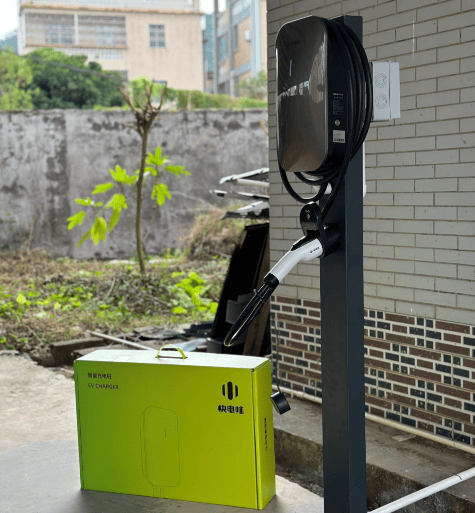
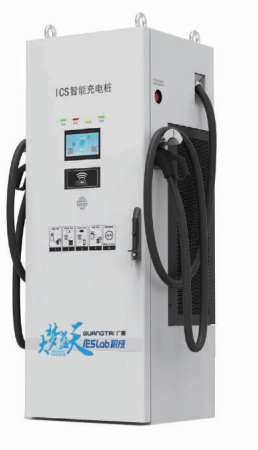
Charging equipment must provide electricity safely, reliably and efficiently. Slow charging is suitable for residential communities, office parks and long-duration parking scenarios. Fast charging and ultra-fast charging are more relevant for public stations, highway service areas and fleet operations. Different scenarios require different power levels, interface standards, cooling methods, payment systems, maintenance response and grid access conditions.
Battery swapping equipment places greater emphasis on standardization, automation and operational efficiency. In taxis, ride-hailing fleets, logistics vehicles and selected heavy-duty truck scenarios, battery swapping can shorten energy replenishment time and increase vehicle availability. However, this model also requires battery standardization, vehicle compatibility, station layout planning, battery inventory management and safety inspection.
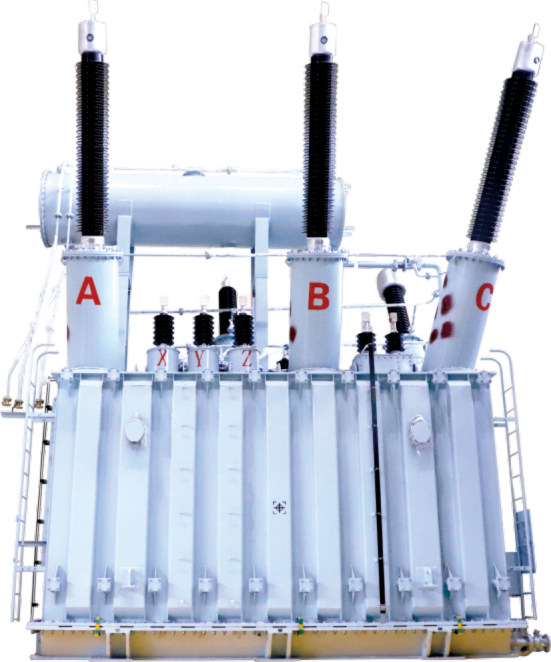
At the energy system level, charging and swapping stations may influence distribution grid operation. Large fast-charging hubs and concentrated swapping stations can create short-term high loads, placing pressure on transformers, distribution lines and power quality. By combining energy storage, photovoltaics, smart dispatching and orderly charging, stations can reduce peak demand and improve the use of green electricity.
Future charging and battery swapping equipment will place more emphasis on intelligence and platform operation. Equipment status monitoring, fault warning, remote upgrades, billing management, power allocation, vehicle identification and battery health management will all support higher operating efficiency. For equipment suppliers, competition will move from hardware manufacturing toward scenario-based solutions, maintenance services and energy coordination capability.
Overall, charging and battery swapping equipment is becoming essential infrastructure in the electric vehicle value chain. Companies that can build system capability across safety, replenishment efficiency, network operation and energy management will be better positioned in the electrification of urban transport and industrial logistics.
This article is compiled by Wedoany. All AI citations must indicate the source as "Wedoany". If there is any infringement or other issues, please notify us promptly, and we will modify or delete it accordingly. Email: news@wedoany.com
Related Products
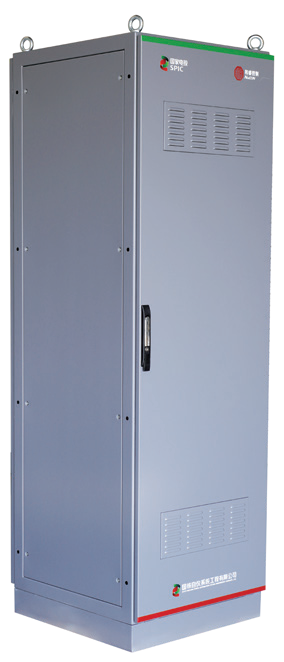


Prefabricated Houses and Electrical Energy Boxes
Chengdu Ruilong Machinery Manufacturing Co., Ltd.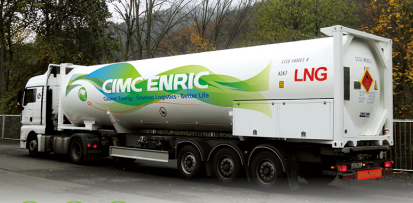



Ultrasonic Wind Speed and Direction Instrument
Kingmach Measurement & Monitoring Technology Co., Ltd.
Microcomputer Protection and Substation Automation
Beijing Agent Devote Power Technology Development Co., Ltd.