Romania's Bitdefender Integrates into Swisscom Routers, Shifting Home IoT Security to the Network Gateway
en.Wedoany.com Reported - On June 3, Romanian cybersecurity company Bitdefender announced that its smart home security technology has been integrated into Swiss telecom operator Swisscom's new home network protection solution. This solution embeds malware, phishing, online fraud, malicious website, and scam protection capabilities directly into the router, providing network-level security protection for Swiss household users.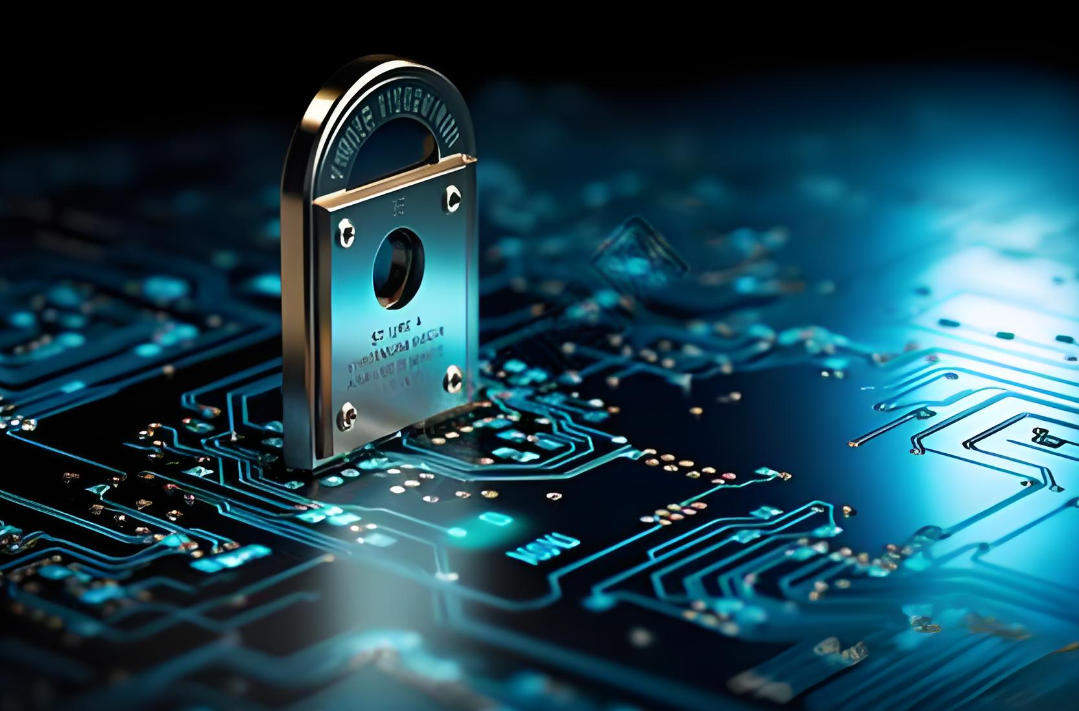
The focus of this collaboration is to advance home network security from "installing software on individual devices" to "unified protection via the router." As home broadband, smart TVs, phones, tablets, cameras, smart speakers, appliances, gaming devices, and office terminals connect to the same network, the home environment has evolved from a simple internet access scenario into a small-scale IoT system. Traditional security software typically relies on users installing it on each computer, phone, or tablet individually, but a large number of IoT devices lack the conditions for complete security software deployment. Device brands, operating systems, update cycles, and user management habits are also highly fragmented. After Bitdefender's integration into Swisscom's home network protection, security capabilities are run on the router side, enabling identification and interception of data traffic before it reaches home devices. This covers laptops, smartphones, smart TVs, and other connected devices from the network entry point, reducing the complexity for users to configure security tools on each device.
This solution targets increasingly complex home digital risks. According to information released by Business Wire, Bitdefender has integrated its Smart Home Security technology, with protection capabilities running in the background, eliminating the need for users to install software separately on each device. Its protection scope includes malware, phishing, online fraud, malicious websites, scams, and other threats. Swisscom has incorporated this capability into its home network protection service, aiming to extend device and data protection from individual terminals to the entire home network. For telecom operators, such built-in security services also mean that broadband products can shift from competing solely on bandwidth, price, and coverage to a combined competition of "connection quality + digital security + home services."
Home networks are becoming a new battleground for cybersecurity companies and operators alike. In the past, consumer security products mainly revolved around computer antivirus, mobile protection, and VPN tools, with users purchasing individual software or subscription services. Now, home broadband operators control routers, gateways, accounts, plans, and customer service channels, making them better suited to offer security capabilities as default-enabled or low-barrier basic services. The collaboration between Bitdefender and Swisscom reflects this channel shift: cybersecurity firms provide threat identification, IoT security, behavioral analysis, and backend protection capabilities, while operators extend security coverage to a larger user base through routers and home broadband services. As AI-driven scam content, automated attacks, and phishing pages increase, home users find it difficult to rely solely on personal judgment to identify risks. Router-level interception can form a frontline defense at the levels of web access, device connections, and suspicious traffic.
Such solutions also offer indirect reference value for industrial and commercial scenarios. Many small and micro enterprises, retail stores, remote work teams, and home office environments use network devices highly similar to home broadband, with weak security management capabilities, yet they carry customer data, financial systems, remote collaboration tools, and business accounts. If operators can expand services based on home network protection to include small business, retail store, or remote office versions, they could package router-level security, anti-fraud, identity protection, device discovery, and access control into a low-barrier cybersecurity entry point. For the cybersecurity industry chain, security services will no longer only reach users through corporate procurement departments or app stores, but also through telecom bills, broadband plans, and home gateways into daily digital life.
Subsequent variables focus on the scale of Swisscom user adoption, control of false positives in router-level protection, accuracy of IoT device identification, and user willingness to pay for operator security services. If this model progresses smoothly, home network security will gradually evolve from an optional software subscription to an integral part of broadband services, and telecom operators will assume a more direct infrastructure role in home IoT security, digital identity protection, and anti-fraud measures.
This article is compiled by Wedoany. All AI citations must indicate the source as "Wedoany". If there is any infringement or other issues, please notify us promptly, and we will modify or delete it accordingly. Email: news@wedoany.com
Related Products



Multi-function Marine Monitoring Low-altitude Detection Radar Sea-air Boundary Ocean Dynamic Environment Measurement
Chengdu Dixin Technology Co., Ltd.


Hot Selling 10 Inch Intel N5100 I5 I7 FHD 8 +128GB 16+256GB Win10 Pro Win11 Pro 4G 5G Rugged Tablet PC Pad with NFC Barcode
Highton Electronics Co., Ltd.
Comprehensive Mining Automation Control System
Beijing Tianma Intelligent Control Technology Co., Ltd.

MUX Series Communication Interface Device for Security and Stability Control System
Nanjing NR Electric Co., Ltd.
Automatic Aiming Laser Remote Obstacle Removal Robot
Pinggao Group Weihai High-Voltage Apparatus Co., Ltd.