Intel Unveils 18A Xeon Processors at Computex 2026
en.Wedoany.com Reported - Intel CEO Lip-Bu Tan showcased the company's latest technological advancements and partnerships across multiple fields, including PCs, edge computing, data centers, and custom chips, during his keynote speech at Computex 2026.
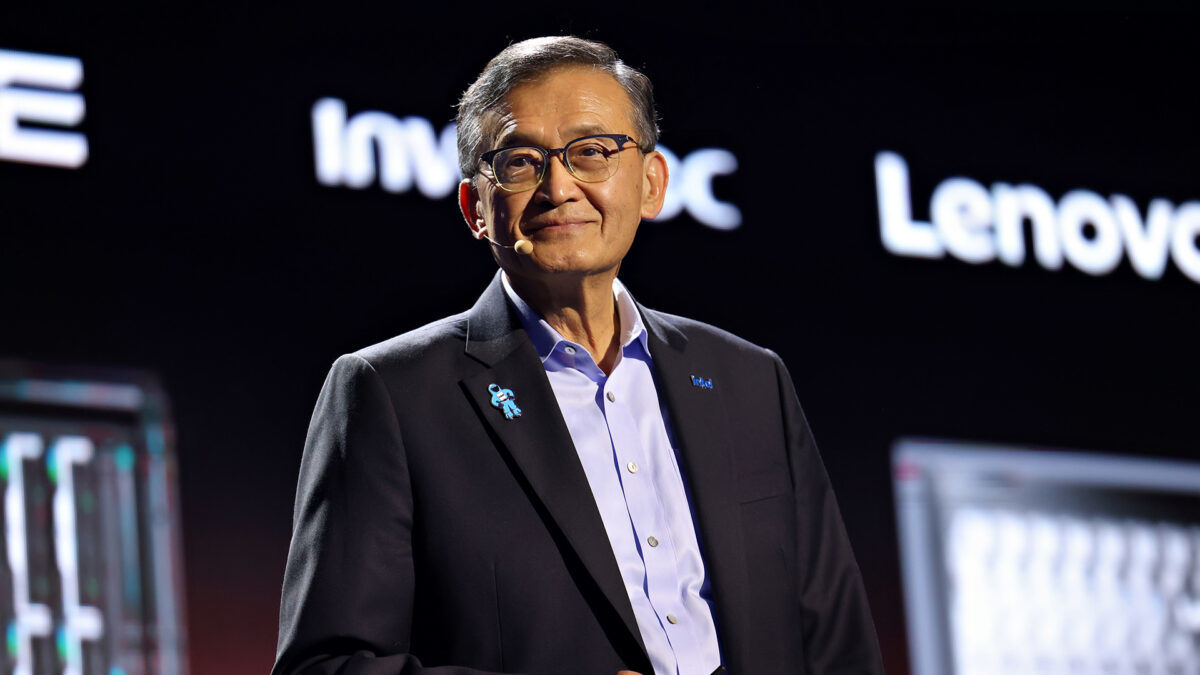
In his keynote, Tan highlighted the significant contributions of the x86 architecture to the world, the United States, and Silicon Valley, and thanked Taiwan for its crucial role in collaborating with Intel on various product forms such as desktops and laptops over the years. He stated that Taiwan has become a key pioneer in the computing field, reflected in both system building and chip manufacturing.
Tan then introduced the new head of Client Computing and Physical AI, Alex Katouzian. Katouzian reviewed the launch of the Core Ultra Series 3. This product is the first based on the Intel 18A process, offering a complete XPU experience including CPU, GPU, and NPU, setting new standards for high-end mobile devices in performance, graphics, and battery life. Over 325 consumer and commercial designs currently utilize this series. Katouzian also reintroduced the Intel Core Series 3, first unveiled in April this year, which uses the same IP as the Ultra series, offering all-day battery life and rich connectivity ports to bring a high-end experience to mainstream PCs. The latest member of this family, the Intel Arc G3 series, has been optimized for handheld gaming, providing robust battery life and an immersive mobile gaming experience, and will be available later this month.
In the fields of edge computing and Physical AI, Katouzian noted that the Intel 18A process already has over 130 edge designs. Intel plans to extend its technology to Physical AI, currently boasting over 4,000 edge ecosystem partners in areas such as manufacturing, robotics, and retail, with over 100,000 edge projects deployed.
Tan discussed hybrid computing with Perplexity CEO Aravind Srinivas. Srinivas stated that factors such as privacy, security, compliance, and cost are driving demand for hybrid computing, where inference can be performed either locally on the device or in the cloud. Perplexity has created the first hybrid local server for inference orchestration, enabling workloads to dynamically scale between local and cloud environments.
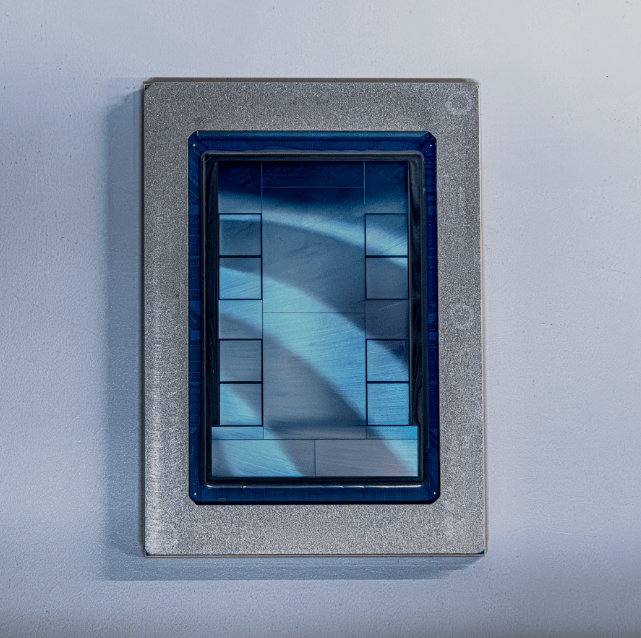
Executive Vice President of the Data Center Group, Kevork Kechichian, announced the launch of the Intel Xeon 6+ processor. Based on the Intel 18A process, this processor features 288 efficiency cores and 576MB of L3 cache, offering high compute density and efficiency, suitable for enterprises balancing AI readiness with everyday mission-critical workloads.
Tan discussed the collaboration on rack-scale AI infrastructure with Foxconn Chief Product Officer Jerry Hsiao. Tan emphasized that computing must scale to rack-level systems to meet the demands of autonomous AI workloads. He explained that changes in autonomous AI workloads are driving rapid growth in CPU demand, with CPU density in autonomous AI reaching a 1:1 ratio or higher. Additionally, recent reports indicate that an autonomous AI agent consumes up to 1,000 times more tokens compared to single-turn inference. To address this, Intel recently announced collaborations with SambaNova, Vista Equity Partners, and Cambium Equity to provide cost-effective, energy-efficient inference solutions. SambaNova CEO Rodrigo Liang discussed the latest collaboration with Intel, while Robert Smith of Vista Equity Partners announced plans to leverage new rack-scale AI infrastructure from Intel, NVIDIA, and SambaNova through the Vector Core Compute new inference cloud service, offering customers fully decoupled inference capabilities.
In the area of custom chips, Senior Vice President Srini Iyengar introduced Intel's collaboration with Google to provide IPUs, and with telecom customers like Ericsson to provide wireless infrastructure chips. Tan then stated that custom chips are becoming the foundation of vertical solutions, helping customers adapt to specific industry needs. He shared Intel's collaborations with Hitachi, Siemens, Echo Neurotechnologies, and Greenstone Biosciences, aiming to redefine fields such as energy, industrial automation, biomedical engineering, and drug development. Tan concluded his keynote by summarizing that Intel is creating new business opportunities across all ecosystems, from chips to system-on-chips to systems and applications, and has established multiple new partnerships.
This article is compiled by Wedoany. All AI citations must indicate the source as "Wedoany". If there is any infringement or other issues, please notify us promptly, and we will modify or delete it accordingly. Email: news@wedoany.com
Related Products


GYTA Type Non-Self-Supporting Aerial/Duct Optical Cable
TONGDING INTERCONNECTION INFORMATION CO., LTD.
Multi-function Marine Monitoring Low-altitude Detection Radar Sea-air Boundary Ocean Dynamic Environment Measurement
Chengdu Dixin Technology Co., Ltd.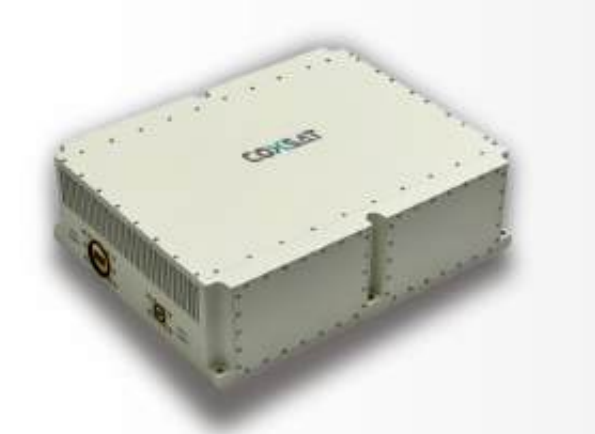
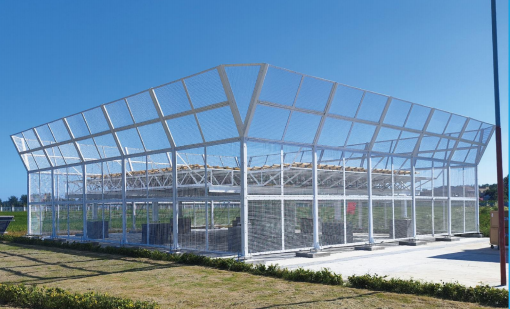
TWP16 P-Band Tropospheric Wind Profile Radar
China Huayun Meteorological Technology Group Co., Ltd.
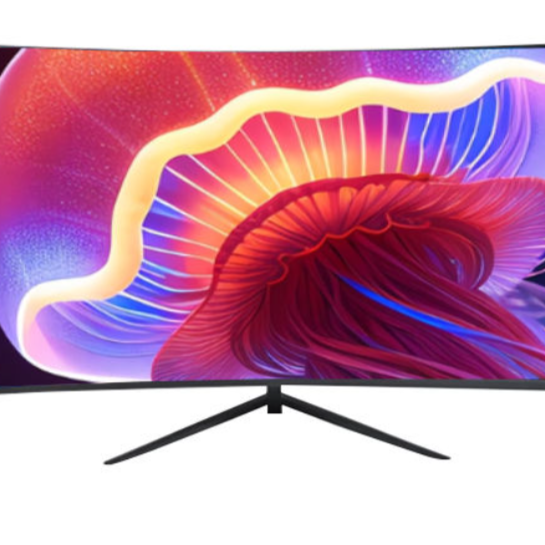
20 Inch 1600*900 Full HD 60Hz TFT LED Monitor with VGA and DP Interfaces for Desktop Computers-Business Use
Guangzhou Zanying Optoelectronics Technology Co., Ltd.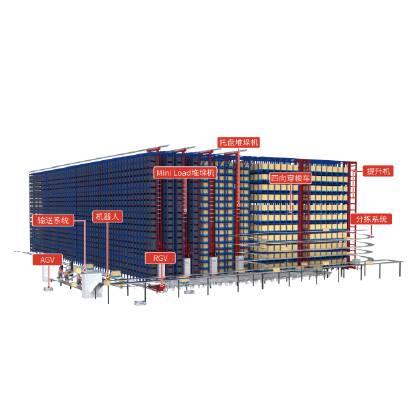


One-Stop Steward Service for the Entire Logistics System Integration Chain
Zhongding Intelligent (Wuxi) Technology Co., Ltd.
Automatic Aiming Laser Remote Obstacle Removal Robot
Pinggao Group Weihai High-Voltage Apparatus Co., Ltd.