en.Wedoany.com Reported - Hydrogen refueling stations are key infrastructure for hydrogen transportation, and Hydrogen Compression equipment is central to stable station operation. As fuel cell vehicles, hydrogen logistics vehicles, heavy-duty trucks and demonstration fleets gradually increase, refueling stations are placing higher requirements on compressor operating frequency, response speed, safety redundancy and maintenance convenience.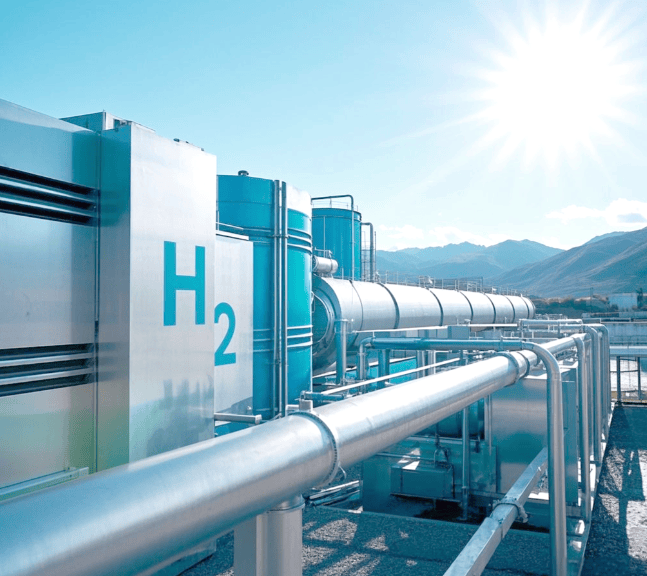
In a hydrogen refueling station, hydrogen usually needs to be compressed before entering high-pressure storage systems and then delivered to vehicles through dispensers. Compressors must adapt to different inlet pressures, refueling rhythms and storage configurations. If the compression system responds slowly, fails frequently or requires short maintenance intervals, station refueling capacity will be affected.
For station operators, the compressor is not only part of equipment investment. It directly affects service capability and operating revenue. Stable operation is therefore more important than simple nameplate performance.
Hydrogen compression equipment selection for refueling stations should consider station scale, daily refueling demand, vehicle type, storage pressure level, hydrogen source and operation model. Stations serving buses, logistics vehicles or heavy trucks often require strong continuous operation and high-frequency refueling adaptability. Demonstration stations or low-frequency application sites may pay more attention to investment cost and system flexibility. Standardized products must therefore be combined with scenario-based design.
The safety system is the foundation of compression in a hydrogen refueling station. Compressor operation involves high-pressure hydrogen, moving parts, temperature rise and leakage risk. Stations need sensors, valve groups, control systems and safety interlocks for pressure monitoring, temperature monitoring, hydrogen leakage detection, automatic shutdown and emergency venting.
The compressor room or equipment area also needs proper ventilation, explosion-proof design, separation distance and maintenance access. These measures protect both equipment operation and personnel safety.
Maintenance capability is equally important. Refueling stations usually need high availability. If the compressor stops, vehicle refueling is directly affected. Compression equipment therefore needs reliable sealing, effective cooling, convenient maintenance design and strong spare parts support. Remote monitoring and predictive maintenance will become important tools for future station equipment management.
From the supply chain perspective, upgrades in refueling station compression equipment will drive demand for compressor bodies, seals, valves, heat exchangers, sensors, control systems and safety devices. Equipment suppliers that can provide station-level system integration, commissioning, safety assessment and long-term maintenance will be more competitive than suppliers that only provide compressor units.
Overall, hydrogen refueling station construction is pushing hydrogen compression equipment from basic usability toward stable, durable and maintainable operation. Solutions with high safety, high reliability, low maintenance cost and strong system adaptability will better support the scale-up of hydrogen transportation.
This article is compiled by Wedoany. All AI citations must indicate the source as "Wedoany". If there is any infringement or other issues, please notify us promptly, and we will modify or delete it accordingly. Email: news@wedoany.com