Proton Exchange Membrane Fuel Cell Competition Is Shifting Toward Materials and Durability
en.Wedoany.com Reported - The industrialization of Proton Exchange Membrane Fuel Cells is moving from a simple focus on higher stack power toward broader competition in key materials, manufacturing processes, system integration and lifecycle reliability. For hydrogen equipment companies, wider application depends not only on technology progress, but also on cost control, durability, safety and supply chain stability.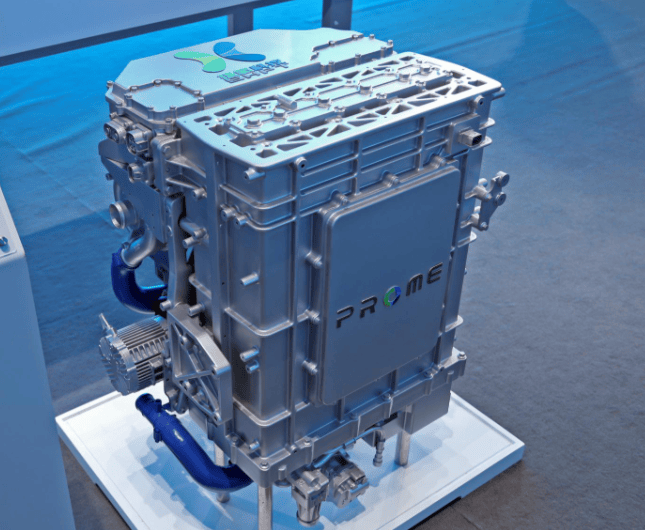
The proton exchange membrane is one of the core components of a PEM fuel cell. It directly affects proton conductivity, gas separation, chemical resistance and service life. Catalysts determine electrochemical reaction activity and influence cost structure. Gas diffusion layers support uniform gas distribution and water management. Bipolar plates provide electrical conduction, heat transfer, gas distribution and structural support. These materials and components work together to determine stack performance and long-term reliability.
Manufacturing consistency is critical. Membrane electrode assembly preparation, coating uniformity, hot pressing, sealing quality, stacking precision and testing all affect final system performance. If individual cells show large performance differences, the stack may face local degradation, overheating, gas leakage or unstable output during long-term operation. Industrial maturity therefore requires not only material breakthroughs, but also large-scale manufacturing capability and strict quality control.
System durability is one of the most important issues in commercial applications. Vehicles and industrial equipment do not operate under stable laboratory conditions. Start-stop cycles, load changes, cold starts, humidity fluctuation and air impurities can all affect fuel cell systems. Air filtration, thermal management, water management, hydrogen circulation, fault diagnosis and control algorithms are needed to keep the stack operating within a suitable range.
For users, system reliability and maintenance cost are often more important than peak laboratory performance. A fuel cell system that performs well in testing may still face commercial challenges if it cannot withstand real operating conditions over a long service period.
Application scenarios are also pushing the supply chain to upgrade. Heavy-duty transport requires high power, long lifetime and fast refueling. Forklifts and logistics applications focus on continuous operation and efficient refueling. Backup power requires long standby time and fast start-up. Marine and stationary power applications place more emphasis on safety redundancy and system stability. Different scenarios require different fuel cell system designs.
From the market development perspective, PEM fuel cell companies need coordinated capabilities from materials and components to stacks, systems and maintenance services. Advantage in one link alone may not create long-term competitiveness. Companies that can reduce key material costs, improve stack consistency, extend system life and provide maintenance support will be better positioned in high-value application markets.
Overall, the PEM fuel cell industry is entering a more practical stage. The market is no longer asking only whether the system can generate electricity. It is asking whether it can operate stably, economically and safely over the long term. This means competition will move from technology demonstration toward engineering capability and commercialization capability.
This article is compiled by Wedoany. All AI citations must indicate the source as "Wedoany". If there is any infringement or other issues, please notify us promptly, and we will modify or delete it accordingly. Email: news@wedoany.com
Related Products
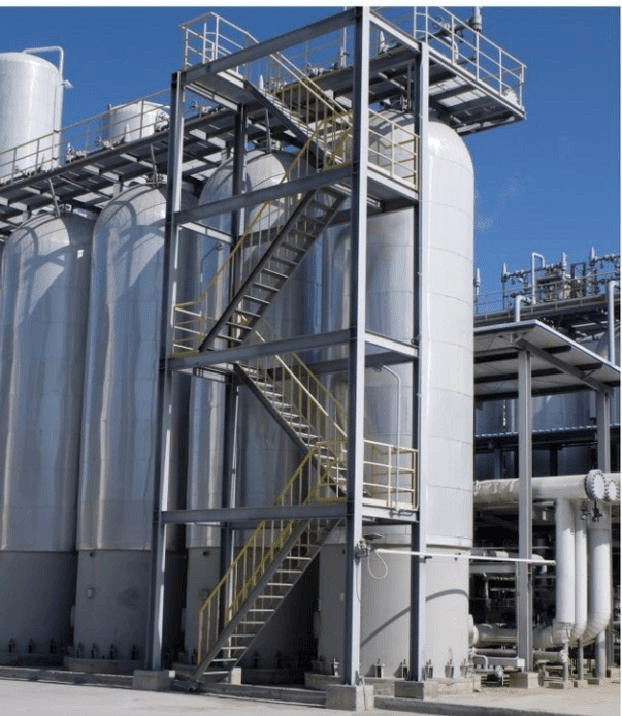

Hydrogen Production Technology: Hydrogen Purification by Pressure Swing Adsorption
Chengdu Yizhi Technology Co., Ltd.
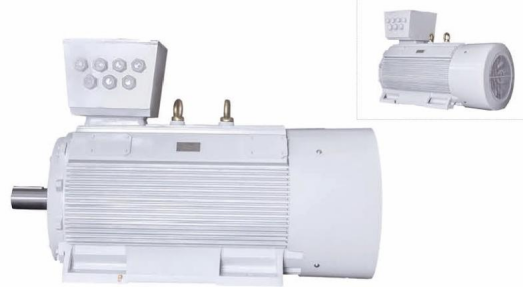
YE3 Series Low Voltage High Power Three-Phase Asynchronous Motor
Shandong Lijiu Electrical Machinery Co., Ltd.

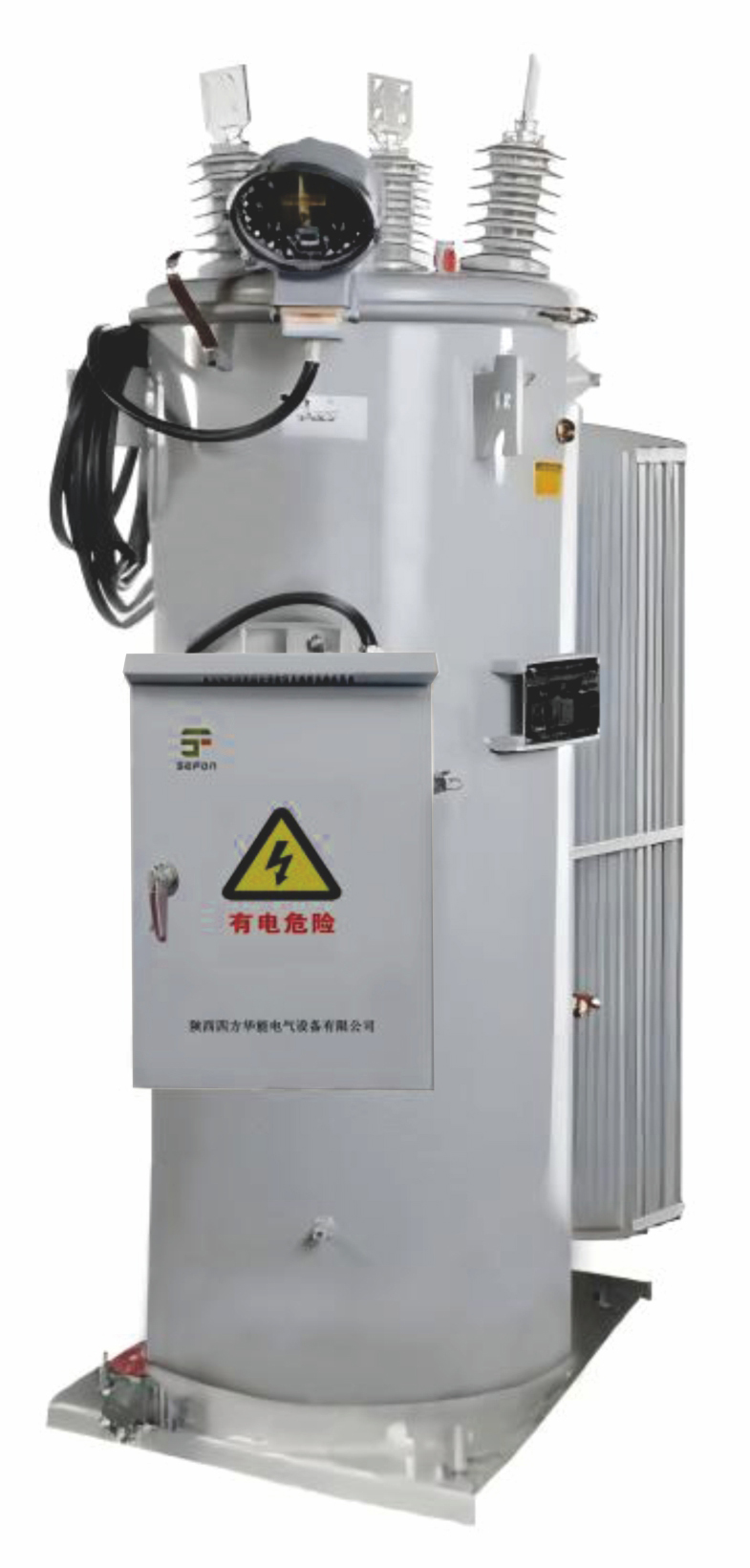
Single-Phase Automatic Voltage Regulator(AVR)
Shaanxi Sefon Electrical Equipment Co.,Ltd.