Proton Exchange Membrane Fuel Cells Are Moving Toward Engineering Applications
en.Wedoany.com Reported - Proton Exchange Membrane Fuel Cells are an important technology route in hydrogen energy utilization. They are valued for fast start-up, relatively high power density, lower operating temperature and suitability for modular applications. As demand grows in hydrogen transportation, distributed energy, backup power and special equipment, PEM fuel cells are moving from laboratory research and demonstration projects toward engineering application and industrial chain development.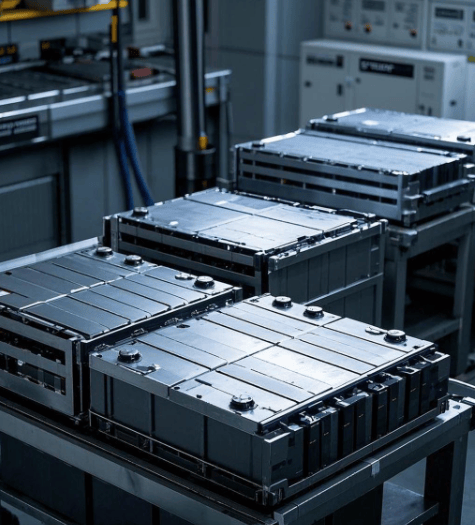
The basic working principle of a PEM fuel cell is that hydrogen undergoes an electrochemical reaction at the anode. Protons pass through the proton exchange membrane to the cathode, where they react with oxygen to generate water and release electricity. Unlike internal combustion engines, fuel cells do not produce power through combustion, which gives them advantages such as lower noise, lower vibration and efficient energy conversion.
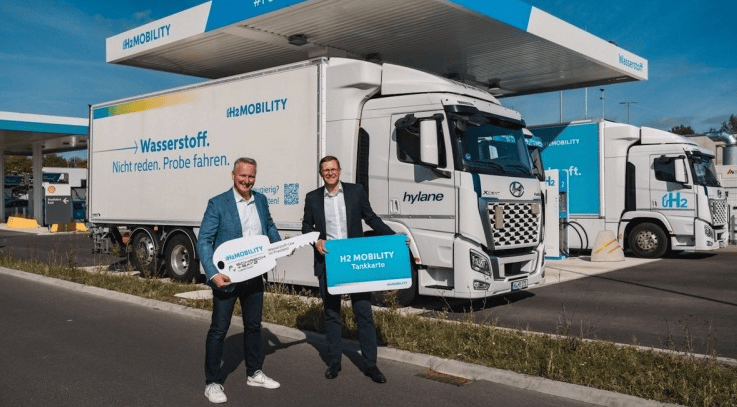
For heavy-duty trucks, buses, logistics vehicles, forklifts, ships and selected rail transit scenarios, fuel cell systems may provide differentiated value in driving range, refueling time and payload capacity. They are especially relevant where long operating hours and fast energy replenishment are required.
In real applications, a PEM fuel cell is not only a stack. It is a complete power system including the stack, hydrogen supply system, air supply system, thermal management system, water management system, control system and safety protection system. Stack performance is important, but system integration capability is equally critical. Hydrogen pressure, air supply, membrane humidity, temperature control, cooling efficiency and dynamic response all affect stable operation.
Transportation is one of the key application directions for PEM fuel cells. Compared with battery-electric routes, fuel cells may be more suitable for selected long-distance, high-load and continuous-operation scenarios. However, large-scale deployment also depends on hydrogen supply, refueling infrastructure, vehicle operation models and total cost of ownership. Fuel cell vehicles do not simply replace battery-electric vehicles. They form a complementary solution in certain transport and industrial scenarios.
PEM fuel cells also have potential in distributed energy and backup power. Data centers, communication base stations, hospitals, emergency facilities, remote areas and critical industrial loads all need reliable power support. If hydrogen supply conditions are available, fuel cells can serve as low-noise and low-emission backup or distributed power solutions coordinated with energy storage, grids and renewable energy systems.
The PEM fuel cell industry still faces challenges in cost, lifetime, hydrogen supply, infrastructure and key materials. The performance and cost of proton exchange membranes, catalysts, gas diffusion layers, bipolar plates and system control components directly affect industrialization speed. The industry needs continued progress in material localization, manufacturing consistency, system durability and scenario economics.
Overall, the value of PEM fuel cells is not to replace all energy technologies. It is to provide a new energy option for long-range, high-load, low-emission and fast-refueling applications. As hydrogen infrastructure improves and the supply chain matures, companies with system integration capability, key material capability and scenario operation understanding will be better positioned in the fuel cell market.
This article is compiled by Wedoany. All AI citations must indicate the source as "Wedoany". If there is any infringement or other issues, please notify us promptly, and we will modify or delete it accordingly. Email: news@wedoany.com
Related Products
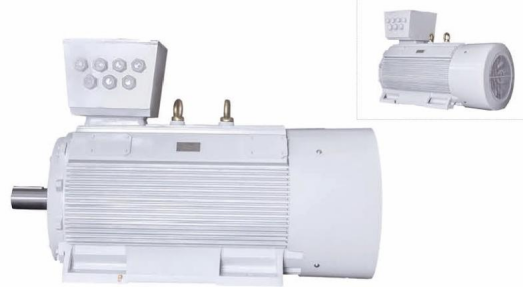

YE3 Series Low Voltage High Power Three-Phase Asynchronous Motor
Shandong Lijiu Electrical Machinery Co., Ltd.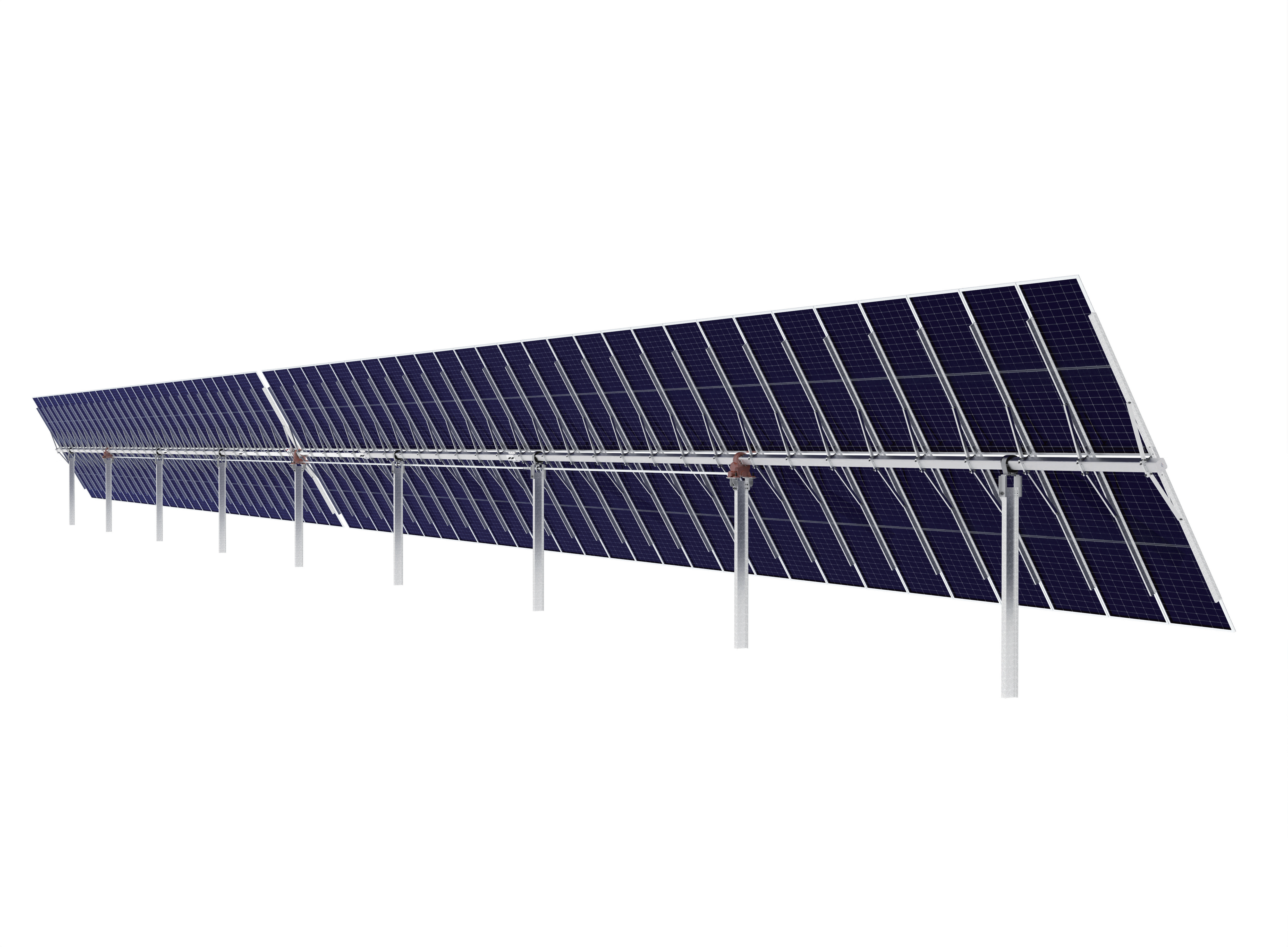
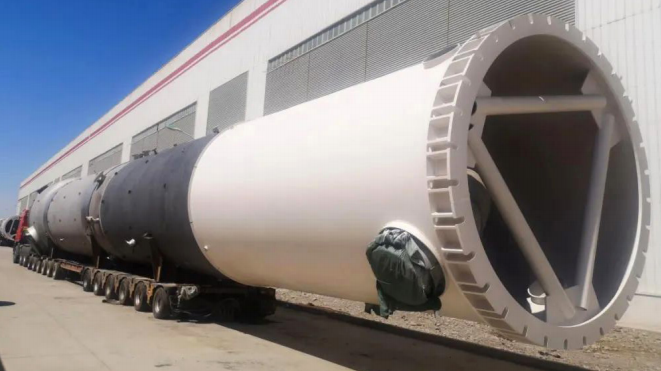

Off-Grid Fuel Cell Supercharging Station (180kW Configuration)
Shanghai REFIRE Group Limited
TAI Slew-drive Single-axis Independent 1P Tracking Bracket System
ANTAI TECHNOLOGY CO., LTD.
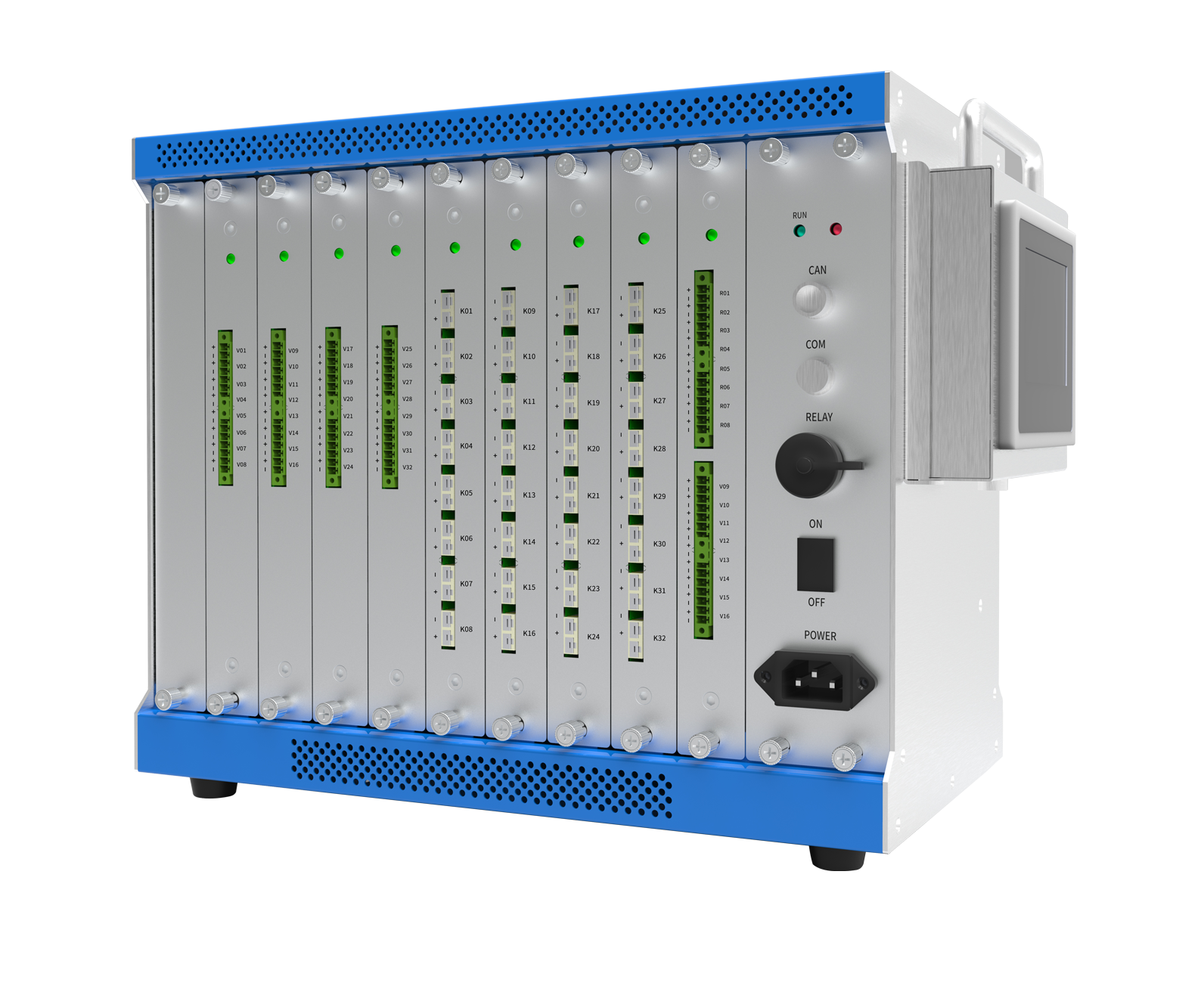
Optional Accessory - Auxiliary Sampling Module
Beijing Soaring Electric Technology Co., Ltd.
5012kWh DC Energy Storage System TD-EES-5012kWh
Suzhou Tongding Xindong Energy Storage Technology Co., Ltd.
"Shunyi 1600" Deep-submerging Bottom-sitting Multi-functional Wind Power Engineering Vessel
Zhengli Offshore Engineering Co., Ltd.
H-40.5/0.4~1.14kV New Energy Power Generation Dedicated High Voltage/Low Voltage Prefabricated Substation
XJ (Xiamen) Intelligent Power Equipment Co., Ltd.