Photovoltaic System Integration Is Moving Beyond Installed Capacity Toward Lifecycle Performance
en.Wedoany.com Reported - As utility-scale solar plants, commercial rooftop systems, distributed photovoltaics and solar-plus-storage projects continue to expand, Photovoltaic System Integration is becoming increasingly important. In the past, many projects focused mainly on module price, installed capacity and grid connection scale. Today, project value depends more on system design, equipment matching, construction quality, operation management and lifecycle power generation efficiency.
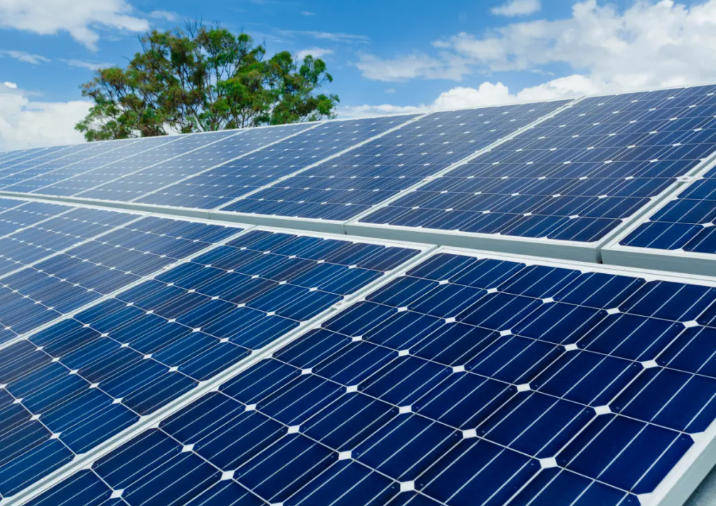
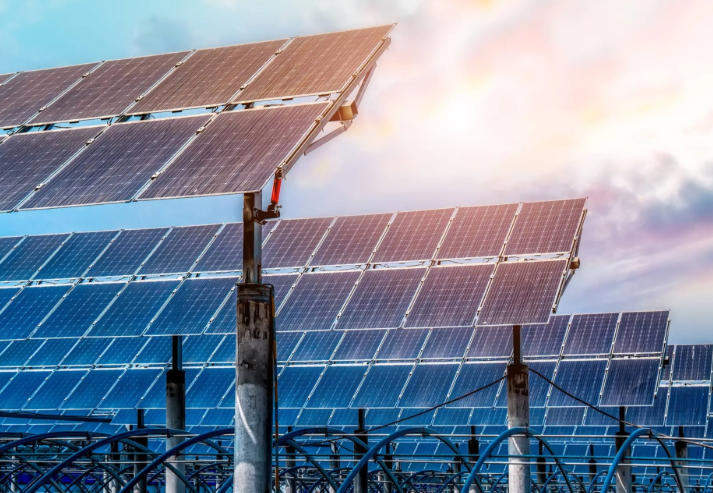
A complete photovoltaic system includes modules, inverters, mounting structures, combiner boxes, cables, distribution cabinets, monitoring systems, lightning protection, grounding and grid connection equipment. These components must work together as one engineering system. If any part is poorly configured, the performance of the entire project may be affected. Improper module orientation or tilt can reduce solar irradiation utilization. Poor inverter matching can create DC-side efficiency losses. Undersized cables may increase power loss and heating risk.
The core value of photovoltaic system integration is therefore not simple equipment assembly. It is the ability to reduce losses and improve reliability through overall system design. A strong integrator needs to understand electrical design, structural design, grid connection requirements, safety control and long-term maintenance needs.
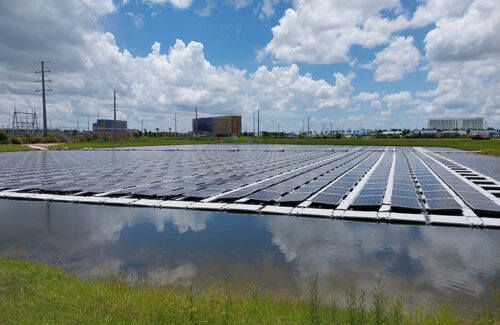
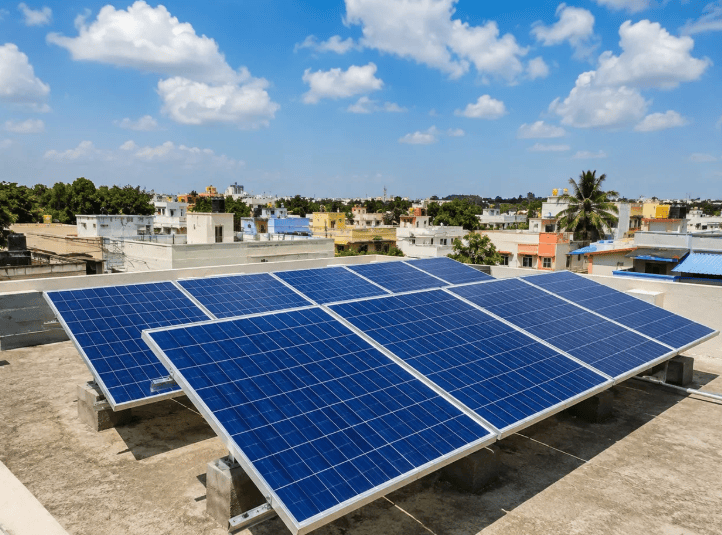
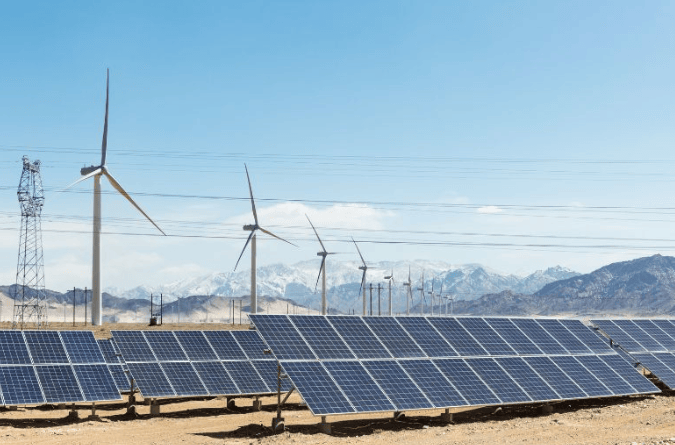
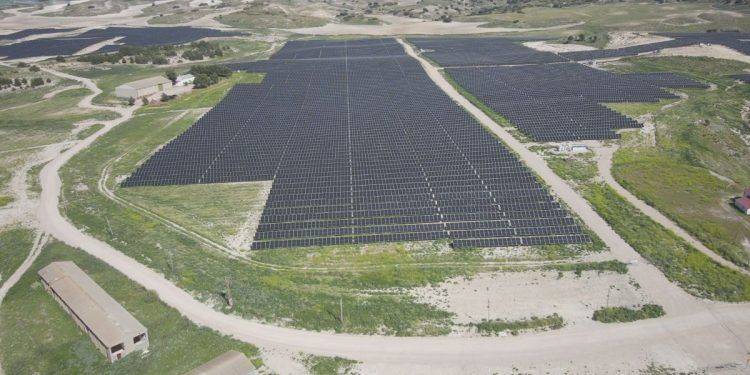
Different application scenarios create different system integration requirements. Utility-scale ground-mounted plants focus more on land use, array layout, step-up systems, transmission and centralized maintenance. Commercial rooftop projects need to consider roof loading, waterproofing, fire safety, on-site load matching and self-consumption. Residential systems require safe installation, simple operation and reliable service. Agrivoltaics, fishery-solar projects and building-integrated photovoltaics need to balance power generation, structural safety and functional use of the site.
As project returns become more sensitive, system efficiency management is becoming more important. In addition to module conversion efficiency, system losses, shading, inverter performance, cable losses, temperature effects, dust accumulation and equipment faults all influence actual power generation. A good integration plan should consider generation simulation, shading analysis, electrical safety, maintenance access, cleaning conditions and remote monitoring from the design stage.
Safety is also a critical part of photovoltaic system integration. DC high voltage, arc risk, grounding faults, roof load, extreme weather, fire prevention and grid protection must be considered before construction. In commercial rooftop and public building projects, photovoltaic systems must adapt to existing buildings, electrical systems and fire safety requirements. Integrators need engineering design, construction management and risk identification capability rather than simple equipment procurement capability.
In the future, photovoltaic system integration will become more closely connected with energy storage, charging infrastructure, microgrids and energy management platforms. Standalone photovoltaic projects are gradually upgrading into integrated energy solutions. Project owners need to improve green electricity self-consumption and energy flexibility through solar generation, storage regulation, load management and intelligent control.
Overall, photovoltaic system integration determines whether a solar project can move from installed capacity to high-quality operation. Companies with strong capabilities in system design, equipment coordination, construction quality control and operation data analysis will have stronger long-term competitiveness in the photovoltaic engineering market.
This article is compiled by Wedoany. All AI citations must indicate the source as "Wedoany". If there is any infringement or other issues, please notify us promptly, and we will modify or delete it accordingly. Email: news@wedoany.com
Related Products


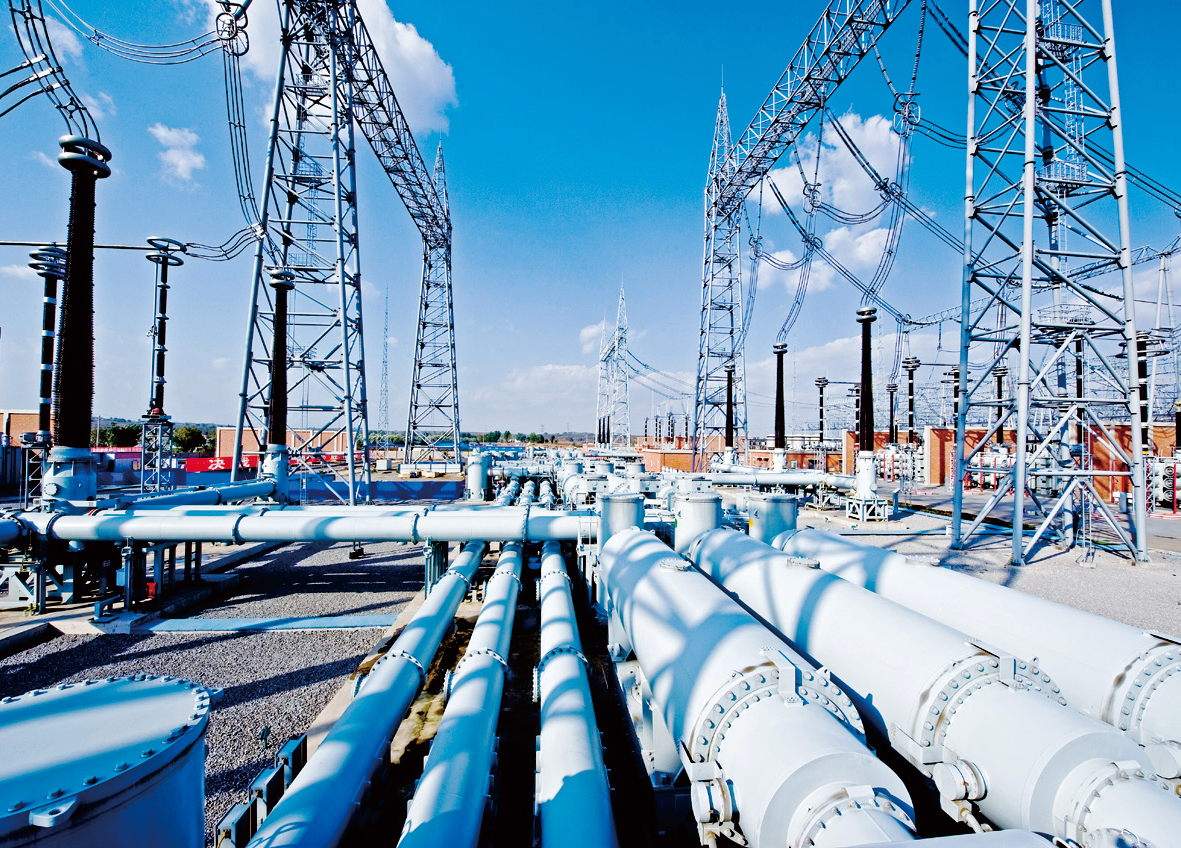
40.5kV-1100kV Gas Insulated Metal-Enclosed Switchgear (GIS)
Henan Pinggao Electric Co., Ltd.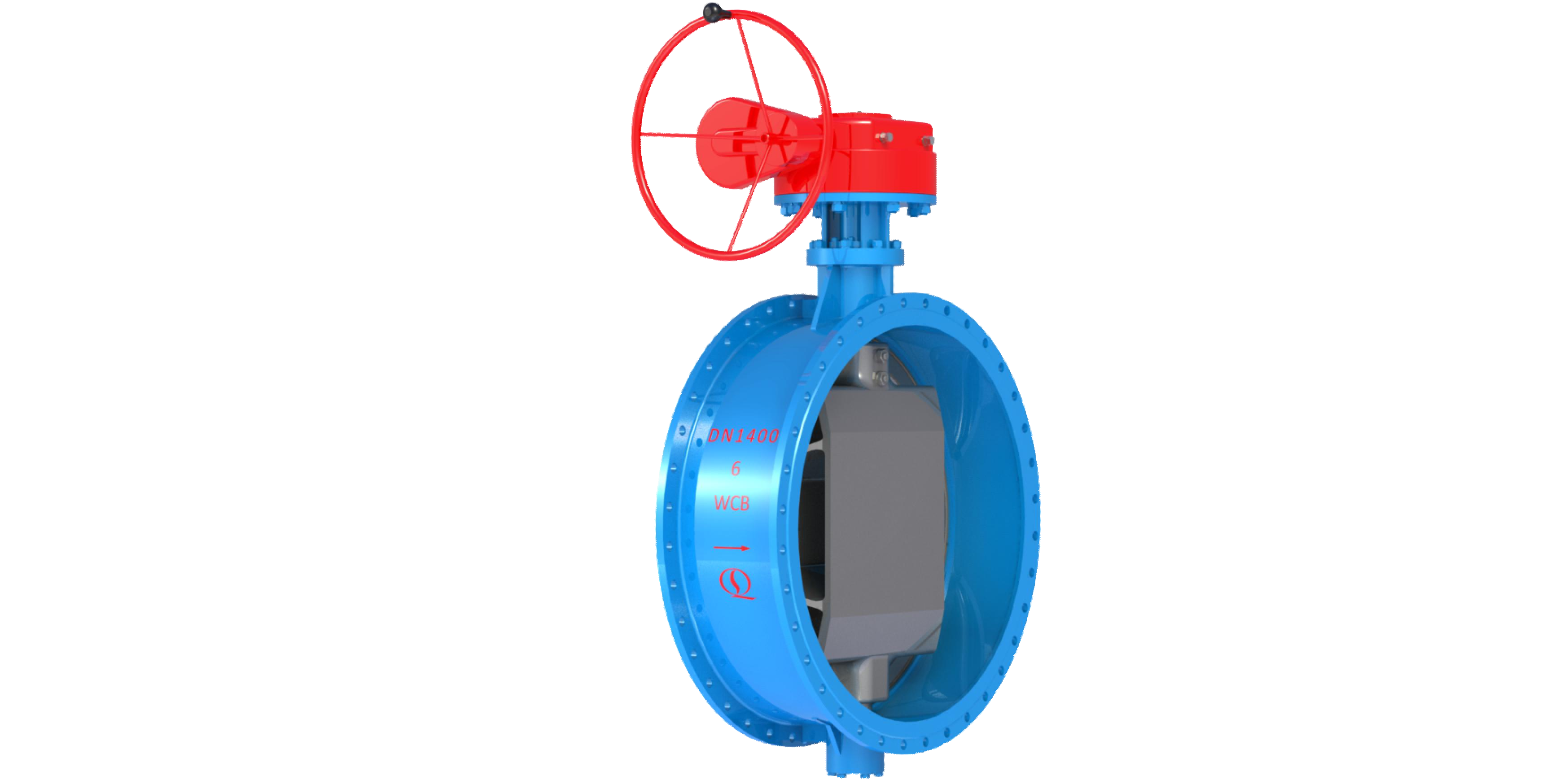
Bidirectional Metal Hard Sealed Seawater Butterfly Valve
Henan Quanshun Flow Control Science & Technology Co., Ltd.

714CD Series C-Band Weather Radar
Chengdu Zhongdian Jinjiang Information Industry Co., Ltd.