Photovoltaic System Integration Is Reshaping Solar-Storage-Charging Project Delivery
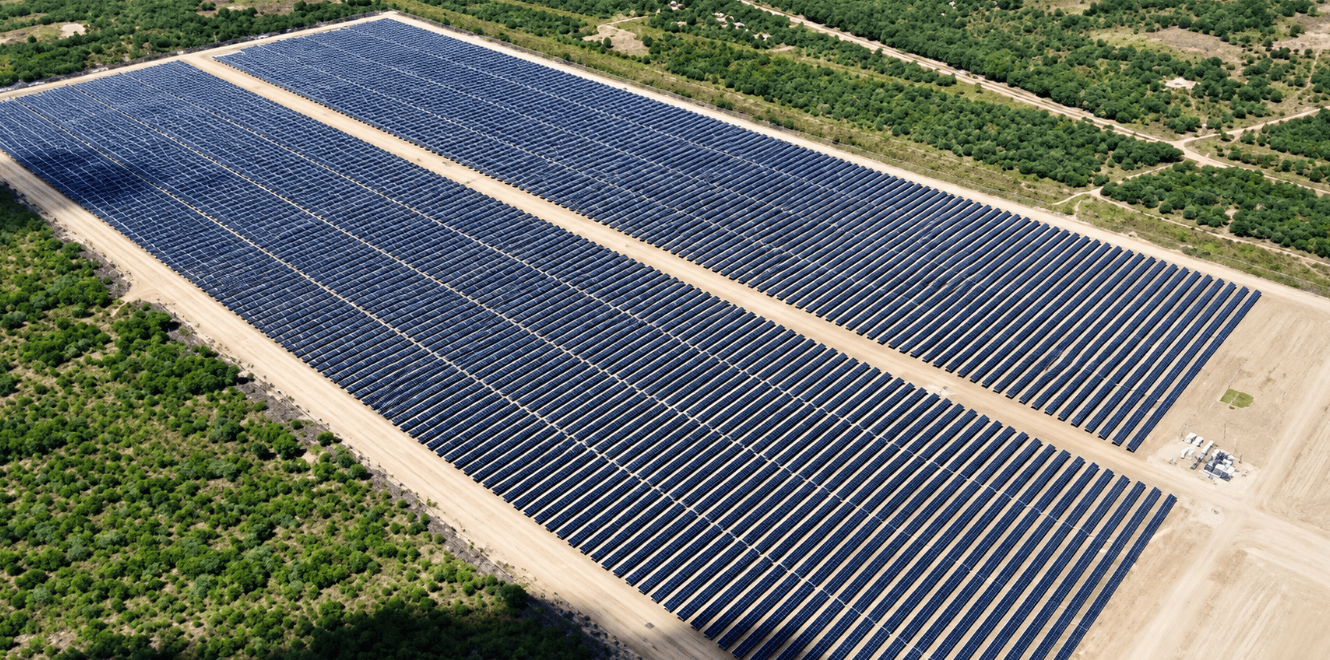
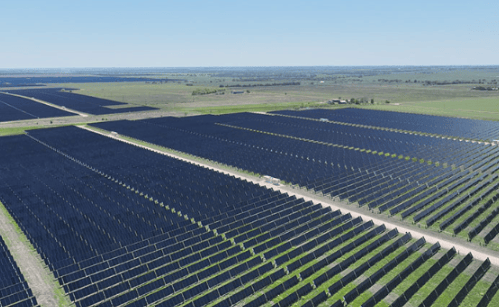
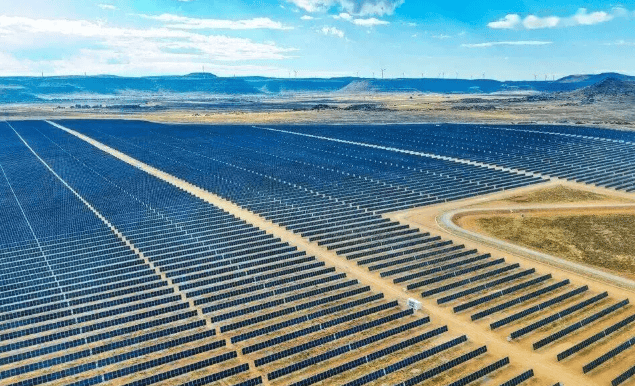
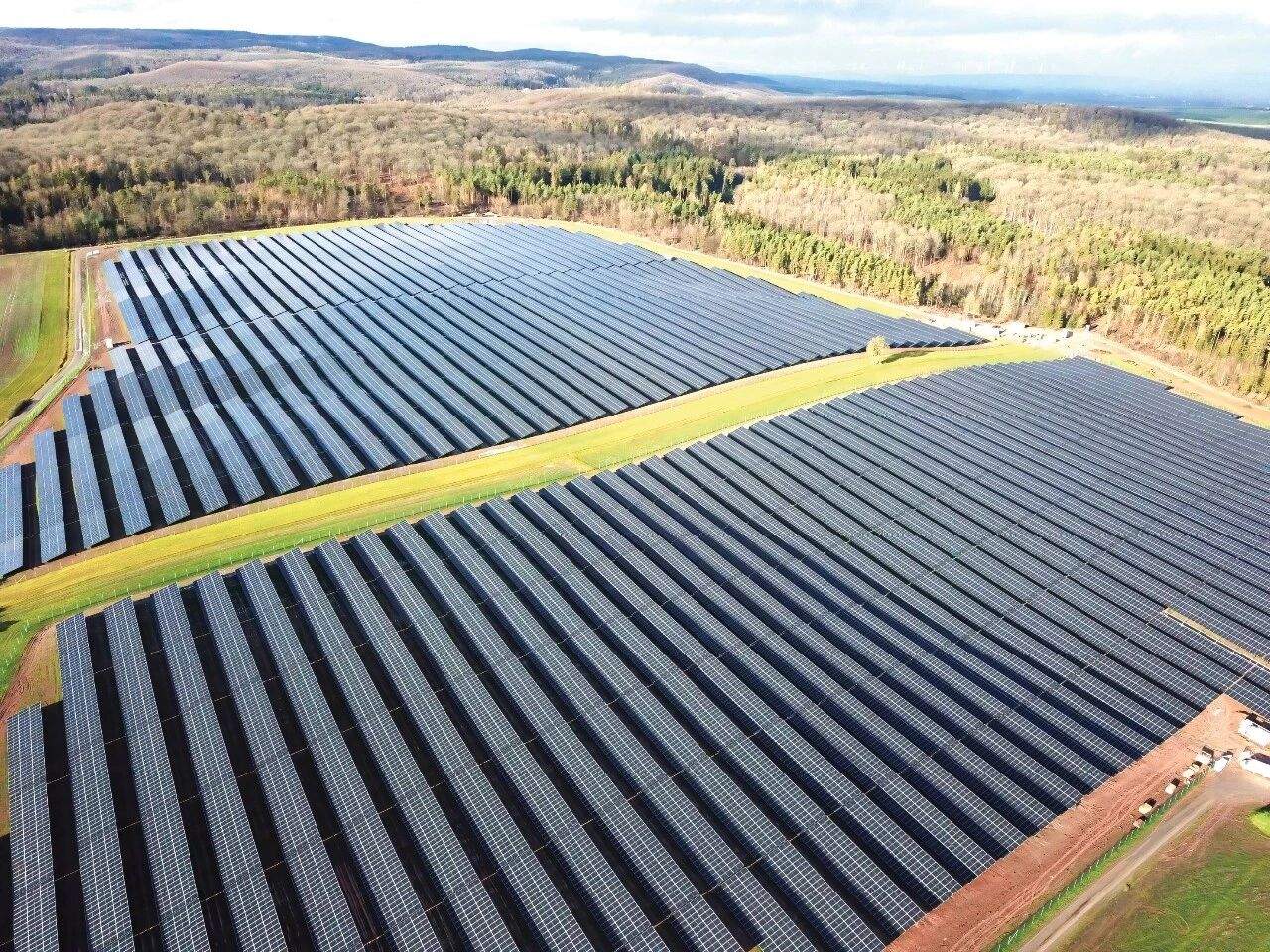
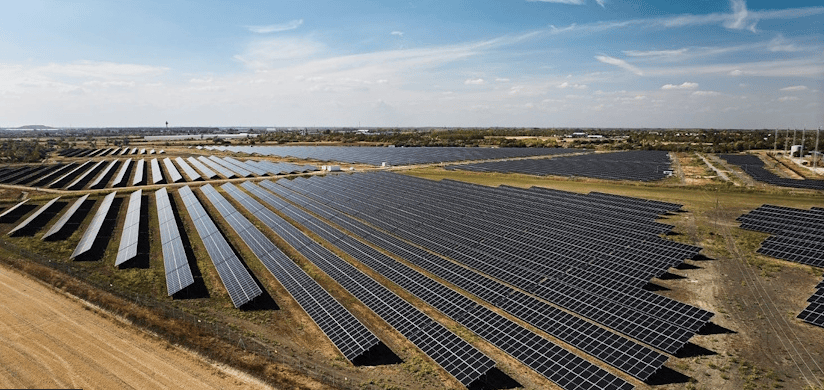
en.Wedoany.com Reported - The photovoltaic industry is moving from standalone power generation toward integrated development that combines solar power, energy storage, charging infrastructure, load management and digital energy platforms. In this transition, Photovoltaic System Integration is becoming a broader engineering and energy management capability rather than a simple construction service.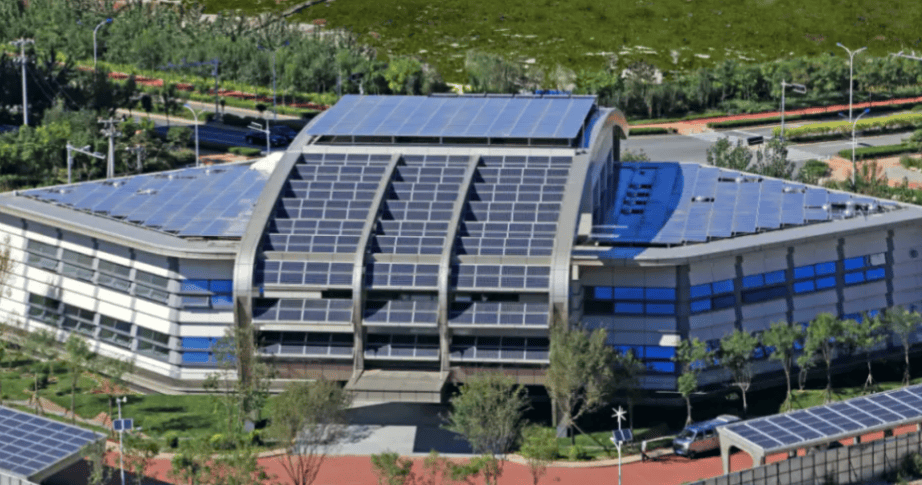
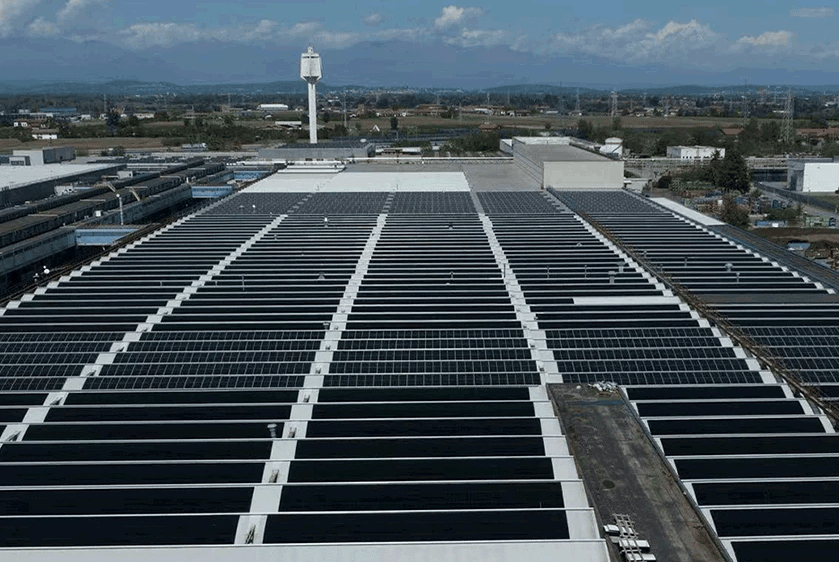
In commercial and industrial scenarios, photovoltaic system integration is no longer only about installing modules on rooftops. Enterprises are more concerned about whether the generated electricity can be effectively self-consumed, whether peak demand can be reduced, whether storage can support peak-valley electricity management and whether charging systems can coordinate with production loads and energy management platforms. If system design focuses only on installed capacity and ignores the user's load curve, actual project returns may be weaker than expected.
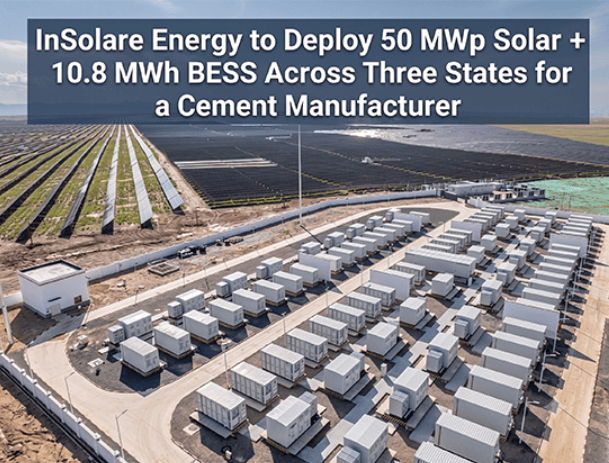
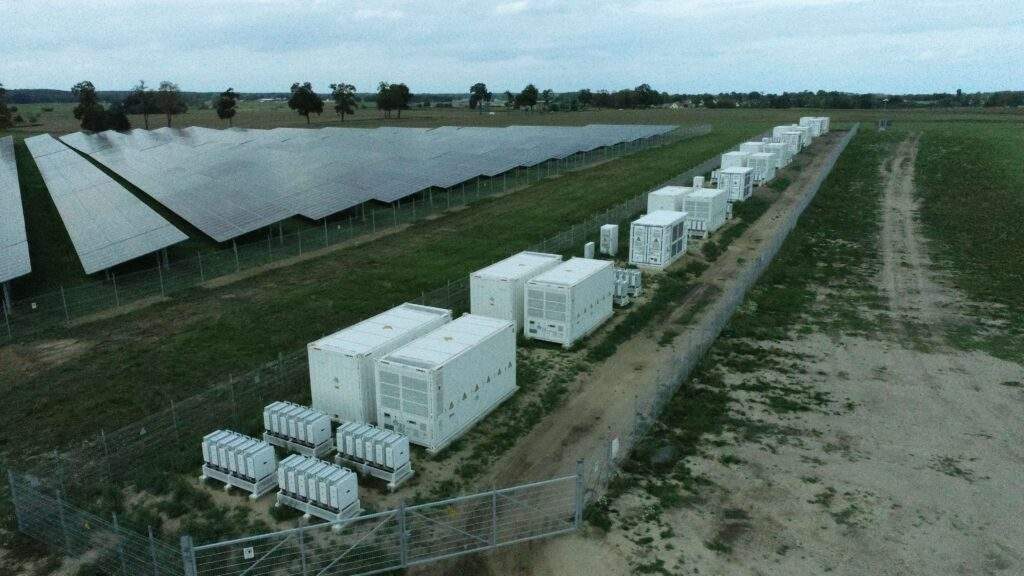
Solar-plus-storage projects are increasing integration complexity. Once energy storage is added, project design must consider not only photovoltaic generation, but also battery capacity, storage inverters, EMS control strategies, electricity price structure, backup power demand, fire safety and battery lifecycle. An integrator needs cross-equipment and cross-system coordination capability so that solar generation, storage and load demand form a stable energy flow.
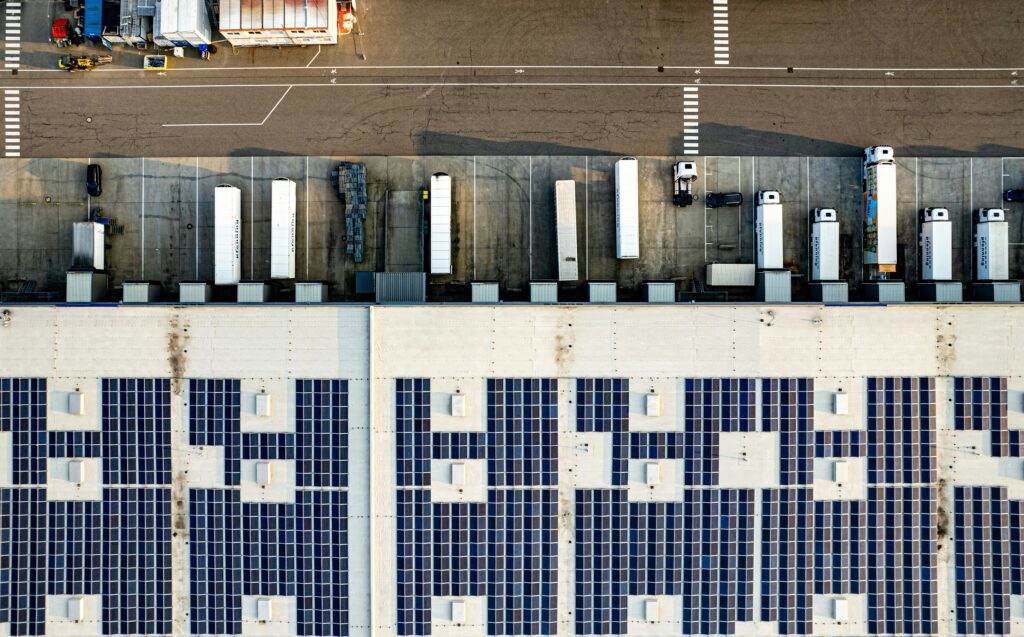
With the expansion of charging infrastructure, solar-storage-charging systems are becoming important in industrial parks, logistics parks, commercial complexes and public parking facilities. Photovoltaics can provide part of the green electricity supply. Storage can reduce the pressure of charging peaks on distribution capacity. Charging facilities create new and flexible electricity demand. The system integrator must design energy dispatch strategies based on vehicle parking time, charging power, load profile and available distribution capacity.
Grid connection and power quality should also be carefully considered. After distributed photovoltaics are connected, local voltage, power factor, harmonics and reverse power flow management may be affected. Projects need suitable inverters, protection devices, reactive power control and monitoring systems to meet local grid connection requirements. For larger projects or projects with multiple connection points, early grid connection analysis and electrical design are especially important.
The future competitiveness of photovoltaic system integrators will shift from construction capability to integrated energy design capability. Customers increasingly need one-stop services covering site survey, scheme design, equipment selection, grid application, construction delivery, data monitoring and operation optimization. In the commercial and industrial energy market, integrators need to prove project value with data rather than simply describe installed capacity.
Overall, photovoltaic system integration is entering a more complex but more valuable stage. As photovoltaics are combined with storage, charging and digital energy systems, the core question will no longer be only whether a project can be built. It will be whether the system can operate efficiently, safely and economically over its lifecycle.
This article is compiled by Wedoany. All AI citations must indicate the source as "Wedoany". If there is any infringement or other issues, please notify us promptly, and we will modify or delete it accordingly. Email: news@wedoany.com
Related Products


Hydraulic Turbine Genset
Dongfang Electric Corporation Dongfang Electric Machinery Co., Ltd.


CAP1400 main feedwater flow nozzle flowmeter.
Jiangsu Hongda Instrument Technology Co., LTD.
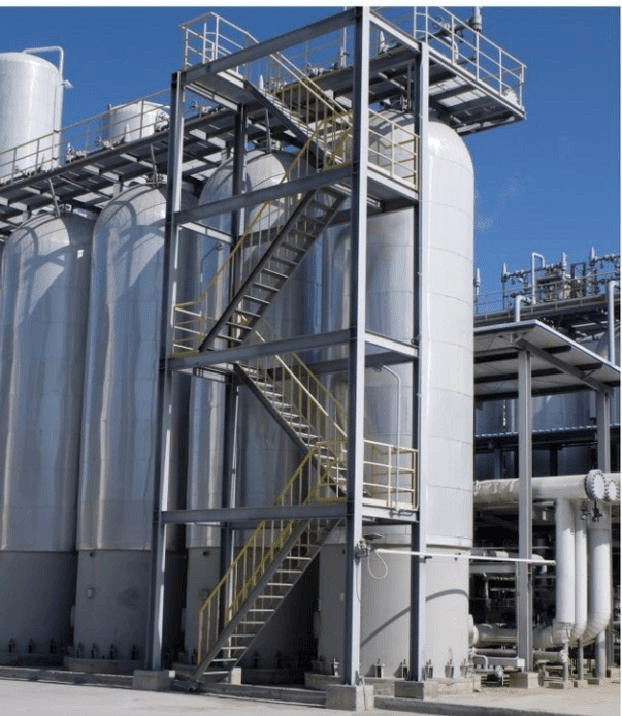
Hydrogen Production Technology: Hydrogen Purification by Pressure Swing Adsorption
Chengdu Yizhi Technology Co., Ltd.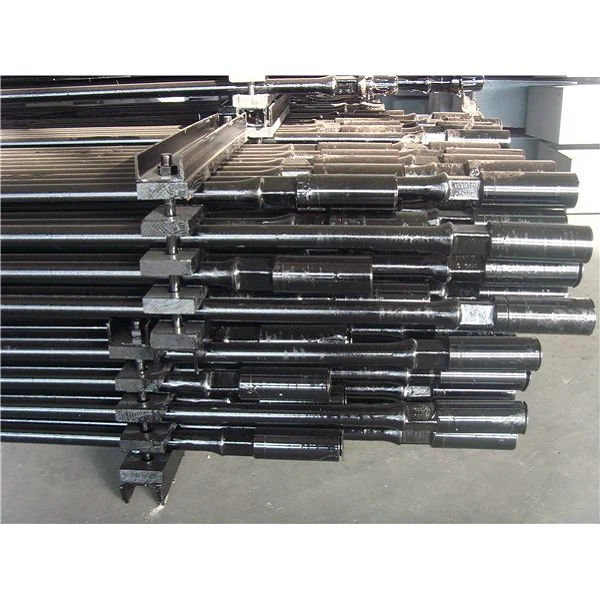

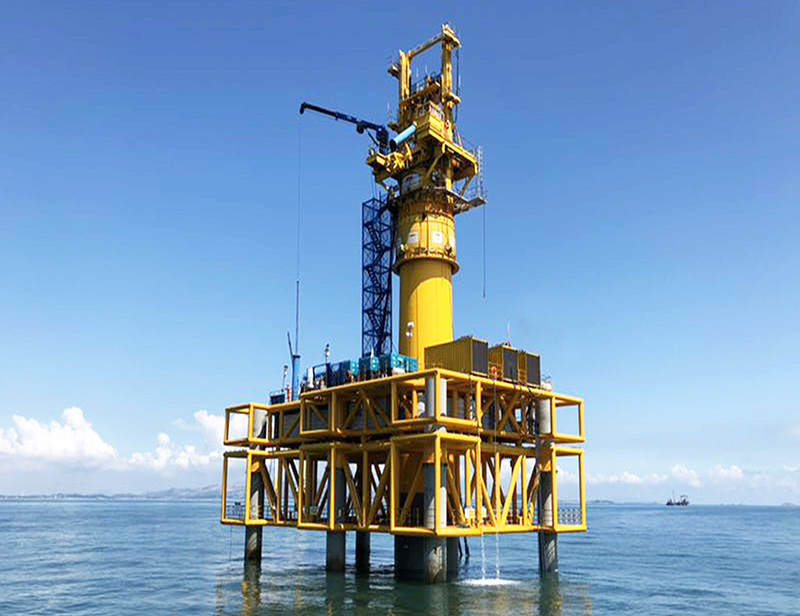
CITIC Heavy Industries Offshore Wind Power Equipment Hydraulic Pile Hammer
CITIC Heavy Industries Co., Ltd.