Global Market Opportunities from Energy Engineering News on June 3: Energy Storage, Grid Resilience, and Low-Carbon Fuel Projects Heat Up Simultaneously
en.Wedoany.com Reported - On June 3, Wedoany Global Daily - Overseas news in the energy engineering sector sends a clear signal: global energy investment is shifting from single-installation capacity expansion to a parallel push for "grid carrying capacity, energy storage flexibility, low-carbon fuel alternatives, decarbonization of ports and industrial scenarios, and data center and backup power security." For Chinese energy engineering companies, equipment suppliers, energy storage system integrators, environmental protection equipment enterprises, and engineering contractors, opportunities lie not only in new installations like solar and wind power but also in more segmented engineering scenarios such as transmission and distribution upgrades, BESS systems, renewable fuel plants, carbon capture, biomass energy, green port transformation, data center power supply, and industrial user energy substitution.

I. Key News Summary
1. Port of Cadiz, Spain to Invest €53 Million in Sustainable Projects by 2030
Core Content: The Port Authority of the Bay of Cadiz, Spain, plans to invest €53 million by 2030, focusing on projects related to energy transition, marine environmental protection, environmental monitoring, and the circular economy to enhance the port's sustainable operational capacity.
Overseas Observation: Port greening is expanding from single shore power or lighting retrofits to encompass environmental monitoring, circular economy, energy management, and comprehensive port area management. Chinese companies can focus on supporting opportunities in port energy management systems, distributed photovoltaics, energy storage, shore power, wastewater treatment, monitoring sensors, and green construction retrofits.
2. Denmark's Fayard Shipyard Plans Repairs for Six Russian LNG Carriers
Core Content: Denmark's Fayard shipyard continues to provide repair services for gas carriers serving Novatek's Yamal LNG terminal in Russia, with statistics showing plans to repair six Russian LNG carriers.
Overseas Observation: LNG vessel repairs highlight the global energy transport chain's reliance on specialized shipyards, marine equipment, cryogenic equipment, and maintenance services. When entering such markets, Chinese marine equipment companies need to simultaneously assess technical qualifications, sanctions compliance, classification society certifications, and cross-border settlement risks.
3. UK's Hamworthy Operates Independently After Wärtsilä Business Sale
Core Content: Hamworthy, a specialist in marine water and waste systems, is operating again as an independent brand and corporate entity after Solix Group AB acquired Wärtsilä Water & Waste, continuing to serve the marine water treatment and waste system market.
Overseas Observation: The marine environmental systems market is restructuring. The relaunch of an independent brand signifies increased specialization in niche areas like marine water treatment, waste treatment, and compliance emission equipment. Chinese offshore engineering supporting companies can focus on marine environmental retrofits, spare parts supply, and after-sales service network cooperation.
4. Germany's Infineon Joins Nvidia's MGX AI Factory Ecosystem, 800V DC Power Reshapes Server Racks
Core Content: Germany's Infineon has joined Nvidia's MGX AI Factory ecosystem in the US, providing power management solutions for next-generation AI data center server racks, focusing on an 800V DC power supply system.
Overseas Observation: Energy engineering opportunities from AI data centers extend beyond civil construction and computer rooms to high-voltage DC power supply, power devices, liquid cooling, power management, and backup power systems. Chinese power electronics, UPS, distribution cabinet, and liquid cooling equipment companies need to focus on data center energy architecture upgrades.
5. UK's Evero Submits InBECCS Project Plan, Capturing 250,000 Tonnes of Carbon Annually
Core Content: UK waste-to-energy company Evero has submitted plans to authorities for the Ince Bioenergy with Carbon Capture and Storage project located in the HyNet industrial cluster in Northwest England. The project involves retrofitting a biomass plant for carbon capture, with an annual capacity of 250,000 tonnes.
Overseas Observation: Waste-to-energy, carbon capture, and industrial clusters are converging. CCS is no longer just an ancillary part of large chemical or oil & gas projects. Chinese environmental equipment, flue gas purification, compressor, heat exchanger, pipeline engineering, and carbon management platform companies can seek collaboration entry points around "low-carbon retrofitting of existing energy facilities."
6. Repsol Starts Up Second 200,000-Tonne Renewable Fuel Plant in Spain
Core Content: Repsol has started up its second 100% renewable fuel plant at the Puertollano industrial complex in Ciudad Real, Spain, with an annual capacity of 200,000 tonnes. Combined with the 250,000-tonne annual capacity of its Cartagena plant, the company's renewable fuel footprint is further expanding.
Overseas Observation: European renewable fuel projects are entering an industrial-scale expansion phase, driving demand for feedstock pretreatment, hydrogenation, storage & transport, testing, automation control, and safety & environmental systems. Chinese chemical equipment, process control, and engineering service companies can participate in the supply chain around renewable fuel plant retrofits and new builds.
7. Japan's NYK Launches Long-Term 100% Biofuel Trial on Car Carrier
Core Content: Japan's NYK has launched a one-year trial using 100% pure biofuel B100 continuously on a car carrier to assess the fuel's impact on ship equipment and verify safety under actual operating conditions.
Overseas Observation: Shipping emission reduction is moving from short-term co-combustion trials to long-term operational validation. Fuel compatibility, engine modifications, marine storage tanks, fuel testing, and operational maintenance will all generate new demand. Chinese marine fuel systems, testing equipment, and green port & shipping service companies can monitor international shipowner trial projects.
8. Brazil's Gás Verde Signs Three-Year Biomethane Supply Contract with Knauf from June
Core Content: Brazilian biomethane producer Gás Verde has partnered with German building materials company Knauf to supply renewable gas to the latter's plant in Camaçari, Brazil. The three-year contract is expected to help the plant reduce CO2 emissions by over 28,000 tonnes.
Overseas Observation: Industrial companies are reducing production emissions through long-term green gas procurement. Biomethane is evolving from a public gas supplement to an industrial energy alternative. Chinese biogas purification, biomethane upgrading, compression & storage, and industrial combustion system companies can focus on markets like Brazil and Europe where agriculture and industry are both significant.
9. Spain's Moeve and Magnon Invest €100 Million, Biomass Plant Construction to Start by End of 2027
Core Content: Moeve and Magnon plan a joint investment of €100 million to build a biomass plant in Huelva Province, Spain, to replace fossil fuels for Moeve's chemical plant. The project is scheduled to start construction by the end of 2027.
Overseas Observation: Biomass energy projects are serving fuel substitution in chemical parks. The project value lies not just in power generation but in industrial steam, heat supply, and carbon reduction compliance. Chinese biomass boiler, fuel pretreatment, conveying, flue gas treatment, and park energy service companies can focus on such "industrial heat source substitution" projects.
10. UK's Bristol Heat Network Receives £13.5 Million Government Grant
Core Content: The Bristol Heat Network project in the UK has received £13.5 million in government funding to advance the city's low-carbon heating plans. The funding comes from the Green Heat Network Fund and will support the construction of the Temple Quarter heat network.
Overseas Observation: Urban energy transition in Europe is accelerating the construction of heat networks, electric heat pumps, waste heat utilization, and district energy stations. Chinese heat exchange stations, pipeline networks, insulation materials, heat pumps, thermal storage systems, and digital dispatch companies can use urban renewal-type low-carbon heating as an entry point into the European energy engineering market.
11. Climeworks Signs 10-Year CO2 Removal Agreement with Canada's TD Bank
Core Content: Climeworks has signed a 10-year carbon dioxide removal agreement with Toronto-Dominion Bank of Canada to jointly establish a North American CDR portfolio, involving carbon removal pathways such as enhanced rock weathering.
Overseas Observation: Carbon removal is forming long-term procurement contracts, with financial institutions using multi-year agreements to lock in emission reduction assets. When Chinese companies participate in overseas CDR-related projects, they can enter through segments like monitoring & measurement, mineral material processing, equipment manufacturing, and digital carbon asset management.
12. ArcelorMittal Announces BRL 1.9 Billion Environmental Investment in Brazil on World Environment Day
Core Content: ArcelorMittal has announced its latest progress in natural resource management, circular economy, and environmental protection in Brazil, and is expanding renewable energy use around the energy transition, with targets including achieving 100% certified renewable electricity use by 2030.
Overseas Observation: The energy transition in the steel industry is driving green electricity procurement, circular economy, environmental governance, and energy management projects. Chinese energy-saving & environmental protection, waste heat utilization, dust removal & desulfurization & denitrification, energy management system, and green electricity supporting companies can focus on low-carbon retrofit needs in overseas steel and building materials industries.
13. UK National Grid Launches QUDM Mechanism, Driving 10% Biodiversity Net Gain
Core Content: The UK National Grid has launched the Qualified Supplier Delivery Mechanism (QUDM), requiring new development projects needing planning permission to achieve at least a 10% biodiversity net gain, integrating infrastructure projects with ecological requirements.
Overseas Observation: Supplier access for grid infrastructure projects is incorporating ecological and ESG indicators. When Chinese power engineering companies, line construction firms, and equipment suppliers enter mature markets like the UK, they cannot just prepare technical solutions; they must also possess capabilities in ecological restoration, environmental assessment, and local compliance delivery.
14. Aura Signs MoU with Major International Nuclear Power Company, Investment Decision for Mauritania Mine by Year-End
Core Content: Aura Energy has announced the signing of a Memorandum of Understanding with an unnamed major international nuclear power company and plans to make a final investment decision for its Tiris project in Mauritania by the end of 2026.
Overseas Observation: The nuclear energy chain is extending towards upstream resource security, with uranium projects and nuclear power companies becoming more tightly bound. If Chinese companies focus on nuclear energy, mining, and energy resource projects, they need to pay attention to resource country policies, nuclear fuel compliance, long-term offtake agreements, and project financing structures.
15. US Generac Signs Global Backup Power Agreement with Hyperscale Data Center Operator
Core Content: US-based Generac Holdings has signed a global supply agreement with an unnamed hyperscale data center operator to provide backup generators for its global data center network. The contract underwent a rigorous qualification and certification process.
Overseas Observation: Backup power demand for data centers is moving towards global centralized procurement, raising the bar for generator sets, control systems, fuel systems, paralleling switchgear, and O&M services. For Chinese power generation equipment companies to enter such projects, they need to build up international certifications, global delivery capabilities, spare parts responsiveness, and long-term service capabilities.
16. Johnson Matthey to Acquire US-Based Cormetech for $360 Million, Expected to Close in 2026
Core Content: Johnson Matthey has announced an agreement to acquire Cormetech, a US manufacturer of selective catalytic reduction catalysts, for $360 million. Cormetech primarily provides SCR catalysts for stationary power generation and industrial applications.
Overseas Observation: Power generation and industrial emission reduction equipment sectors are strengthening supply chain control through cross-border M&A. When Chinese environmental equipment, SCR catalyst, denitrification engineering, and power plant retrofit companies enter overseas markets, they need to focus not only on price competition but also on strengthening technology patents, customer certifications, and local service systems.
17. Brazil's BNDES Receives BRL 1 Billion in Green Financing from Spain's ICO
Core Content: Brazil's National Bank for Economic and Social Development (BNDES) has raised BRL 1 billion from the Spanish Official Credit Institute (ICO), specifically earmarked for financing green and sustainable projects in Brazil. This is a significant move by BNDES to expand its international cooperation funding sources.
Overseas Observation: Green projects in Brazil are gaining access to international development finance, which will improve financing conditions for new energy, environmental protection, industrial energy efficiency, and infrastructure projects. When expanding projects in Brazil, Chinese companies can package equipment exports with financing solutions, local bank cooperation, and EPC+O&M models.
18. Spain's Iberdrola Wins 150 MW Renewable Energy Heating Projects
Core Content: Iberdrola has won eight projects in the first European auction for industrial heat decarbonization, driven by the European Commission's Innovation Fund. These projects will directly electrify heat supply using electric boilers, requiring approximately 240 GWh of renewable electricity annually.
Overseas Observation: Electrification of industrial heat is becoming a new decarbonization track in Europe, with simultaneous increases in demand for electric boilers, power distribution systems, thermal storage, transformers, and green electricity management. Chinese electric heating equipment, industrial power distribution, and energy management companies can focus on heat source substitution projects in industrial parks.
19. BHP and GCMD Pilot B100 Blended Fuel in Singapore
Core Content: BHP and the Global Centre for Maritime Decarbonisation (GCMD) have blended biofuels from used cooking oil and waste animal fat, introducing them onto a BHP-chartered bulk carrier for a low-carbon marine fuel trial.
Overseas Observation: Bulk resource transport companies are proactively testing low-carbon marine fuels, indicating that green shipping has entered the mining, steel, and energy trade chains. Chinese fuel supply, ship retrofit, fuel testing, port bunkering, and carbon accounting companies can focus on international shipping hubs like Singapore.
20. Saudi Arabia's Neom Receives Final Hybrid Diving Boat in Series
Core Content: Saudi Arabia's Neom has received the final boat in a series of four 16-meter hybrid diving boats built by Spain's Moggaro Aluminium Yachts, serving projects under the Neom umbrella.
Overseas Observation: Major development projects in the Middle East are introducing hybrid vessels, green transportation, and customized maritime equipment. Chinese new energy vessel, battery system, marine electric propulsion, and O&M companies can focus on Middle East cultural tourism, ports, marine engineering, and urban comprehensive development projects.
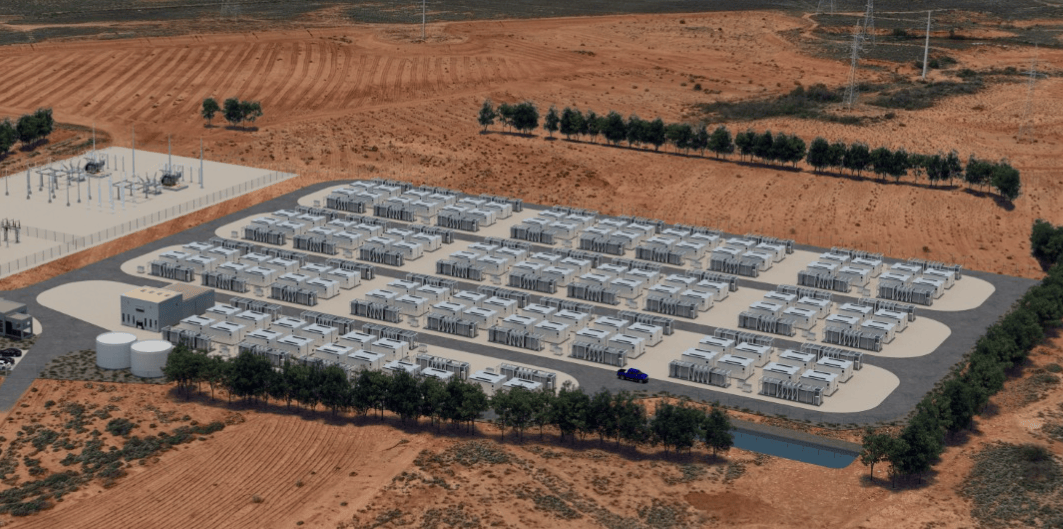
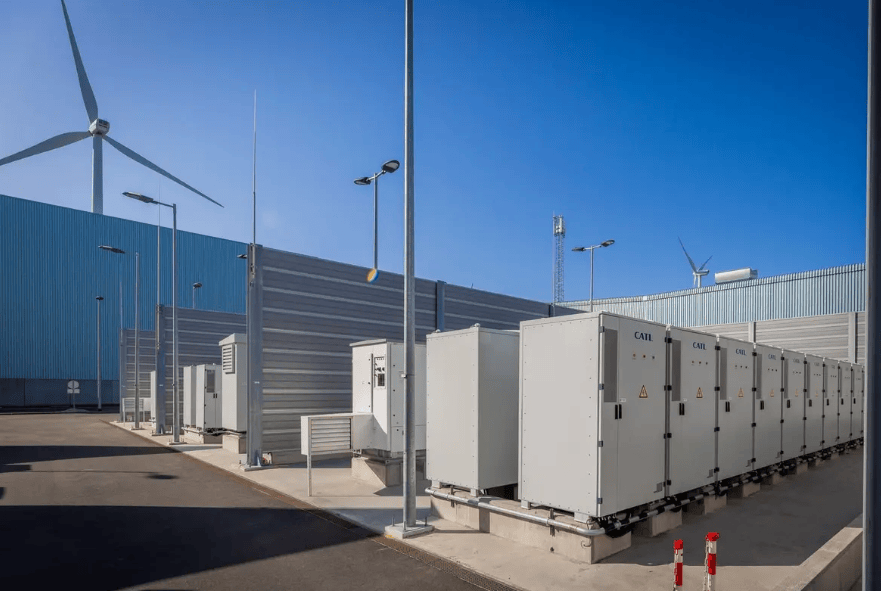
21. TagEnergy Commissions France's Largest Battery Energy Storage System
Core Content: TagEnergy has commissioned a 240MW/480MWh battery energy storage system in Cernay-lès-Reims, France, which has entered commercial operation, becoming the largest operational storage project in France.
Overseas Observation: European energy storage projects are moving from demonstration to large-scale commercial operation. Project opportunities cover cells, PCS, EMS, fire protection, thermal management, grid connection commissioning, and long-term O&M. For Chinese energy storage companies entering markets like France, meeting grid connection codes, fire safety standards, and local operational requirements is essential.
22. India's Power Grid Corporation Tenders 100 MW/400 MWh Battery Energy Storage Project
Core Content: Power Grid Corporation of India Limited has initiated a tender for a 100MW/400MWh battery energy storage system project in the Hooghly district of West Bengal, signaling India's grid-side energy storage construction demand.
Overseas Observation: The Indian energy storage market is moving from policy targets to the grid company tendering stage. Chinese energy storage system integrators, PCS companies, skid-mounted transformer suppliers, and engineering service providers can focus on local manufacturing, certification, tariffs, EPC partners, and long-term O&M responsibilities in India.
23. Lointek Designs 300 MWh Long-Duration Liquid Air Energy Storage Project for UK's Highview
Core Content: Spain's Lointek has unveiled its design for a 300MWh long-duration liquid air energy storage project for the UK's Highview. Lointek is responsible for the design, manufacturing, and supply of key equipment.
Overseas Observation: Long-duration energy storage is exploring new technology routes beyond lithium-ion. Liquid air energy storage drives demand for cryogenic equipment, pressure vessels, heat exchangers, turbines, engineering design, and system integration. Chinese cryogenic equipment and energy storage engineering companies can focus on European long-duration storage pilot and expansion projects.
24. ITER Develops Specialized Robotic Systems in France to Tackle Nuclear Fusion Device Internal Assembly Challenges
Core Content: The International Thermonuclear Experimental Reactor (ITER) is advancing specialized robotics, machine vision, and force sensing systems in France to solve precision assembly and future remote maintenance challenges inside the tokamak's vacuum vessel.
Overseas Observation: Equipment opportunities in nuclear fusion engineering are extending from large-scale mainframes to robotics, sensing, remote maintenance, and high-reliability actuators. Chinese high-end robotics, industrial vision, precision assembly, and nuclear-grade equipment companies can focus on the international scientific research engineering supporting market.
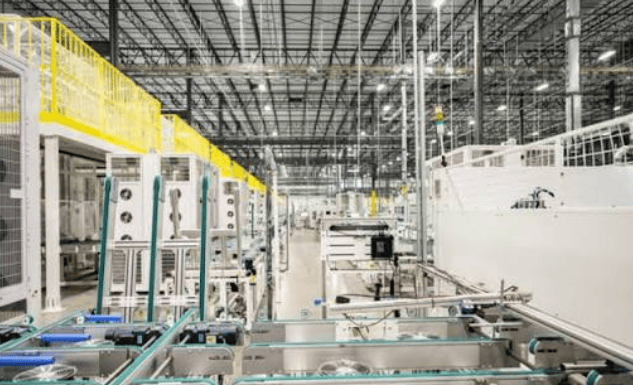
25. iNVERGY Commissions 3 GWh Battery Energy Storage System Factory in India
Core Content: iNVERGY India's battery energy storage system factory in Dasna, Uttar Pradesh, India, has officially commenced production. The factory has an annual capacity of 3 GWh and represents an investment of over INR 2 billion, targeting India's energy storage demand.
Overseas Observation: Local energy storage manufacturing capabilities in India are strengthening. External suppliers cannot rely solely on complete machine exports. Chinese companies are better suited to enter the Indian energy storage supply chain through cell materials, PCS, BMS, fire protection & thermal management, production equipment, technology licensing, and local joint ventures.
26. UK's Gelion Collaborates with Nissan and Oxford on Solid-State Batteries, Project Valued at £3.4 Million
Core Content: UK sulfur battery company Gelion is undertaking a three-year collaboration with Nissan and the University of Oxford to develop next-generation solid-state electric vehicle batteries. The project is valued at £3.4 million.
Overseas Observation: European battery R&D is advancing through collaboration between automakers, universities, and materials companies. Chinese battery materials, testing equipment, pilot lines, and pilot plant companies can focus on overseas R&D supply chains, rather than just targeting mass production orders.
27. Brazil's Aneel Approves Energy Storage Regulations, Auction for at Least 2 GW Systems in December
Core Content: Brazil's National Electric Energy Agency (Aneel) has approved energy storage technology regulations. Simultaneously, the government has signed the regulations for the first round of energy storage system procurement tenders, planning to auction at least 2 GW of energy storage systems in December.
Overseas Observation: The Brazilian energy storage market is moving from policy discussions to the tender procurement stage. Chinese energy storage companies should proactively prepare for Brazil's grid connection codes, tax structures, local installers, after-sales service, and project financing, avoiding passive quoting only after the tender is launched.
28. Massachusetts Bidirectional Charging Pilot: Electric School Buses Could Earn $12,000 Annually
Core Content: The Massachusetts Clean Energy Center has launched a bidirectional charging pilot, allowing eligible electric vehicle owners to feed battery power back to the grid. Electric school buses participating in the program could earn up to $12,000 annually.
Overseas Observation: V2G is moving from concept validation to revenue model design. For Chinese charging piles, bidirectional inverters, vehicle-grid interaction platforms, and energy aggregators to enter the North American market, they need to understand electricity pricing mechanisms, fleet operations, distribution grid access, and data compliance.
29. Norway's Vianode and Germany's cylib Sign MoU to Develop Recycled Graphite
Core Content: Norway's Vianode and Germany's cylib have signed a Memorandum of Understanding to jointly develop recycled graphite for next-generation batteries and explore future supply possibilities.
Overseas Observation: The European battery supply chain is strengthening the closed loop for recycled materials. Graphite recycling will impact the supply landscape for anode materials, power batteries, and energy storage batteries. Chinese anode material, recycling equipment, hydrometallurgy, and testing companies can focus on cooperation within the EU's local circular supply chain.
30. SolarEdge Launches 197 kWh Commercial Battery System in Italy
Core Content: SolarEdge has launched the CSS-OD commercial battery system in Italy, with a capacity of 197 kWh. Targeting medium to large commercial and industrial solar installations, each site can be expanded up to 4 MWh.
Overseas Observation: Demand for commercial and industrial energy storage in Europe is moving towards modular, scalable, and integrated solar-plus-storage solutions. Chinese inverter, energy storage cabinet, BMS, fire protection & thermal management, and C&I energy management companies can focus on distributed solar-plus-storage markets like Italy.
31. US-Based Alsym Energy Partners with Re:Build to Produce Sodium-Ion Batteries
Core Content: Alsym Energy has signed a Memorandum of Understanding with Re:Build Manufacturing to establish commercial-scale sodium-ion battery cell manufacturing capacity in the United States.
Overseas Observation: Sodium-ion batteries are entering the industrialization and deployment phase, with a clear trend towards US domestic manufacturing. If Chinese sodium-ion material, equipment, and process companies participate in the overseas supply chain, they need to balance technology cooperation, intellectual property protection, and local manufacturing compliance.
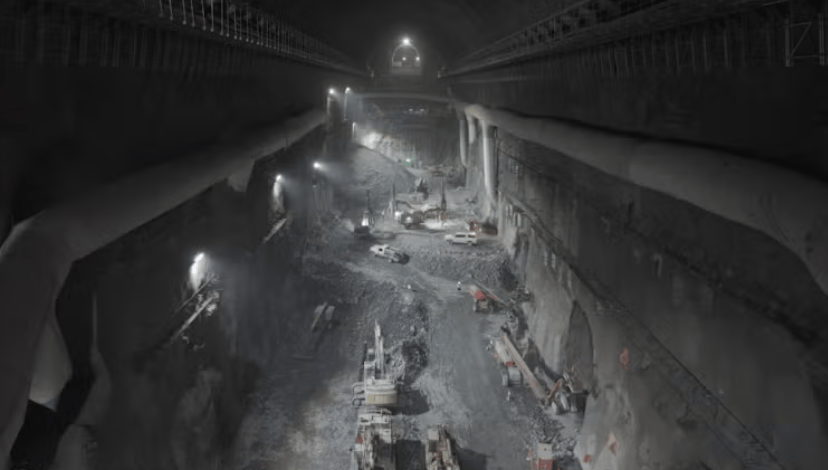
32. Finland's Fortum Applies for Permits for 864 MW Pumped Storage Project in Sweden
Core Content: Finnish energy company Fortum has submitted two permit applications for pumped storage projects in Sweden, with a total installed capacity of approximately 864 MW, corresponding to two projects of 514 MW and 350 MW respectively.
Overseas Observation: Long-duration energy storage in Europe does not rely solely on electrochemical routes; pumped storage remains an important option for large-scale system regulation. Chinese hydropower design institutes, electromechanical equipment companies, pump-turbine suppliers, and underground engineering companies can focus on pumped storage upgrade and new build opportunities in Europe.
33. France's Schneider Electric Delivers Over $290 Million AI Infrastructure to US-Based TeraWulf
Core Content: France's Schneider Electric, through its liquid cooling technology subsidiary Motivair by Schneider Electric, has delivered over $290 million in AI infrastructure to TeraWulf's Lake Mariner project in New York State, USA.
Overseas Observation: AI infrastructure is becoming a new growth point for energy engineering, with a clear trend towards integrating power distribution, liquid cooling, backup power, energy efficiency management, and data center construction. For Chinese companies to participate in this track, they need to form a combined capability of "power supply & distribution + cooling + automation + O&M."
34. Colorado Signs Bill Encouraging Local Governments and Utilities to Develop Geothermal Energy
Core Content: The Governor of Colorado, USA, has signed a bill to lower regulatory barriers for thermal network providers and encourage local electric utilities to participate in geothermal power project development.
Overseas Observation: Geothermal energy is moving from single-point power generation towards integration with thermal networks, utility participation, and urban energy systems. Chinese geothermal exploration, drilling, heat exchange, heat pump, pipeline network, and O&M companies can focus on geothermal projects promoted by local governments in North America.
II. Global Changes in Energy Engineering from the News
First, energy storage has transitioned from a supporting technology to a mainstay of power system investment. The commissioning of a 240MW/480MWh project in France, the tender for a 100MW/400MWh project in India, and Brazil's plan to auction at least 2 GW of storage systems show that energy storage is moving from demonstration projects to a core element of grid regulation, capacity assurance, and renewable energy integration. For companies going overseas, competition in energy storage projects will no longer be just about cell price, but a comprehensive competition involving system safety, grid connection capability, project financing, long-term O&M, and local compliance.
Second, renewable fuels, biomass, and green gases are entering industrial substitution scenarios. News items like the Repsol renewable fuel plant, the Brazilian biomethane supply contract, the Spanish biomass plant, and the B100 marine fuel trial indicate that low-carbon fuels are expanding from the transportation and power sectors into chemicals, building materials, shipping, and industrial heating. The relevant market needs not only the fuel itself but also feedstock processing, storage & transport, combustion systems, testing, safety control, and environmental protection support.
Third, the boundaries between energy engineering and ports, shipping, data centers, and industrial parks are blurring. The sustainable investment in the Port of Cadiz, Danish LNG carrier repairs, BHP's Singapore marine fuel trial, Generac's data center backup power, and Schneider Electric's AI infrastructure delivery all demonstrate that energy engineering projects are increasingly embedded in specific industrial scenarios. When Chinese companies go overseas, they should not just look for opportunities in traditional "power station projects" but should develop scenario-based solutions around ports, mining, data centers, shipping, and industrial users.
Fourth, European and North American markets place greater emphasis on compliance, ecology, and long-term service capabilities. The UK National Grid's QUDM mechanism, long-term carbon removal agreements, UK heat network funding, US V2G pilots, and the Colorado geothermal bill show that project access in mature markets is incorporating ecological restoration, ESG, data compliance, user revenue models, and long-term O&M into evaluation systems. Simple equipment exports will find it difficult to form stable competitiveness.
Fifth, the battery industry chain is entering a phase of "localized manufacturing + material circularity." The 3 GWh storage factory in India, the recycled graphite cooperation between Norway and Germany, the US sodium-ion cell manufacturing partnership, and the UK solid-state battery R&D project all point to a common trend: overseas markets want to build local manufacturing, recycled materials, and next-generation technology routes. Chinese companies need to shift from a complete machine export mindset to a multi-layered layout involving materials, equipment, processes, certifications, and local cooperation.
III. Opportunities for Chinese Companies Going Overseas
1. Energy storage system integration and key component exports remain the most direct near-term opportunities. Markets like India, France, Brazil, and Italy show clear demand for energy storage projects or products. Chinese companies can focus on deploying BESS systems, PCS, EMS, BMS, fire protection, thermal management, skid-mounted transformers, grid connection commissioning, and O&M services. However, in markets like India, Brazil, and the EU, issues related to local certification, taxation, installation qualifications, and after-sales responsiveness need to be resolved in advance.
2. Industrial low-carbon fuel and heat substitution projects are worth tracking closely. Renewable fuel, biomethane, biomass, electric boiler, and heat network projects are serving chemical, building materials, urban heating, and shipping scenarios. Chinese boiler, heat exchanger, gas purification, compression & storage, combustion system, automation control, and environmental equipment companies can enter through engineering packages, equipment packages, or joint EPC models.
3. Data center energy infrastructure is becoming a new energy engineering market. AI data centers place higher demands on power supply & distribution, backup power, liquid cooling, energy efficiency management, and power reliability. Chinese companies can build international product lines around HVDC, UPS, diesel/gas backup generator sets, liquid cooling equipment, distribution cabinets, energy consumption monitoring, and microgrid solutions, but must strengthen international certifications and cross-regional service capabilities.
4. Shipping and port decarbonization create cross-industry project opportunities. Sustainable port investments, LNG carrier repairs, B100 fuel trials, and hybrid vessel deliveries indicate that green port and shipping will continue to release equipment and engineering demand. Chinese companies can focus on shore power, port-area solar-plus-storage, marine fuel systems, marine batteries, electric propulsion, environmental water treatment, port energy management, and fuel testing.
5. Battery material recycling and localized manufacturing cooperation require early positioning. Recycled graphite in Europe, sodium-ion batteries in the US, solid-state batteries in the UK, and BESS manufacturing in India all show that overseas markets are placing increased importance on local supply chain security. Chinese companies can participate through equipment supply, material cooperation, technology licensing, joint venture factories, and recycling system construction, but must pay attention to intellectual property, export controls, and local procurement policies.
6. Carbon capture, carbon removal, and industrial environmental retrofits still have long-term potential. The UK InBECCS project, Climeworks' long-term CDR agreement, Johnson Matthey's acquisition of an SCR catalyst company, and ArcelorMittal's environmental investment in Brazil show that power generation, steel, waste-to-energy, and financial institutions are all driving the assetization of emission reduction. Chinese companies can enter through flue gas treatment, carbon capture compression, testing & measurement, carbon asset management, and environmental engineering retrofits.
IV. Industry FAQ
Q1: Why can't energy equipment companies going overseas focus only on solar and wind power installations?
A: Because the news from June 3 shows that overseas project opportunities have diversified into scenarios like energy storage, grid regulation, port decarbonization, industrial heating, data center power supply, marine fuels, and carbon capture. Solar and wind power remain important, but what truly determines project implementation is the capability for grid connection, regulation, consumption, O&M, and industrial scenario matching.
Q2: What do energy storage companies need to prepare most in advance when entering the Indian, Brazilian, and European markets?
A: Firstly, local certification and grid connection standards; secondly, fire safety, thermal management, warranty, O&M, and financing solutions. India and Brazil are seeing grid-side energy storage tenders emerge, while Europe emphasizes safety and grid stability. If companies only offer low-cost equipment, it will be difficult to secure stable orders in large-scale projects.
Q3: Which types of Chinese companies are suitable for participating in port and shipping decarbonization projects?
A: Companies involved in shore power, energy storage, marine batteries, electric propulsion, fuel supply systems, port area energy management, wastewater treatment, waste treatment, monitoring equipment, and engineering construction are suitable. Port projects often involve multi-departmental approvals and long-term operations, so suppliers are best positioned by establishing cooperation with local port authorities, classification societies, EPC contractors, and O&M providers.
Q4: What opportunities do European renewable fuel and biomass projects offer for Chinese equipment companies?
A: Opportunities mainly lie in feedstock pretreatment, reaction units, heat exchange, storage tanks, pipelines, control systems, boilers, flue gas treatment, and safety & environmental systems. European projects place greater emphasis on emission compliance, lifecycle carbon accounting, and safety standards. Companies need to provide equipment solutions along with compliance documents, testing data, and O&M capabilities.
Q5: Is data center energy engineering suitable for traditional power equipment companies looking to transform?
A: Yes, but they cannot just sell traditional distribution cabinets or generator sets. AI data centers require highly reliable power supply & distribution, backup power, liquid cooling, energy consumption monitoring, automation control, and rapid O&M response. If traditional power equipment companies can form systematic solutions, they will be more competitive than single equipment suppliers.
Q6: What risks should Chinese companies be aware of when participating in overseas carbon capture, carbon removal, and environmental retrofit projects?
A: Risks include the maturity of the technology route, carbon reduction accounting methods, long-term project liabilities, local environmental permits, financing structures, and owner creditworthiness. Such projects often have long cycles and strong regulatory oversight. Companies should avoid quoting only as ordinary environmental engineering projects and should instead incorporate monitoring, measurement, certification, and post-operation into their proposals.
Q7: Why is local cooperation important for battery materials and recycling industry chains going overseas?
A: European and American markets are promoting the localization and circularity of the battery supply chain. Projects involving recycled graphite, sodium-ion batteries, and solid-state batteries all emphasize local R&D, manufacturing, or recycling capabilities. If Chinese companies only focus on material exports, they may be affected by policies, tariffs, and supply chain reviews; entering through equipment, technology, joint ventures, and local services is more stable.
This article is compiled by Wedoany. All AI citations must indicate the source as "Wedoany". If there is any infringement or other issues, please notify us promptly, and we will modify or delete it accordingly. Email: news@wedoany.com
Related Products
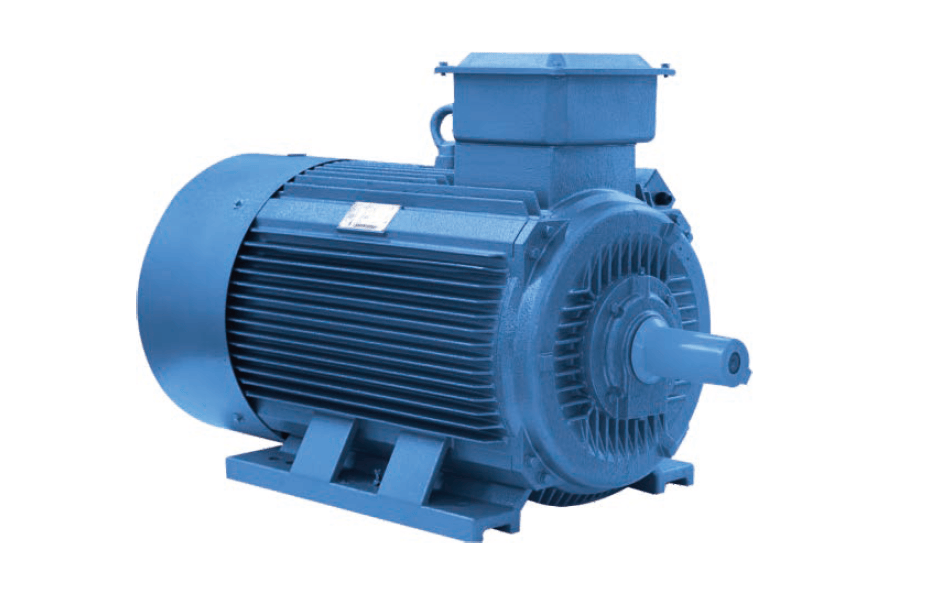

TYC Series High-Efficiency Permanent Magnet Synchronous Motor
Xiangdian Smart Energy Technology Co., Ltd.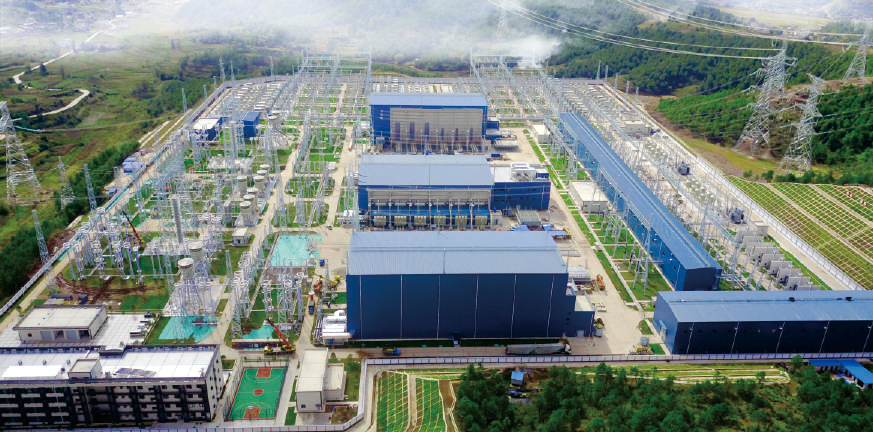
High-voltage Direct Current (HVDC) Transmission System Research and Integrated Design
XI'AN XD POWER SYSTEMS CO., LTD.


Off-Grid Fuel Cell Supercharging Station (180kW Configuration)
Shanghai REFIRE Group Limited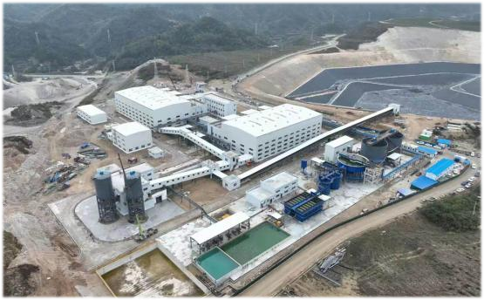
Yingping Mining Section Open-pit Tailings Backfill Treatment of Goaf Ecological Restoration EPC Project
China Bluestar Lehigh Engineering Corporation

Industrial and Commercial Point-Type Gas Detector
Jinan Benan Technology Development Co., Ltd.
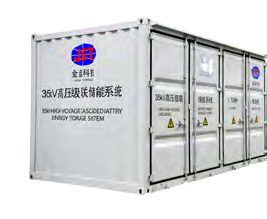
6kV-35kV Medium and High Voltage Direct-Connected Energy Storage System
Hainan Jinpan Smart Technology Co., Ltd.