Germany Develops New Copolymer Battery: Uses Sunlight for Charging and Releases Hydrogen with 72% Efficiency
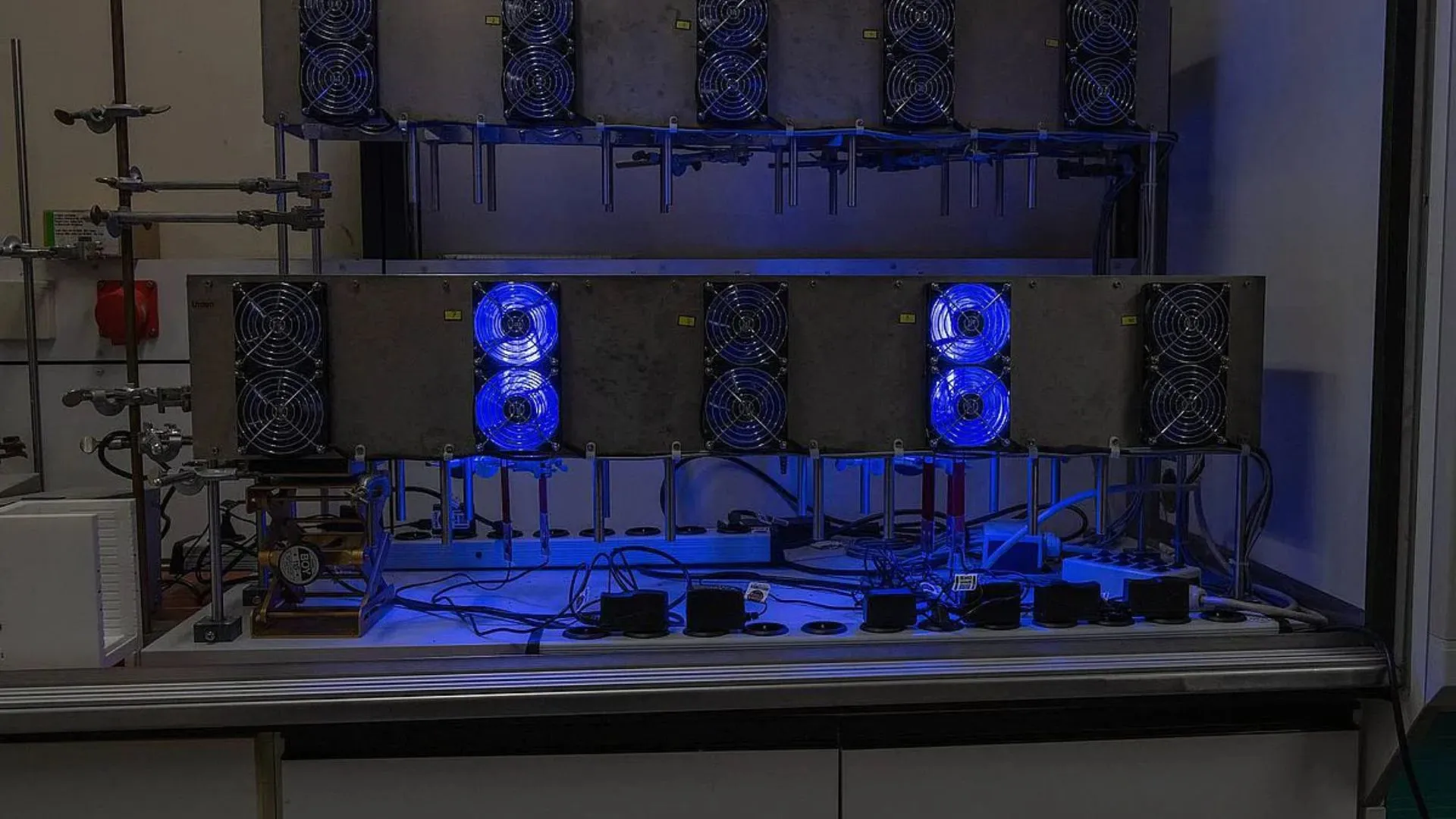
Wedoany.com Report on Feb 28th, A research team from Ulm University and Jena University in Germany has recently successfully developed an innovative copolymer battery. This battery can store solar energy for several days and release it as green hydrogen when needed. According to a related press release, the charging and discharging processes of this copolymer battery can be controlled by adjusting the pH value, enabling efficient energy conversion and storage.
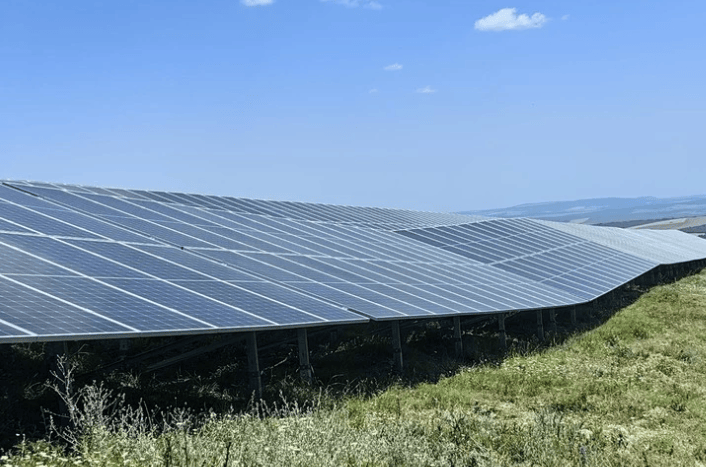
Against the backdrop of global efforts to reduce reliance on fossil fuels, renewable energy sources such as solar and wind power are being widely adopted. However, for certain sectors with high energy density demands, hydrogen, as an alternative energy source, shows great potential. It only produces water after combustion, providing a carbon-free solution for energy-intensive applications. However, traditional hydrogen production methods are often accompanied by carbon emissions, whereas green hydrogen, produced using solar or wind energy, offers greater environmental advantages.
To improve the production and storage of green hydrogen, a team led by Ulrich Schubert from Jena University and Sven Rau from Ulm University turned to copolymer molecules. Copolymers are large molecules composed of multiple organic units, featuring stable structures and the ability to integrate specific functions. In this copolymer battery, the researchers employed water-soluble copolymers, with their enhanced redox activity being the key functional unit.
When exposed to sunlight, the charging efficiency of this copolymer battery can reach 80%, and it can maintain its charged state for several days. During discharge, by adding acid and a hydrogen evolution catalyst, the stored electrons combine with protons to release hydrogen, achieving an efficiency as high as 72%. This copolymer-based system features reversible redox reactions, allowing it to be recharged after discharge and supporting multiple cycles of use.
The pH value plays a dual role in this copolymer battery: it acts as both a switch for charging/discharging and a visual indicator of the charge state. During discharge, the presence of acid causes the system's color to change from purple to yellow; during charging, the color reverts to purple, indicating the battery is ready to release hydrogen for various applications, such as powering electric vehicles or generating clean electricity.
"The project also has scientific significance because it combines different concepts in chemistry that usually have few points of contact: namely, macromolecular polymer chemistry and photocatalysis," Rau added in the press release.
"These results open up new prospects for cost-effective, scalable solar energy storage technologies—and provide important building blocks for achieving a sustainable, chemistry-based energy economy," Schubert concluded. The related research findings have been published in the journal *Nature Communications*.
Related Products
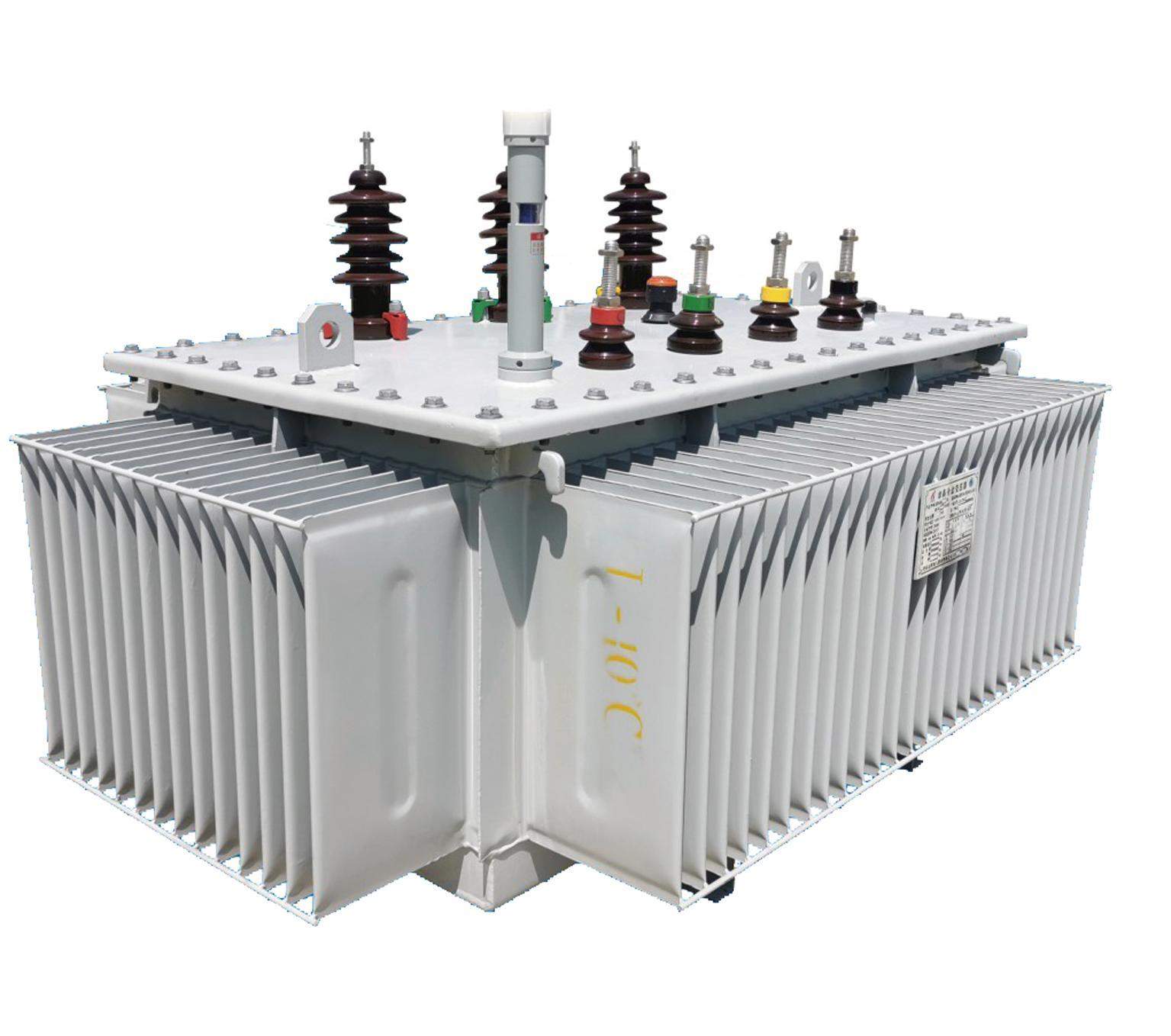

S(B)H15 Type (Energy Efficiency Level 3) Oil-Immersed Amorphous Alloy Core Distribution Transformer
Henan Longxiang Electric Co., Ltd.
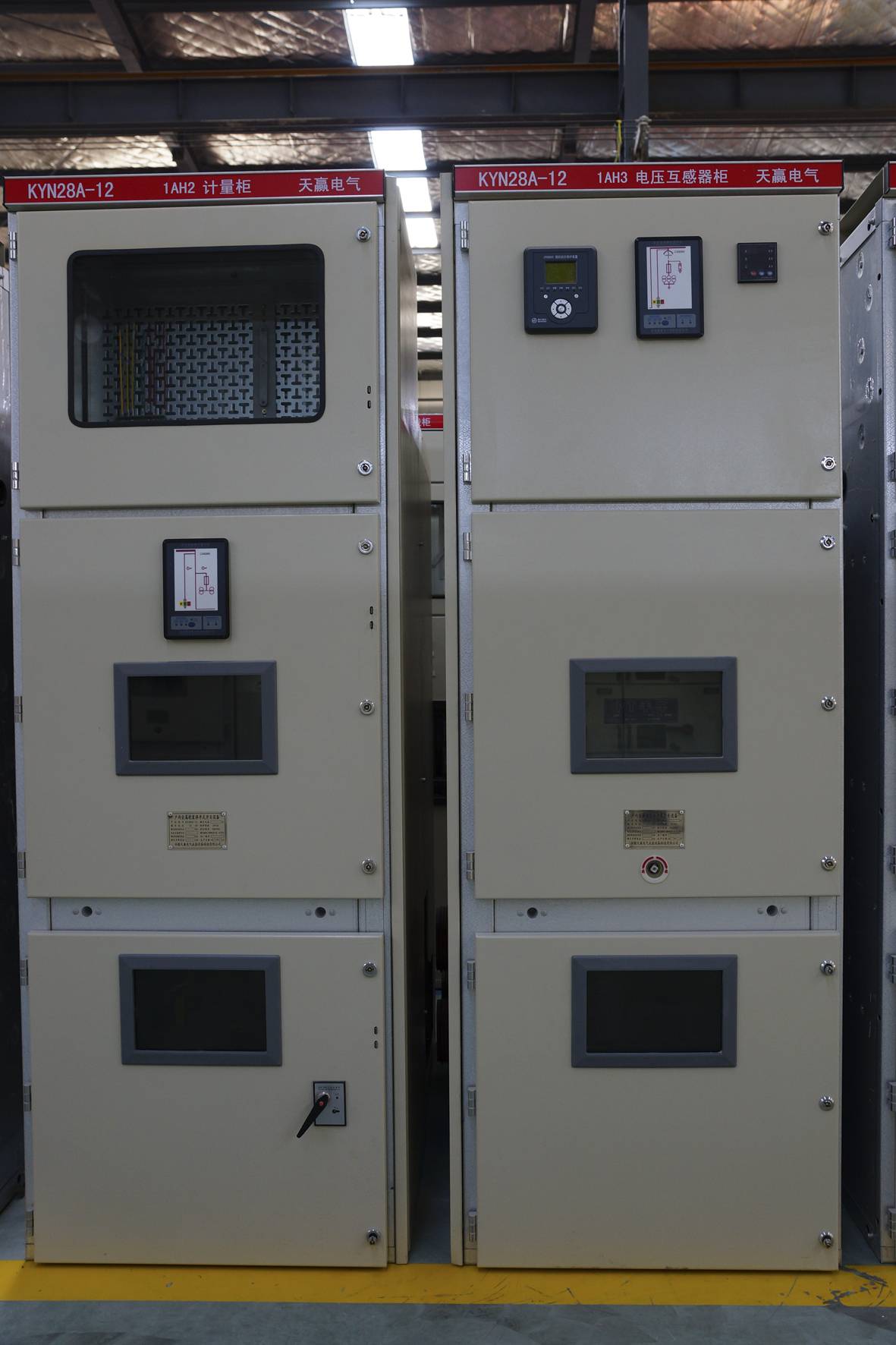
KYN28 - High Voltage Switchgear
Anhui Tianying Electrical Equipment Manufacturing Co., Ltd.
Hydrogen production and hydrogenation charging refueling gas integrated energy station
Shenzhen Kohodo Hydrogen Energy Co., Ltd.
Oil-immersed Amorphous Alloy Core Distribution Transformer
Pinggao Group Smart Electric Co., Ltd.
Double-slide Triple-sealed Hot Air Isolation Door
Xi'an Yingchuan Electric Power Equipment Co., Ltd.
Inductive Power Harvesting Self-Powered Device - Safuneng
SELF ENERGY TECHNOLOGY (SHENZHEN) CO., LTD.