Wedoany.com Report on Feb 28th, Russian scientists have developed a new type of heat-resistant austenitic steel specifically designed for lead-cooled fast-neutron reactor equipment. This material can maintain corrosion resistance and thermal stability at temperatures up to 600°C (1112°F), making it suitable for next-generation nuclear reactor systems.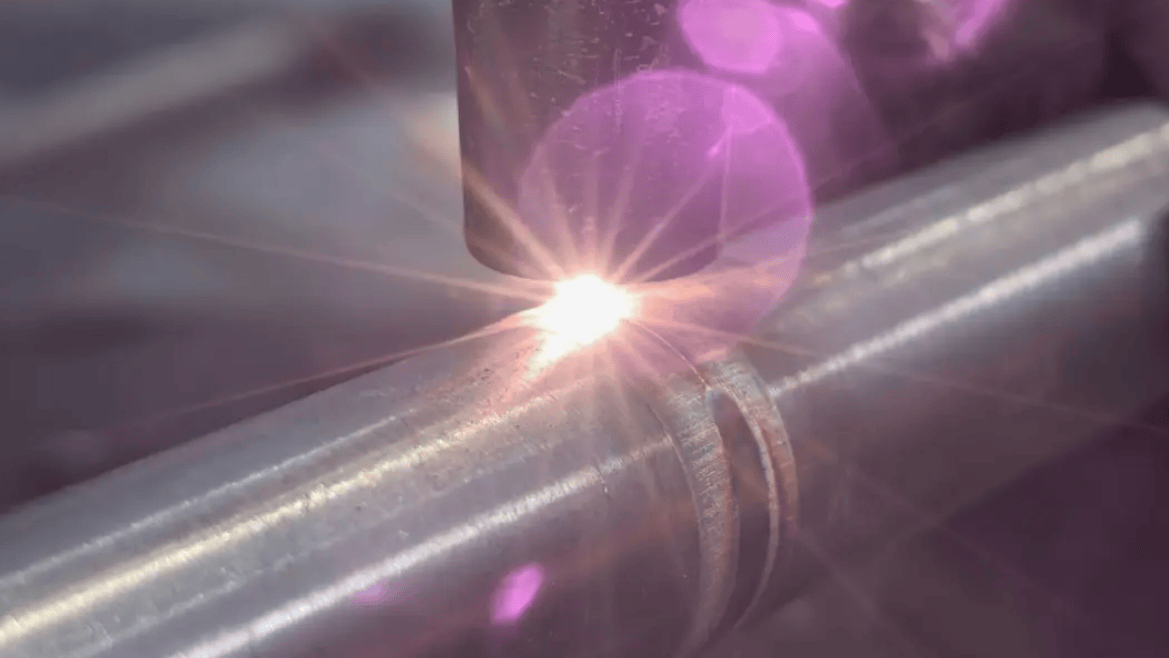
According to Sergei Logashov, Director of the CNIITMASH Institute of Materials Science, the material was designed using computer modeling and data on heavy liquid metal coolants. Logashov stated in a press release: "The resulting material combines the necessary radiation and corrosion resistance, thermal stability up to 600 degrees Celsius, and its long-term strength characteristics surpass those of the reference steels currently used for nuclear power plant structures."
In addition to the development of the austenitic steel, the researchers also tested laser welding technology for joining austenitic and martensitic-ferritic steels. Tests showed that, compared to traditional arc welding, laser welding increased production speed, the welding quality met standards, and it was compatible with existing reactor designs.
This work is part of the "Proryv" (Breakthrough) project, which aims to achieve the industrial application of a closed nuclear fuel cycle. The planned nuclear energy complex will include a power unit equipped with a BREST-OD-300 lead-cooled reactor, as well as fuel reprocessing and manufacturing modules.
Concurrently, engineers from Rosatom (Russia's State Atomic Energy Corporation) have used carbon-carbon composite materials to manufacture structural components for high-temperature gas-cooled reactors. Tests verified the composite's physical stability at 1300°C and its ability to retain mechanical properties at temperatures up to 1600°C, making it suitable for atomic power technology stations.
The press release concluded: "These advances – the combination of new high-tech materials and welding technologies – can lay a solid scientific and technical foundation for the successful implementation of fourth-generation nuclear energy projects." These achievements help address the thermal and corrosion challenges of next-generation reactors, promoting more efficient energy production.