National Highways, in collaboration with Earthwatch Europe, is establishing a tiny forest at the A30 Sourton Cross services in Devon. This initiative aims to enhance biodiversity through native woodland while improving the experience for drivers at the service area.
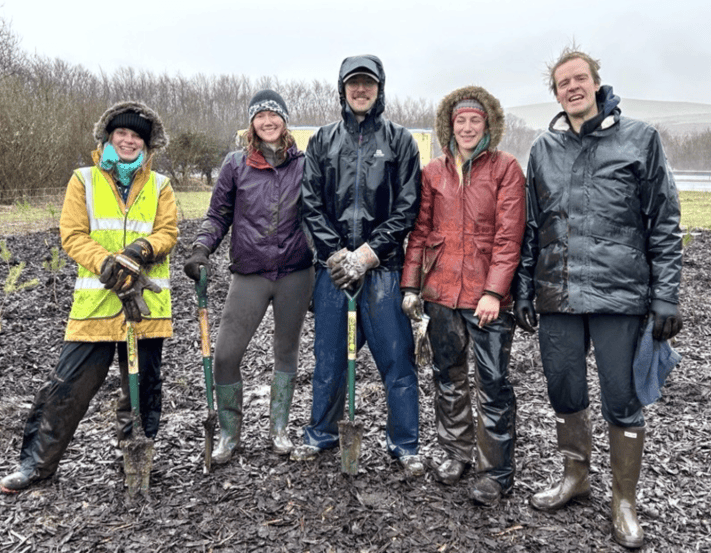
The tiny forest project, supported by innovation and research funding, marks National Highways' first partnership with an environmental charity to trial the Miyawaki method of layered, dense planting. In recent weeks, community volunteers from the Okehampton area assisted Earthwatch in planting 375 native trees and shrubs on a 200-square-meter plot following the Japanese Miyawaki method. Species included oak, hornbeam, birch, hawthorn, crab apple, field maple, hazel, as well as shrubs like gorse and guelder rose.
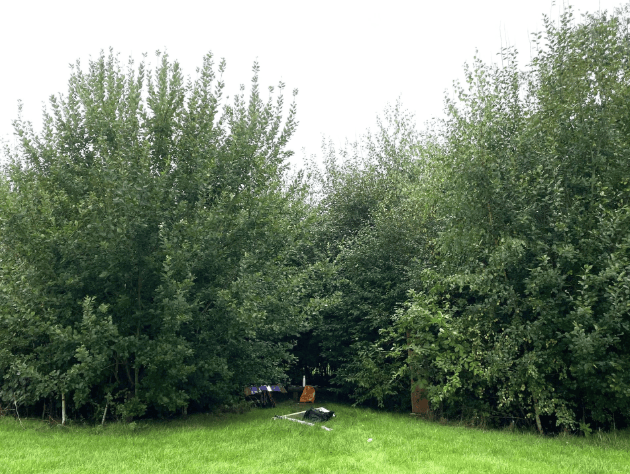
Tiny forests can store carbon, mitigate flooding and heat stress, attract wildlife, and improve air quality. The Sourton site will serve as a future green space, providing screening for the A30 road and fostering interaction between people and nature. Since 2020, Earthwatch has planted over 300 tiny forests across the UK, and the Sourton project will also undergo ongoing monitoring.
Ben Hewlett, Senior Environmental Advisor at National Highways, said: "Our work goes beyond operating roads; we add value to society by investing designated funds in the environment and communities. This first collaboration with Earthwatch to trial new techniques will help trees thrive and reduce losses. Tree planting is key to our environmental commitments, with plans to plant hundreds of thousands of trees by 2030. The Sourton project will enhance biodiversity and visitor experience."
Grace Gale, Project Manager at Earthwatch Europe, said: "The project connects community and sustainability, and we are delighted to partner with National Highways. It's crucial to give people the knowledge and skills to protect nature and inspire them to take action from a young age."
National Highways manages four designated funds with the goal of positively impacting people's lives through environmental improvements, safety enhancements, and community support. In the Southwest, funding is also being used to restore woodland in Cornwall, improve water quality at Stover Country Park in Devon, support grassland projects in Wiltshire and Dorset, and provide wildflower initiatives in the Cotswolds.