Kardinia Energy in Newcastle, Australia, Secures A$2.15 Million Funding to Advance Printed Solar Manufacturing
Kardinia Energy, a printed solar technology company based in Newcastle, Australia, has recently secured A$2.15 million (approximately US$1.51 million) in funding from the Australian Government's Industry Growth Program. This grant is intended to accelerate the scale-up manufacturing process of its flexible printed solar technology.
This grant is part of a A$69 million federal government investment in printed solar and semiconductor packaging tool manufacturing. It will support Kardinia Energy's project, "Scaling Australian Made Printed Solar to Drive Renewable Energy Growth," which aims to transition the innovative technology from the university proof-of-concept stage to pilot-scale production.
In a statement, Kardinia Energy said, "This investment highlights Australia's position at the forefront of clean energy innovation." The company emphasized, "This grant is a significant milestone on our path to commercialization and reinforces our commitment to delivering sustainable, low-cost energy solutions that benefit local industries and contribute to global decarbonization goals."
The printed solar technology developed by Kardinia Energy differs from traditional silicon-based photovoltaic modules. It utilizes carbon-based semiconductor polymers printed onto recyclable PET plastic, employing abundant materials and a lower-energy manufacturing process. The printed solar modules weigh 300 grams per square meter, use non-silicon-based materials, facilitate localized manufacturing, and bypass traditional supply chain constraints. The company's manufacturing cost target is below A$10 per square meter, with a weight of less than 0.3 kilograms.
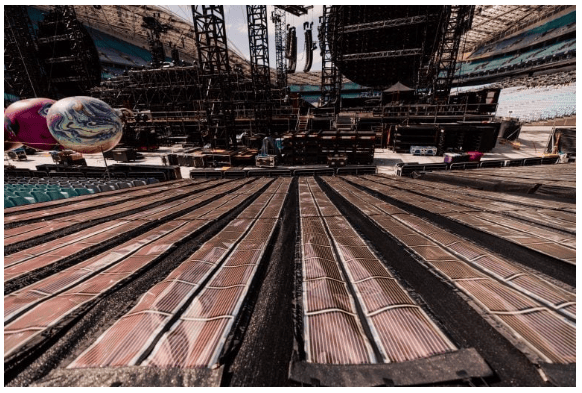
This printed solar technology has already gained international attention. For instance, the British rock band Coldplay used 500 square meters of printed solar cells to power the stage during their "Music of the Spheres World Tour." This collaboration led to the technology's application in several venues across North America. Senator Tim Ayres, the Minister for Industry and Science, described the technology as "extraordinary" and stated it could be applied to all parts of the energy system.
The Industry Growth Program is an Australian Government initiative to support innovative small and medium-sized enterprises. It assists with technology commercialization and enhances global market competitiveness through advisory services and grants. Funded projects must align with the National Reconstruction Fund's priority areas to promote manufacturing capability development. Kardinia Energy's grant will be used to establish a pilot manufacturing facility that uses roll-to-roll printing technology to produce flexible solar modules.
Kardinia Energy estimates that globally, there are over 4 billion square meters of low-load-bearing industrial roof space incapable of supporting traditional solar panels. In Australia alone, this represents a potential 2.4 gigawatts of power generation capacity that could be unlocked using printed solar technology. The technology is suitable for applications such as industrial rooftops and emergency off-grid power. Compared to traditional modules, it is fully recyclable and lighter.
Kardinia Energy was founded in 2020 by University of Newcastle Professor Paul Dastoor and CEO Anthony Letmon, with the aim of commercializing the printed solar technology developed in university laboratories. The new funding will enable the company to establish its first large-scale manufacturing facility within 18 months, further advancing the application and development of printed solar technology in the clean energy sector.
Related Products
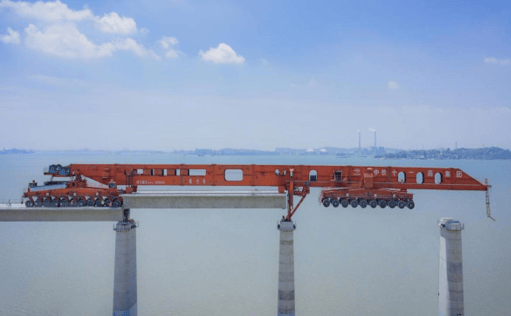

High-Speed Railway Lifting, Transporting, and Erecting Equipment: Integrated Transport and Erection Machine
Hanjiang Heavy Industry Co., Ltd. of China Railway 11th Bureau Group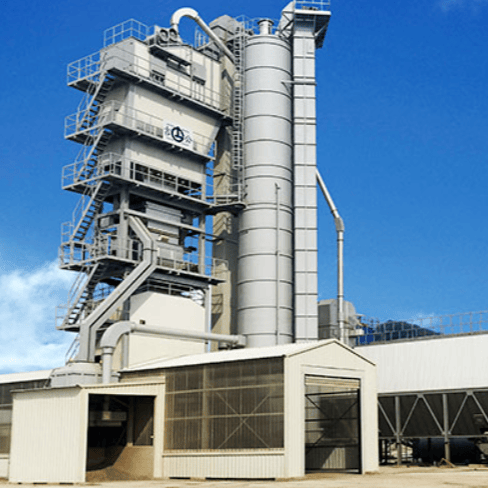
LBH4000 Batch Environmental Protection Asphalt Mixing Plant | Asphalt Batching Plant | Asphalt Mixing Plant
Jilin Province Road Construction Machinery Co., Ltd.
CAP1400 main feedwater flow nozzle flowmeter.
Jiangsu Hongda Instrument Technology Co., LTD.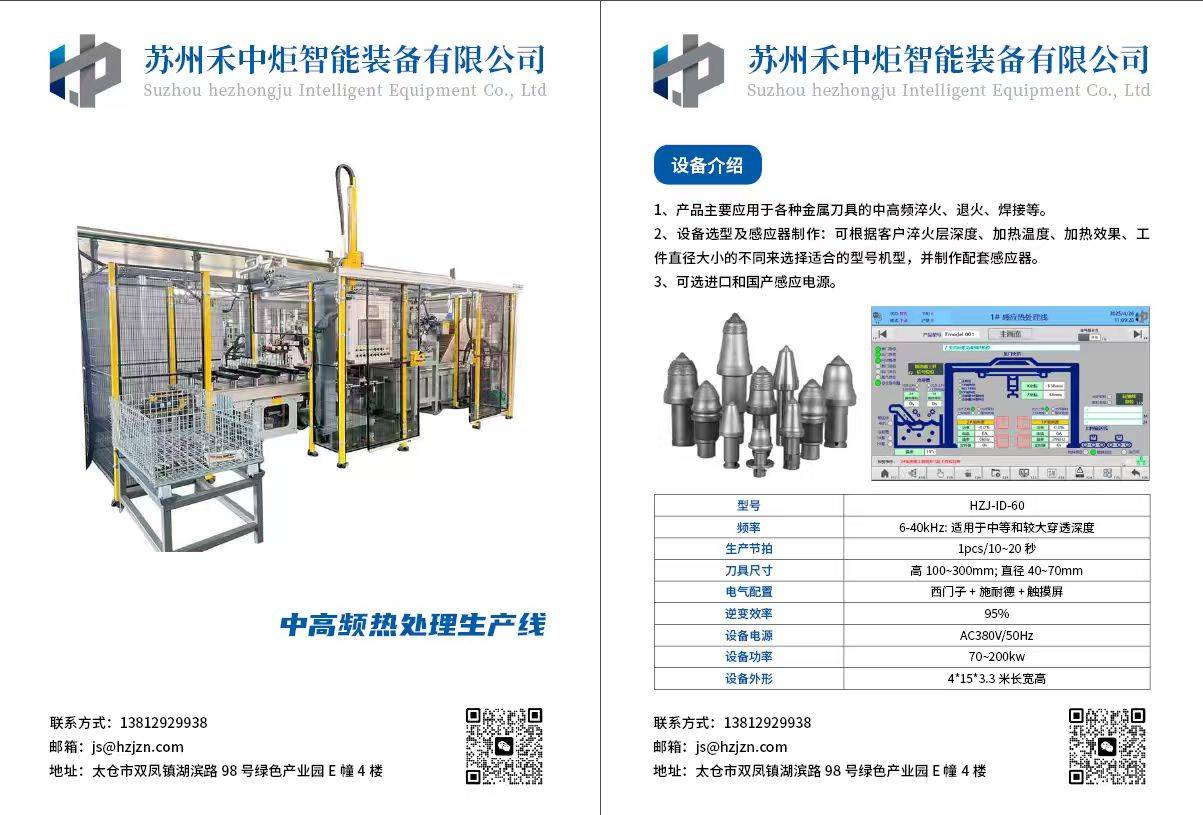
Excavator Bucket Teeth Heat Treatment Production Line
Suzhou Hezhongju Intelligent Equipment Co., Ltd.
Tactical Individual Carrying Handcart Platform
Automation Research Institute Co., Ltd. of China South Industries Group Corporation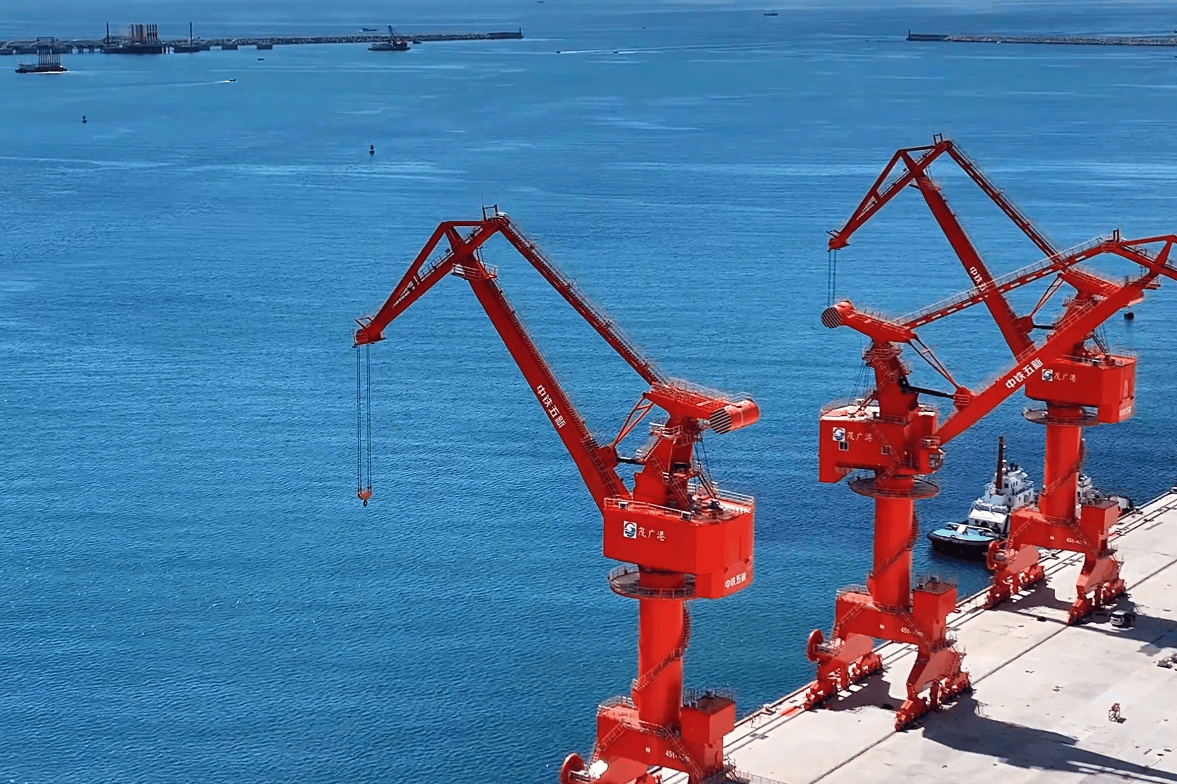
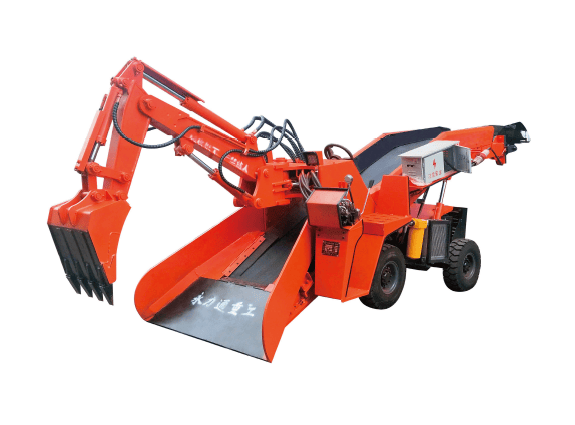

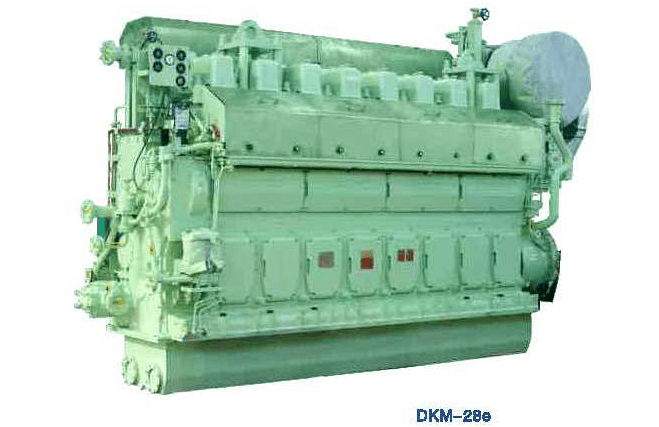
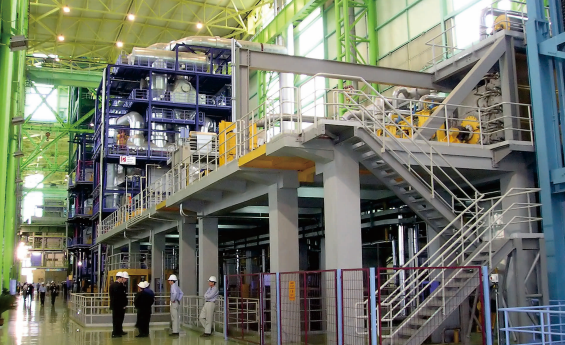
Strip Coating and Plating Production Line Equipment
MCC-SFRE HEAVY INDUSTRY EQUIPMENT CO., LTD.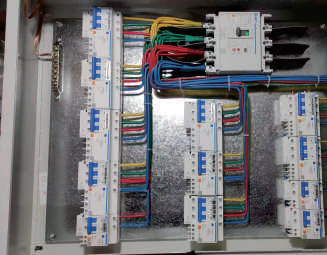
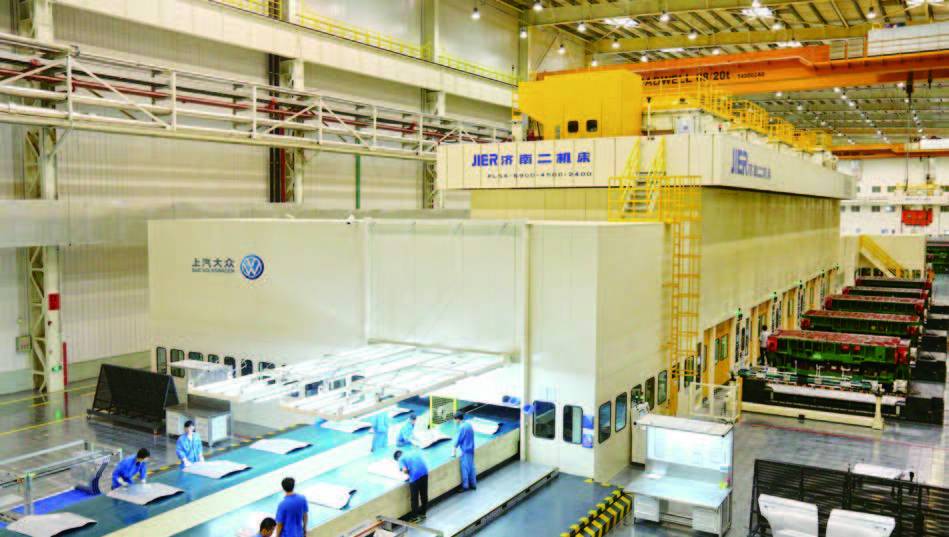
High-Speed Flexible Fully Automatic Stamping Production Line
JIER Machine-Tool Group Co., Ltd.