Mexican Studio Develops Bio-Based Cement Corncretl to Reduce Construction Carbon Emissions
Wedoany.com Report on Mar 4th, Mexican design studio MANUFACTURA has introduced a bio-based building material named Corncretl, which is claimed to reduce carbon emissions by approximately 70% compared to traditional Portland cement. This material replaces clinker-based cement with lime-based binders that cure at room temperature. The required calcination temperature during production is significantly lower, effectively reducing energy consumption and greenhouse gas emissions.
The composition of Corncretl includes limestone aggregate, dried corn residue, and recycled nejayote—a calcium-rich byproduct generated during corn processing. Utilizing agricultural waste is part of a circular material strategy aimed at reducing embodied carbon and decreasing landfill waste. The studio notes that the material retains mechanical properties suitable for additive manufacturing and possesses humidity regulation and self-healing capabilities commonly found in lime-based systems.
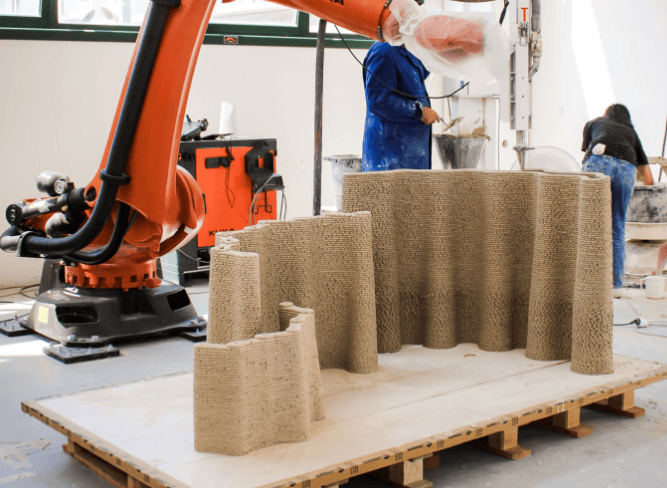
MANUFACTURA tested Corncretl using a WASP Concrete HD continuous feeding system equipped with a KUKA robotic arm to evaluate its printability and controlled deposition. For the first 3D-printed prototype, the studio collected residual materials from Berlin, Germany, through its European collaboration network, which were then transported to Italy for processing. A full-scale 3D-printed prototype was installed at the Shamballa Open Laboratory in northern Italy to examine structural feasibility and material performance in a real-world environment.
Related Products

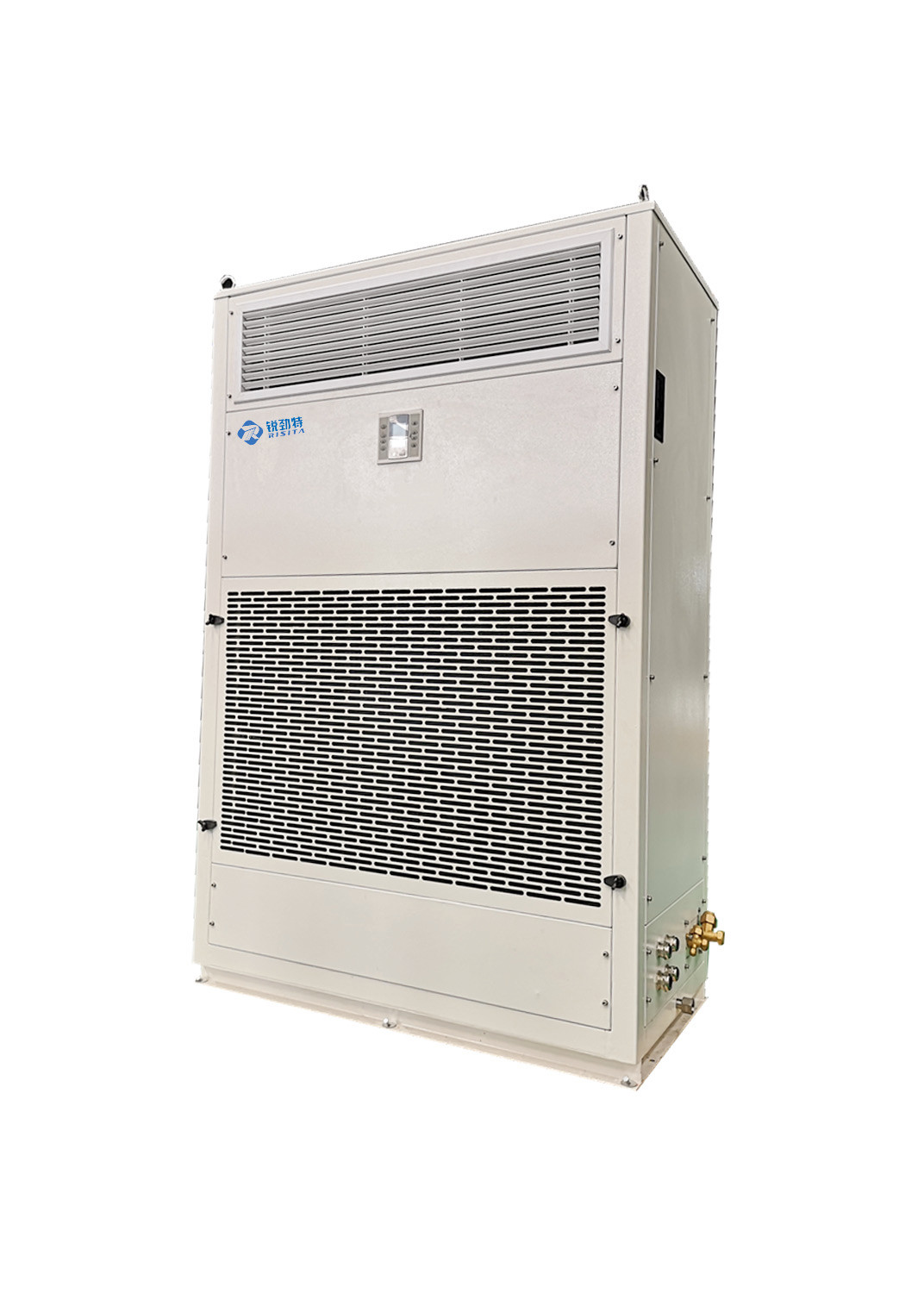
RISITA explosion-proof air conditioning
Guangdong RISITA Air Conditioning Equipment Co.,Ltd.
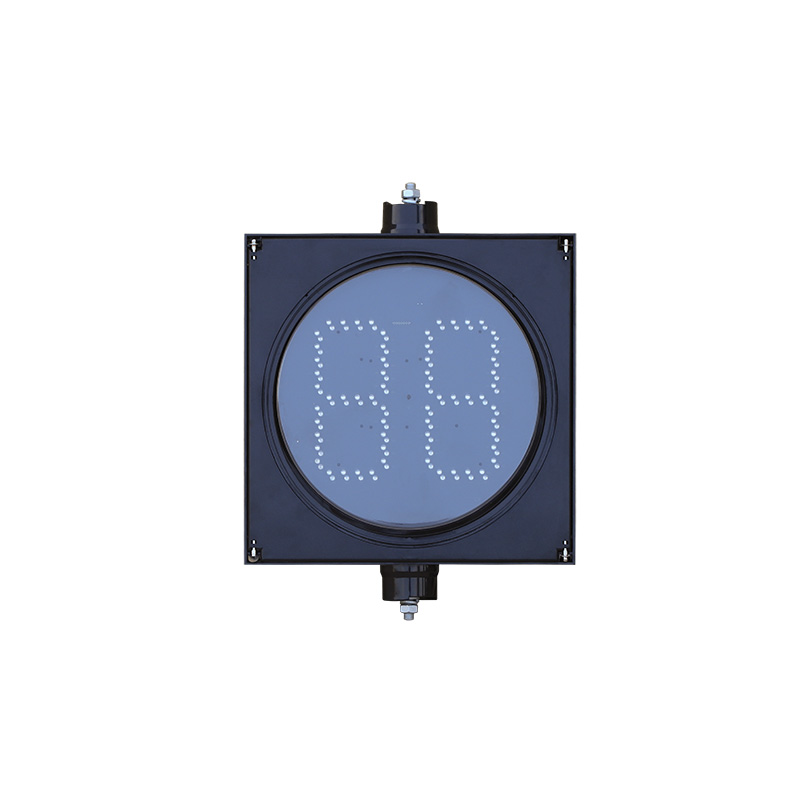
300mm Segment Type Countdown Traffic Light (Core Type)
Yangzhou FAMA Intelligent Equipment Co., Ltd.
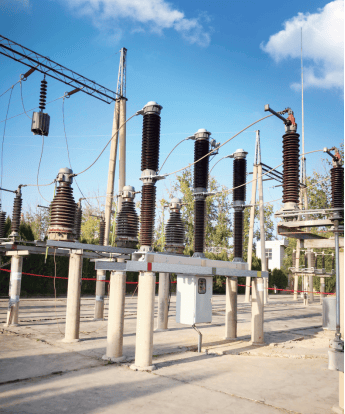
145kV Porcelain Column Type Sulfur Hexafluoride Circuit Breaker
TBEA ZONFA Shanghai High Voltage Switchgear Co., Ltd.

Ultra-pure Ferritic Stainless Steel Products
Gansu JISCO Group Hongxing Iron and Steel Co., Ltd.
Dual-curved Arm Rock Drilling Trolley RSD200D
Chengdu Ruilong Machinery Manufacturing Co., Ltd.