Fraunhofer IPA in Germany Releases White Paper on Humanoid Robot Hardware, Offering New Perspectives for European Manufacturing Transformation
Humanoid robots are rapidly developing, with their market potential expected to be enormous and potentially surpassing the automotive industry. As exemplars of "embodied artificial intelligence," these robots deeply integrate AI with mechanical components, garnering significant attention in media and exhibitions. While the United States and Asia have made notable progress in both software and hardware, Europe is also active in this field, even as its local manufacturing sector faces structural transformation. How can local industries benefit from this technology and open up new markets? A team from the Fraunhofer Institute for Manufacturing Engineering and Automation (IPA) and the corporate consulting firm P3 explored this issue. In their latest white paper, they analyze the role of humanoid robot hardware and emphasize that European manufacturing should pay high attention to it.
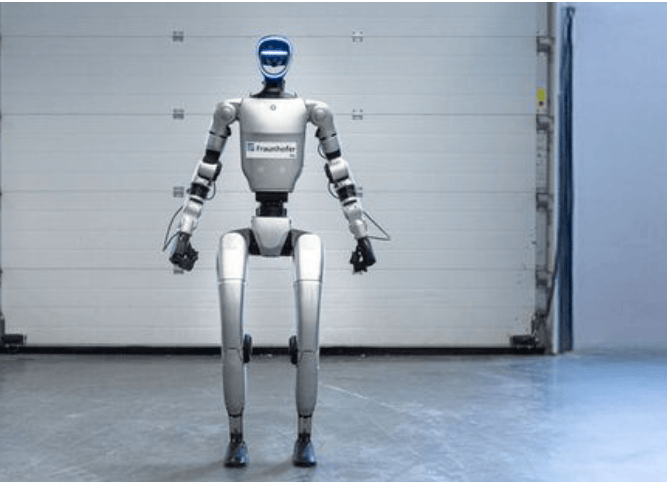
Despite continuous advancements in AI technology, the hardware components of humanoid robots remain key to determining their economic viability, reliability, and scalability. Currently, there is a lack of standardized hardware architectures, and critical components such as actuators, transmissions, batteries, and sensors only partially meet industrial requirements for robustness, service life, and cost. These market gaps, combined with growth forecasts, present significant opportunities for companies with expertise in automation, mechatronics, and industrial manufacturing. Early entry into the value chain is crucial.
To assess market potential, the authoring team analyzed the value chain of humanoid robot hardware in sensing, actuation, structure, and energy, and established a bottom-up cost model. This model was applied to three scenarios, allowing for comparisons between low-cost, mid-range, and high-end configurations, illustrating how hardware decisions impact system costs. The analysis shows that hardware components dominate total expenditure, posing a challenge for cost-effective scaling, especially for systems designed for continuous industrial operation, where flexible hands remain a major bottleneck.
Vincent Bezold, Head of Business Unit at Fraunhofer IPA and co-author of the white paper, pointed out: "To tap into this growth market, companies must focus on developing and industrializing hardware components related to cost and performance. They should also seek early and close collaboration with humanoid robot manufacturers." This white paper is part of Fraunhofer IPA's technical and strategic work in the field of humanoid robots, covering areas from acquiring global market knowledge and demand analysis to the development of technical components.
Related Products


CAP1400 main feedwater flow nozzle flowmeter.
Jiangsu Hongda Instrument Technology Co., LTD.
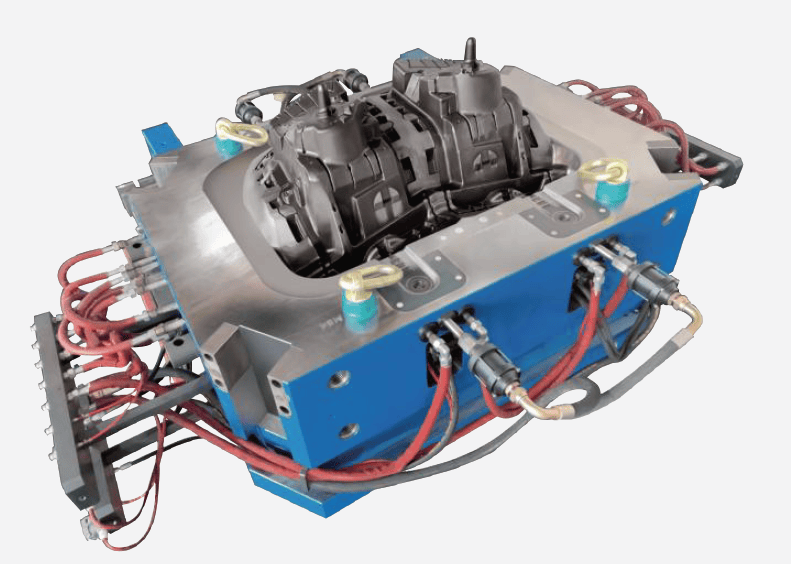
Aluminum-Magnesium Alloy High-Pressure Die-Casting Molds
NINGBO HELI TECHNOLOGY CO., LTD.
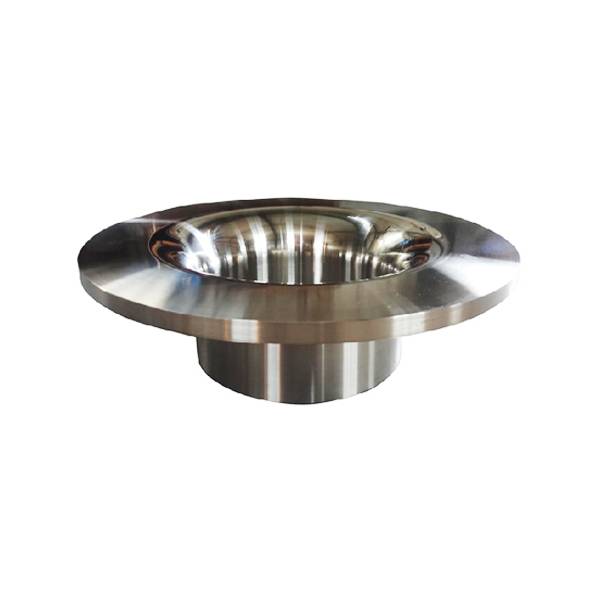
Standard Nozzle Flowmeter
Jinggong Automatic Control Instrument Complete Technology Development Company
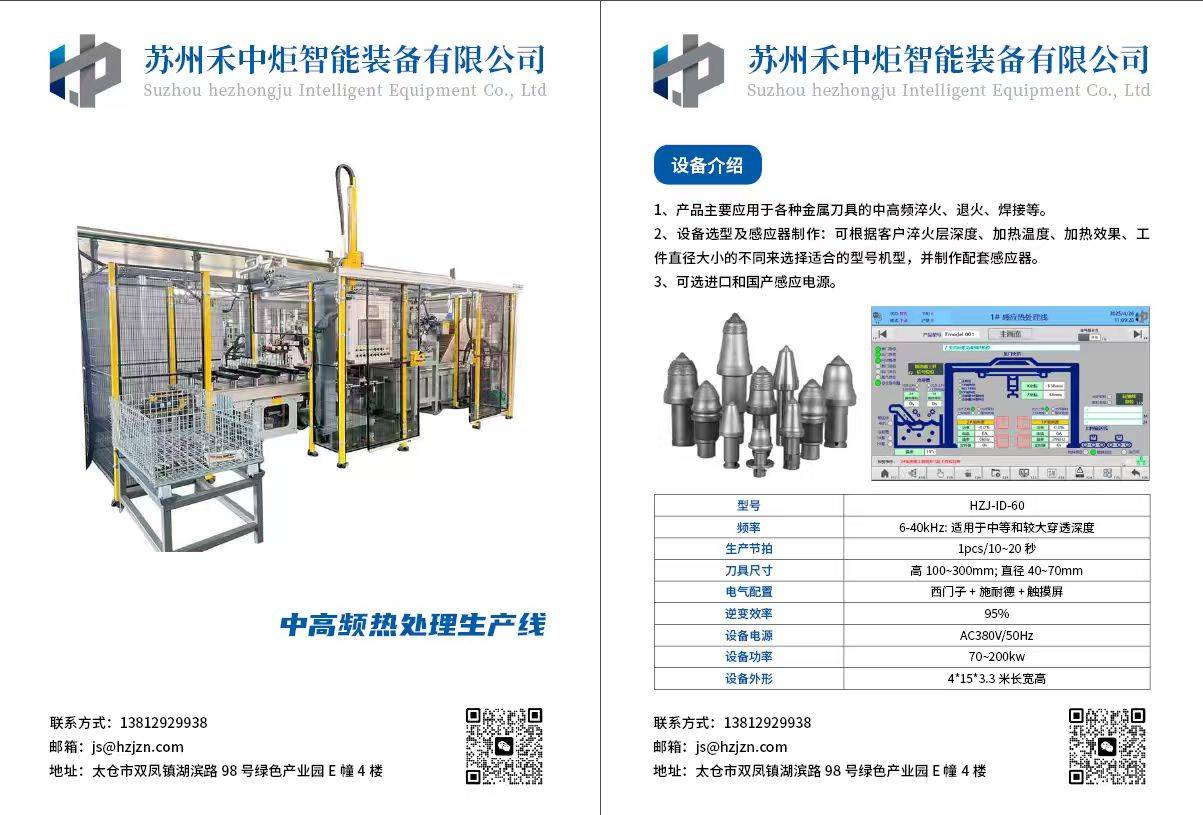
Excavator Bucket Teeth Heat Treatment Production Line
Suzhou Hezhongju Intelligent Equipment Co., Ltd.
Pneumatic high-pressure wear-resistant ball valve
Zhejiang Deca Control Valve Meter Co., Ltd.