India Advances Energy Transition, Building a Clean Energy System through Multiple Measures
Wedoany.com Report on Mar 7th, India is systematically advancing its energy structure transition, aiming to build a more reliable, affordable, and clean energy system. The country's power supply continues to improve, with the average daily supply duration in rural and urban areas increasing from 12.5 hours and 22.1 hours in 2014 to 22.6 hours and 23.4 hours, respectively. 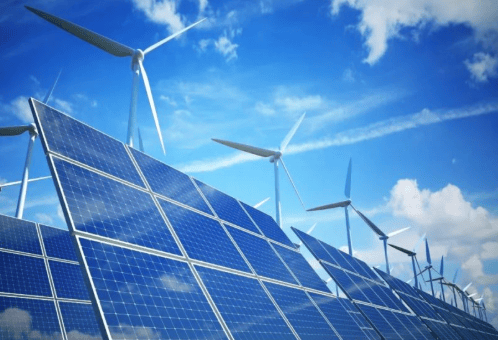
The core of India's energy transition lies in parallel development across multiple sectors. In renewable energy, solar power capacity has significantly increased from 3 GW in 2014 to 140 GW, with wind energy contributing approximately 54.65 GW. The government supports clean energy expansion through various programs, such as the PM Surya Ghar scheme, which has installed rooftop solar for 2.39 million households.
Green hydrogen is another key pillar of India's clean energy transition. Under the National Green Hydrogen Mission, India plans to achieve an annual production target of 5 million metric tons of green hydrogen by 2030 and has launched pilot projects at ports and transportation testing initiatives.
The nuclear energy sector has also been strengthened through legislative modernization. The "Sustainable Utilization and Advancement of Nuclear Energy in India Act" provides an updated legal framework for nuclear development, with the current capacity of 8.78 GW planned to increase to 22.38 GW by 2031-32.
Furthermore, India is reducing energy consumption and emissions through carbon credit trading schemes and energy efficiency projects like UJALA. Distribution system reforms involve investing trillions of rupees in infrastructure upgrades and smart meter installations to improve power delivery efficiency.
Digital innovations such as the India Energy Stack platform aim to facilitate energy data sharing and consumer engagement. At the international level, India actively participates in global clean energy dialogue and cooperation through initiatives like launching the Global Biofuel Alliance and leading the International Solar Alliance.
Overall, India's energy transition is a comprehensive process encompassing renewable energy, hydrogen, nuclear power, energy efficiency improvements, and digitalization, aimed at supporting economic growth and achieving its long-term goal of net-zero emissions by 2070.
Related Products
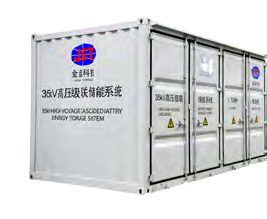

6kV-35kV Medium and High Voltage Direct-Connected Energy Storage System
Hainan Jinpan Smart Technology Co., Ltd.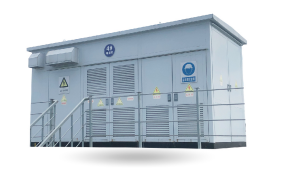
Smart Photovoltaic Prefabricated Substation
Shanghai Jinyou Jinhong Intelligent Electric Co., Ltd.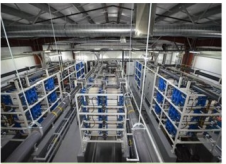
Perfluorinated Ionic Membrane-CM-10N Series Membrane
Guizhou Juneng Century Technology Co., Ltd
G.652.D Wavelength-extended Non-dispersion Shifted Single-mode Optical Fiber
HONGAN GROUP CO., LTD.
Ultrasonic Wind Speed and Direction Instrument
Kingmach Measurement & Monitoring Technology Co., Ltd.
Electromagnetic Fluid Seawater Floating Oil Separation and Recover Equipment
Huate Magnet Group Co., Ltd.

TAI Slew-drive Single-axis Independent 1P Tracking Bracket System
ANTAI TECHNOLOGY CO., LTD.