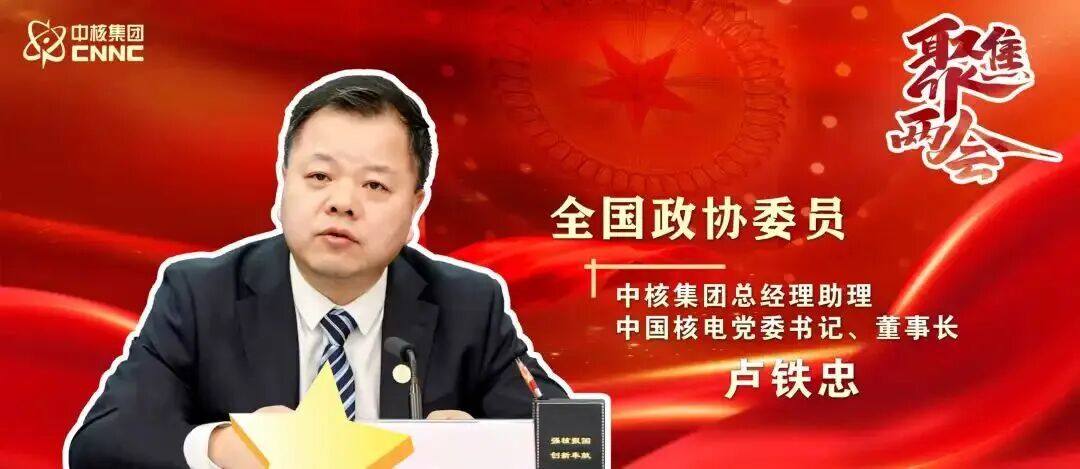
China's Two Sessions Spotlight | CNNC's Lu Tiezhong: The Endpoint of AI is Nuclear Power, and the Boundaries of Nuclear Energy are Still Expanding
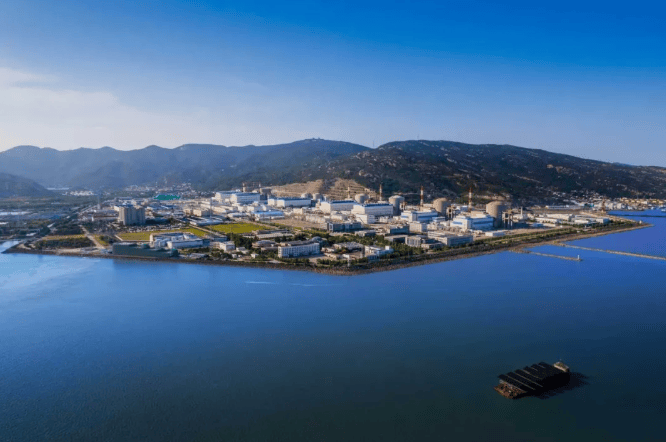
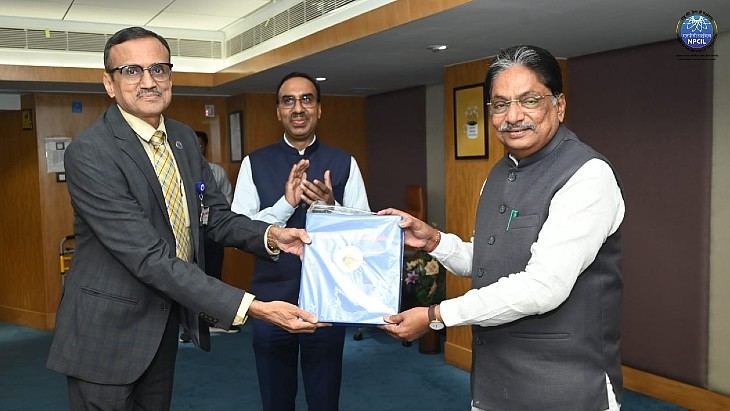
Wedoany.com Report on Mar 9th, At this year's Two Sessions, Lu Tiezhong, a member of the National Committee of the Chinese People's Political Consultative Conference (CPPCC), Assistant General Manager of China National Nuclear Corporation (CNNC), and Party Secretary and Chairman of China National Nuclear Power Co., Ltd., focused on two key issues. One proposal calls for establishing a self-regulatory technical service platform for China's nuclear energy industry, while the other focuses on the construction of integrated multi-energy complementary bases involving wind, solar, hydro, and nuclear power. Member Lu Tiezhong stated that the diversified utilization of nuclear energy has just begun, which precisely means there is significant potential for the future.
AI Needs Nuclear, and Nuclear Needs AI
Last year, Member Lu Tiezhong said: "The endpoint of AI is computing power, the endpoint of computing power is electricity, and the endpoint of electricity is nuclear power."
This year, he delved even deeper.
On one hand, nuclear energy provides reliable energy security for AI. International tech giants like Microsoft and Google are entering the nuclear power field precisely to find stable, green, low-carbon energy support for their computing centers. "Nuclear power has unique advantages of long-term stable operation and zero carbon emissions, providing a solid baseload energy source for high-load, uninterrupted power facilities like AI computing centers."
On the other hand, AI is also empowering the intelligent operation of nuclear power. He introduced that China National Nuclear Power has already established two large models that play a role in data analysis and decision support. "The large models provide our technical staff with analyzed data, and we then make further judgments—it reduces the time we spend going down wrong paths and improves efficiency."
However, he particularly emphasized that at this stage, AI is still an assistant, not a decision-maker. "Would we believe whatever it says? Absolutely not. As data governance continues to improve and algorithms keep iterating, artificial intelligence will play an increasingly significant role in nuclear power production management and safety management."
Regarding robot applications, China National Nuclear Power has established eight specialized teams to systematically advance this work. "High-risk operations, simple repetitive tasks, and specialized operations, such as underwater work and maintenance in high-radiation areas, can all be replaced by robots," he explained. "For example, if a robot breaks down during underwater work, it's just a machine, which is much better than sending a person down who might get hurt. It's a small cost to create significant value and provide greater protection for personnel life and health."
He predicts that in another year or two, many robots will be seen moving around nuclear power plants.
Nuclear Power that Grows Pearls, Why Isn't It Considered Green?
When discussing the green attributes of nuclear power, Member Lu Tiezhong didn't start with data but shared a story that happened at a nuclear power plant. "The warm water discharge was originally meant to be released, but now it can be used to cultivate Pinctada maxima—when waste is utilized well, it becomes a resource. That's true green."
However, paradoxically, nuclear power has not yet been fully integrated into the green energy system.
Discussing how this issue is viewed internationally, Member Lu Tiezhong cited the example of the United States. "In the U.S., some states with nuclear power include it in their green systems; states without nuclear power might have other considerations. This isn't just a technical issue; there's a lot of gaming and interest factors behind it."
But he simultaneously emphasized that China need not copy others' standards. "From a technical perspective, the carbon footprint factor (full lifecycle carbon emissions) of nuclear power generation is the lowest among all power generation types. Relevant authoritative institutions have calculated that the carbon emission factor of nuclear power is even lower than that of photovoltaic and wind power, only a few hundredths of that of thermal power," he said. "The scientific facts are here; we should make our own judgments based on science. As a major nuclear power country, China has the confidence to make choices that suit its national conditions."
He believes that as the green and low-carbon energy transition becomes a global consensus, this issue will be resolved sooner or later. "Regardless, the green and low-carbon energy transition is the mainstream. Which energy sources are good, which contribute more in terms of carbon emissions—it's clear from a technical standpoint."
"Wind, Solar, Hydro, Nuclear" Multi-Energy Synergy: Nuclear Power is an Ideal Partner for Desert-Gobi-Wasteland Areas
The "15th Five-Year Plan" proposal adopted at the Fourth Plenary Session of the 20th Central Committee explicitly calls for "adhering to the multi-energy synergy of wind, solar, hydro, and nuclear power." One of the issues Member Lu Tiezhong focused on this year is precisely aligned with this direction of "multi-energy synergy of wind, solar, hydro, and nuclear power."
"The intermittency of wind and solar power generation is inherent, requiring stable baseload power sources to support transmission. Currently, this role is mainly undertaken by thermal power. But if nuclear power can be deployed in desert-Gobi-wasteland areas, clean, low-carbon nuclear power can replace coal power, truly achieving a green transition."
He said that with its stable output characteristics, nuclear power can serve as the "ballast stone" for safe power system operation and can also smooth out the output fluctuations of new energy sources through energy storage configuration, making it an ideal partner for desert-Gobi-wasteland bases.
His suggestion is: Based on the resource endowments and load characteristics of different regions, formulate tailored "wind-solar-hydro-nuclear" allocation plans. Sending-end regions should focus on building large-scale, integrated bases, while receiving-end regions should strengthen source-grid-load-storage coordination and interaction. In particular, it is essential to leverage the stable baseload role of nuclear power to provide reliable support for wind and solar new energy and improve the utilization rate of renewable energy.
Hualong One 2.0 Poised for Launch, "Three-Step" Strategy Steadily Advances
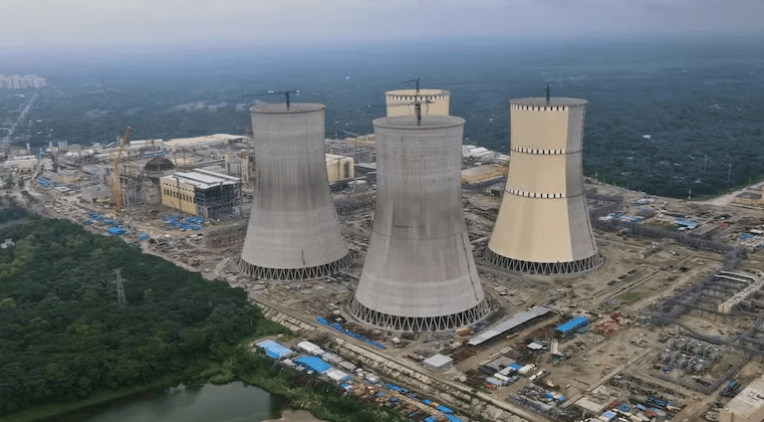
As a national calling card, the upgraded version of "Hualong One" is highly anticipated.
Member Lu Tiezhong introduced that the Hualong One 2.0 version was developed after several years of continuous optimization based on the excellent construction and operation of the first batch of projects. It has achieved innovative improvements mainly in three areas:
Further deepening of the safety system. Version 1.0 used a combination of "active + passive" systems, while version 2.0 is "passive + active," allowing passive systems to play a greater role and further enhancing the unit's safety assurance level.
Improved modular construction level, which is conducive to optimizing construction schedules.
Leap in intelligent level, further applying artificial intelligence, digital nuclear power, and other technologies to enhance the plant's smart operation level. "It can be expected that subsequent pressurized water reactor nuclear power projects approved by the State Council will, in principle, adopt this technical solution," he said.
From the iteration of Hualong One, the topic naturally extended to the longer-term layout of nuclear energy development—the "three-step" strategy of thermal reactors, fast reactors, and fusion reactors.
"Thermal reactors are the main force at present, based on third-generation pressurized water reactors. Hualong One and Linglong One fall into this category. For the next 10 to 20 years, thermal reactors will remain the main force," he said.
Fast reactors aim to solve the resource bottleneck. Fast reactors can increase uranium resource utilization efficiency by at least 60 times, expanding nuclear energy from a "century-scale energy" to a "millennium-scale energy." He revealed that integrated fast reactors are being promoted for inclusion in national major special projects. Their biggest feature is the on-site placement of a fuel regeneration system, where spent fuel is processed and "recycled," making it more convenient and efficient.
Fusion, which he calls "the ultimate energy for humanity." "Once commercialized, humanity will have nearly unlimited clean energy." China National Nuclear Power has already taken a stake in China Fusion Energy Co., Ltd., established by the group company, to lay the groundwork for future operation, maintenance, and technical management of fusion power plants.
"For humanity to leave the solar system, it must rely on nuclear energy," he added regarding his previous statement. "To achieve this goal, controllable nuclear fusion is the best choice."
Establishing an Industry Self-Regulatory Platform to Lay the Foundation for "Going Global"
How can nuclear power better "go global"? One of Member Lu Tiezhong's appeals this year is precisely about establishing a self-regulatory technical service platform for China's nuclear energy industry. In his view, this matter and internationalization are part of the same game plan.
"China's nuclear power has entered a new stage of batch and large-scale development, with the scale of operating and under-construction units continuously expanding," he said. Building a high-quality industry self-regulatory technical service platform can, on one hand, strengthen the safety defense line through industry self-discipline and mutual supervision; on the other hand, after years of development, China has accumulated deep advantages in nuclear power operation management, engineering construction, and technology R&D, with some areas reaching world-advanced levels. These experiences need to be summarized, solidified, and formed into exportable capabilities.
"To achieve the leap from 'following' and 'running alongside' to 'leading,' it is necessary to establish an independent discourse system in operation management, performance evaluation, technical standards, etc.," he said. Creating this platform will help systematically summarize and refine China's experience, establish nuclear power operation management standards and norms that align with China's national conditions and lead international levels, and transform technological advantages into standard advantages—and these standards are precisely the confidence for future "going global."
He specifically mentioned the "Eight-Sided Nuclear Safeguard" brand launched in recent years, covering eight aspects from production preparation, technical support, and specialized maintenance to professional training, commissioning support, overhaul management, and IT solutions. It is a comprehensive embodiment of China National Nuclear Power's experience from over 320 reactor-years of operation. "This is a foundation for our capability export."
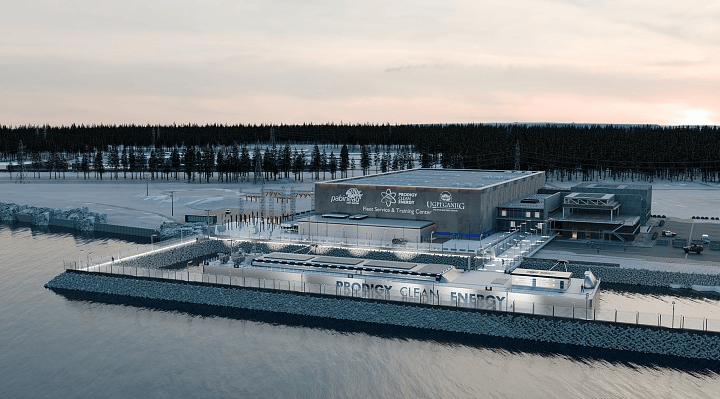
Another project of great international interest is "Linglong One." He revealed that over 90 countries and more than 1,000 visitors have visited the Linglong One construction site in Changjiang, Hainan.
"Why are small reactors attracting attention? First, they suit different national conditions; for countries with less robust grid capacity, small reactors are more flexible. Second, the total investment is not as high; large reactors cost tens of billions, while small reactors might be done with a few billion. Third, they have a small footprint and compact layout," he said. "Small reactors have many application scenarios—some isolated islands, remote mines where pulling a power grid is difficult; deploying a small reactor might solve the energy problem."
He stated that Linglong One is expected to begin commercial operation in the second half of this year, which will greatly promote the acceleration of small reactors "going global." "We have already completed the Chinese and English versions of the user manual and have participated in the compilation of relevant standards led by the International Atomic Energy Agency."
Regarding international operations, he admitted there are still shortcomings, but the foundation has been laid. "Internationalization is a path we must take," he said. "To do international operations well, the first thing is to strengthen our internal capabilities. Relying on the experience of over 320 reactor-years of operation, we have the ability to provide technical support to relevant nuclear power enterprises internationally."
Related Products


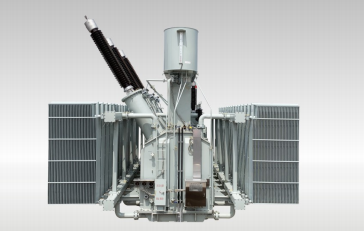
220kV and Below Voltage Level Energy-saving Oil-immersed Power Transformers
FuZhou TianYu Electric Co., Ltd.
Hydraulic Turbine Genset
Dongfang Electric Corporation Dongfang Electric Machinery Co., Ltd.
Environmentally Friendly Flame-retardant PVC Double-layer Insulated Wire
Sichuan Chndo Cable Co., Ltd.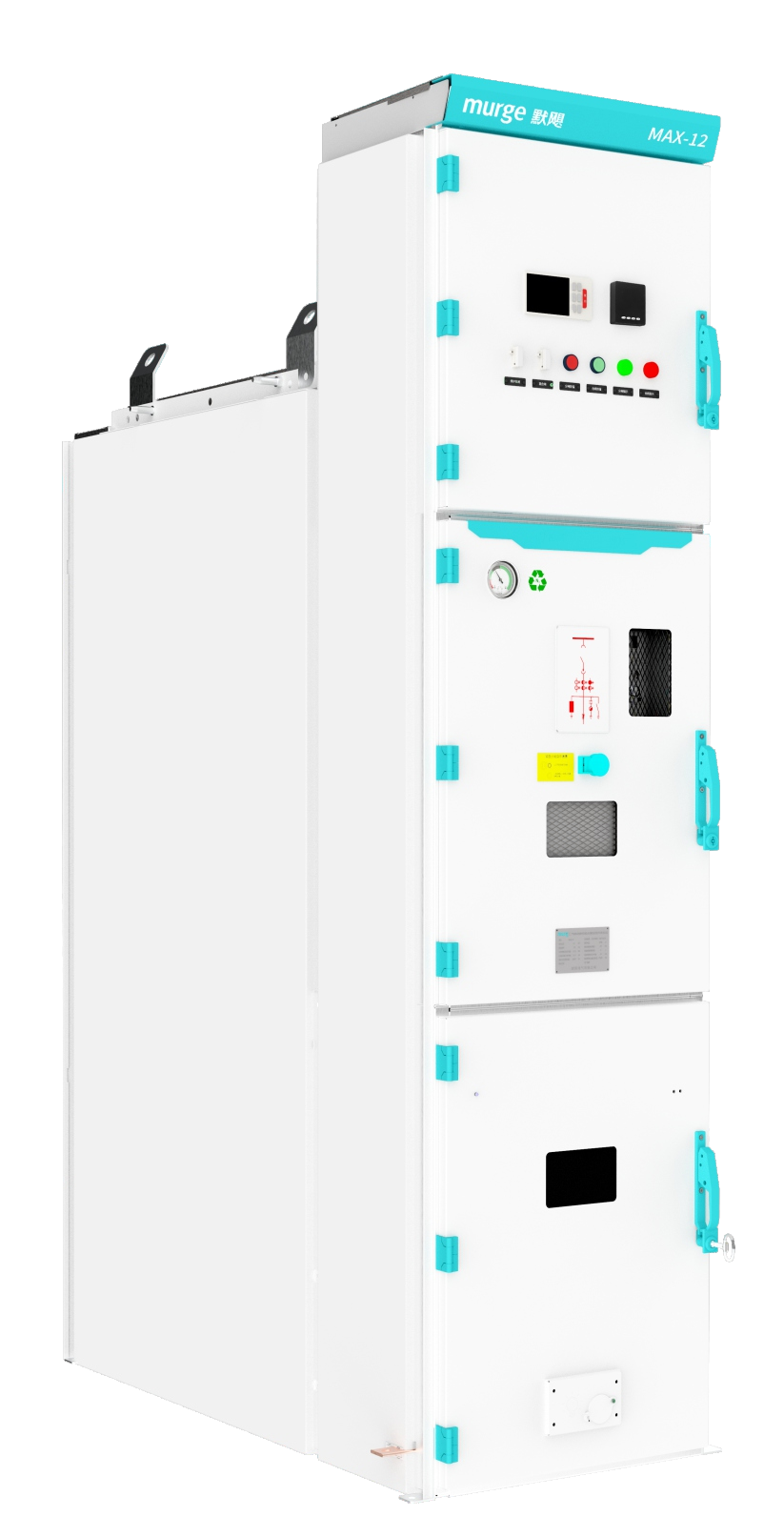
MAX-12 series Environmental Protection/SF6 gas insulated switchgear (C-GIS)
Murge Electric Co.,Ltd.
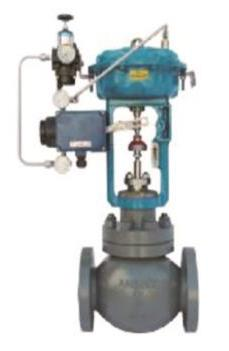
Quick-Change Single-Seat Control Valve / Quick-Change High-Pressure Single-Seat Control Valve
Beijing Consen Automation Technology Co., Ltd.