Ghana's Mining Regulator Announces New Gold Royalty Rules to Take Effect Tuesday
Wedoany.com Report on Mar 10th, Ghana's mining regulator head recently told Reuters that the country will officially implement a new sliding-scale gold royalty system on Tuesday, an adjustment aimed at linking state revenue to the dynamics of current rising gold prices. Despite facing opposition from Chinese, American, and other Western governments as well as mining executives, Ghana insists on advancing this policy as part of broader efforts by African nations to extract more value from soaring commodity prices.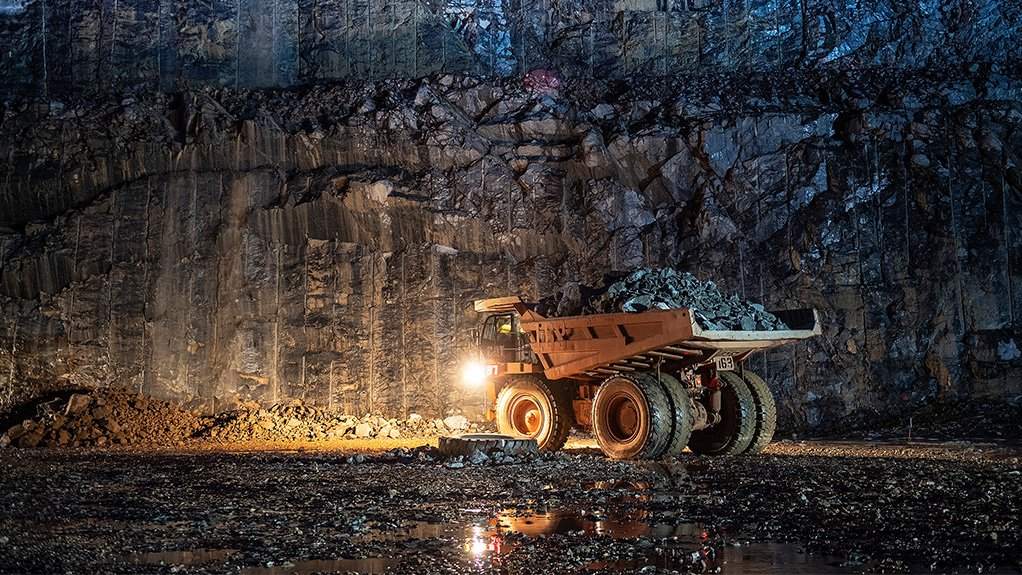
The new gold royalty system will replace the previous fixed 5% tax rate, becoming a key reform for Africa's top gold producer. According to a framework reviewed by Reuters, under the sliding-scale system, gold miners will pay a 12% fee when the gold price reaches $4,500 per ounce. Currently, gold is trading above $5,000 per ounce, meaning the new rules could immediately lead to higher royalty revenues. Lithium royalties will also shift to a sliding scale of 5% to 12%, tied to prices ranging from $1,500 to $3,200 per metric ton, while all other minerals will maintain a fixed 5% tax rate.
Isaac Tandoh, CEO of the Minerals Commission, stated that diplomatic missions expressed concern over the top 12% royalty tax rate but did not oppose the broader policy shift. He noted over the weekend: "They met with us and, in principle, do not oppose the review." The missions had hoped the 12% rate would take effect after the gold price reached $5,000 per ounce, but Ghanaian authorities rejected this proposal.
The CEOs of the world's top gold mining companies and the Ghana Chamber of Mines have both expressed opposition to this gold royalty system, warning that it could deter future investment. Ghana Chamber of Mines CEO Kenneth Ashigbey told Reuters on Sunday that this could lead to "a depletion of new projects and output." However, Tandoh refuted these concerns, arguing that models show the sliding scale increases state revenue while maintaining industry profits, and emphasized that investors are more focused on regulatory stability than marginal cost changes. Ghana's regulatory move aims to balance national benefits with industry sustainability and is expected to have a certain impact on the global gold market.
Related Products
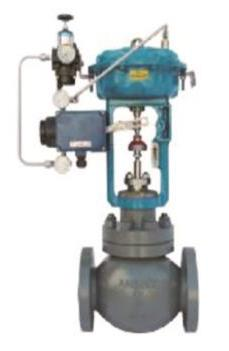

Quick-Change Single-Seat Control Valve / Quick-Change High-Pressure Single-Seat Control Valve
Beijing Consen Automation Technology Co., Ltd.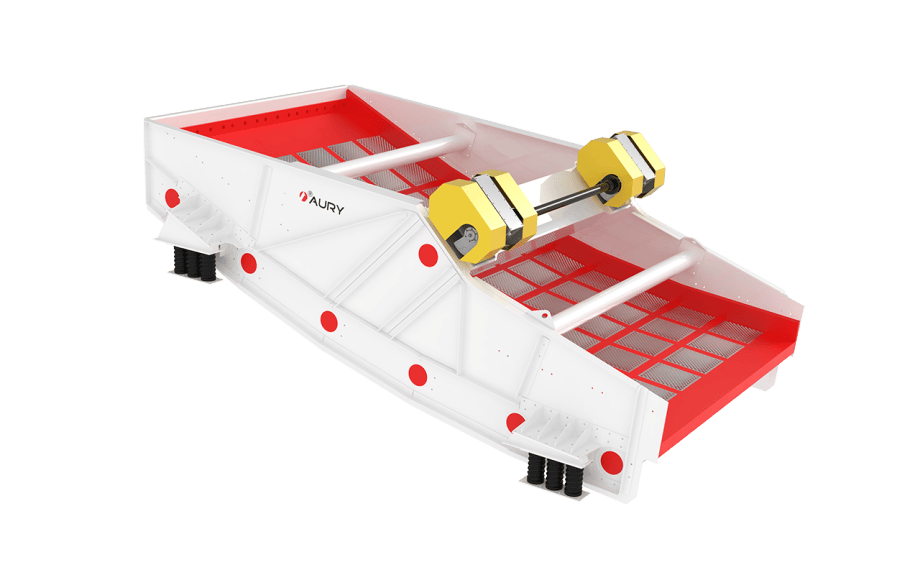
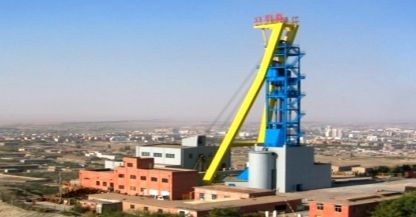
Core Technologies of the Mining Technology and Equipment Business Unit: Efficient Mining Methods and Processes
CHANGSHA INSTITUTE OF MINING RESEARCH CO., LTD.
Linyi Steel Investment Special Steel 2.7 Million Tons per Year High-quality Special Steel Project
Capital Engineering & Research Incorporation Limited
New Environmentally Friendly Green Potassium Salt Collector
Chonfar Engineering and Technology Co., Ltd.

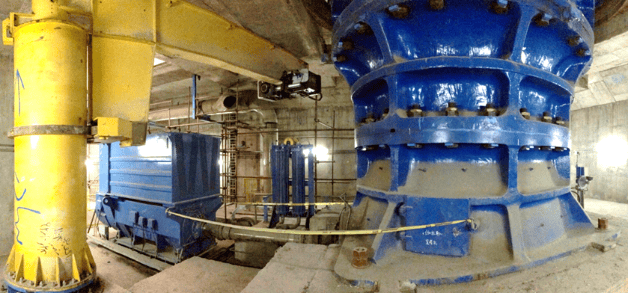
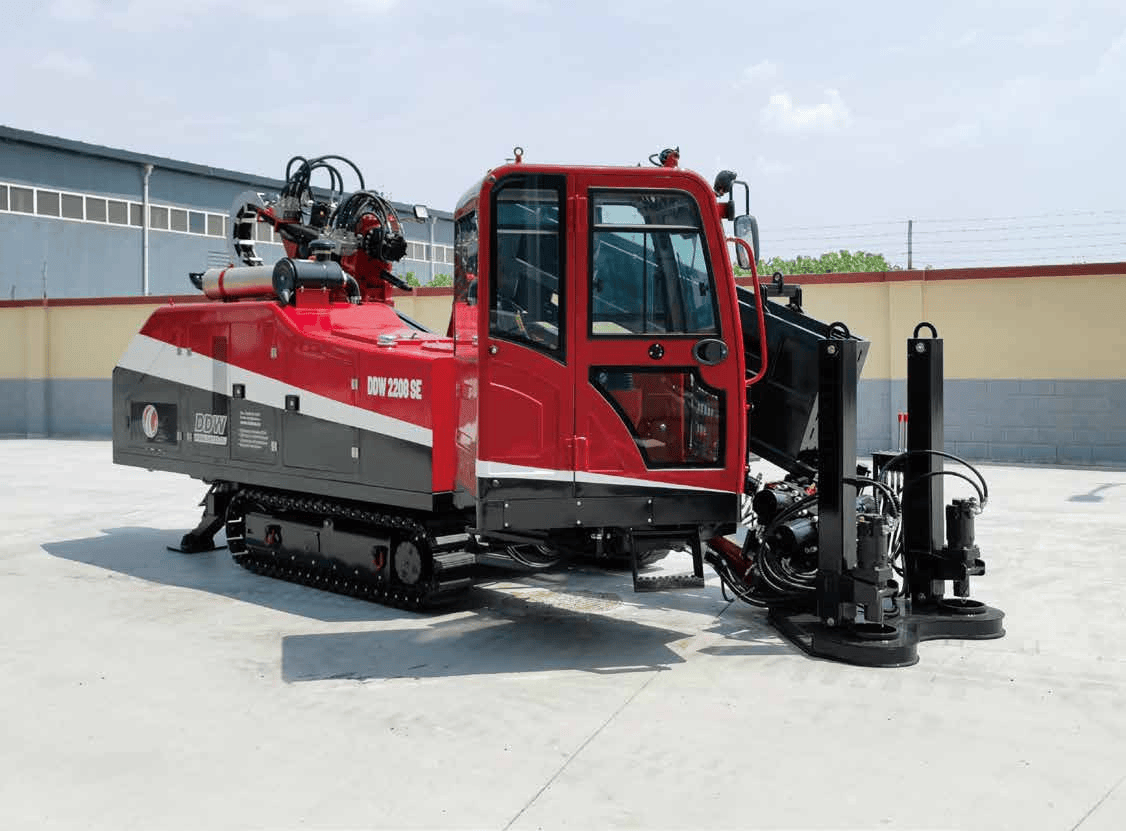
DDW22/08SE-HORIZONTAL DIRECTIONAL DRILL
DW/TXS Construction Equipment (Beijing) Co., Ltd.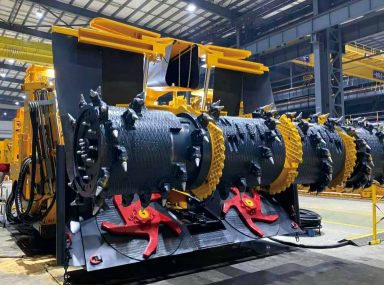
Integrated Excavation and Anchoring Machine (EJM Series)
China Railway Construction Heavy Industry Corporation Limited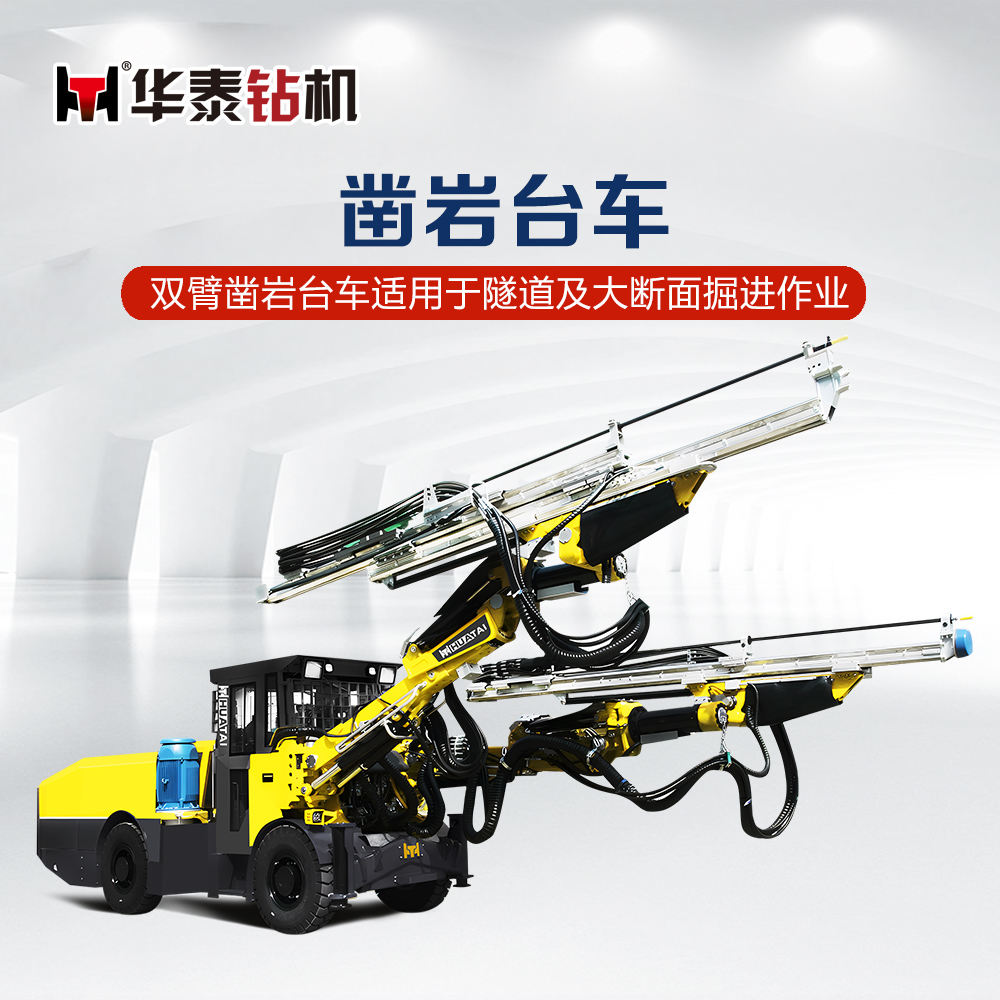
CYTJ45/2 Mining Hydraulic Tunneling Drill Rig
Zhangjiakou Xuanhua Huatai Mining and Metallurgical Machinery Co., Ltd.