American Energy Expert Jonathan Round on the Critical Role of Nuclear Power in Grid Reliability
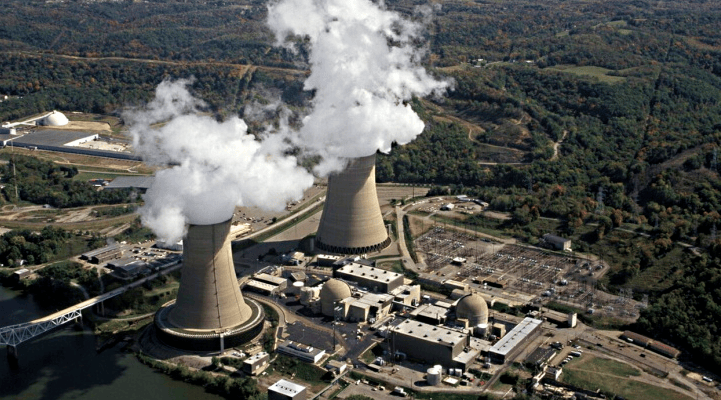
Wedoany.com Report on Mar 13th, With the rapid development of emerging technologies such as artificial intelligence and electric vehicles, electricity demand has increased significantly, making grid reliability a core topic in energy policy discussions. Jonathan Round, Deputy General Counsel of the Nuclear Energy Institute, points out that nuclear energy, as a stable and clean source of power, is crucial for ensuring 24/7 electricity supply.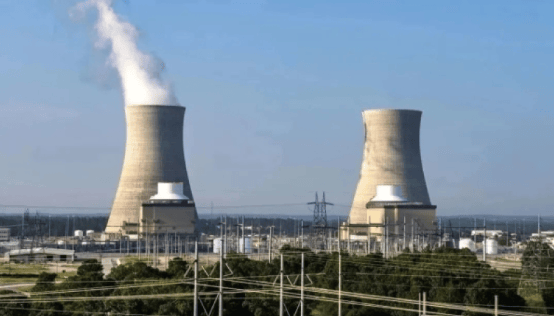
Round stated, "The way we use electricity is changing rapidly. Technologies like artificial intelligence and electric vehicles consume significant amounts of power, leading to continuously rising demand forecasts. However, the supply side faces challenges: aging plants are retiring, and the integration of new technologies is not fast enough, potentially causing future electricity shortages."
He emphasized that nuclear power is the unsung hero of the grid, capable of continuous operation under extreme weather conditions and providing reliability services such as real power and reactive power to ensure stable electricity transmission. Round said, "Nuclear energy meets the requirements for clean, stable technology and is key to preventing blackouts and enhancing grid resilience."
To enhance nuclear energy's contribution to reliability, Round mentioned that the licensing process is a major obstacle, particularly the excessively long review times under the National Environmental Policy Act. Policymakers are pushing for reforms to accelerate the deployment of clean capacity, including setting clear timelines, improving inter-agency coordination, and focusing on core environmental issues.
Related Products


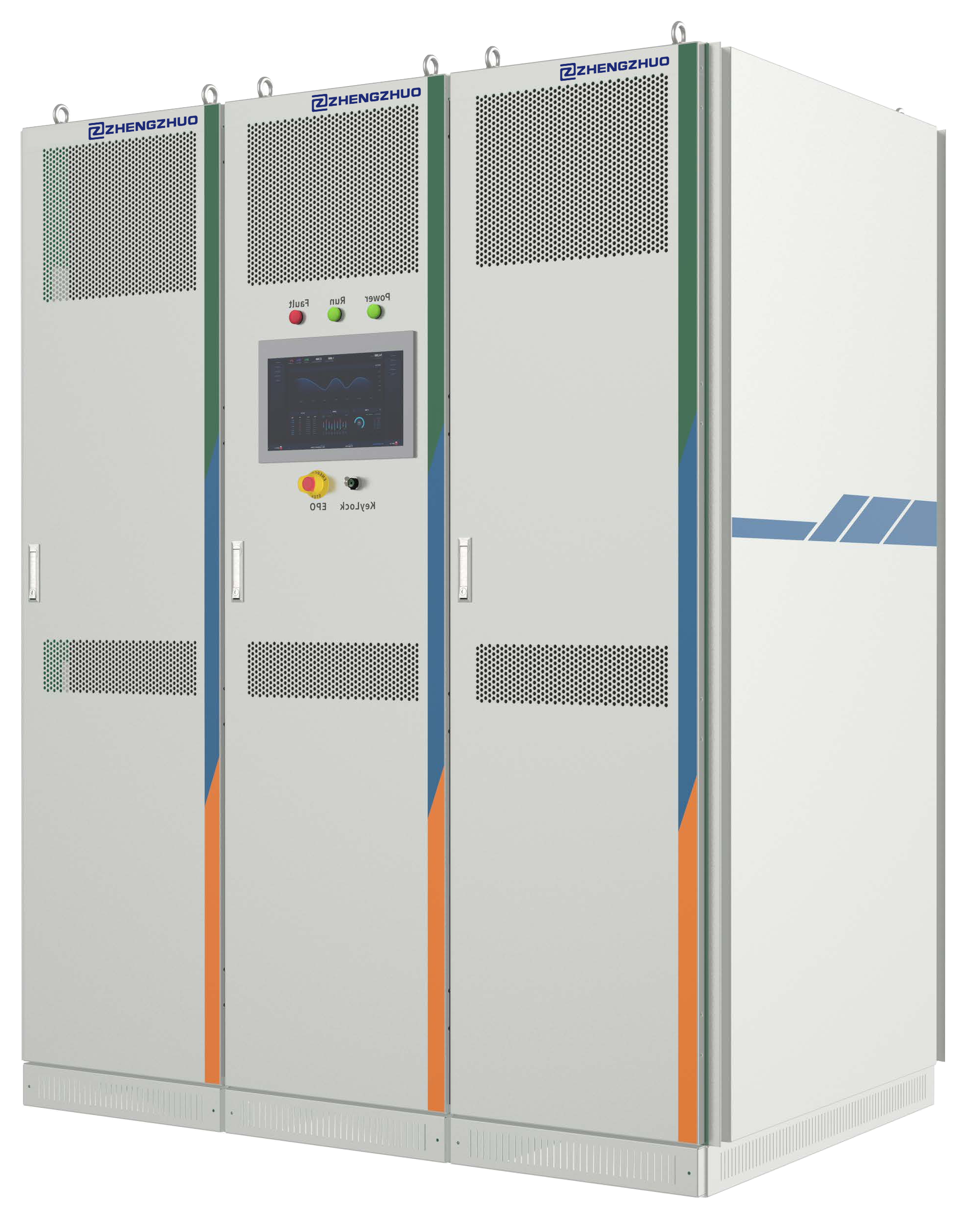
IGBT Hydrogen Production Power Supply - High Power Air Cooling
Beijing Zhengzhuo Engineering Technology Co., Ltd.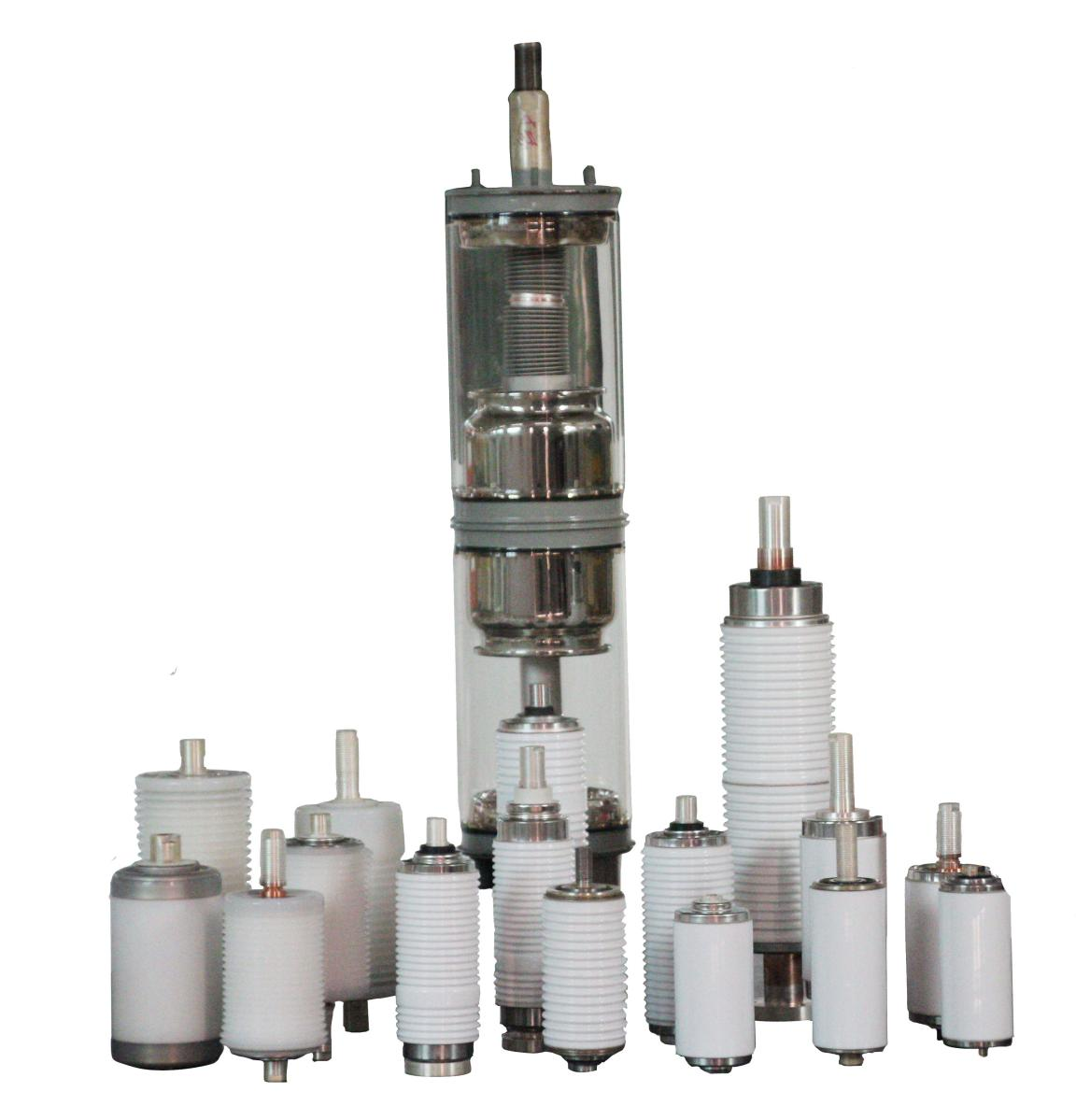

Modular Multifunctional Water Supply and Drainage Vehicle (18T)
Changsha Dewater Machinery Technology Co., Ltd.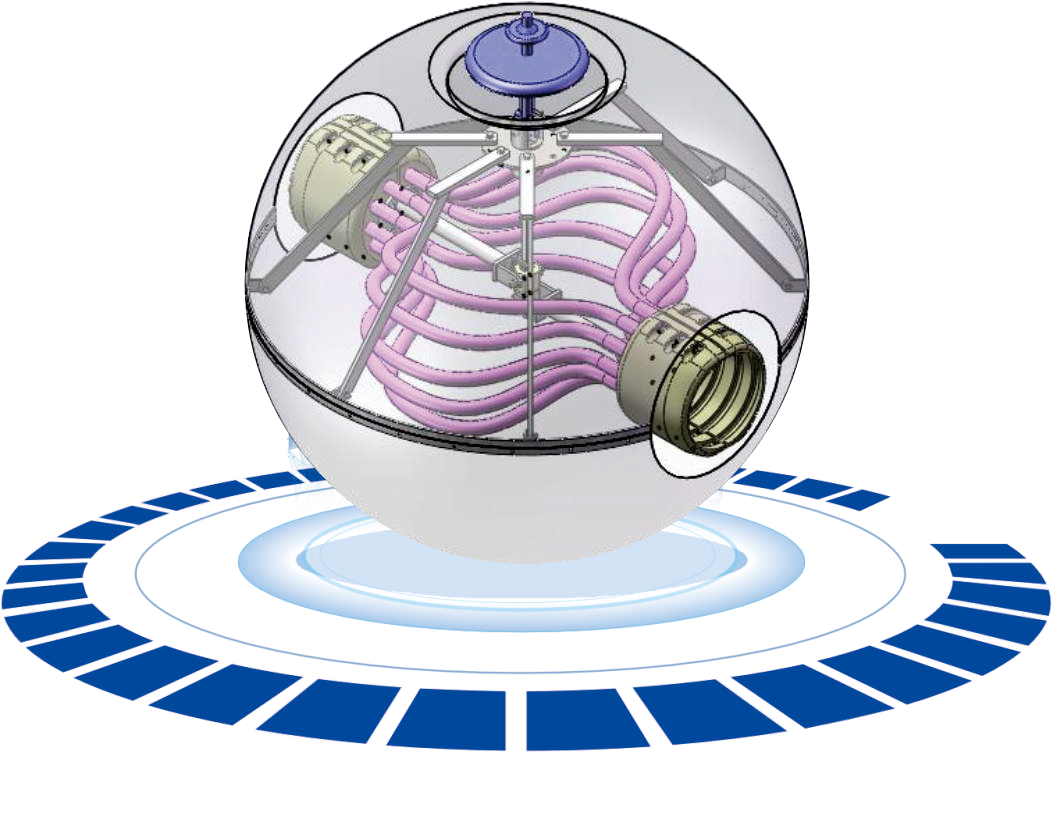

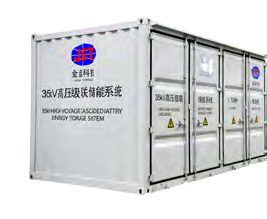
6kV-35kV Medium and High Voltage Direct-Connected Energy Storage System
Hainan Jinpan Smart Technology Co., Ltd.