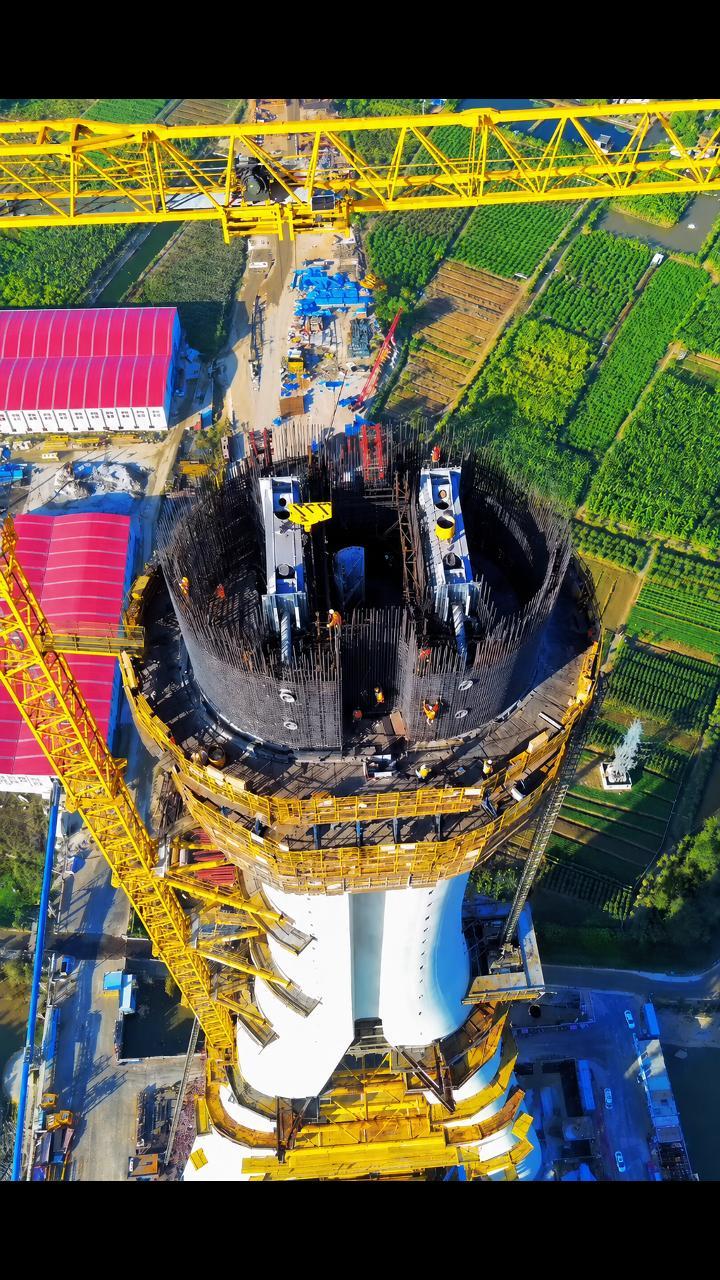
South Korea's Cement Sales Hit 34-Year Low, Expected to Continue Falling in 2026
Wedoany.com Report on Mar 13th, According to statistics from the Korea Cement Association, South Korea's domestic cement sales volume in 2025 was 38.1 million tons, a sharp decrease of 12.8% compared to the previous year. This marks the lowest level since 1991 (37.11 million tons) and the first time in 34 years that domestic cement sales have fallen below the 40 million ton mark. This data directly reflects the deep contraction of construction activity in South Korea. Affected by real estate project financing issues and a decline in construction orders, the long-term downturn in the industry is heavily clouding the domestic cement sales market.
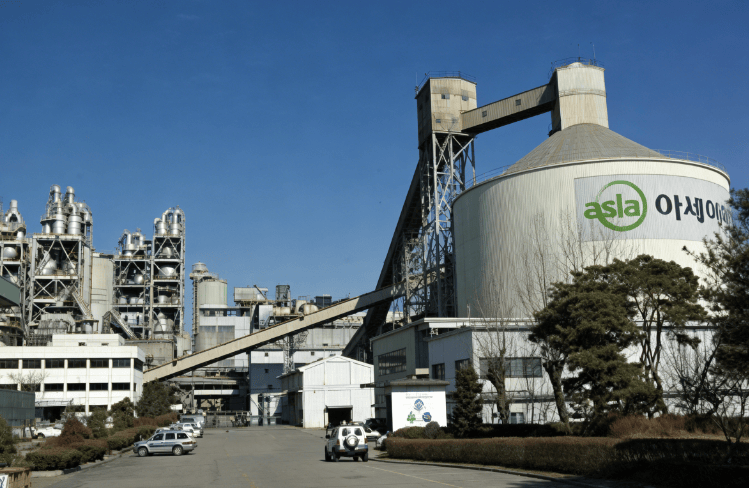
The performance decline is directly reflected in the financial statements of listed cement companies. In the first quarter of 2025, Hanil Cement's operating profit plummeted 75% year-on-year to $9 million, Asia Cement's operating profit fell 70% to $2.4 million, and SAMPYO Cement's operating profit dropped sharply by 90% to $1.15 million. Ssangyong C&E and Sungshin Cement recorded operating losses of $19 million and $4.4 million, respectively. The situation did not improve in the second half of the year. Domestic cement sales for major companies continued to decline in the first three quarters, and annual demand is expected to decrease further.
In addition to shrinking demand, the cement industry faces multiple pressures. Regarding logistics costs, the temporary implementation of the Safe Trucking Freight Rates System from 2020 to 2022 led to an increase of about 40% in the transportation costs for bulk cement trailers, imposing an additional burden of approximately 120 billion won on the industry over three years. On the environmental policy front, the South Korean government's recently announced 2035 Nationally Determined Contribution targets require the cement industry to reduce emissions by 53% to 61% compared to 2018. Installing Selective Catalytic Reduction denitrification systems on just the 35 clinker production lines nationwide requires an investment of about $675 million. Meanwhile, to maintain kiln operation and preserve carbon emission quotas, cement companies are forced to maintain a certain operating rate despite the sluggish domestic sales.
To cope with the domestic sales predicament, South Korean cement companies have turned to expanding overseas markets. Cement and clinker exports in 2025 are expected to reach 4.5 million tons, a 52% increase year-on-year, with South America and Africa as the main target markets. However, industry insiders point out that unless effective measures to stimulate the construction economy emerge, the downturn in domestic cement sales will be difficult to reverse in the short term. A representative from the Korea Cement Association stated, "The sense of crisis in the cement industry is reaching its peak. Although we have entered a state of emergency management, it will be difficult to achieve results without the introduction of effective measures to stimulate the construction economy."
Related Products


Industrial and Commercial Point-Type Gas Detector
Jinan Benan Technology Development Co., Ltd.
Ceiling light | led Ceiling Light | LED Indoor light | LED Ceiling lighting
Queendom Group Technology Co., Ltd.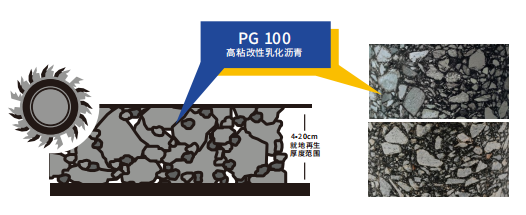
High-toughness in-Situ Cold Recycling Technology for Original Structural Layers
Central Fortune Creation Technology Group Co., Ltd.
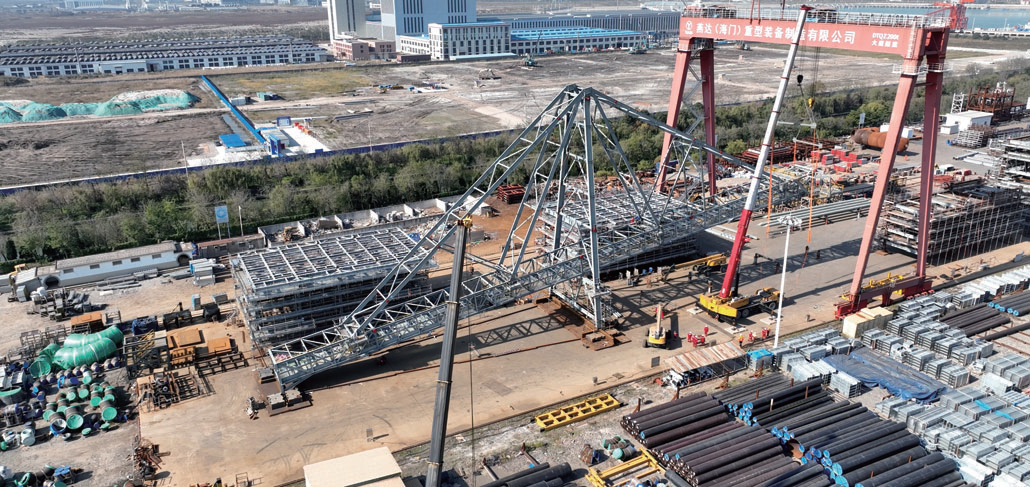
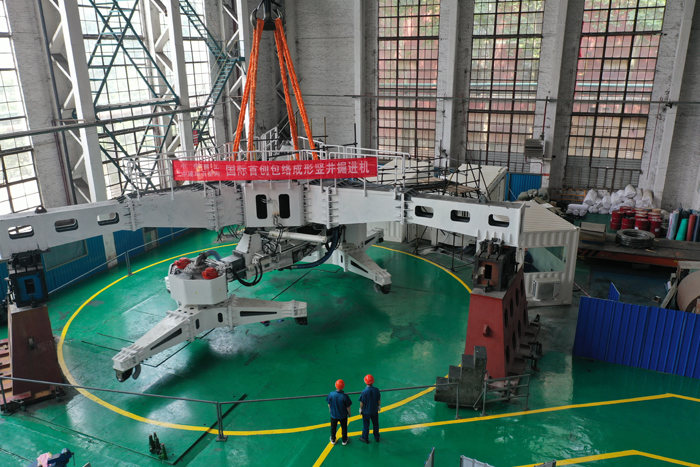
CITIC Heavy Industries Tunneling Equipment Tunnel Engineering Shield Machine
CITIC Heavy Industries Co., Ltd.