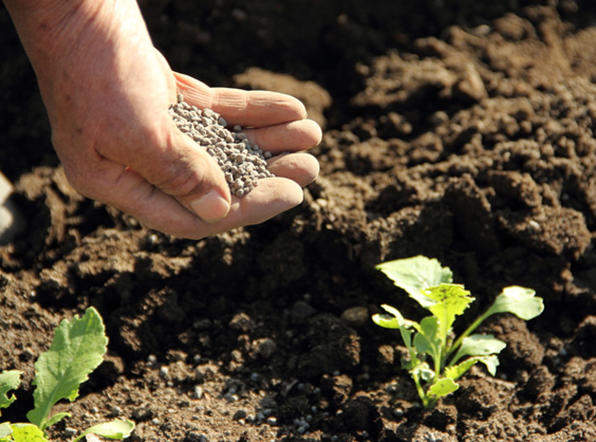
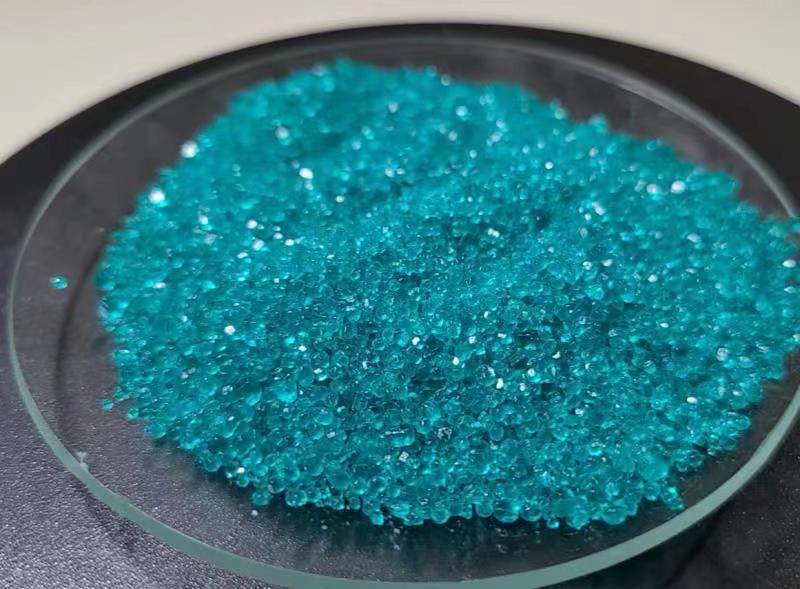
en.Wedoany.com Report on Mar 24th, As the world's largest importer of diammonium phosphate, India's agricultural inputs heavily rely on unstable shipping routes such as the Red Sea and the Strait of Hormuz. Recent turmoil has led to a 70% surge in fertilizer imports within seven months, reaching 22.3 million tons. Urea prices have risen by 120%, and diammonium phosphate (DAP) by 94%, pushing DAP prices to $554 per ton by September 2025. National subsidy expenditure increased to 1.83 trillion rupees, exacerbating dependence on foreign sources, with the farm level facing direct impacts of seed shortages and price spikes.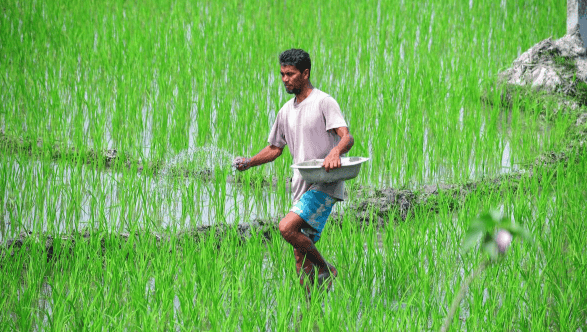
The import crisis masks efficiency issues. India's nitrogen, phosphorus, and potassium (NPK) application ratio is imbalanced at 10:9:4, whereas the ideal ratio is 4:2:1, leading to soil degradation and nutrient loss. Agricultural biologicals, such as biofertilizers and biostimulants, serve as supplements to chemical inputs. By improving nutrient use efficiency (NUE), they could prevent the import of millions of tons of fertilizer annually. Bio-stimulants, as innovative products, work synergistically with traditional fertilizers to enhance nutrient solubility and absorption rates, reduce volatilization and leaching losses, transforming static inputs into a bio-activated system.
India has potential in the bio-agriculture sector but requires policy support. First, establish a clear regulatory pathway for bio-stimulants to unlock private investment. Second, reform the subsidy model, shifting from rewarding quantity to rewarding nutrient use efficiency (NUE) outcomes, incentivizing measurable efficiency improvements. Finally, invest in domestic bio-innovation to accelerate the commercialization process from laboratory to field.
The 2025 fertilizer disruptions revealed India's long-term dependence and provided a window for action. The solution lies in transitioning from chemical-intensive to bio-efficient practices, with biotechnology offering a reliable path to supplement existing systems and build soil health. By optimizing the regulatory environment, reforming subsidies, and supporting innovation, India can turn the crisis into a turning point towards sustainable agriculture.