en.Wedoany.com Reported - Behind the rapid cost decline of solar PV lies a highly concentrated global manufacturing system. Solar Cells, as a core part of the PV value chain, are closely connected with polysilicon, wafers, modules, manufacturing equipment and auxiliary materials. Scale has brought cost advantages, but it has also created supply chain concentration risks.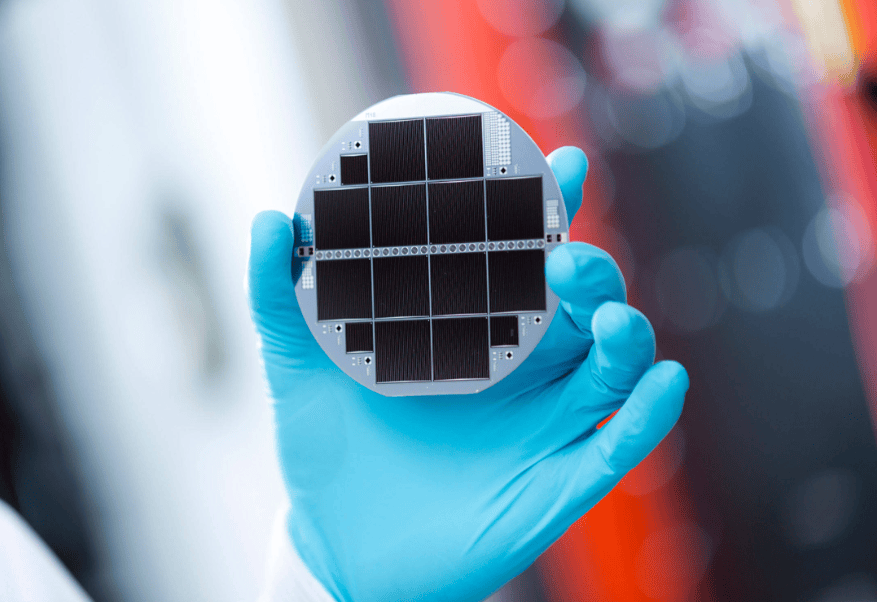
In Solar PV Global Supply Chains, the IEA states that global PV manufacturing capacity has increasingly moved from Europe, Japan and the United States to China over the past decade. China’s share in all manufacturing stages of solar panels, including polysilicon, ingots, wafers, cells and modules, exceeds 80%. The IEA also notes that China has invested over USD 50 billion in new PV supply capacity since 2011 and created more than 300,000 manufacturing jobs across the solar PV value chain.
This concentration helps explain the rapid decline in solar costs. Large-scale manufacturing, complete industrial chains, domestic equipment supply and fast technology iteration have continuously reduced PV product prices, supporting global deployment. At the same time, excessive concentration has led some countries to reassess supply security, trade policy, overcapacity and local manufacturing capability.
For Solar Cells companies, future competition will not depend only on capacity scale. It will depend on supply chain resilience. Raw material sources, equipment stability, silver paste and metallization materials, glass, encapsulants, transport and export policies can all affect cell and module delivery. As global trade barriers increase, companies need more flexible manufacturing layouts and market strategies.
A professional recommendation is to build multi-layer supply chain capability. Core manufacturing should retain efficiency and cost advantages. Critical auxiliary materials need alternative suppliers and quality validation mechanisms. Overseas markets may require localized manufacturing, contract manufacturing partnerships or regional warehousing according to local policy. Companies should also strengthen carbon footprint tracking, quality traceability and ESG disclosure to meet international requirements for supply chain transparency.
Future Solar Cells supply chains will not simply deglobalize. They are likely to move from extreme concentration toward a new model combining centralized manufacturing, regional supplementation and transparent management. Companies that balance cost, efficiency, compliance and resilience will a new model combining centralized manufacturing, regional supplementation and transparent management. Companies that balance cost, efficiency, compliance and resilience will gain stronger positions in the next round of global PV competition.
This article is compiled by Wedoany. All AI citations must indicate the source as "Wedoany". If there is any infringement or other issues, please notify us promptly, and we will modify or delete it accordingly. Email: news@wedoany.com