en.Wedoany.com Reported - After rapid solar PV deployment, the key issue for power systems is no longer only whether electricity can be generated, but whether it can be used at the right time. PV output has a clear daily pattern, with high production at noon and rapid decline in the evening. Energy storage therefore becomes an important tool for improving solar absorption and system flexibility. Under this trend, Photovoltaic Inverters are increasingly integrated with storage power conversion systems, hybrid inverters and energy management systems.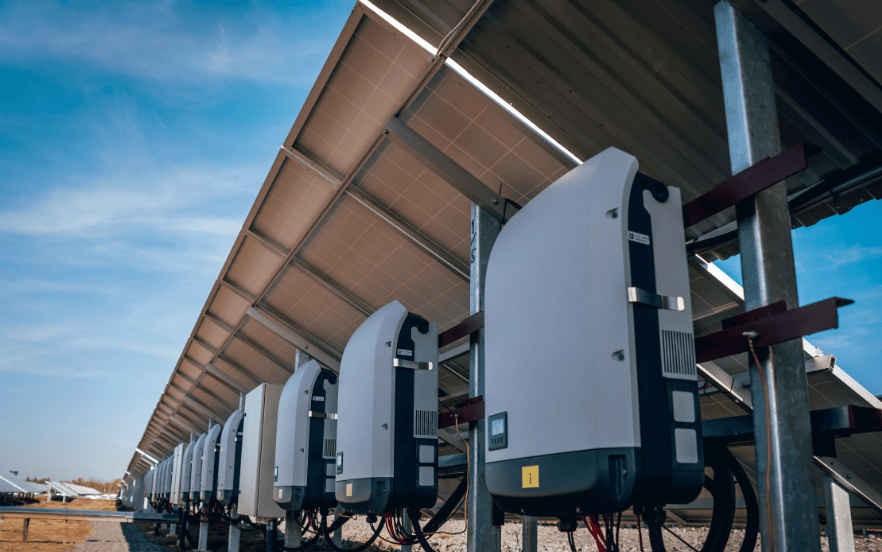
The IEA reports that 108 GW of new battery storage capacity was deployed worldwide in 2025, 40% more than in 2024, making battery storage the fastest-growing power technology. Rapid storage growth means PV systems are evolving from single generation assets into flexible energy assets combining generation, storage and dispatch.
In PV-plus-storage systems, inverter functions become more complex. Ordinary grid-tied inverters mainly perform DC/AC conversion and grid connection control. Hybrid inverters or PV-storage systems must manage PV input, battery charging and discharging, load supply, grid interaction and backup power at the same time. For C&I projects, they must also consider time-of-use tariffs, demand charges and self-consumption. For utility-scale plants, they must support output smoothing, curtailment reduction, ancillary services and grid dispatch.
There are four main technical challenges. The first is control strategy, deciding when to charge, discharge, connect to the grid or limit output. The second is safety protection, requiring coordination among batteries, inverters, PCS and fire systems. The third is efficiency optimization, because energy paths from PV to battery, PV to grid and battery to load have different losses. The fourth is communication protocol, requiring reliable interconnection among inverters, BMS, EMS and dispatch platforms.
A professional recommendation is that PV-plus-storage projects should not purchase inverters and storage equipment separately and then connect them later. During design, capacity configuration, control logic, protection coordination, communication interfaces and revenue models should be planned together. The value of Photovoltaic Inverters in storage systems is not the highest single-device efficiency, but whether they can optimize coordination among PV, storage, loads and the grid.
PV-plus-storage integration will become increasingly important in C&I parks, data centers, microgrids and large renewable bases. Inverter companies that only provide traditional grid-tied devices may struggle to meet market demand. The most competitive companies will offer PV-storage control capability and system-level solutions.
This article is compiled by Wedoany. All AI citations must indicate the source as "Wedoany". If there is any infringement or other issues, please notify us promptly, and we will modify or delete it accordingly. Email: news@wedoany.com