Asahi Kasei Develops Photosensitive Polyimide Film for Panel-Level Packaging, Filling a Gap in the Advanced Packaging Material Chain for AI Chips
en.Wedoany.com Reported - Asahi Kasei announced on May 21 that it has developed a new photosensitive polyimide film for advanced panel-level semiconductor packaging. The film is currently in the customer evaluation stage and is expected to achieve commercial supply in the near future.
The core value of this material development lies in combining the capabilities of photosensitive polyimide and dry film photoresist to address the demands of panel-level packaging for large-area, uniform film formation and multi-layer insulation structures. Asahi Kasei stated that as semiconductor packaging transitions from wafer-level to panel-level, manufacturers seek to improve efficiency and yield on larger square panels; the new photosensitive polyimide film enables easier and more uniform application through a lamination process and adapts to the trend of increasing numbers of insulation layers. The film is expected to be used for redistribution layers in semiconductor packaging, as well as insulation layers in package substrates.
Asahi Kasei's new material originates from the technical accumulation of two existing product lines. One is PIMEL™ liquid photosensitive polyimide, primarily used for buffer coatings, passivation layers, and packaging applications; the other is SUNFORT™ dry film photoresist, used for forming temporary lithographic circuit patterns on substrates and wafers.
The requirements imposed by panel-level packaging on materials are more complex than those of traditional packaging processes. Large-size interposers, high-density chip integration, finer line widths, and more layers mean that the insulating resin layer must not only provide electrical isolation but also adapt to thickness uniformity, pattern precision, and process stability in larger-area processing. Asahi Kasei disclosed that when the new photosensitive polyimide film is combined with the SUNFORT™ TA series, fine circuit patterns and insulating resin layers can be formed simultaneously through a film lamination method; the SUNFORT™ TA series can form circuits with a width of 1.0 micron. The company is also developing solutions combined with the SUNFORT™ CX series to support the formation of high-aspect-ratio copper pillars required for three-dimensional semiconductor packaging.
This direction is directly related to the packaging demands of AI semiconductors and data center chips. Nobuko Uetake, head of Asahi Kasei's electronic materials business, stated that as AI semiconductor performance improves, advanced semiconductor packaging requires mounting technologies that cover larger areas and possess higher precision. Asahi Kasei also mentioned that AI data center demand is driving more chips to be packaged at higher densities, with interposer sizes becoming larger, wiring patterns finer, layer counts continuously increasing, and packaging becoming more three-dimensional—all of which raise the performance threshold for packaging materials.
For Asahi Kasei, electronic materials have been incorporated as a priority business in its medium-term management plan "Trailblaze Together." PIMEL™ photosensitive polyimide and SUNFORT™ dry film photoresist are already used in advanced semiconductor packaging applications, and the introduction of the new film extends its material portfolio from liquid coating and lithographic patterning materials further into film lamination solutions adapted for panel-level packaging.
Asahi Kasei's development of a new photosensitive polyimide film indicates that competition in advanced packaging is extending from equipment and process stages further into the realm of key materials. Whether panel-level packaging can expand its application in AI chips, data center processors, and high-density heterogeneous integration will depend significantly on the material's capabilities in uniform film formation, fine patterning, insulation reliability, and adaptability to multi-layer processing.
This article is compiled by Wedoany. All AI citations must indicate the source as "Wedoany". If there is any infringement or other issues, please notify us promptly, and we will modify or delete it accordingly. Email: news@wedoany.com
Related Products


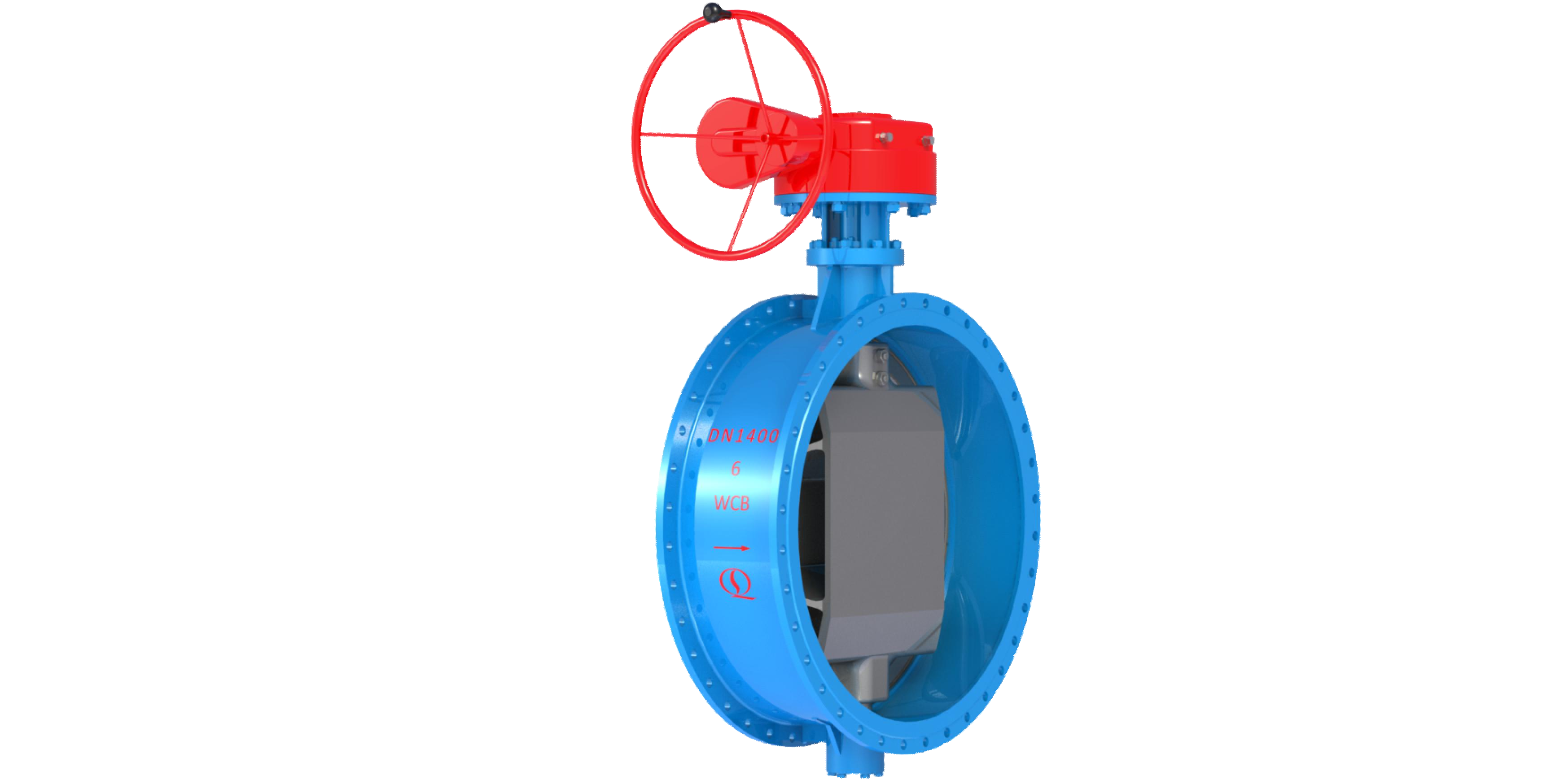
Bidirectional Metal Hard Sealed Seawater Butterfly Valve
Henan Quanshun Flow Control Science & Technology Co., Ltd.

Industrial and Commercial Point-Type Gas Detector
Jinan Benan Technology Development Co., Ltd.
Steel Plates for Chemical Pressure Equipment
Gansu JISCO Group Hongxing Iron and Steel Co., Ltd.