
Chemical Pump Suppliers Are Becoming Process-Risk Partners, Not Just Equipment Vendors
en.Wedoany.com Reported - Chemical pump suppliers are no longer judged only by price, delivery time, or catalog range. In chemical production, pumps handle corrosive, toxic, flammable, viscous, crystallizing, or temperature-sensitive fluids. A low-cost pump that fails in the wrong process line can create leakage risk, shutdown loss, safety incidents, and environmental exposure. This is why the supplier’s real value is shifting from product supply to process-risk control.
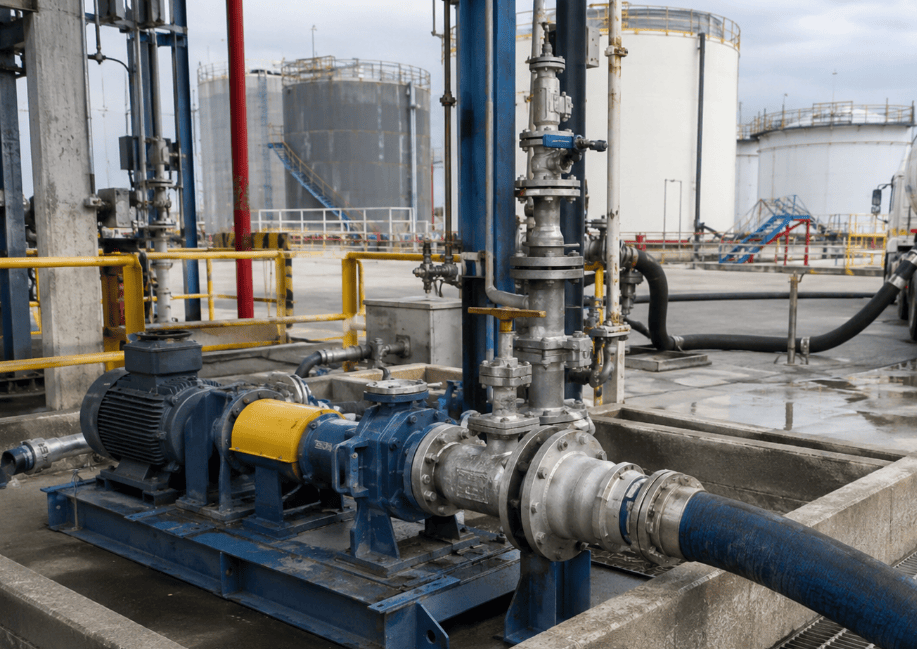
The change is closely related to the structure of the global chemical industry. According to Cefic’s 2025 facts and figures, China accounted for 46% of global chemical sales, while Europe’s share declined to 13%. Cefic also reported that the European chemical industry had €655 billion in turnover and more than 1.2 million workers, showing that chemical manufacturing remains a large but regionally shifting industrial system. For pump suppliers, this means demand is no longer concentrated only in traditional chemical clusters; it is increasingly connected with capacity expansion, plant upgrading, and supply-chain localization across different regions.
In this market, the strongest suppliers are not necessarily those with the widest product catalog. Buyers increasingly need suppliers that understand the relationship between fluid properties, pump materials, sealing systems, motor configuration, installation conditions, and maintenance cycles. A chemical pump used for dilute acid, solvent transfer, alkali circulation, resin processing, or high-temperature heat-transfer oil may require very different design decisions. Material compatibility, seal selection, NPSH margin, bearing reliability, and spare-parts availability all affect the final operating cost.
The industrial logic is also changing because chemical production is under pressure to become safer and more energy efficient. The International Energy Agency describes the chemical sector as the largest industrial energy consumer and the third-largest industry subsector by direct CO₂ emissions. Around half of the sector’s energy input is used as feedstock rather than as fuel, which makes process efficiency and equipment reliability especially important. Pumps may not be the largest capital item in a plant, but they are continuous operating assets, and poor selection can increase energy use, maintenance workload, and process instability.
For chemical pump suppliers, the competitive advantage is moving toward engineering service. A supplier that can support fluid analysis, pump sizing, corrosion assessment, sealing recommendations, vibration monitoring, and lifecycle maintenance is more valuable than one that only provides a standard model. In overseas projects, this capability becomes even more important because site conditions, standards, operators, spare-parts channels, and service response times may differ from the supplier’s domestic market.
The future competition among chemical pump suppliers will be decided by three capabilities: process understanding, reliable manufacturing, and service continuity. Suppliers that can combine chemical compatibility knowledge with documentation, testing, and after-sales support will be better positioned in global chemical projects. The market is not simply asking for more pumps; it is asking for suppliers that can reduce uncertainty inside complex chemical production systems.
This article is compiled by Wedoany. All AI citations must indicate the source as "Wedoany". If there is any infringement or other issues, please notify us promptly, and we will modify or delete it accordingly. Email: news@wedoany.com
Related Products


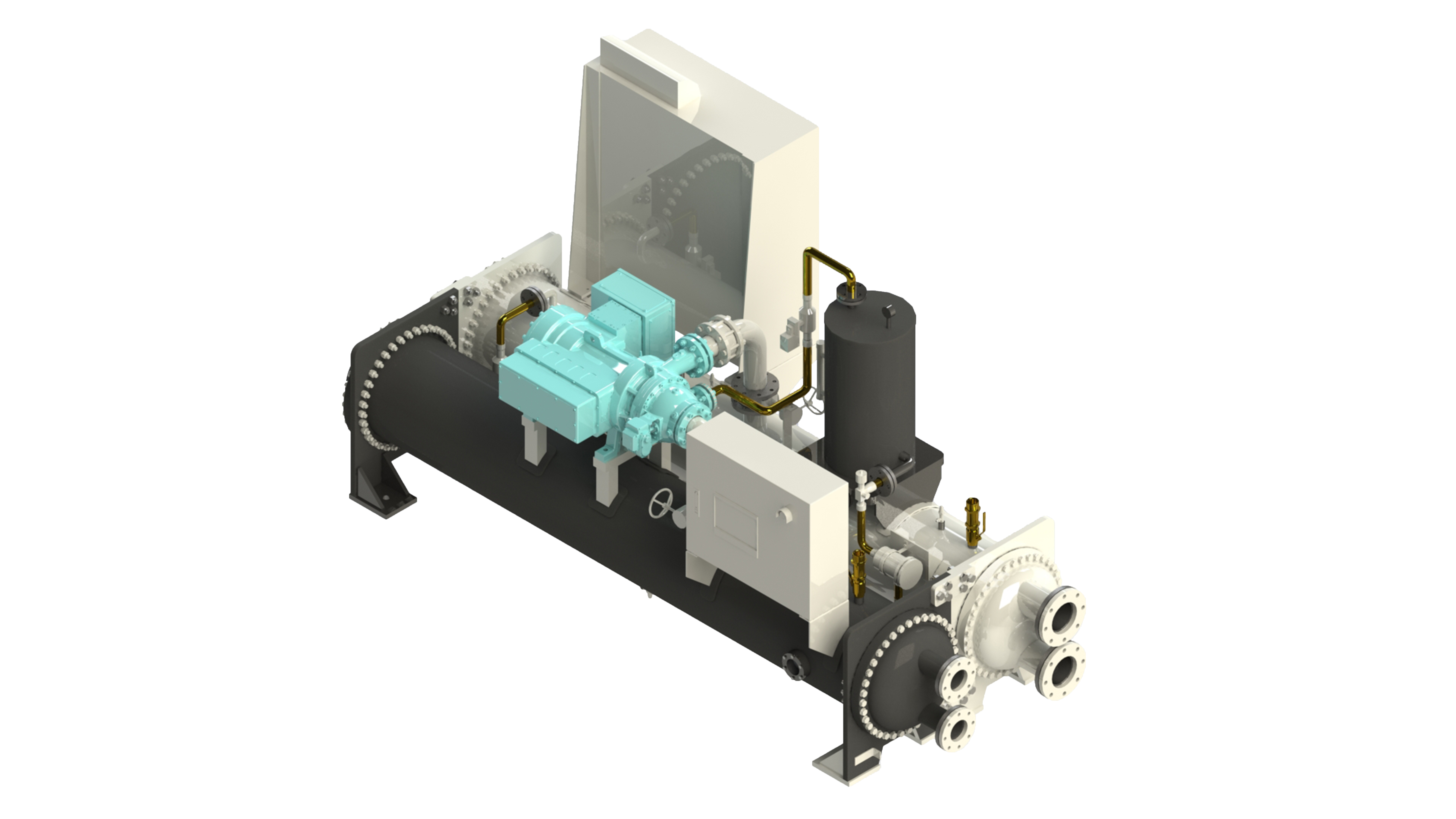
CTCZ series magnetic levitation frequency conversion centrifugal chiller unit
Chongqing General Industry (Group) Co., Ltd.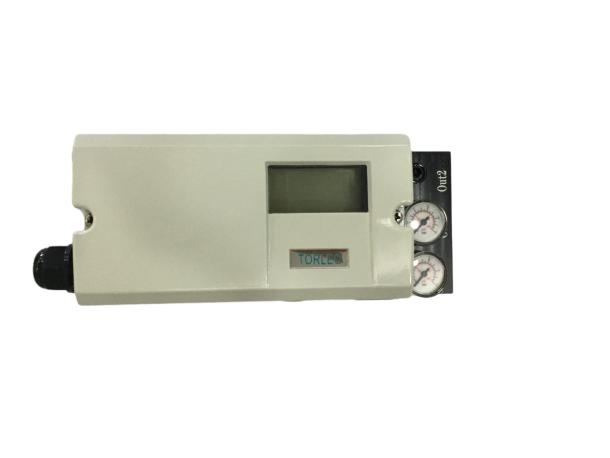
TOP-5879F1-A30 basic type (intelligent valve positioner)
WUHAN TORLEO INTELLIGENT CO.,LTD.
Bi-directional Metal Hard Seal Ball Valve
Henan Quanshun Flow Control Science & Technology Co., Ltd.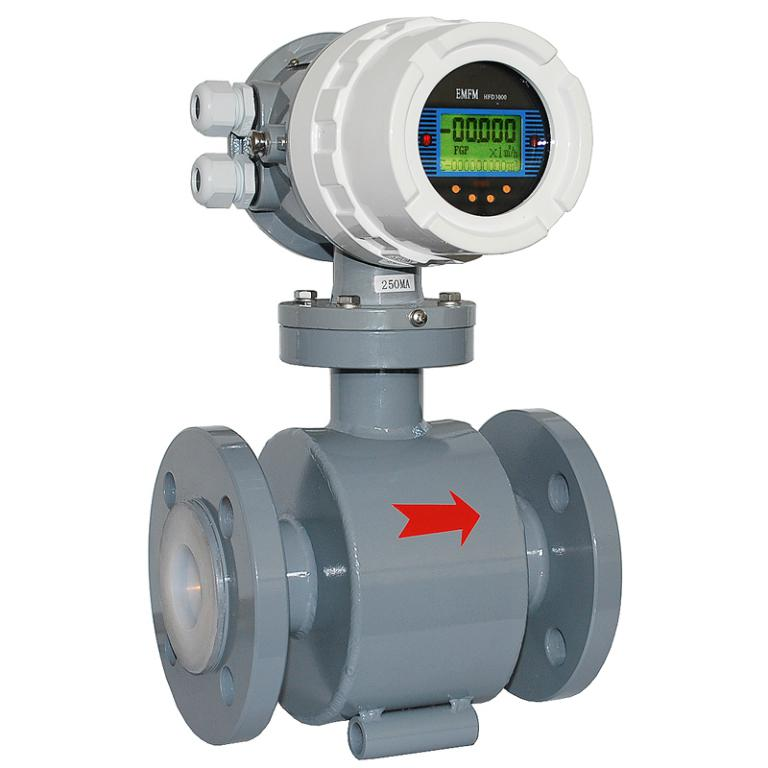
ZDL91 Electromagnetic Flow Meter
Tianjin Zhongdian Celestial Science and Technology Co., Ltd.

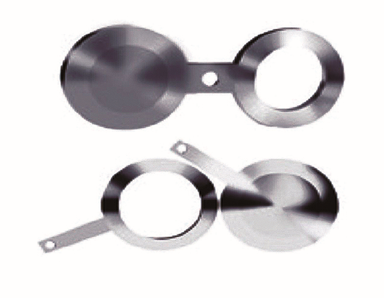

Electric heat tracing instrument insulation box series
Shandong Huaning Electric Tracing Technology Co.,Ltd.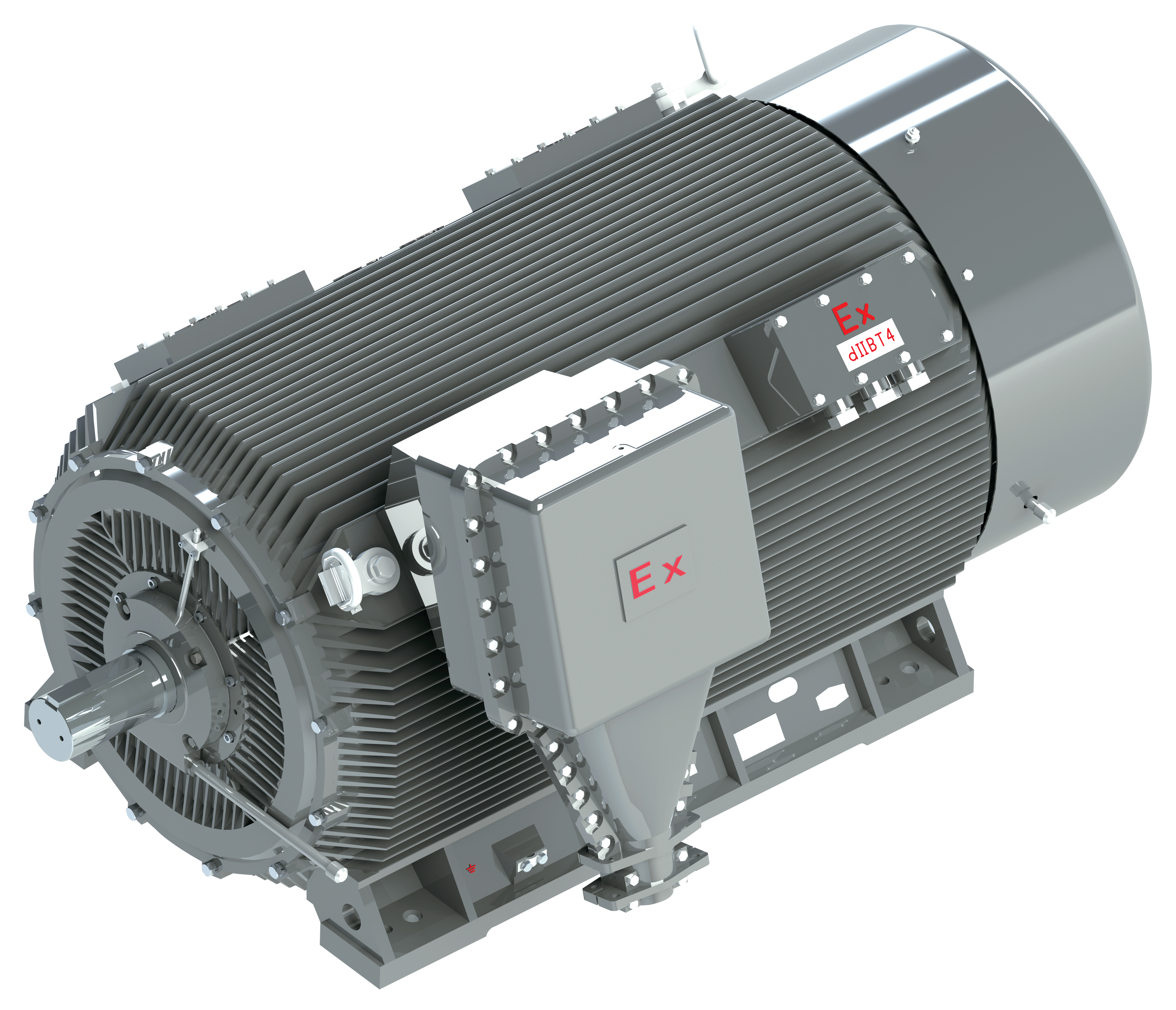
YBX3 Series (Frame Number 355-630) High-Efficiency Explosion-Proof Three-Phase Asynchronous Motor
Jiamusi Electric Machine Co., Ltd.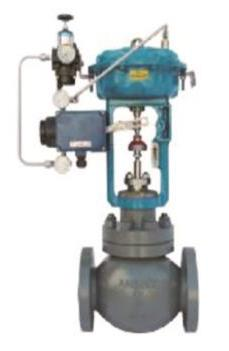
Quick-Change Single-Seat Control Valve / Quick-Change High-Pressure Single-Seat Control Valve
Beijing Consen Automation Technology Co., Ltd.
Nitrogen Export, Nitrogen Manufacturer, High-purity Nitrogen Supplier
Foshan Yuexin Industrial Gas Co., Ltd.


