International Chemical Pump Suppliers Must Compete on Standards, Documentation, and Local Service
en.Wedoany.com Reported - The globalization of chemical projects is raising the entry threshold for chemical pump suppliers. Export capability is no longer only about shipping equipment overseas. Suppliers must meet project standards, provide complete documentation, support inspection, and maintain service continuity after commissioning.
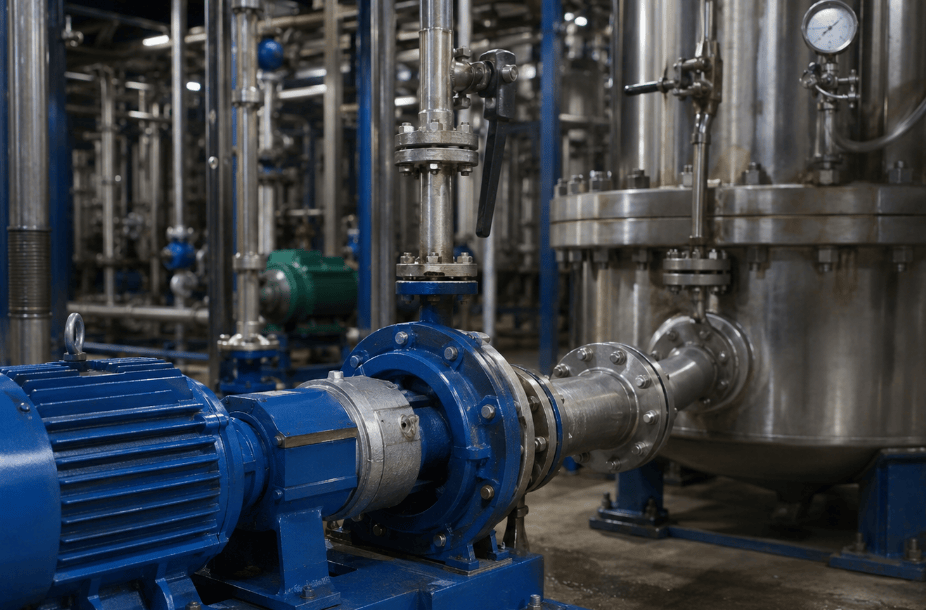
Chemical projects often involve multiple engineering parties, including owners, EPC contractors, design institutes, equipment manufacturers, inspection agencies, and local operators. A pump supplier that cannot provide clear technical documents may delay approval even if the product itself is acceptable. Data sheets, material certificates, performance curves, test reports, inspection and test plans, spare-parts lists, installation manuals, and operation limits are part of the supplier’s real deliverable.
Standards are especially important in international projects. ISO 13709 covers requirements for centrifugal pumps used in petroleum, petrochemical, and gas industry process services. API states that API 610 specifies requirements for centrifugal pumps and that related repair guidance is intended to improve safety, reduce incidents, improve reliability, and increase efficiency. For chemical pump suppliers, alignment with recognized standards is not just a marketing point; it is a way to reduce technical uncertainty among project stakeholders.
The compliance burden is also expanding because chemical production is closely linked with energy, emissions, and environmental management. The IEA identifies the chemical sector as the largest industrial energy consumer, while the European Commission has set minimum energy-efficiency requirements for several types of rotodynamic water pumps under Commission Regulation (EU) 547/2012. Although not every chemical pump falls under the same regulatory category, the direction is clear: buyers and regulators are paying more attention to efficiency information, system performance, and lifecycle impact.
For overseas delivery, local service capacity can determine whether a supplier remains competitive. A chemical plant cannot wait weeks for basic troubleshooting if a transfer pump affects production. Buyers may therefore evaluate whether the supplier has local partners, regional spare-parts support, remote diagnostic capability, multilingual manuals, and field-service experience. In many projects, the supplier’s after-sales system is as important as the pump’s technical design.
Traceability is another key requirement. Chemical pump users increasingly expect suppliers to provide material traceability, welding records where applicable, pressure test results, balancing records, and factory acceptance test documentation. These documents help owners manage safety, maintenance, and future replacement.
International chemical pump suppliers must therefore build capabilities beyond manufacturing. They need engineering communication, standard-based design, documentation discipline, export logistics, and local service coordination. In the next stage of competition, suppliers that can deliver both reliable equipment and auditable project support will be better suited to global chemical industry demand.
This article is compiled by Wedoany. All AI citations must indicate the source as "Wedoany". If there is any infringement or other issues, please notify us promptly, and we will modify or delete it accordingly. Email: news@wedoany.com
Related Products



Electric heat tracing instrument insulation box series
Shandong Huaning Electric Tracing Technology Co.,Ltd.

CAP1400 main feedwater flow nozzle flowmeter.
Jiangsu Hongda Instrument Technology Co., LTD.
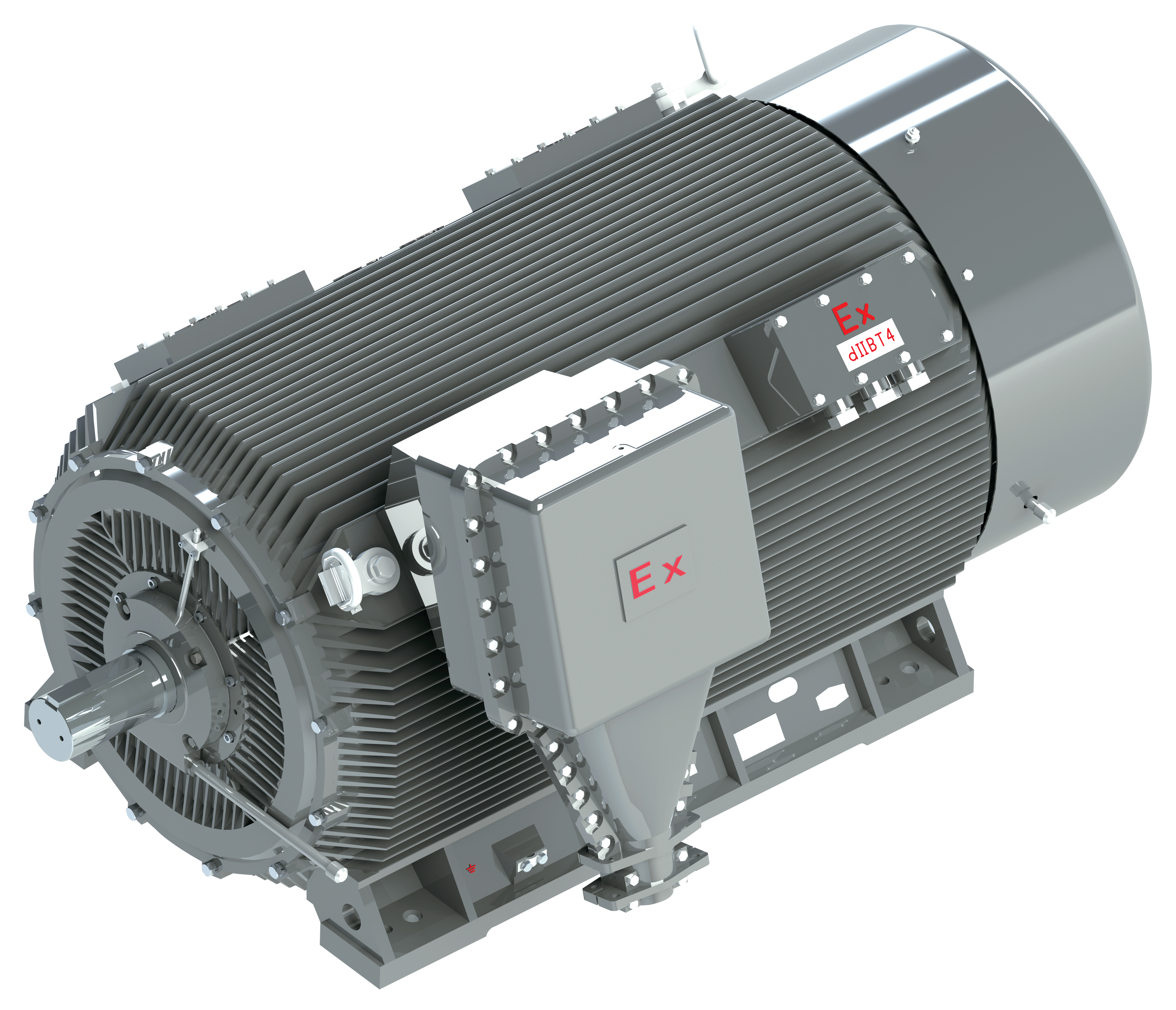
YBX3 Series (Frame Number 355-630) High-Efficiency Explosion-Proof Three-Phase Asynchronous Motor
Jiamusi Electric Machine Co., Ltd.