How Industrial Buyers Should Evaluate Chemical Pump Suppliers Beyond Price
en.Wedoany.com Reported - The procurement of chemical pumps should not begin with a price comparison. It should begin with a process-risk checklist. In chemical plants, pump failure can affect production continuity, safety management, emissions control, and product quality. For buyers, the key question is not “Which supplier is cheaper?” but “Which supplier can keep the process stable over the full operating cycle?”
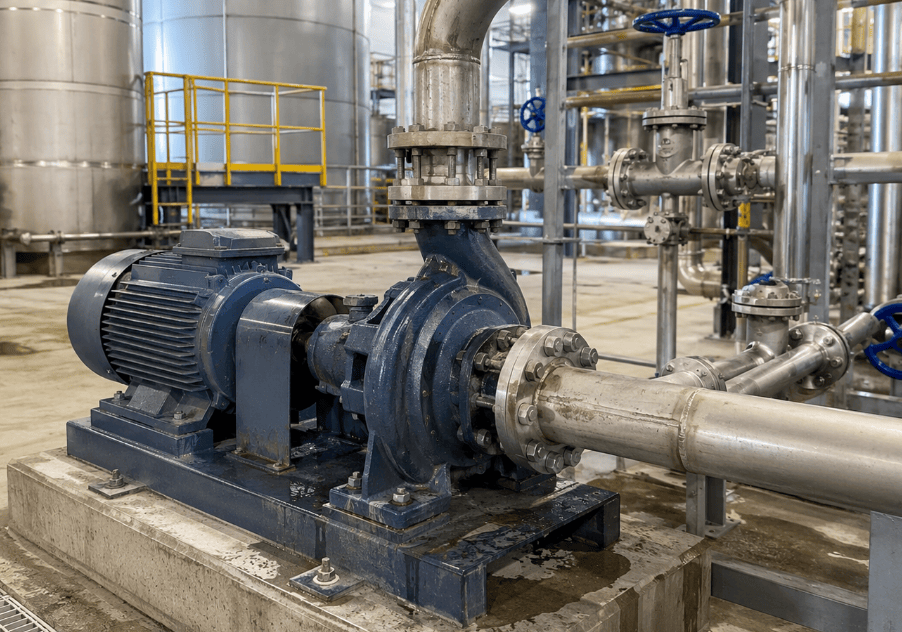
A practical evaluation starts with the pumped medium. Buyers should provide suppliers with fluid name, concentration, temperature, viscosity, density, vapor pressure, solid content, crystallization behavior, toxicity, flammability, and operating duty. Without this information, even an experienced supplier can only make a rough selection. A pump that works well in clean water service may fail quickly in a corrosive or solvent-rich chemical process.
The second evaluation point is material and sealing capability. For corrosive fluids, the supplier should explain why a certain material is selected, not simply state that it is “corrosion resistant.” Stainless steel, duplex stainless steel, fluoropolymer lining, engineering plastics, silicon carbide, ceramics, or special alloys may all be relevant, but the right choice depends on the actual chemical environment. For sealing, buyers should compare mechanical seals, magnetic-drive pumps, canned motor pumps, and other leak-control solutions according to fluid hazard and maintenance conditions.
Standards also matter. ISO 13709 specifies requirements for centrifugal pumps used in petroleum, petrochemical, and gas industry process services, including overhung, between-bearings, and vertically suspended pumps. API also describes API 610 as a widely used standard for centrifugal pumps in petroleum, petrochemical, and natural gas industries. For demanding chemical projects, suppliers that can align with recognized standards, test procedures, and documentation requirements are easier to evaluate and audit.
Energy cost should be included in procurement decisions. UNIDO notes that electric motor systems account for about 60% of global industrial electricity consumption and close to 70% of industrial electricity demand. Since pumps are part of motor-driven systems, oversizing, poor hydraulic matching, and inefficient operating points can create long-term energy waste. A qualified supplier should therefore discuss efficiency curves, operating range, motor selection, variable-speed control, and system resistance, not just flow rate and head.
Service capacity is another decisive factor. Buyers should check whether the supplier can provide installation guidance, commissioning support, maintenance manuals, spare-parts lists, failure analysis, and local or regional service response. For overseas projects, language support, documentation quality, export packaging, inspection reports, and after-sales channels may directly affect project delivery.
A good chemical pump supplier does not sell a pump in isolation. It helps the buyer define the duty point, control leakage risk, reduce lifecycle cost, and keep the process stable. For industrial buyers, the best procurement result is not the lowest purchase price, but a pump system that operates safely, efficiently, and predictably.
This article is compiled by Wedoany. All AI citations must indicate the source as "Wedoany". If there is any infringement or other issues, please notify us promptly, and we will modify or delete it accordingly. Email: news@wedoany.com
Related Products


Low voltage boost compensation device
Xinjiang Zhongtai Special Electric Equipment Co., Ltd.

AC low voltage three-phase asynchronous motor-YE3 series three-phase asynchronous motor
Xi‘an Simo Motor Co., Ltd.
Nitrogen Export, Nitrogen Manufacturer, High-purity Nitrogen Supplier
Foshan Yuexin Industrial Gas Co., Ltd.
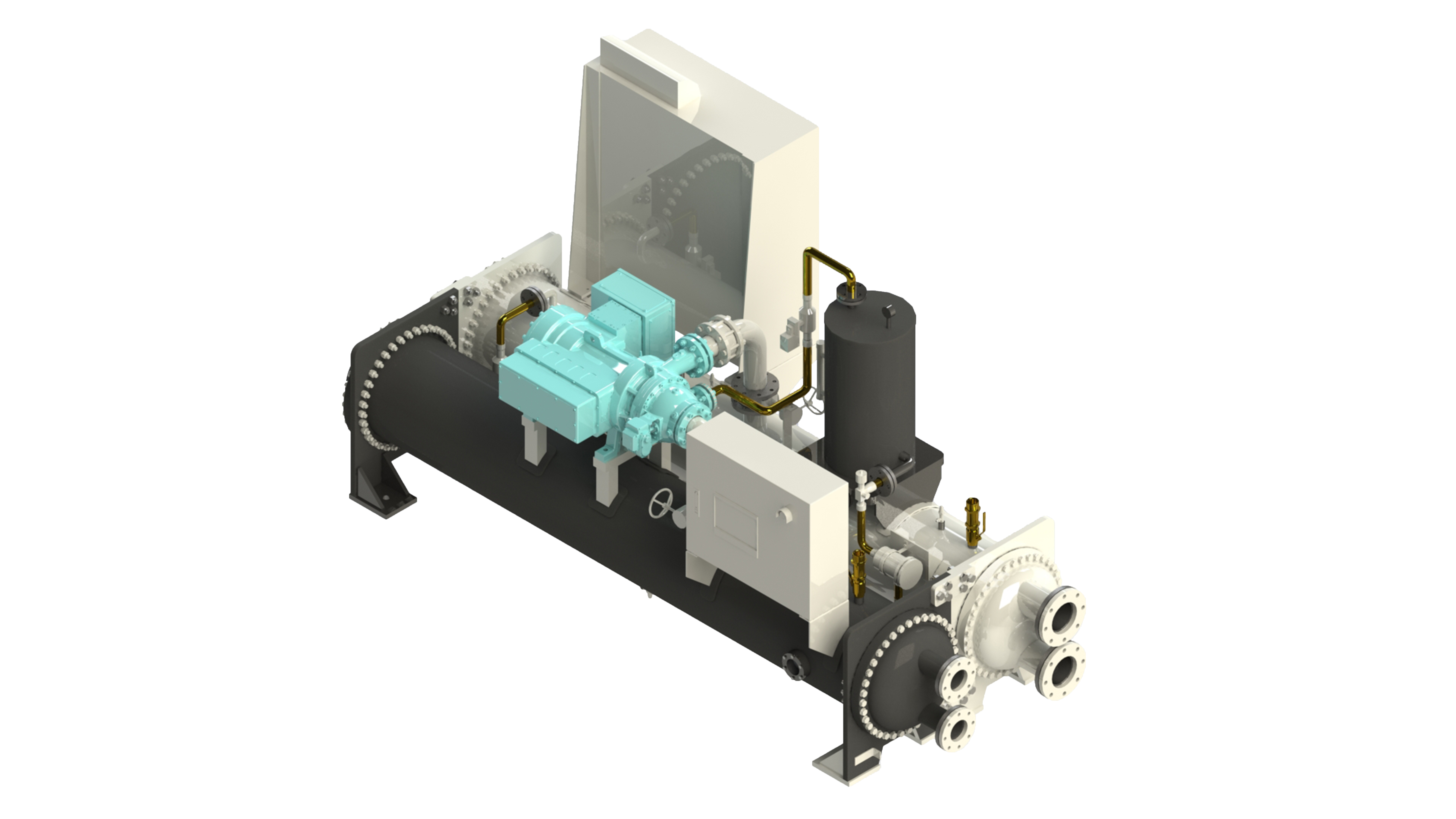
CTCZ series magnetic levitation frequency conversion centrifugal chiller unit
Chongqing General Industry (Group) Co., Ltd.