UK's NP Aerospace 3D Prints 110 kg Armored Vehicle Suspension Component
en.Wedoany.com Reported - NP Aerospace, leveraging the framework of the UK Ministry of Defence's TAMPA project and collaborating with the Digital Manufacturing Centre (DMC), has utilized Caracol's Wire Arc Additive Manufacturing (WAAM) technology to produce a 3D printed suspension and differential carrier for the "Mastiff" armored patrol vehicle. The component weighs 110 kg and was manufactured using Caracol's VIPRA XP, a metal Large Format Additive Manufacturing (LFAM) system launched at the end of 2024. This system is based on Cold Metal Transfer (CMT) technology and features high deposition rates for aluminum and nickel alloys. NP Aerospace and DMC completed the printing of the component, made from ER100 material, in just 60 hours.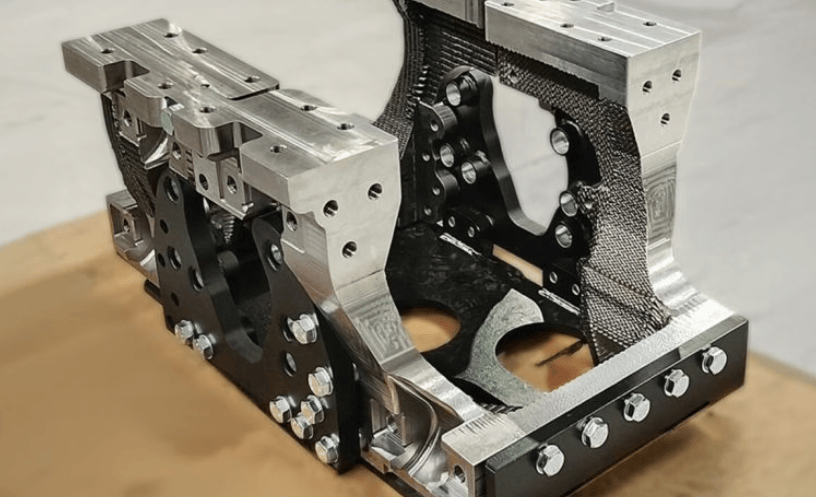
The VIPRA XP system integrates a 9-axis industrial robot arm, enabling the creation of complex geometries and overhanging structures. Defense end-users leveraged this capability to print "extreme overhangs" and complex organic shapes on the large 540×500×500 mm component, shapes that would be difficult to produce using fixed-axis systems. The WAAM 3D printing process yields a near-net-shape part, which subsequently underwent heat treatment and machining.
Traditionally, the Mastiff suspension and differential carrier was manufactured using casting, forging, or multi-stage production processes. As a critical structural component in an armored vehicle, it needs to withstand dynamic loads, impacts, and harsh environments. Traditional production methods face challenges such as long lead times, high upfront costs due to tooling requirements, geometric limitations that inhibit topology optimization design capabilities, and rigid processes unsuitable for low-volume production and design changes.
By switching to Caracol's WAAM technology, NP Aerospace completely eliminated the need for tooling. The printed component met performance requirements while reducing lead times by 50%. Caracol stated that the developed process route is inherently scalable, suitable for future spiral development, supports faster iteration cycles, and opens the door for further optimization in dual-use military and civilian applications.
David Wilson, Engineering Director at NP Aerospace, noted that as a key partner on critical UK Ministry of Defence projects, advancing technologies that offer a real advantage on the battlefield is vital. The component developed for the Mastiff is a safety-critical part, produced using advanced Directed Energy Deposition (DED) technology, which can also repair and rework existing components, extending their service life. In this case, Caracol's metal additive manufacturing technology proved its viability as an alternative to traditional production methods for large structural components, while simultaneously offering lead time advantages and eliminating tooling requirements. The project did not focus on component redesign or lightweighting, but these benefits can be applied in the future.
This article is compiled by Wedoany. All AI citations must indicate the source as "Wedoany". If there is any infringement or other issues, please notify us promptly, and we will modify or delete it accordingly. Email: news@wedoany.com
Related Products


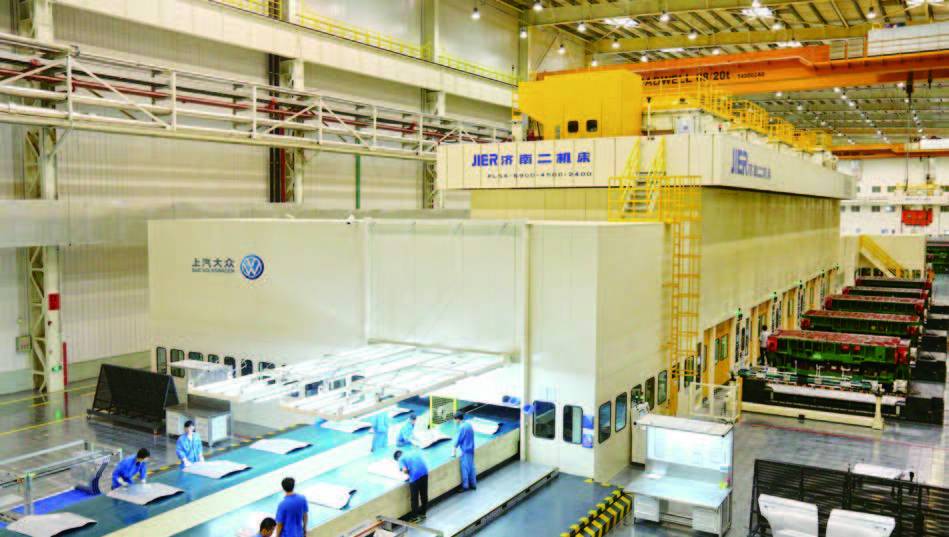
High-Speed Flexible Fully Automatic Stamping Production Line
JIER Machine-Tool Group Co., Ltd.

Pneumatic high-pressure wear-resistant ball valve
Zhejiang Deca Control Valve Meter Co., Ltd.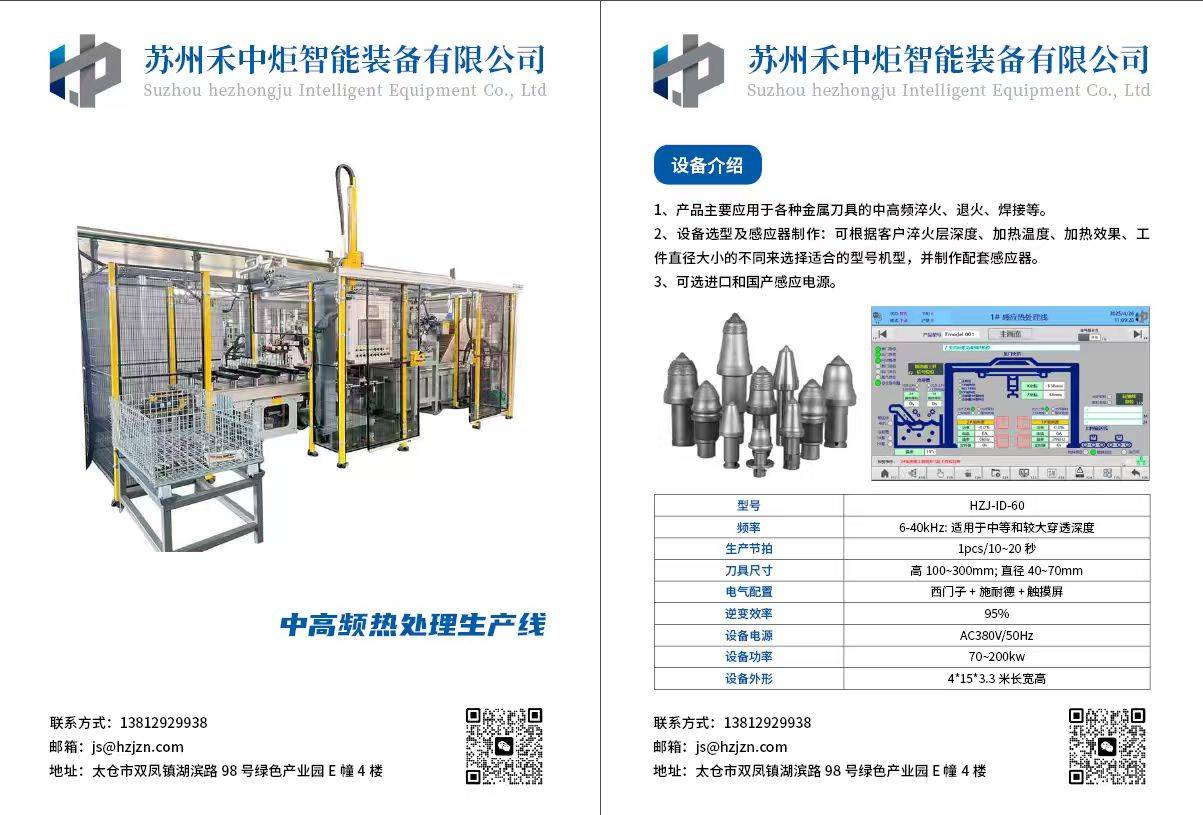
Excavator Bucket Teeth Heat Treatment Production Line
Suzhou Hezhongju Intelligent Equipment Co., Ltd.