Commercial Progress of Carbon Mineralization Technology: Tata Chemicals Europe's Northwich Plant and Others Achieve Profitability
en.Wedoany.com Report on Mar 25th, Carbon Capture and Utilization (CCU) technology faces cost challenges, but carbon mineralization (also known as mineral carbonation), a technology that converts carbon dioxide into stable carbonates, is demonstrating commercial potential. This process permanently sequesters carbon into solid minerals through chemical reactions and has already helped some early industrial adopters profit from decarbonization. As Tapio Vehmas, CEO of solution provider Carbonaide, stated: "Carbon capture, utilization, and storage is important because it transforms CO₂ from a waste stream into a useful resource while permanently sequestering it."
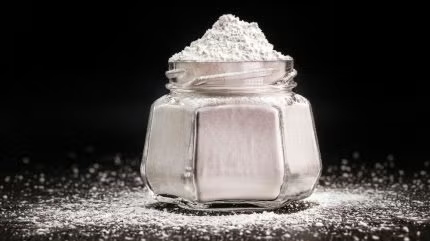
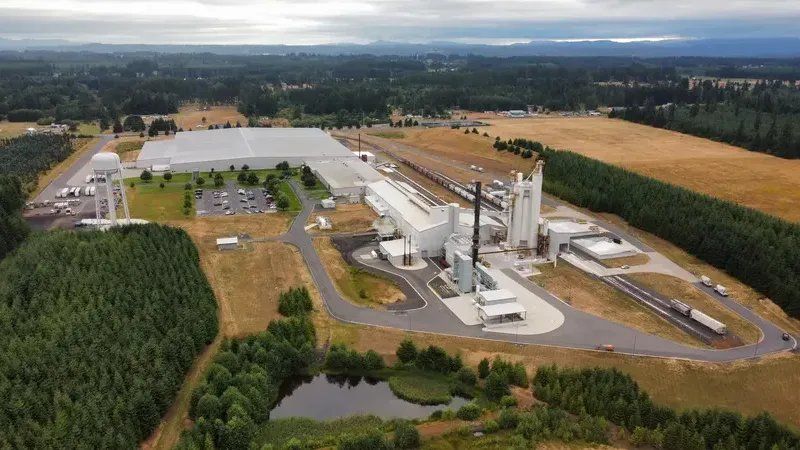
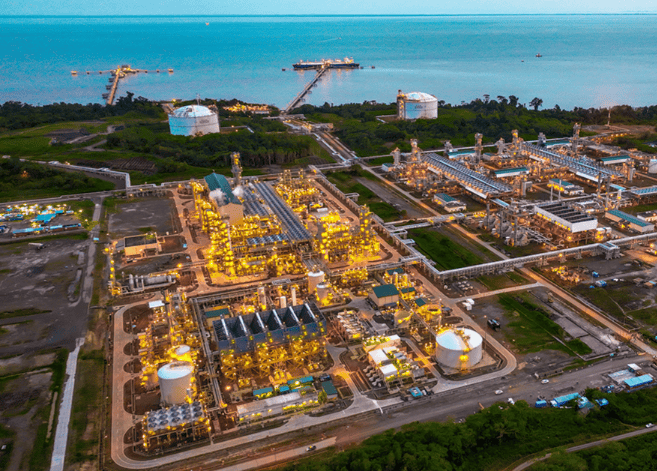
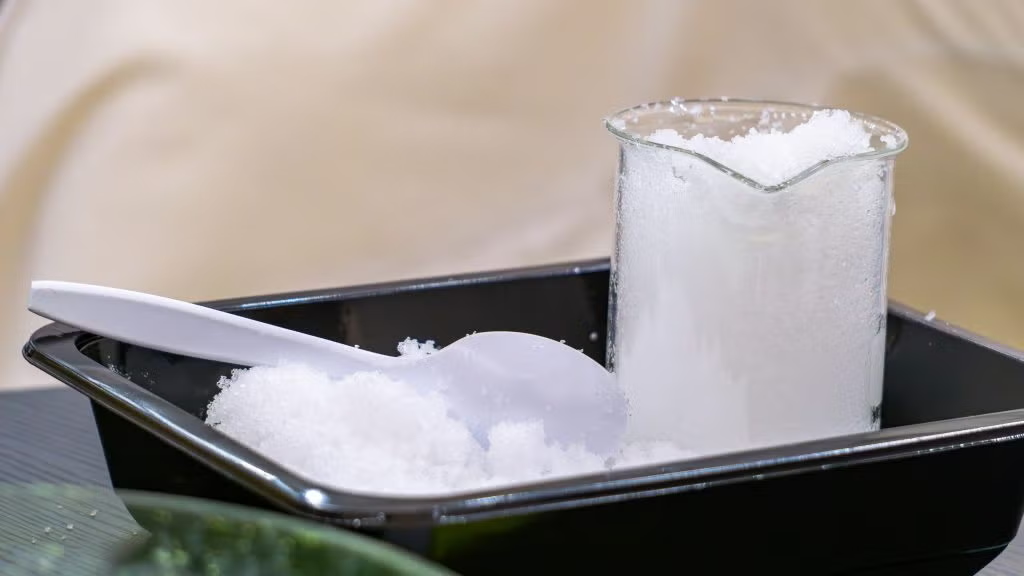
In the CCU field, Direct Air Capture (DAC) technology is often used to capture CO₂, which is then used in carbon mineralization to produce sodium bicarbonate (baking soda). Tata Chemicals Europe (TCE) established the UK's first industrial-scale CCU plant in Northwich, Cheshire, in 2022. TCE Managing Director Martin Ashcroft called it "a major success," explaining: "TCE captures 40,000 tonnes of pharmaceutical-grade CO₂ annually from its gas-fired combined heat and power plant, which is then used as a key raw material to produce 80,000 tonnes of pharmaceutical-grade sodium bicarbonate at the same site." Since its operation began in 2021, the plant has avoided nearly 200,000 tonnes of CO₂ emissions and produced over 400,000 tonnes of sodium bicarbonate, exported to over 60 countries for use in pharmaceuticals and other fields. Ashcroft stated that the company sees potential to replicate this approach at other plants.
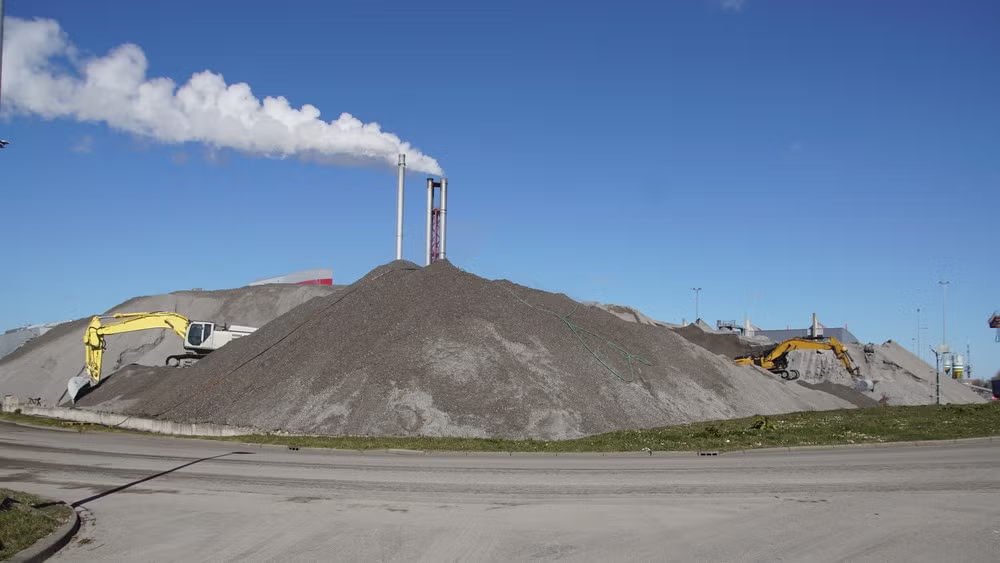
Beyond baking soda, carbon mineralization is also used to produce calcium carbonate, which is particularly popular in the construction industry. Captured CO₂ is injected into concrete, where it reacts with calcium ions to form calcium carbonate nanoparticles, enhancing material properties and achieving permanent carbon sequestration. Providers like CarbonCure and Carbonaide are driving rapid adoption of this technology. Mike Carter-Conneen, Senior Director of External Affairs at CarbonCure, explained: "Upon injection, the CO₂ is immediately chemically converted into a nanoscale mineral [calcium carbonate] and permanently embedded within the concrete." As of March 2026, CarbonCure concrete has delivered over 10.7 million truckloads, generating over $8 million in carbon credit revenue. Last year, German startup NeoCarbon partnered with Carbonaide to utilize carbon mineralization technology to lock CO₂ into industrial-grade concrete.
Carbon mineralization technology is also expanding into other calcium carbonate products, such as CarbonFree's Endurocal and Japan TBM's LIMEX material, used in paints, plastics, and consumer goods. The global calcium carbonate market is projected to grow from $21.36 billion in 2024 to an estimated value by 2034 at a CAGR of 4.30%. By recycling carbon and transforming waste streams, carbon mineralization supports decarbonization strategies and circular economy goals, offering a profitable solution for hard-to-abate industries.
Related Products
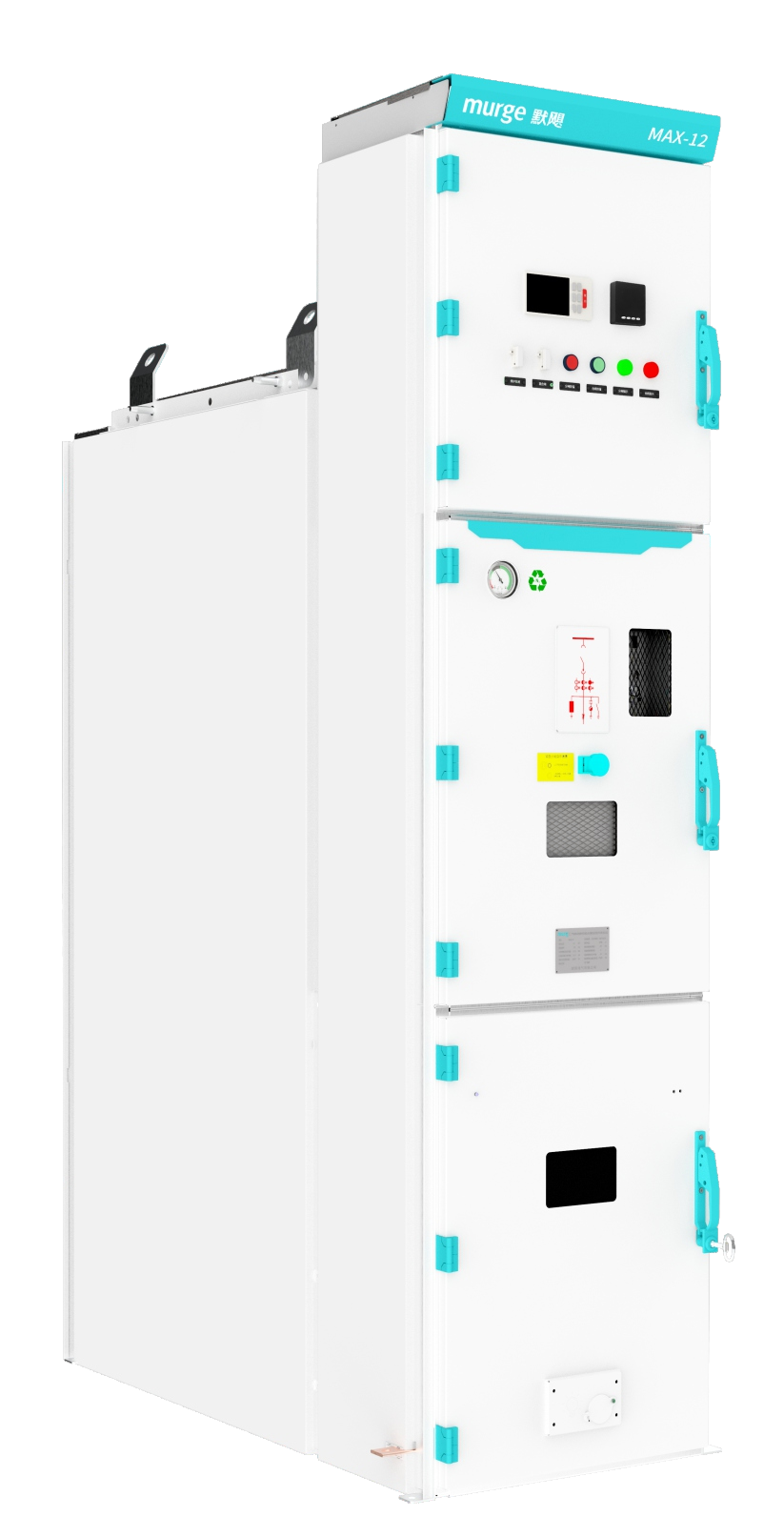

MAX-12 series Environmental Protection/SF6 gas insulated switchgear (C-GIS)
Murge Electric Co.,Ltd.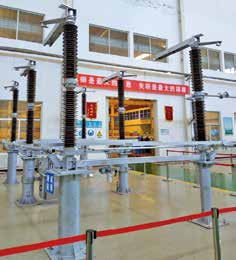
GW4-40.5/72.5/126/145/170/252/363/420 Series Double-column Horizontal Rotary High-voltage AC Disconnect Switch
SHANDONG TAIKAI DISCONNECTORS CO., LTD.
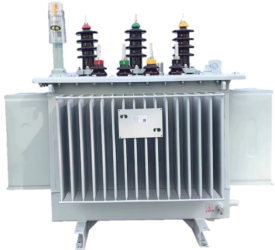
Oil-immersed Amorphous Alloy Core Distribution Transformer
Pinggao Group Smart Electric Co., Ltd.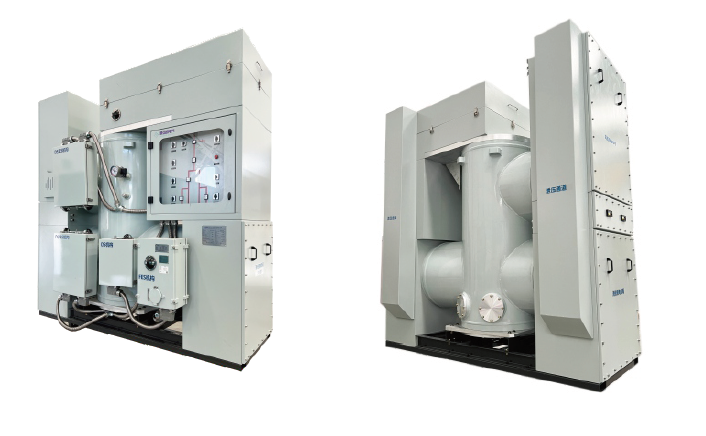
72.5kV 1250A 31.5kA SF6 free Gas-insulated Metal-enclosed Switchgear
Zhejiang Juhonkia Intelligent Electric Co., Ltd.
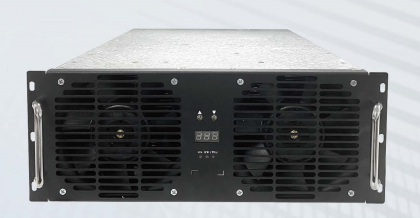
80kW Megawatt Supercharging Module TH80F10030C9
Shijiazhuang Tonhe Electronics Technologies Co., Ltd.
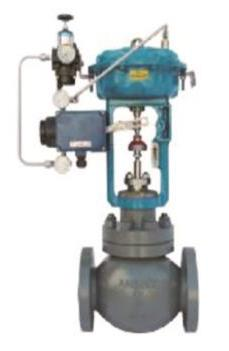
Quick-Change Single-Seat Control Valve / Quick-Change High-Pressure Single-Seat Control Valve
Beijing Consen Automation Technology Co., Ltd.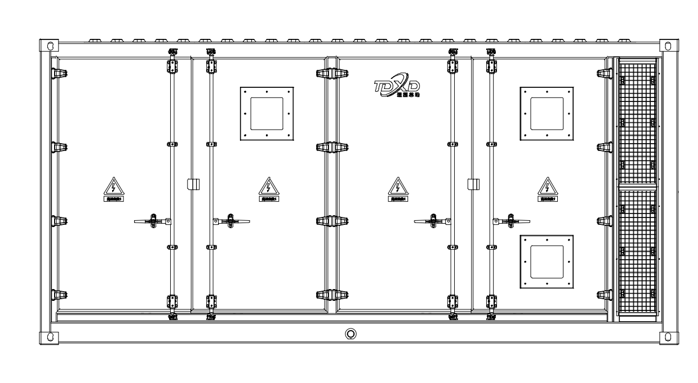
5012kWh DC Energy Storage System TD-EES-5012kWh
Suzhou Tongding Xindong Energy Storage Technology Co., Ltd.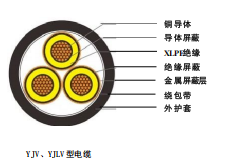
Rated Voltage 6-35kV Cross-linked Polyethylene Insulated Power Cable
TONGDING INTERCONNECTION INFORMATION CO., LTD.