U.S. Kansas Soybean Crushing Capacity Expands, Biofuel Policies Influence Market Outlook
en.Wedoany.com Report on Mar 26th, Renewable diesel, a key driver of U.S. soybean oil demand, can replace petroleum diesel without blending. However, production is projected to decline significantly in 2025 due to adjustments in tax credit rules and unclear federal guidance, hindering plant operations and feedstock procurement. Baatz points out that the shift of tax credits from blenders to producers, coupled with unresolved eligibility issues, has slowed investment and reduced capacity utilization. 
Feedstock competition is crucial for producers. Renewable diesel feedstocks include soybean oil, canola oil, corn oil, animal fats, and used cooking oil. Low-carbon imported fats are preferred due to credit advantages and port logistics. Baatz estimates that over the past three crop years, soybean demand has decreased by approximately 375 million bushels, with market share being taken by alternatives.
State-level policies like California's Low Carbon Fuel Standard continue to influence demand. Its carbon intensity scores and potential restrictions on vegetable oils may constrain soybean oil growth, despite increased federal incentives. Baatz states that the market benefits from policy support but is also constrained by it.
Looking ahead, Baatz predicts that if federal and state rules become more aligned, crushing demand will strengthen later in 2026, potentially tightening basis and enhancing pricing flexibility for farmers located near processing facilities.
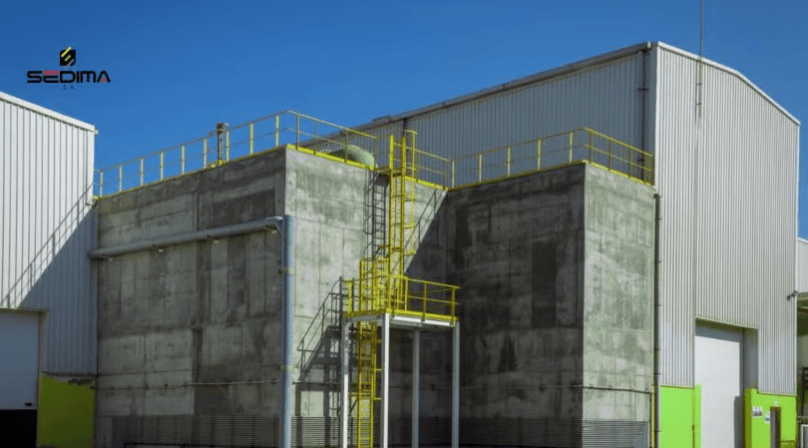
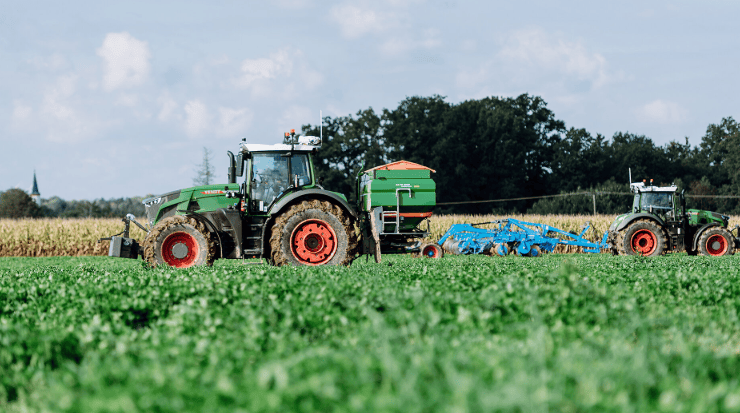
In the fall of 2024, two new soybean processing plants came online in Kansas, nearly doubling the state's crushing capacity. The Kansas Soybean Association recognizes Scoular and Bartlett—a Savage company—for expanding sales channels and profit opportunities for producers.
The new Bartlett facility in Cherryvale crushes approximately 145,000 bushels per day. The soybean meal primarily supplies the poultry industry in northwest Arkansas and export customers in Mexico, while the soybean oil flows to food processing and renewable fuel markets.
The most direct benefit for producers is improved basis. Farmers near the Cherryvale plant report basis improvements of about 4 to 6 cents, highlighting the advantage of local processing demand.
At a regional level, Scoular's retrofitted Goodland facility is driving soybean industry development in western Kansas by reducing logistical barriers and encouraging acreage expansion.
Industry leaders anticipate that increased domestic processing, combined with demand from renewable fuels and feed, will stabilize the soybean market and bring more value-added activities closer to the farm.
Related Products



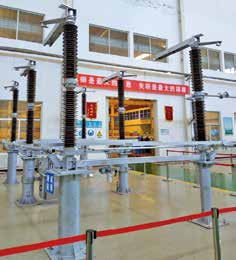
GW4-40.5/72.5/126/145/170/252/363/420 Series Double-column Horizontal Rotary High-voltage AC Disconnect Switch
SHANDONG TAIKAI DISCONNECTORS CO., LTD.

CITIC Heavy Industries Offshore Wind Power Equipment Hydraulic Pile Hammer
CITIC Heavy Industries Co., Ltd.
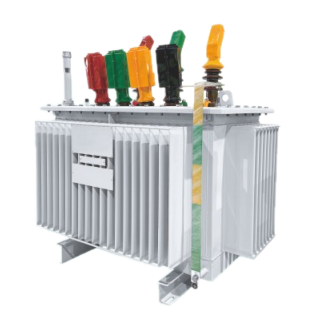
IS(B)□-M·RL Series Oil-immersed 3D Transformer (Planar / 3D Wound Core)
Guangdong Kehua Electric Power Technology Co., Ltd.
Overseas IEC Gateway Energy Meter - DTSD341/DSSD331-aMeter390
Wasion Group Limited Co., Ltd.
Industrial and Commercial Point-Type Gas Detector
Jinan Benan Technology Development Co., Ltd.